
Peaches are among summer’s most beloved fruits—juicy, fragrant, and naturally sweet—but their fleeting season and delicate nature demand smart preservation strategies. While canning and freezing are common, the real artistry lies in combining peaches with spices not only to enhance flavor but also to extend usability and elevate everyday cooking. The interplay between warm, earthy spices and the bright acidity of peaches creates a dynamic foundation for everything from chutneys to spice blends. This guide explores how to thoughtfully store and use spices in tandem with peaches, maximizing freshness, flavor depth, and kitchen versatility. Whether you're preserving a farmers' market haul or refining your pantry strategy, these ten methods blend culinary tradition with modern technique to help you make the most of this seasonal gem.
Definition & Overview
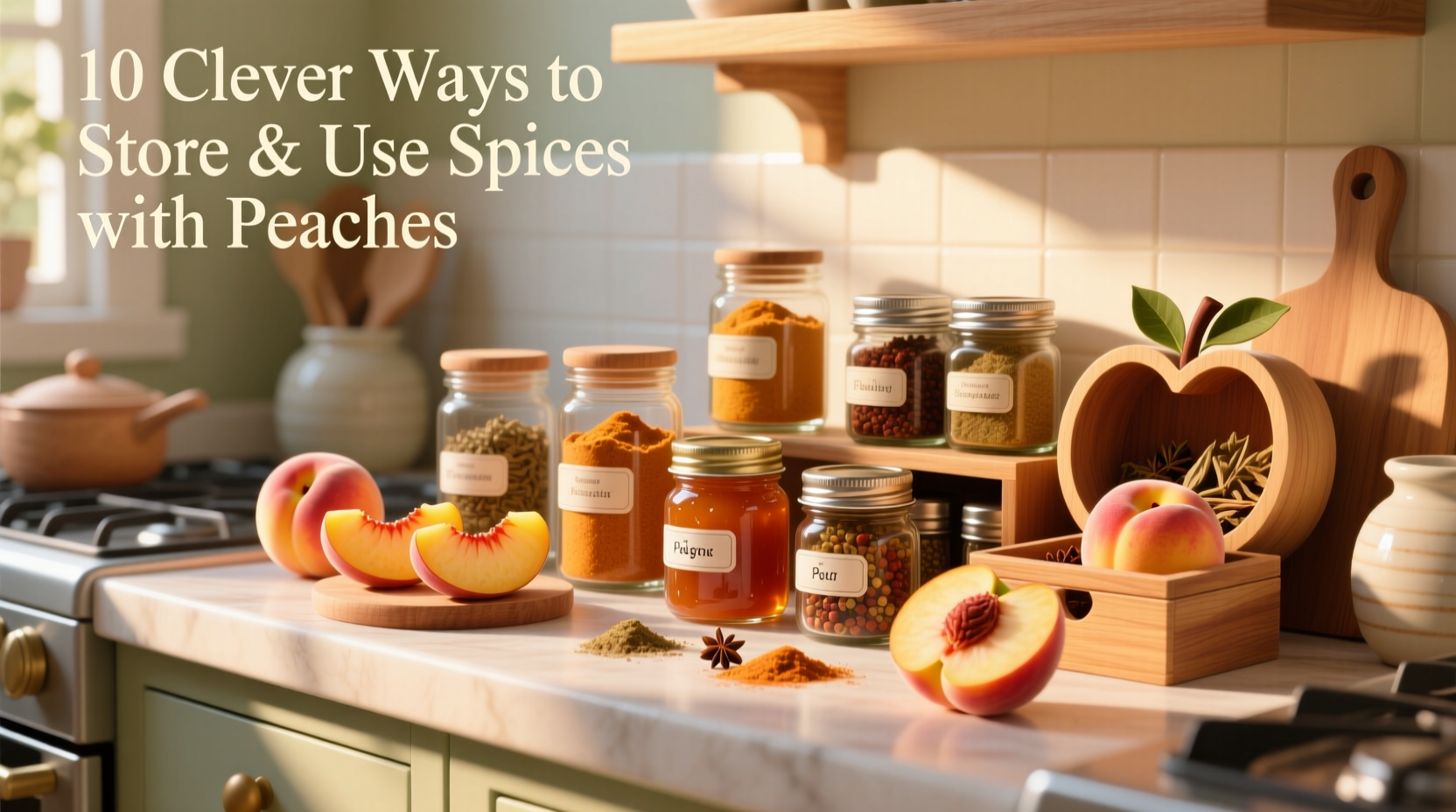
Peaches (*Prunus persica*) are stone fruits native to Northwest China, where they have been cultivated for over 4,000 years. Revered historically for their symbolic association with longevity, they now enjoy global popularity for their succulent flesh and floral aroma. Botanically classified as drupes, peaches feature a central pit surrounded by tender, fibrous flesh that ranges from yellow to white, each variant offering slightly different sugar-acid balances.
Spices, in contrast, are aromatic plant derivatives—typically seeds, bark, roots, or dried fruit—that intensify and complement flavors in food. When paired with peaches, spices do more than add complexity; they interact chemically with the fruit’s natural sugars and acids to create layered taste profiles. Cinnamon deepens caramelization, cardamom lifts floral notes, and chili adds contrast to sweetness. Beyond flavor, many spices possess antimicrobial and antioxidant properties that support preservation—an ancient principle still relevant in modern kitchens.
The fusion of peaches and spices is deeply rooted in global cuisines: North African tagines simmer peaches with ginger and cumin; Indian-inspired desserts fold them into cardamom-scented syrups; Southern American preserves rely on cinnamon and nutmeg. Understanding this synergy allows home cooks to move beyond recipes and begin thinking like preservers, flavor architects, and seasonal strategists.
Key Characteristics
| Attribute | Peaches | Common Pairing Spices |
|---|---|---|
| Flavor Profile | Sweet, floral, mildly tart (yellow), honeyed (white) | Cinnamon (warm, woody), cardamom (citrus-floral), ginger (spicy-pungent), allspice (cloves + nutmeg + cinnamon), chili (heat) |
| Aroma | Floral, perfumed, reminiscent of almonds (from benzaldehyde) | Warm, resinous, camphoraceous (cardamom), smoky (chipotle), sweet (cinnamon) |
| Color/Form | Golden-orange flesh, fuzzy skin | Ground powders, whole seeds, cracked bark, dried pods |
| Heat Level | None | Mild (cinnamon) to medium-hot (dried chili flakes) |
| Culinary Function | Fresh eating, baking, preserving, grilling | Flavor enhancement, preservation, color development, balancing sweetness |
| Shelf Life (Unpreserved) | 3–7 days at room temp; up to 10 days refrigerated | Ground: 6–12 months; Whole: 2–4 years (when stored properly) |
Practical Usage: How to Combine Spices and Peaches Effectively
The key to successful spice-peach integration lies in timing, form, and proportion. Whole spices release flavor slowly and are ideal for simmered preparations like syrups or compotes. Ground spices act faster and are better suited for dry rubs or baked goods. Always toast whole spices lightly before use to unlock volatile oils—this step alone can double aromatic intensity.
Start with ratios: For every pound of peeled, sliced peaches, consider:
- ½ tsp ground cinnamon
- ¼ tsp ground ginger or cardamom
- 1 whole star anise (remove before serving)
- Pinch of cayenne or smoked paprika (for heat contrast)
- 1 split vanilla bean or ½ tsp extract (complements spice notes)
Acidity matters. A splash of lemon juice (1 tbsp per pound) stabilizes color and brightens spice perception. Sugar—not just for sweetness—acts as a carrier for spice dispersion in preserves. Brown sugar enhances molasses-like depth when used with cinnamon and cloves.
Pro Tip: Layer spices during cooking. Add whole spices at the beginning (e.g., cinnamon stick in poaching liquid), then finish with a dusting of ground spice for aromatic punch. This builds dimension rather than overwhelming the fruit’s character.
10 Clever Ways to Store and Use Spices with Peaches
1. Spice-Infused Peach Syrup for Cocktails and Desserts
Simmer 2 cups chopped peaches with 1 cup water, 1 cup sugar, 1 cinnamon stick, 4 crushed cardamom pods, and 1-inch fresh ginger slice for 15 minutes. Strain and cool. Store in a sterilized glass bottle with a final grind of black pepper (enhances warmth). Use over pancakes, in iced tea, or in bourbon cocktails. Shelf life: 2 weeks refrigerated, or freeze in ice cube trays for long-term use.
2. Dry Spice Blend Using Dehydrated Peach Powder
Dehydrate peach slices (peeled and pitted) at 135°F (57°C) for 8–10 hours until brittle. Grind into powder using a spice grinder. Mix 2 parts peach powder with 1 part ground cinnamon, ½ part ground nutmeg, and a pinch of sea salt. This blend works as a finishing rub for grilled chicken, a base for spiced oatmeal, or a rimming sugar for desserts. Store in an airtight jar away from light; lasts up to 6 months.
3. Spiced Peach Chutney with Mustard Seeds and Fenugreek
A staple in fusion pantries, this chutney combines peaches with Indian spices. Sauté 1 tsp mustard seeds, ½ tsp fenugreek seeds, and 1 dried red chili in oil until popping. Add 2 cups diced peaches, ¼ cup vinegar, ¼ cup brown sugar, ½ tsp turmeric, and salt. Simmer 25 minutes. The fenugreek adds a maple-like bitterness that balances sweetness. Process through a hot-water bath for shelf stability (up to 1 year unopened).
4. Freezing Peaches with Pre-Mixed Spice Dust
Prevent flavor loss in frozen peaches by coating them in a spice-sugar mix before packing. Toss 4 cups sliced peaches with a blend of ¼ cup sugar, 1 tsp cinnamon, ¼ tsp ground ginger, and ⅛ tsp nutmeg. Lay flat on a parchment-lined tray, freeze solid, then transfer to labeled freezer bags. These go directly into pies or crisps—no thawing needed. The spice layer protects texture and jump-starts flavor development during baking.
5. Spice-Cured Peach Slices for Charcuterie Boards
Create a savory-sweet accent by curing peaches in a dry rub. Combine 2 tbsp kosher salt, 1 tbsp sugar, 1 tsp crushed fennel seeds, ½ tsp black peppercorns, and 1 star anise (crushed). Press onto thick peach slices and refrigerate 4–6 hours. Rinse lightly and pat dry. The result is concentrated, umami-rich fruit that pairs beautifully with aged cheeses and cured meats. Consume within 5 days.
6. Mason Jar Fermentation with Spices
Lacto-ferment peaches for probiotic-rich, tangy condiments. In a clean jar, combine 2 cups peach chunks, 1 cinnamon stick, 1 crushed clove, 1 slice ginger, and enough 2% brine (2 tsp non-iodized salt per cup water) to submerge. Weight down with a fermentation pebble or small glass. Cover with airlock lid. Ferment at room temperature for 5–7 days. Flavors deepen over time. Refrigerate after opening; lasts 3 months. Ideal for tacos or grain bowls.
7. Spice-Infused Peach Oil for Dressings and Finishing
Infuse neutral oil (like grapeseed) with peaches and spices for a gourmet touch. Gently heat 1 cup oil with 1 cup finely chopped peaches, 1 strip of orange zest, 1 crushed cardamom pod, and a pinch of saffron (optional) for 20 minutes on low—do not boil. Strain and store in dark glass. Use in vinaigrettes, over grilled fish, or drizzled on roasted vegetables. Shelf life: 1 month refrigerated.
8. Spice-Coated Dried Peach Chips
After dehydrating peach slices, lightly brush with honey and sprinkle with a mix of chili powder, lime zest, and sea salt. Return to the dehydrator for 30 minutes to set. These chips offer sweet-heat balance and make excellent hiking snacks or cocktail nibbles. Store in moisture-proof containers with silica gel packs for up to 4 months.
9. Spice-Enhanced Peach Jam with Pectin Control
To avoid overly sweet jam, use low-methoxyl pectin and emphasize spice. Combine 4 cups mashed peaches, ½ cup honey, 1 tbsp lemon juice, 1 tsp vanilla, ½ tsp cinnamon, and ¼ tsp ground allspice. Add pectin according to package. The spices reduce perceived sweetness, allowing less sugar without sacrificing set. Test pH (should be below 4.6) for safe canning. Yields 4 half-pint jars.
10. Rotating Spice Blends in Frozen Puree Packs
Puree ripe peaches and divide into 1-cup portions in freezer bags. Before sealing, add different spice packets: one with curry powder, one with pumpkin spice, one with herbes de Provence. Label accordingly. Thaw as needed for sauces, smoothies, or baby food. This method prevents waste and ensures flavor variety year-round.
Variants & Types of Spices for Peach Pairing
Not all spices behave the same with peaches. Choosing the right type depends on desired outcome—preservation, flavor profile, or culinary application.
- Whole vs. Ground: Whole spices (cinnamon sticks, cardamom pods) are superior for infusions and long-term storage. They retain essential oils longer. Ground spices integrate quickly but degrade faster—best used within 6 months.
- Warming Spices: Cinnamon, nutmeg, allspice, cloves. Best with baked peaches, jams, and custards. Use sparingly—cloves can dominate.
- Floral-Citrus Spices: Green cardamom, coriander seed, grains of paradise. Enhance the perfume of white peaches. Ideal in syrups and creams.
- Earthy-Savory Spices: Cumin, smoked paprika, fenugreek. Transform peaches into savory components. Use in salsas, meat glazes, or vegetable sides.
- Heat-Forward Spices: Dried chilies, black pepper, wasabi (in trace amounts). Create contrast. Balance with fat (yogurt, cream) or sweetness.
| Spice Type | Best Peach Form | Recommended Use | Storage Tip |
|---|---|---|---|
| Whole Cinnamon Stick | Fresh, simmered | Poaching, syrup, chutney | Store in glass jar; lasts 4 years |
| Ground Ginger | Dried, pureed | Jams, spice blends | Keep cool and dark; replace yearly |
| Green Cardamom Pods | Fresh, fermented | Syrups, fermented peaches | Crush just before use; freeze pods |
| Smoked Paprika | Grilled, dried | Spice rubs, savory sauces | Refrigerate after opening |
| Dried Chili Flakes | Raw, pickled | Hot-peach salsa, condiments | Use amber bottles; avoid humidity |
Comparison with Similar Ingredients
Peaches are often substituted with nectarines, apricots, or plums—but these are not interchangeable when spices are involved.
- Nectarines: Genetically identical to peaches but lack the fuzz gene. They’re slightly firmer and hold shape better in high-heat applications. Spices penetrate slower due to denser flesh—extend cooking time by 5–7 minutes.
- Apricots: More tart and less juicy. Require less sugar when spicing. Their high pectin content sets jams faster. Use bolder spices (clove, star anise) to match their assertive flavor.
- Plums: Higher acidity and tannins. Can clash with warm spices unless balanced with honey or vanilla. Better suited to sour pairings like sumac or amchoor (mango powder).
\"The difference between a good peach preserve and a great one is measured in milligrams of spice. It’s not about quantity—it’s about awakening what’s already there.\" — Chef Elena Ruiz, Preservation Specialist, Pacific Culinary Institute
Practical Tips & FAQs
How do I prevent my spiced peaches from turning mushy?
Use underripe (firm-ripe) peaches for cooking. Their higher pectin and acid content maintain structure. Add a teaspoon of lemon juice or calcium water (from pickling) to boiling liquids to firm the cell walls.
Can I reuse spice blends from peach preserves in other dishes?
No—once spices have been in contact with fresh fruit, they absorb moisture and degrade rapidly. However, whole spices removed before spoilage (e.g., cinnamon sticks from syrup) can be rinsed, dried, and reused once more in non-critical applications.
What’s the best way to store spiced peach products?
Follow the \"dry, dark, cool\" rule for dry blends. Refrigerate wet preparations (chutneys, syrups). Freeze purees and spice-dusted fruits. Always label with date and contents.
Are there allergens to consider when spicing peaches?
Yes. Nutmeg is a seed, and some spice blends may contain traces of tree nuts. Cardamom allergies are rare but documented. Always disclose ingredients when serving others.
Can I use fresh herbs instead of spices?
Fresh herbs (basil, thyme, rosemary) complement peaches but function differently than spices. They add top notes, not depth. Use in combination—e.g., thyme in a cinnamon-peach crisp—for layered complexity.
Checklist: Optimal Spice + Peach Storage
- Peel and pit peaches within 24 hours of purchase.
- Toast whole spices before infusion.
- Use oxygen-absorbing packets in dry spice-peach mixes.
- Label all containers with spice type and date.
- Rotate stock: FIFO (First In, First Out).
- Test pH (below 4.6) for canned goods.
- Freeze spice-coated items on trays before bagging.
Summary & Key Takeaways
Combining spices with peaches transcends mere flavor enhancement—it's a strategic approach to preservation, waste reduction, and culinary innovation. The ten methods outlined here leverage both traditional wisdom and modern food science to extend the life and utility of a perishable fruit. From fermenting with whole spices to creating multipurpose spice-peach powders, each technique offers practical value for home cooks seeking efficiency and elegance.
The core principles are simple: match spice intensity to peach ripeness, prioritize whole spices for storage, layer flavors during cooking, and always protect against moisture and light. By treating peaches not just as ingredients but as canvases for spice expression, cooks gain year-round access to summer’s essence—even in midwinter.
Start small: try one method this season—perhaps the spiced peach syrup or freezer spice-dust. Observe how the flavors evolve, and build your own signature combinations. The goal isn’t perfection, but intentionality: every spice added should have a purpose, whether to preserve, balance, or delight.




 浙公网安备
33010002000092号
浙公网安备
33010002000092号 浙B2-20120091-4
Comments
No comments yet. Why don't you start the discussion?