
Herbs are among the most transformative ingredients in cooking—capable of elevating a simple dish into something vibrant and memorable. Yet, even experienced home cooks routinely misuse them, diminishing their potential or even ruining meals. From overcooking delicate leaves to improper storage and misjudging substitutions, small errors can have big consequences. Understanding how to handle herbs properly is not just about technique; it's about respecting their unique chemistry and culinary role. This guide identifies the 10 most frequent herb-related mistakes and provides precise, actionable corrections to help you harness their full power in every dish.
Mistake #1: Treating All Herbs the Same Way
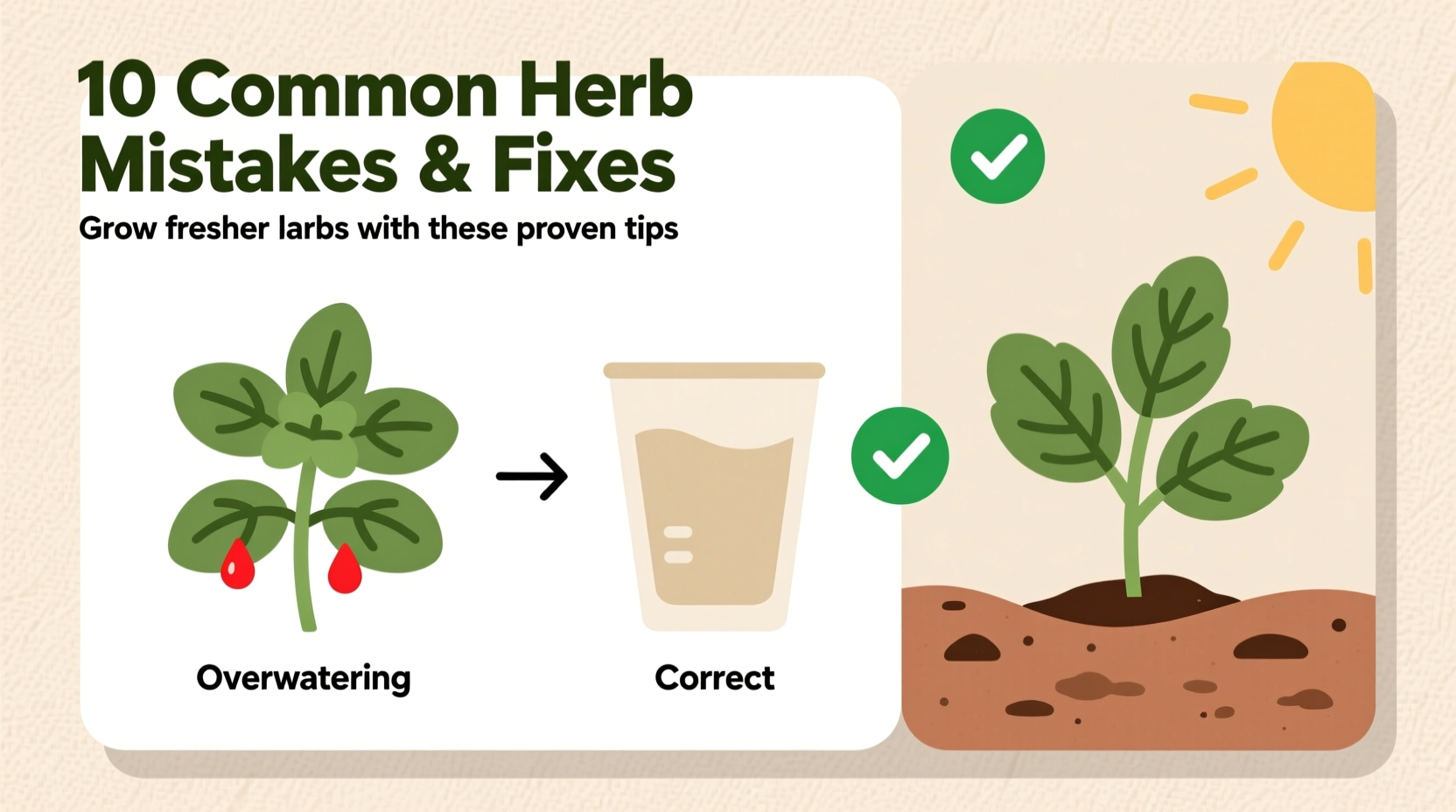
One of the most fundamental errors is assuming that all herbs behave identically in cooking. In reality, herbs fall into two broad categories: tender and hardy. Tender herbs—such as basil, cilantro, dill, parsley, and tarragon—are delicate in both texture and flavor. They lose their aromatic complexity when exposed to prolonged heat and are best added at the end of cooking or used raw. Hardy herbs like rosemary, thyme, oregano, and sage have fibrous stems and essential oils locked in their leaves, allowing them to withstand long simmering times, making them ideal for stews, braises, and roasted meats.
Tip: When building flavor layers, add hardy herbs early to infuse dishes with depth, then finish with tender herbs to preserve brightness and aroma.
Mistake #2: Adding Fresh Herbs Too Early in Cooking
Fresh herbs are prized for their volatile oils—the compounds responsible for their fragrance and taste. These oils begin to evaporate quickly under heat. Adding delicate herbs like basil or chives at the beginning of cooking often results in flavor loss. For instance, stirring chopped basil into a tomato sauce during the first simmer may leave you with a flat, one-dimensional result. The same applies to herbs in soups, stir-fries, or sautés.
To maximize impact, introduce tender herbs in the final 30 seconds of cooking or as a garnish. A sprinkle of fresh cilantro over a finished curry or a handful of torn mint over grilled lamb restores the vibrancy that heat would otherwise destroy.
Mistake #3: Overlooking Dried Herb Conversion Ratios
Dried herbs are concentrated but lack the bright top notes of fresh ones. A common pitfall is using a 1:1 substitution between fresh and dried herbs, which leads to overpowering or unbalanced flavors. As a rule, **1 tablespoon of fresh herbs equals approximately 1 teaspoon of dried**. This accounts for the moisture difference and concentration of essential oils.
| Fresh Herb | Dried Equivalent |
|---|---|
| Basil (1 tbsp) | 1 tsp dried basil |
| Oregano (1 tbsp) | 1 tsp dried oregano |
| Parsley (1 tbsp) | 1 tsp dried parsley |
| Thyme (1 tbsp) | 1 tsp dried thyme |
Dried herbs also require time to rehydrate and release flavor. Add them earlier in the cooking process—typically within the first 10–15 minutes of simmering—to allow integration into the dish.
Mistake #4: Storing Herbs Like Regular Produce
Many people toss fresh herbs into the crisper drawer still wrapped in plastic, only to find them slimy or wilted days later. But herbs are more akin to cut flowers than vegetables. To extend their shelf life, treat them accordingly.
For tender herbs like cilantro, parsley, and dill: trim the stems, place them in a glass with an inch of water, loosely cover with a plastic bag, and refrigerate. Change the water every two days. This method can keep them fresh for up to two weeks. Hardy herbs such as rosemary and thyme can be wrapped in a slightly damp paper towel and stored in a sealed container.
Alternatively, freeze tender herbs by blending them with oil (e.g., olive oil) and freezing in ice cube trays. These herb cubes are excellent for soups, sauces, and sautés.
\"Proper storage isn't just about convenience—it's about preserving terroir. A sprig of thyme harvested last week should still taste of sun-drenched hillsides, not refrigerator burn.\" — Chef Elena Ruiz, Culinary Instructor, San Francisco Cooking Academy
Mistake #5: Washing Herbs Too Early
Washing herbs before storage increases moisture retention, accelerating spoilage. Water trapped in the leaves encourages mold and bacterial growth. Always wash herbs just before use. If cleaning is necessary prior to storage, dry them thoroughly using a salad spinner or pat gently with paper towels before placing in breathable containers.
Mistake #6: Using Only Leaves and Discarding Stems
While the soft stems of delicate herbs like parsley or cilantro can be chopped and used, many discard them unnecessarily. In truth, the lower stems of herbs contain intense flavor. For example, the stems of cilantro are more pungent than the leaves and work exceptionally well in pestos, curries, and marinades where they’ll be blended or cooked down.
However, woody stems from rosemary or thyme should generally be removed before serving, though they can be used whole during cooking (e.g., tossed into a soup pot) and discarded afterward like a bay leaf.
Pro Tip: Finely mince parsley stems and incorporate them into meatballs, stuffings, or compound butter—they add herbal depth without altering texture.
Mistake #7: Not Chopping Herbs Properly
The way you chop herbs affects both flavor release and appearance. Crushing or over-chopping delicate herbs like basil activates enzymes that lead to browning and off-flavors. Always use a sharp knife on a clean board and employ a gentle rocking motion. For basil, a chiffonade cut (thin ribbons) preserves integrity. For robust herbs like oregano, a finer chop helps distribute flavor evenly.
Avoid using food processors for small quantities—pulse too long and you’ll turn herbs into a bruised paste. If blending large batches (e.g., chimichurri), pulse briefly and scrape down the sides frequently.
Mistake #8: Ignoring Regional and Seasonal Variations
Not all herbs are available year-round with consistent quality. For example, fresh dill is most aromatic in late spring and early summer. Winter-grown greenhouse basil often lacks the intensity of summer-harvested plants. Understanding seasonality allows you to adjust expectations and usage.
Additionally, regional differences matter. Mediterranean oregano has a sharper, more camphorous profile than Mexican oregano, which leans citrusy and earthy—making it better suited for moles and bean dishes. Substituting one for the other without adjustment alters the dish’s character.
Mistake #9: Confusing Similar-Looking Herbs
Some herbs bear striking visual similarities but differ dramatically in taste. Mistaking cilantro for flat-leaf parsley is common—and potentially disastrous for those who perceive cilantro as soapy due to genetic factors. Similarly, dill and fennel fronds look nearly identical, yet dill has a grassy-anise note while fennel fronds are intensely licorice-like.
Always verify by smell and taste before use. When in doubt:
- Cilantro vs. Parsley: Cilantro has a pungent, citrusy aroma; parsley is milder and greener.
- Dill vs. Fennel Fronds: Dill smells sweet and herbaceous; fennel is strongly anise-scented.
- Mint vs. Basil: While clearly different to most, young lemon balm (a mint relative) can be confused with certain basils—smell to confirm.
Mistake #10: Assuming Dried Herbs Are Inferior Across the Board
While fresh herbs often win for brightness, dried versions excel in specific applications. Dried oregano, for example, develops a more complex, slightly bitter depth that enhances tomato-based sauces. Dried marjoram and thyme retain much of their character and are staples in rubs, spice blends, and slow-cooked dishes.
Moreover, some herbs actually improve when dried. Lemon verbena, for instance, concentrates its citrus essence and becomes more stable. Dried bay leaves are standard in stocks and stews—their subtle bitterness and woodsy tone emerge gradually during long cooking.
The key is matching the form to the function: use fresh for finishing, dried for building foundational flavor.
Variants & Forms of Culinary Herbs
Herbs come in multiple forms, each suited to different techniques and cuisines:
- Fresh Whole: Ideal for garnishes, salads, salsas, and last-minute additions.
- Dried Loose: Best for long-cooked dishes, marinades, and dry rubs.
- Dried Ground: More potent and faster-releasing; use sparingly in spice mixes.
- Freeze-Dried: Retains color and some aroma; convenient but expensive.
- Paste/Concentrate: Commercial herb pastes (e.g., garlic-chive paste) offer consistency but may include preservatives.
- Infused Oils: Carry flavor effectively but must be made safely to avoid botulism risk (always refrigerate and use within a week unless acidified).
Comparison: Fresh vs. Dried Herbs
| Characteristic | Fresh Herbs | Dried Herbs |
|---|---|---|
| Flavor Profile | Bright, green, aromatic | Earthy, concentrated, sometimes bitter |
| Best Used In | Salsas, garnishes, cold dishes, finishing | Stews, soups, roasts, spice blends |
| Shelf Life | 3–14 days (refrigerated) | 6–12 months (cool, dark place) |
| Addition Time | Last 1–2 minutes or raw | Early to mid-cooking |
| Substitution Ratio | 1 tbsp fresh = 1 tsp dried | 1 tsp dried = 1 tbsp fresh |
Practical Tips & FAQs
How do I know if dried herbs are still good?
Check potency by crushing a small amount between your fingers and smelling it. If the aroma is faint or dusty, the essential oils have degraded. Replace for optimal flavor.
Can I grow my own herbs indoors?
Yes—basil, thyme, oregano, and mint thrive on sunny windowsills. Use well-draining soil and avoid overwatering. Rotate pots regularly for even growth.
What’s the best way to dry herbs at home?
Hang small bunches upside down in a warm, dry, dark place with good airflow. Once brittle, strip leaves and store in airtight jars. Alternatively, use a dehydrator on low heat.
Are there herbs I should never cook?
Chervil and chives lose almost all flavor when heated. Use exclusively as garnishes. Tarragon is highly heat-sensitive—add only at the end of cooking.
Which herbs pair best with proteins?
- Chicken: Thyme, rosemary, tarragon, sage
- Beef: Rosemary, oregano, thyme, parsley (in gremolata)
- Fish: Dill, fennel fronds, parsley, chives
- Lamb: Mint, rosemary, oregano
- Pork: Sage, thyme, fennel, marjoram
Can I substitute one herb for another?
Only within flavor families. Marjoram can replace oregano (but is sweeter). Italian parsley can stand in for cilantro in appearance (though not flavor). Never substitute mint for basil or rosemary for thyme—they belong to entirely different culinary universes.
Quick Reference Checklist: Herb Usage Do’s and Don’ts
- Do add tender herbs at the end of cooking.
- Don’t substitute fresh and dried herbs 1:1.
- Do store fresh herbs like flowers—in water, refrigerated.
- Don’t wash herbs until ready to use.
- Do use woody stems as flavor bases in stocks.
- Don’t over-process herbs in blenders.
- Do label dried herbs with purchase dates.
- Don’t keep dried herbs near heat or light.
- Do taste as you go—herb potency varies by batch.
- Don’t assume frozen = inferior—frozen herbs in oil work well in cooked dishes.
Summary & Key Takeaways
Mastering herbs goes beyond simply adding “a handful” to a recipe. Each mistake—from poor timing to incorrect storage—diminishes their contribution. By recognizing the distinction between tender and hardy herbs, respecting conversion ratios, and handling them according to their form, you unlock deeper, more authentic flavors in your cooking.
Remember: fresh herbs shine in raw or last-minute applications, while dried herbs build foundation. Store them properly, chop with care, and never underestimate the power of a single sprig used at the right moment. With these corrections, your everyday meals will reflect the precision and intention of professional kitchens.
Next time you reach for parsley or ponder whether to add rosemary now or later, pause and apply these principles. Small changes yield profound results—one herb at a time.




 浙公网安备
33010002000092号
浙公网安备
33010002000092号 浙B2-20120091-4
Comments
No comments yet. Why don't you start the discussion?