
Keychains are more than just tools—they’re expressions of personality, souvenirs of travel, mementos of milestones, and even works of art. Whether you’ve amassed dozens over the years or are just beginning to appreciate their charm, how you store and display them matters. A well-curated display protects your collection, prevents tangles, and turns everyday accessories into a striking visual feature. The right setup blends practicality with aesthetics, making retrieval easy while celebrating each piece’s uniqueness.
Gone are the days of tossing keychains into a junk drawer. Modern solutions prioritize visibility, accessibility, and design harmony. From minimalist wall mounts to interactive displays, today’s approaches cater to both functionality and artistic sensibility. Below are ten creative, tested methods to elevate your keychain organization game.
1. Magnetic Wall Strips with Decorative Backing
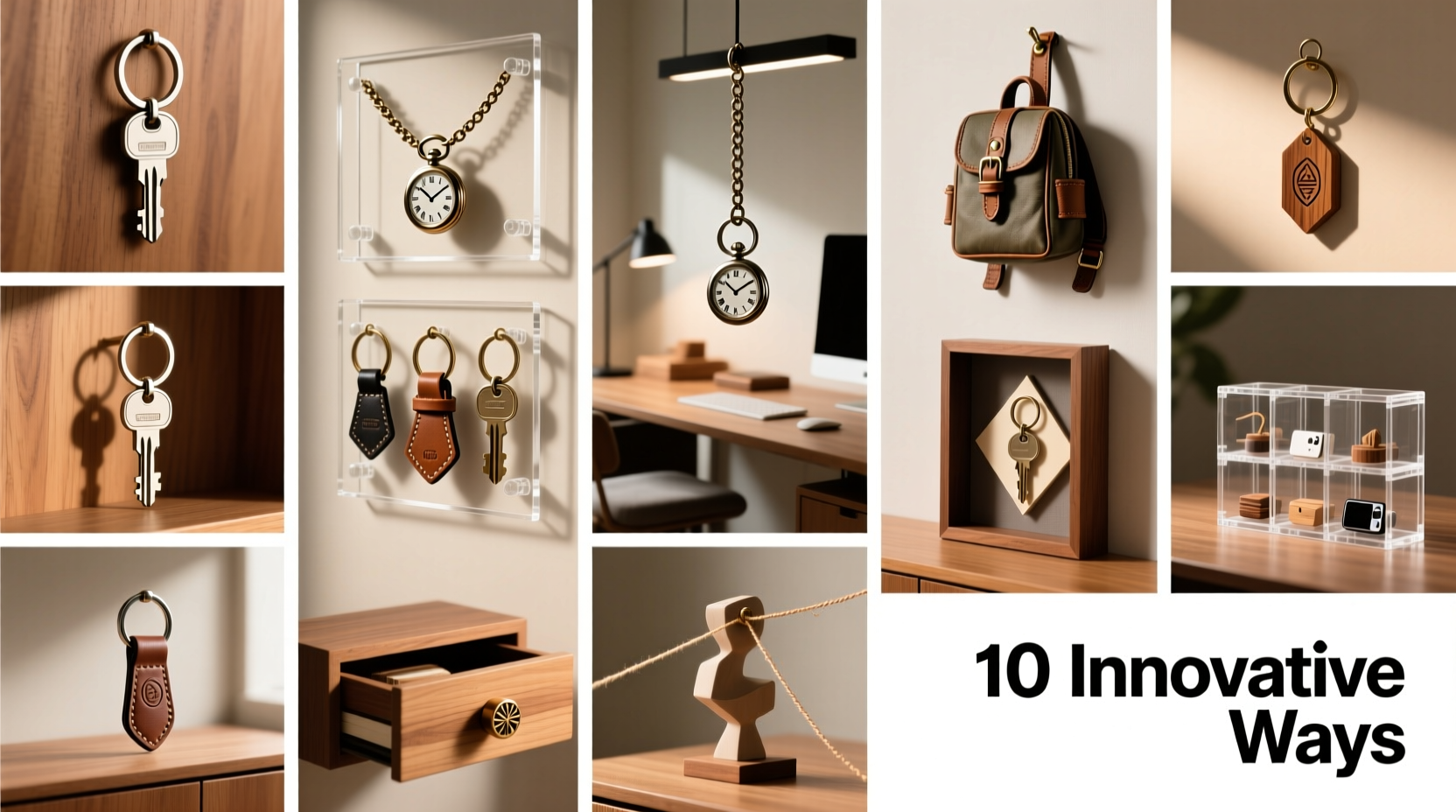
Mount a sleek magnetic strip on a wall near your entryway and pair it with a custom backing board in wood, metal, or acrylic. Small steel-backed keychains or those with metal components will adhere securely, allowing for quick access and an industrial-chic look. Choose rare-earth magnets for stronger hold, especially if your keys are heavier.
This method works best for metallic or hybrid keychains. For non-magnetic ones, attach tiny steel washers or discs using epoxy glue to make them compatible.
2. Floating Glass Shelves with Hooks
Install floating glass shelves at eye level and add discreet adhesive hooks underneath. Each hook holds one keychain, turning the shelf into both a functional organizer and a gallery-style display. The transparency of glass keeps the focus on the items rather than the structure.
Use museum putty or low-profile brackets to maintain a clean aesthetic. Arrange keychains by color, theme, or size for visual impact. This solution suits modern, minimalist interiors where clutter-free elegance is key.
3. Framed Grid Panel with Mini Clips
Repurpose a picture frame by replacing the glass with a fine metal grid panel (like those used in memo boards). Attach miniature binder clips or decorative clothespins along the grid intersections. Each clip holds a keychain by its ring, allowing full visibility and easy swapping.
This approach doubles as wall art. Choose a frame that complements your decor—black metal for urban lofts, reclaimed wood for rustic spaces. Rotate seasonal or thematic keychains without reconfiguring the entire setup.
Why This Works
- Maximizes vertical space
- Allows modular rearrangement
- Protects delicate charms from dust
4. Rotating Lazy Susan Display Stand
For desk or console table use, a tiered lazy Susan offers 360-degree access. Divide compartments by category: house keys, car fobs, work badges, souvenir tokens. Use felt dividers to prevent scratches and noise.
Select a model with clear acrylic tiers for visibility, or opt for a handcrafted wooden version for warmth. Spin the turntable to find what you need without digging through piles.
“Display systems that reduce friction in daily routines often become the most enduring.” — Lena Torres, Interior Organizer & Product Designer
5. Custom Pegboard Organizer with Labels
Pegboards aren’t just for garages. Paint a small section in a bold accent color and install it in a hallway or mudroom. Fit it with mini pegs or S-hooks to hang keychains individually. Add label holders beneath each peg to denote purpose: “Front Door,” “Garage,” “Spares.”
This system scales easily. As your collection grows, expand the board or add another row. It’s particularly effective for households with multiple users who need to identify their keys quickly.
Step-by-Step: Installing Your Pegboard Display
- Measure available wall space near the entrance.
- Cut pegboard to size (or buy pre-cut).
- Paint with moisture-resistant enamel in your preferred hue.
- Mount securely using wall anchors.
- Arrange pegs and label each keychain’s spot.
6. Shadow Box Displays for Themed Collections
If you collect keychains from travels, concerts, or fandoms, shadow boxes offer museum-grade presentation. Group related pieces—say, all Eiffel Tower souvenirs or vintage band merch—within a deep frame lined with fabric or textured paper.
Secure each keychain with invisible thread or small pins through non-critical areas (e.g., rings, not fragile enamel). Include contextual elements like ticket stubs, maps, or dates to enrich the narrative.
7. Keychain Tree with Branch-Like Arms
A sculptural keychain tree brings organic elegance to any room. Choose one made from brushed metal, dark wood, or ceramic. Each “branch” acts as a hanging point, creating a dynamic centerpiece on a console table or entryway bench.
Unlike flat displays, trees utilize three-dimensional space, reducing crowding. Opt for models with weighted bases to prevent tipping. Some double as charging stations or umbrella stands, enhancing utility.
8. Labeled Acrylic Drawer Inserts
For those who prefer concealed storage, custom-cut acrylic trays inside drawers keep collections orderly and protected. Design individual slots shaped to fit each keychain, labeled underneath with engraved text or printed stickers.
This method prevents tangling and dust accumulation while maintaining quick access. Ideal for valuable or sentimental pieces you want preserved but still usable.
Do’s and Don’ts of Keychain Storage
| Do | Don't |
|---|---|
| Store in dry, temperature-stable areas | Leave in humid bathrooms or hot cars |
| Use soft lining materials like felt or velvet | Allow metal-on-metal contact without padding |
| Label positions for fast identification | Mix heavy and delicate items in shared spaces |
| Rotate displays seasonally to reduce wear | Overcrowd hooks or clips beyond weight limits |
9. Interactive Digital Catalog with Physical Anchor
For serious collectors, merge digital and physical worlds. Photograph each keychain and upload it to a private online gallery or app (like Notion or Google Photos). Assign QR codes linked to descriptions, origin stories, or purchase dates.
Attach these QR codes to a master board or index card file. Place the actual keychains nearby in a visible case. Scan a code to learn about a piece before selecting it—a perfect blend of storytelling and function.
Mini Case Study: Sarah’s Travel Keychain Archive
Sarah, a flight attendant with over 120 keychains from 40 countries, struggled with disorganization until she adopted a hybrid system. She mounted a framed world map with pushpins marking each destination. Beside it, a labeled acrylic case holds current-use keys, while her full catalog lives in a password-protected digital album. Guests love exploring her journey, and she never misplaces a favorite.
10. Modular Cube Shelving with Curated Themes
Use cube organizers (like IKEA Kallax) to create themed zones. One cube for pet tags, another for gift-opened keychains, one for backups. Add fabric bins, glass doors, or LED lighting to enhance appeal.
This modular approach adapts to changing needs. During holidays, dedicate a cube to temporary event lanyards or rental keys. It’s scalable, family-friendly, and integrates seamlessly into living spaces.
Checklist: Setting Up Your Ideal Keychain Display
- Inventory your collection and group by type or frequency of use
- Determine available space: wall, tabletop, or enclosed cabinet
- Select a display method matching your decor and access needs
- Label each position clearly for household members
- Incorporate protective materials (felt, padding, UV shielding)
- Add personal touches: lighting, framing, or storytelling elements
- Review and reorganize quarterly to maintain order
Frequently Asked Questions
How do I prevent my keychains from tarnishing?
Store them away from humidity and direct sunlight. Use anti-tarnish strips in enclosed displays, and occasionally polish metal components with a jewelry cloth. Avoid touching finishes with bare hands—oils can accelerate oxidation.
Can I mix functional and decorative keychains in one display?
Yes, but designate zones. Keep daily-use keys on accessible hooks or rotating stands, while reserving shadow boxes or closed cabinets for fragile or sentimental pieces. This balances practicality with preservation.
What’s the best way to clean resin or enamel keychains?
Wipe gently with a microfiber cloth dampened with water and mild soap. Avoid alcohol-based cleaners, which can dull glossy finishes. Dry immediately to prevent water spots.
Final Thoughts
Your keychain collection tells a story—of places visited, passions pursued, and moments cherished. Presenting it thoughtfully honors that narrative while simplifying daily life. Whether you choose a high-tech digital archive or a handcrafted wooden stand, the goal remains the same: to merge beauty with usability.
The most successful displays evolve with your lifestyle. Start simple, experiment with layouts, and refine over time. What begins as organization becomes curation, transforming overlooked trinkets into a meaningful exhibit of your journey.




 浙公网安备
33010002000092号
浙公网安备
33010002000092号 浙B2-20120091-4
Comments
No comments yet. Why don't you start the discussion?