
Pork chops are a staple in home kitchens and restaurants alike—affordable, versatile, and rich in protein. Yet too often, they end up dry, bland, or one-dimensionally seasoned. The secret to transforming this humble cut into a standout dish lies not in complex techniques, but in intelligent spicing. Proper seasoning doesn’t just add flavor—it builds depth, balances textures, and highlights the natural sweetness of pork. With the right approach, even a simple pan-seared chop can rival anything served in a gastropub.
This guide delivers ten professional-level strategies for seasoning pork chops, backed by culinary science and real kitchen experience. Beyond general advice, it includes a comprehensive flavor-pairing chart—a tool rarely shared outside professional kitchens—that maps spices, herbs, acids, and aromatics to specific pork profiles. Whether you’re grilling bone-in rib chops or searing center-cut loins, these insights will help you season with precision, creativity, and confidence.
Understanding Pork Chops: A Flavor Foundation
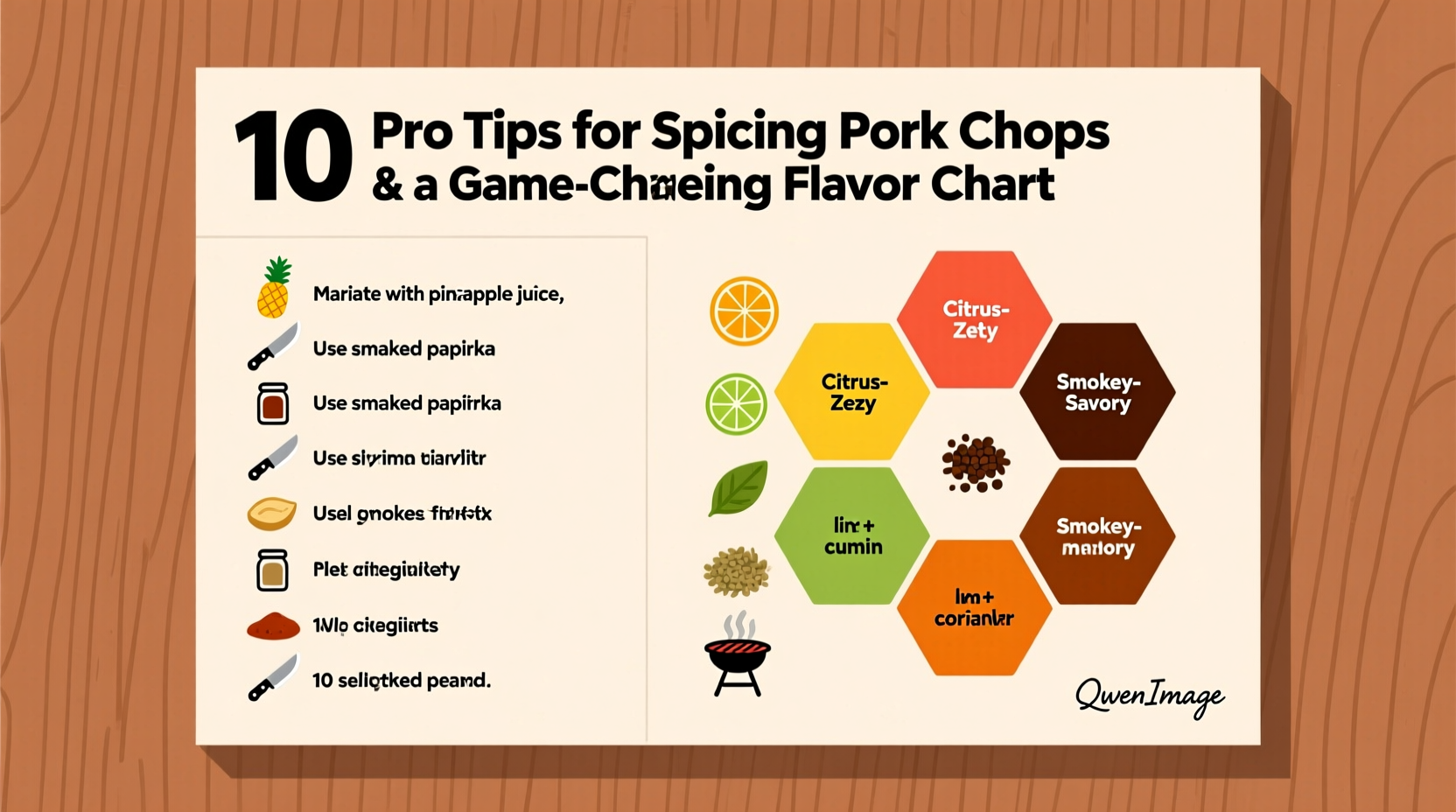
Pork chops come from the loin section of the pig and vary by thickness, bone presence, and fat content. Common types include rib chops (rich, marbled), center-cut (lean, uniform), sirloin chops (meaty, slightly tougher), and shoulder blade chops (flavorful, more connective tissue). While modern pork is far leaner than in past decades, its mild umami base makes it an ideal canvas for bold seasoning.
Unlike beef, which relies heavily on Maillard reaction and fat for flavor, pork benefits from aromatic complexity. Its subtle sweetness pairs exceptionally well with warm spices, fruit-based acids, smoky elements, and herbal brightness. However, under-seasoning remains the most common mistake. Because pork lacks the intense savoriness of aged beef, it requires more thoughtful layering of salt, heat, sweetness, and acidity to achieve balance.
Key Characteristics of Effective Pork Chop Seasoning
Successful seasoning isn't random—it follows predictable patterns based on flavor chemistry. Below are the core attributes that define high-impact pork chop rubs and marinades:
| Characteristic | Description |
|---|---|
| Salt Base | Essential for moisture retention and flavor enhancement. Use kosher salt or sea salt at 0.5–1% of meat weight. |
| Flavor Builders | Garlic powder, onion powder, smoked paprika, mustard powder—amplify savory depth without overpowering. |
| Aromatic Herbs | Dried thyme, rosemary, sage, oregano—add earthy complexity. Use sparingly; dried herbs are concentrated. |
| Heat Elements | Cayenne, black pepper, crushed red pepper—modulate for balance. Heat should accent, not dominate. |
| Sweet Notes | Brown sugar, maple, ground cinnamon—caramelize during cooking, enhancing crust formation. |
| Acidic Components | Lemon zest, vinegar, wine—used in marinades to tenderize and brighten post-cook. |
| Umami Boosters | Anchovy paste, soy sauce, Worcestershire—deepen savoriness without making pork taste fishy or foreign. |
10 Pro Tips for Spicing Pork Chops Like a Chef
-
Season Early—Salt at Least 40 Minutes Before Cooking
Most home cooks sprinkle salt right before searing. Professionals do it much earlier. Salting pork chops 40 minutes to overnight before cooking allows salt to dissolve muscle proteins, improving moisture retention and enabling deeper penetration. For best results, apply kosher salt (about ¾ teaspoon per pound) and let chops rest uncovered on a rack in the fridge. This dry-brine method enhances juiciness and creates superior browning.
-
Layer Dried Spices Before Cooking, Fresh Herbs After
Dried herbs and ground spices withstand high heat and infuse flavor into the crust. Add them just before cooking or mix into a dry rub. Fresh herbs like parsley, chives, or cilantro lose vibrancy when overcooked. Instead, fold them into finishing sauces or scatter over cooked chops as a garnish. For example, finish a rosemary-garlic chop with a spoonful of gremolata (lemon zest, garlic, parsley).
-
Use Mustard Powder for Depth Without Wetness
Incorporating liquid ingredients like mustard or yogurt can alter texture. Mustard powder, however, adds tangy complexity without adding moisture. It also acts as a binder for dry rubs, helping spices adhere. Use ½ to 1 teaspoon per tablespoon of rub. It pairs especially well with brown sugar and smoked paprika in Southern-style rubs.
-
Balance Sweet and Heat Strategically
Sugar promotes caramelization—but too much burns. Heat should complement, not overwhelm. A balanced ratio: 2 parts sweet (brown sugar, maple) to 1 part heat (cayenne, chipotle). For instance, combine 1 tbsp brown sugar, ½ tsp cayenne, 1 tsp smoked paprika, and 1 tsp garlic powder for a smoky-sweet rub perfect for grilled chops.
-
Marinate Tougher Cuts, Not Lean Ones
Shoulder or sirloin chops benefit from acidic marinades (vinegar, citrus, wine) that break down fibers. But lean center-cut or rib chops can become mushy if marinated longer than 2 hours. For these, use oil-based rubs instead. If using acid, limit marination to 30–90 minutes and always pat dry before searing.
-
Toast Whole Spices Before Grinding
Pre-ground spices lose potency within months. For maximum aroma, toast whole coriander seeds, fennel seeds, or black peppercorns in a dry skillet over medium heat until fragrant (about 1–2 minutes), then grind fresh. A mortar and pestle or coffee grinder works perfectly. Toasted fennel adds a subtle licorice note that complements pork’s sweetness.
-
Build Flavor in Stages—Don’t Rely on One Application
Professional kitchens layer flavor: dry brine first, then a rub, then a pan sauce. Example: Salt chops 1 hour ahead. Dust with smoked paprika-garlic rub pre-sear. Deglaze the pan with apple cider and shallots post-cook, reducing into a glossy sauce. This multi-phase technique creates dimensional taste unmatched by single-step seasoning.
-
Match Spice Profiles to Cooking Method
Grilled chops thrive with bold, smoky flavors (chipotle, cumin, char). Pan-seared chops suit refined combinations (sage, white pepper, lemon zest). Roasted chops pair beautifully with warm baking spices (cinnamon, clove, allspice)—especially when served with fruit compotes. Tailoring your spice blend to the cooking method ensures harmony between technique and taste.
-
Incorporate Umami Secret Weapons
A small amount of fermented or aged ingredients can elevate pork dramatically. Try:
- ½ tsp soy sauce in a marinade
- ¼ tsp anchovy paste mixed into a butter baste
- Few drops of fish sauce in a glaze (it disappears into richness)
- Worcestershire in a dry rub (adds tang and depth)
-
Rest and Reheat with Seasoning in Mind
After cooking, let chops rest 5–7 minutes so juices redistribute. When reheating leftovers, avoid microwaving plain chops—they dry out and mute flavor. Instead, slice and sauté in a hot pan with a splash of broth, a dab of herb butter, or a drizzle of infused oil. This reintroduces aromatic lift lost during storage.
Pro Tip: Always taste your dry rub before applying. Mix a pinch with a teaspoon of oil and dab on your wrist. Adjust ratios of salt, sweet, heat, and acid before touching the meat. This prevents overseasoning and ensures balance.
The Game-Changing Pork Chop Flavor Pairing Chart
Choosing spices shouldn’t be guesswork. This reference chart matches common pork chop styles with optimal flavor companions based on regional traditions, chemical compatibility, and chef-tested success.
| Cooking Style | Best Spices & Herbs | Acid Pairings | Umami Enhancers | Serving Suggestion |
|---|---|---|---|---|
| Grilled (Bone-In) | Smoked paprika, cumin, garlic powder, onion powder, cayenne, oregano | Lime juice, apple cider vinegar | Worcestershire, soy sauce | Cilantro-lime slaw, grilled corn |
| Pan-Seared (Lean Cut) | Sage, thyme, black pepper, nutmeg, lemon zest | White wine, lemon juice | Shallot-butter sauce, Parmesan rind in pan | Applesauce, roasted potatoes |
| Roasted (Thick-Cut) | Cinnamon, allspice, cloves, ginger, fennel seed | Apple cider, orange juice | Miso paste (diluted), mushroom broth | Spiced pear compote, wild rice |
| Smoked (Shoulder Chop) | Chipotle, coriander, mustard powder, celery seed | Tomato paste + vinegar, beer | Fish sauce (trace), bacon fat | Collard greens, cornbread |
| Asian-Inspired Stir-Fry | Five-spice powder, ginger, scallion, sesame seeds | Rice vinegar, lime, tamarind | Soy sauce, hoisin, oyster sauce | Stir-fried bok choy, jasmine rice |
| Mediterranean Grill | Oregano, rosemary, marjoram, garlic, sumac | Lemon juice, red wine vinegar | Anchovy paste, kalamata olives | Tzatziki, grilled zucchini |
This chart is designed for adaptation. Start with one row as a template, then tweak based on availability and preference. For instance, swap oregano for za’atar in the Mediterranean version, or replace miso with tamari in the roasted chop profile.
Variants & Forms of Spices: Choosing What Works
Spices come in multiple forms, each with distinct advantages:
- Whole Spices: Longest shelf life, fullest aroma when toasted and ground fresh. Ideal for custom blends.
- Ground Spices: Convenient, fast-absorbing, but degrade faster (6–12 months). Best for rubs and marinades.
- Dried Herbs: Concentrated, shelf-stable. Crush between fingers before use to release oils.
- Fresh Herbs: Bright, volatile flavors. Add at the end of cooking or as garnish.
- Pastes (e.g., harissa, gochujang): Intense flavor delivery. Dilute with oil or broth to prevent burning.
For pork chops, a hybrid approach often works best: use ground spices in rubs for adhesion and even coverage, then finish with fresh herbs or a flavored oil for top-note brightness.
Comparison with Similar Ingredients
Some spices are easily confused or substituted incorrectly. Knowing the differences ensures accurate flavor outcomes.
| Ingredient | Difference From | Best Use in Pork Chops |
|---|---|---|
| Smoked Paprika | vs. Sweet Paprika: Smoked has deep, campfire-like notes; sweet is milder and purely vegetal. | Grilled or smoked chops—adds charred depth without actual charring. |
| Mustard Powder | vs. Prepared Mustard: Powder is dehydrated; prepared contains vinegar and water, altering texture. | Dry rubs where moisture control is critical. |
| Fennel Seed | vs. Anise Seed: Nearly identical in flavor, but fennel is milder and more commonly used in Western pork dishes. | Italian-style sausages or chops with tomato-based sauces. |
| Five-Spice Powder | vs. Garam Masala: Both are blends, but five-spice (Chinese) features star anise, cloves, cinnamon; garam masala (Indian) leans toward cardamom and cumin. | Asian-inspired glazes or stir-fries—never in rustic European preparations. |
Practical Tips & FAQs
How much seasoning should I use per pork chop?
For a standard 8-ounce chop, use 1–1.5 teaspoons of dry rub (including salt). If dry-brining separately, reduce added salt in the rub to avoid over-salting.
Can I use the same rub for chicken and pork?
Yes, but adjust carefully. Pork tolerates sweeter, warmer spices better than chicken. Avoid poultry-focused blends heavy in lemon or tarragon—they clash with pork’s richness.
How long can I store homemade spice rubs?
In an airtight container away from light and heat, most blends last 3–6 months. Label with date. Discard if aroma fades or color dulls.
What’s the best salt for pork chops?
Kosher salt is preferred due to its clean taste and easy pinchability. If using table salt, reduce quantity by half—its granules are denser and saltier by volume.
Can I reuse a marinade?
No, if it contained raw pork. Discard used marinade to avoid cross-contamination. Reserve a portion before adding meat if you want to use it as a sauce.
Why did my spice rub burn?
Sugars in rubs (brown sugar, maple) caramelize quickly above 350°F. To prevent burning, sear over medium-high—not high—heat, or wrap chops in foil after initial sear.
“The difference between a forgettable pork chop and a memorable one is rarely the cut—it’s the seasoning strategy. Layer it, respect the salt, and match the spice to the method.” — Chef Elena Ruiz, Culinary Instructor, Pacific Institute of Gastronomy
Summary & Key Takeaways
Seasoning pork chops effectively is both an art and a science. The best results come not from piling on spices, but from intentional, layered application guided by proven principles. Here are the essential takeaways:
- Always salt early—dry-brining improves texture and flavor penetration.
- Use a balanced blend of salt, sweet, heat, and umami—not just garlic and pepper.
- Match spice profiles to cooking methods: smoky for grilling, herbal for pan-searing, warm spices for roasting.
- Toasting and grinding whole spices maximizes aroma and impact.
- Marinate only tougher cuts; lean chops need dry rubs to avoid sogginess.
- Layer flavor: brine → rub → pan sauce for restaurant-quality depth.
- Refer to the flavor pairing chart to build confidence in new combinations.
- Store blends properly and replace every 6 months for peak freshness.
Next time you cook pork chops, skip the guesswork. Print this chart, stock your pantry with key spices, and season like a pro.




 浙公网安备
33010002000092号
浙公网安备
33010002000092号 浙B2-20120091-4
Comments
No comments yet. Why don't you start the discussion?