
A cluttered spice drawer is more than an eyesore—it’s a daily frustration. Reaching for cumin only to knock over paprika, struggling to read faded labels, or realizing your turmeric has been sitting in sunlight for months undermines both cooking confidence and flavor integrity. The spice carousel—a rotating organizer designed to maximize accessibility and visibility—offers a solution, but only when used wisely. When optimized, it becomes a command center for flavor: intuitive, efficient, and calming. Done poorly, it’s just another spinning mess.
For home cooks aiming to streamline their workflow, reduce waste, and elevate consistency, the way spices are stored and accessed matters. This guide delivers 10 actionable, professional-grade strategies to transform your spice carousel from a novelty into a cornerstone of kitchen organization. These tips blend culinary science, ergonomic design, and real-world usability to create a system that supports—not hinders—your cooking rhythm.
What Is a Spice Carousel?
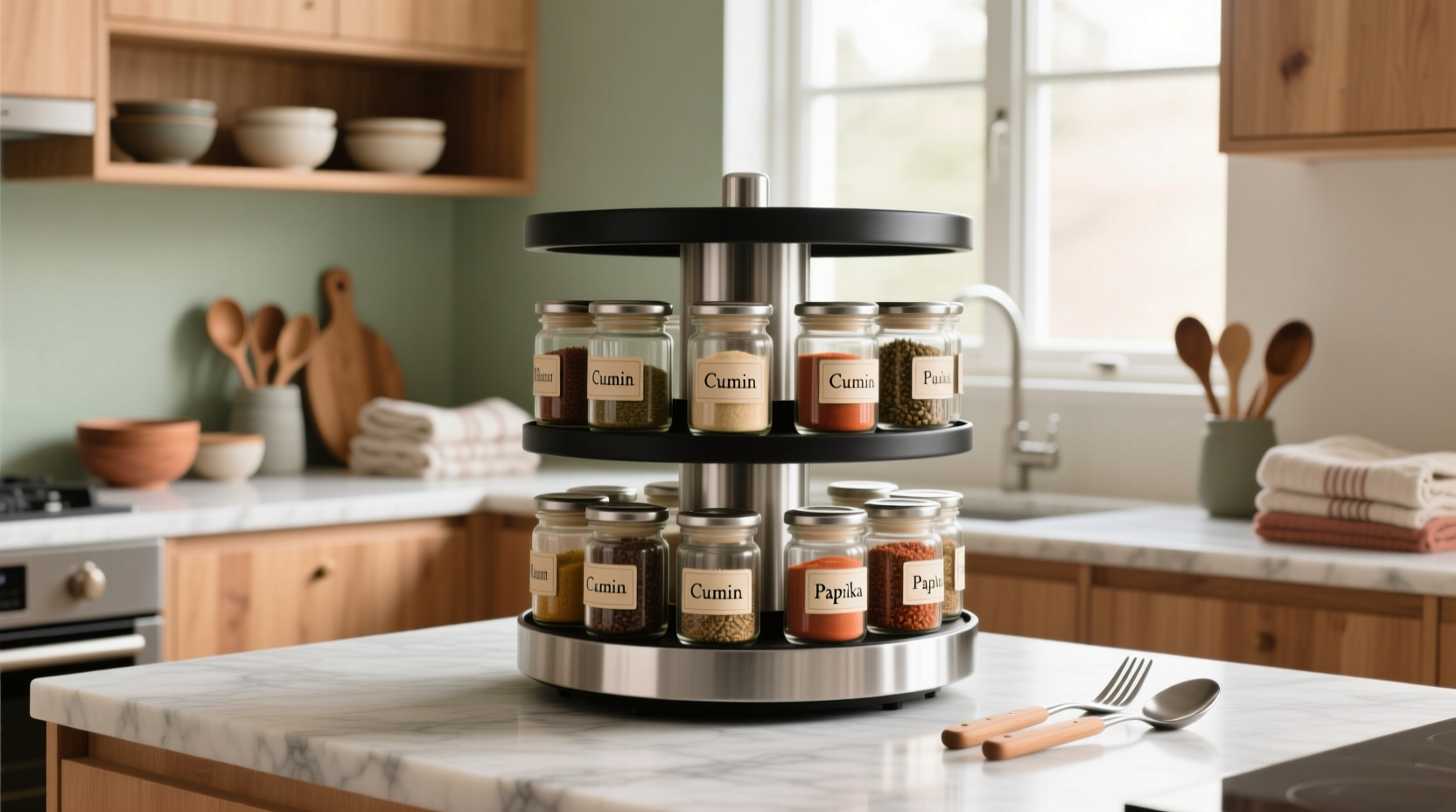
A spice carousel is a circular, rotating storage unit—typically made of plastic, metal, or wood—designed to hold spice jars within a confined space, usually inside a cabinet or on a countertop. Its primary function is visibility and access: by turning the unit, users can browse all contents without reaching behind bottles or opening multiple drawers. While commonly associated with convenience, its true value emerges when paired with intentional organization, proper labeling, and thoughtful maintenance.
Originally inspired by restaurant pantry systems, the home spice carousel mimics the efficiency of mise en place, where ingredients are prepped and positioned for immediate use. In professional kitchens, speed and accuracy are non-negotiable; the same principles apply at home, especially during weeknight cooking or complex meal prep. A well-managed carousel reduces decision fatigue, minimizes cross-contamination, and preserves spice potency—all critical for consistent results.
Why Spice Organization Matters Beyond Aesthetics
Spices degrade. Exposure to light, heat, moisture, and oxygen diminishes volatile oils responsible for aroma and flavor. Ground spices typically retain peak quality for 6–12 months; whole spices last up to 2–4 years. A disorganized carousel often leads to forgotten bottles, duplicated purchases, and inconsistent seasoning—costing time, money, and taste.
Beyond shelf life, cognitive load plays a role. Studies in environmental psychology show that visual clutter increases stress and reduces focus. A chaotic spice setup forces constant searching, breaking flow during cooking. Conversely, a streamlined system supports mindfulness and precision. The goal isn’t perfection—it’s functionality. Every second saved locating sumac or verifying freshness adds up over hundreds of meals.
Key Characteristics of an Effective Spice Carousel System
- Accessibility: All spices visible and reachable without removing others.
- Visibility: Labels face outward and are legible under typical lighting.
- Capacity: Fits current collection without overcrowding; allows room for growth.
- Stability: Rotates smoothly without wobbling or spilling contents.
- Material Quality: UV-resistant or opaque materials to block light; BPA-free plastics if applicable.
- Labeling Standardization: Uniform font, size, and information (name, purchase date, expiration).
- Zoning: Spices grouped by cuisine, frequency of use, or category (e.g., herbs vs. spices).
Pro Tip: Measure your cabinet interior before purchasing. Many carousels exceed standard 12” x 12” drawer dimensions, leading to tight fits or inability to close doors. Allow at least ½ inch clearance on all sides.
10 Smart Spice Carousel Tips for Lasting Organization
1. Audit Your Spice Collection Before Loading
Begin with a complete inventory. Remove every spice from your current storage and inspect each jar. Discard any that are clumped, discolored, or lack aroma when rubbed between fingers. Most ground spices lose potency after one year; whole spices after three. Label questionable jars “test” and evaluate in a simple broth or rice dish. If they contribute little flavor, compost them.
This audit prevents transferring clutter into a new system. It also reveals usage patterns: you may own five chili powders but use only two regularly. Consolidate duplicates and donate unopened, high-quality extras to food pantries or community kitchens.
2. Standardize Jar Size and Shape
Mismatched containers—glass, plastic, tall, short—create visual noise and inefficient space use. Invest in uniform, airtight spice jars sized to fit your carousel’s shelves. Square or rectangular jars maximize cubic space better than round ones, reducing wasted gaps.
Opt for 4 oz (120 ml) or 6 oz (180 ml) capacities—large enough for frequent-use spices, small enough to encourage turnover. Include child-resistant lids if safety is a concern, but ensure they remain easy to open with one hand during cooking.
3. Implement a Logical Sorting System
Alphabetical order seems logical but isn’t always practical. Instead, group spices by culinary function or cuisine:
- Frequency of Use: Front-center positions for salt, pepper, garlic powder, cumin, paprika.
- Cuisine Type: Mediterranean (oregano, rosemary, thyme), Indian (turmeric, garam masala, cardamom), Mexican (chili powder, cumin, coriander).
- Flavor Profile: Sweet (cinnamon, nutmeg), earthy (cumin, coriander), pungent (mustard, fenugreek).
Place most-used spices in the top tier, within easy reach. Reserve lower levels for infrequently used items like asafoetida or saffron.
4. Use High-Contrast, Waterproof Labels
Fade-prone handwritten labels defeat the purpose of organization. Print or write labels using bold, sans-serif fonts (e.g., Arial, Helvetica) on white or light backgrounds for maximum readability. Include:
- Spice name (in English and optionally botanical name)
- Purchase date
- Recommended expiration date
Laminate labels or use waterproof sticker paper. Alternatively, insert printed slips into clear label sleeves. Replace labels immediately if smudged or peeling.
5. Store Whole Spices When Possible
Pre-ground spices oxidize faster. For optimal freshness, buy whole spices (cumin seeds, peppercorns, cinnamon sticks) and grind them as needed using a dedicated electric or manual grinder. Store whole forms in the carousel if space allows, or keep them in a separate dark cupboard, transferring small batches to the carousel weekly.
If grinding isn’t feasible, prioritize buying smaller quantities of ground spices more frequently. Never refill old jars—clean them thoroughly before reuse to prevent mold or residue buildup.
6. Control Light and Heat Exposure
UV light degrades curcumin in turmeric, eugenol in cloves, and other essential compounds. Avoid placing the carousel near stovetops, ovens, or windows. Choose units with opaque enclosures or install cabinet door liners to block ambient light.
If using a glass-door cabinet, consider removable fabric covers or adhesive film that blocks UV rays while maintaining visibility.
“Light is the silent killer of spice quality. I’ve tested paprika stored in clear jars on a sunny counter versus the same spice in a closed carousel: after six weeks, the exposed sample lost 60% of its color and nearly half its volatile oils.”
— Chef Lena Torres, Culinary Science Instructor, Institute of Food Arts
7. Rotate Stock Using FIFO Method
FIFO—First In, First Out—is a professional kitchen standard. When adding new spices, place older bottles in front of newer ones, even if it means temporarily removing the carousel. This ensures older stock is used first, minimizing waste.
Mark new additions with a temporary tag (e.g., “NEW – add behind”) until integrated. Review rotation quarterly, especially after bulk purchases or gift receipts.
8. Limit Capacity to Prevent Overcrowding
A full carousel is a dysfunctional one. Overfilling impedes rotation, obscures labels, and increases spill risk. Aim to use only 70–80% of available space. If your collection exceeds capacity, store backups in a secondary, labeled container elsewhere—ideally in a cool, dark pantry.
Consider a “core 20” rule: identify the 20 spices you use in 80% of your cooking. Prioritize these in the carousel. Less common spices can be stored alphabetically in a drawer with a printed index sheet.
9. Clean the Carousel Regularly
Spice dust accumulates rapidly, especially with fine powders like onion or garlic. Monthly cleaning prevents cross-contamination and mechanical issues. Remove all jars and wipe shelves with a damp microfiber cloth. Dry completely before reloading.
Check for jammed bearings or sticky bases. Lubricate pivot points sparingly with food-safe silicone grease if rotation becomes stiff. Avoid oil-based lubricants—they attract dust.
10. Integrate with Your Workflow
The best system supports how you cook. If you roast vegetables nightly with the same blend, position those spices together in a cluster. If you batch-prep marinades on Sundays, group Asian aromatics (five-spice, ginger, white pepper) for quick access.
Some chefs use color-coded rings or dots to denote spice families: red for chilies, green for herbs, yellow for roots. This visual cue speeds identification, especially in low light.
Workflow Hack: Keep a small tray beside your carousel for jars you’re actively using. Return them after cooking—don’t put them back mid-task, which interrupts flow.
Variants & Types of Spice Carousels
Not all carousels are created equal. Choosing the right type depends on space, collection size, and usage habits.
| Type | Best For | Pros | Cons |
|---|---|---|---|
| Double-Tier Rotating | Medium to large collections (15–30 jars) | Maximizes vertical space; smooth rotation | Bulkier; requires deep cabinet |
| Compact Single-Level | Small kitchens or minimalists (8–12 jars) | Space-efficient; easy to clean | Limited capacity; frequent refills |
| Wall-Mounted Turntable | Countertop or wall use | Accessible; saves drawer space | Exposed to light; less stable |
| Drawer Insert Carousel | Deep drawers needing internal organization | Integrated look; slides out fully | Installation required; fixed size |
| Modular Stackable | Customizable setups | Expandable; mix jar sizes | Can become unstable if overstacked |
Comparison with Alternative Spice Storage Systems
While carousels excel in accessibility, other methods have niche advantages.
| System | Accessibility | Shelf Life Protection | Best Use Case |
|---|---|---|---|
| Spice Carousel | High (360° access) | Moderate (if shielded from light) | Daily cooking with moderate variety |
| Flat Drawer with Dividers | Medium (requires pulling out) | High (closed, dark environment) | Large collections; infrequent access |
| Magnetic Wall Tins | Very High (visible, reachable) | Low (exposed to light/heat) | Small, frequently used set; modern kitchens |
| Stacked Shelf Racks | Low (back rows hidden) | High (enclosed) | Bulk storage; backup supplies |
Practical Tips & FAQs
How often should I clean my spice carousel?
Perform a full clean every month. Wipe down exterior surfaces weekly, especially after dusty spices like garlic powder or flour-based blends.
Can I store salt in the carousel?
Yes, but use a moisture-resistant container. Salt attracts humidity and can clump or corrode metal parts. Consider a separate ceramic salt keeper for table use.
What’s the ideal number of spices for a carousel?
Between 12 and 24. Fewer than 12 wastes space; more than 24 risks overcrowding. Focus on utility, not quantity.
Are glass jars better than plastic for spice storage?
Glass is superior: non-porous, impermeable, and UV-stable. Plastic can leach chemicals over time and is more prone to staining. If using plastic, choose PET or HDPE with UV inhibitors.
How do I know when a spice has gone bad?
Perform the rub-and-sniff test. Rub a pinch between palms and inhale. If the aroma is weak or musty, discard it. Visually, spices should be vibrant—dull or grayish hues indicate oxidation.
Can I use a spice carousel for tea or supplements?
Technically yes, but avoid cross-use. Tea leaves retain odors and may transfer flavors. Dedicate separate organizers for non-culinary items.
Summary & Key Takeaways
A well-organized spice carousel does more than tidy a cabinet—it transforms the cooking experience. By reducing friction, preserving flavor, and supporting intentionality, it becomes an active tool in culinary success. The ten strategies outlined here—auditing inventory, standardizing containers, optimizing layout, protecting from light, and maintaining hygiene—are not one-time fixes but ongoing practices.
Remember: organization is personal. What works for a chef with 50 spices may overwhelm a home cook using 15 regularly. Start small. Implement one tip per week. Refine based on what improves your actual cooking rhythm.
In the end, a calm kitchen isn’t achieved through perfection, but through systems that serve you. Let your spice carousel be one of them—one rotation at a time.
Call to Action: This weekend, empty your spice carousel (or drawer) and apply the audit tip. You’ll likely remove 20% of what’s there—and gain clarity, space, and better flavor in return.




 浙公网安备
33010002000092号
浙公网安备
33010002000092号 浙B2-20120091-4
Comments
No comments yet. Why don't you start the discussion?