
When shopping for jewelry or luxury accessories, one of the most common decisions consumers face is whether to choose standard gold-plated items or invest in pieces with 18k gold electroplating. The price difference can be significant, but so are the claims about longevity and quality. Is the higher cost truly justified, or is it just marketing hype? Understanding the technical differences, real-world performance, and long-term value can help you make a smarter, more informed decision.
Understanding the Basics: What’s the Difference?
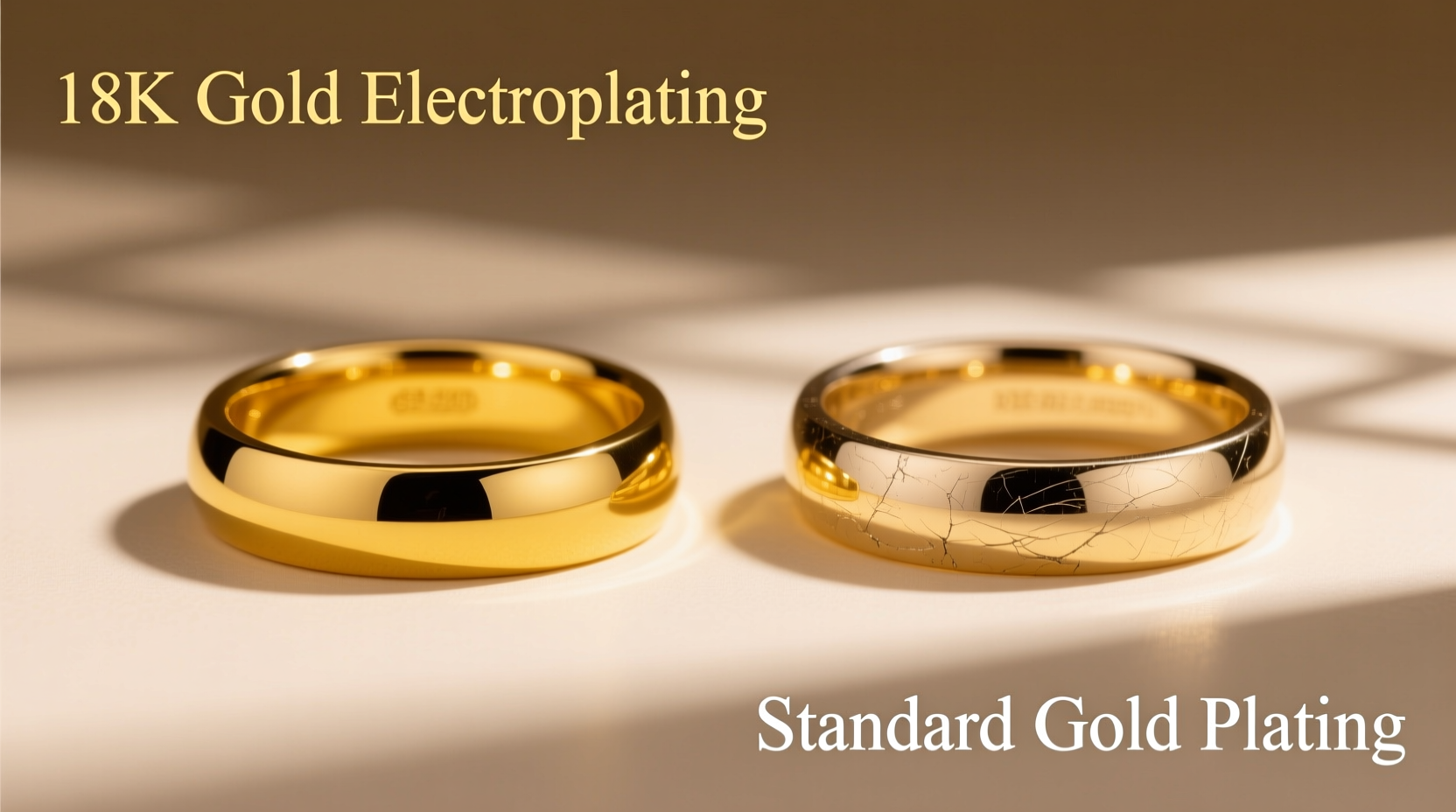
At first glance, both \"gold plating\" and \"18k gold electroplating\" involve applying a layer of gold over a base metal—typically brass, copper, or stainless steel. However, the methods and materials used differ significantly.
Standard gold plating usually refers to a thin layer of gold applied through electrochemical deposition. The gold used may range from 10k to 14k, and the thickness is often minimal—sometimes as little as 0.17 microns. This process is cost-effective but produces a finish that wears off relatively quickly, especially with daily wear.
In contrast, 18k gold electroplating uses a higher purity gold (75% pure gold, alloyed with silver and copper) and is typically applied in thicker layers—often between 1 to 2.5 microns. The term \"electroplating\" technically applies to both processes, but when brands specify \"18k gold electroplating,\" they’re signaling both superior material and more rigorous application standards.
Performance Comparison: Durability and Appearance Over Time
The true test of any plating method isn’t how it looks on day one, but how it holds up after months of regular use. To compare performance, consider three key factors: scratch resistance, tarnish protection, and color retention.
| Feature | Standard Gold Plating | 18k Gold Electroplating |
|---|---|---|
| Average Thickness | 0.17–0.5 microns | 1–2.5+ microns |
| Gold Purity | 10k–14k | 18k (75% gold) |
| Lifespan (with daily wear) | 6–12 months | 2–5 years |
| Tarnish Resistance | Moderate; prone to oxidation | High; slower discoloration |
| Color Richness | Lighter, sometimes brassy tone | Deeper, richer gold hue |
Because 18k electroplated coatings are thicker and purer, they resist chipping and fading far better. They also maintain a warmer, more authentic gold appearance compared to lower-karat platings, which can appear dull or yellowish over time.
“Electroplating with 18k gold isn’t just about prestige—it’s an investment in longevity. A well-executed 2-micron coating can outlast standard plating by a factor of three.” — Daniel Ruiz, Jewelry Manufacturing Consultant
Real-World Example: Two Necklaces, One Year Later
Consider two customers who each purchased a minimalist gold pendant necklace—one opted for a standard gold-plated version ($45), the other chose an 18k gold electroplated model ($120). Both wore their necklaces daily, exposing them to sweat, lotions, and occasional water contact.
After six months, the gold-plated piece began showing signs of wear: faint scratches near the clasp and a noticeable fade around the edges. By month ten, the base metal was visibly exposed in spots, giving the chain a patchy look. The owner stopped wearing it regularly.
The 18k electroplated necklace, however, retained its luster. After one year, it required only a gentle polish with a microfiber cloth to restore its original shine. No flaking or discoloration occurred. While not indestructible, it clearly delivered longer-lasting value despite the higher initial cost.
How to Maximize the Lifespan of Any Gold-Plated Jewelry
No plating lasts forever, but proper care can dramatically extend its life—especially for premium finishes like 18k electroplating. Follow this checklist to protect your investment:
- Remove jewelry before swimming, showering, or exercising
- Apply perfumes, lotions, and hairsprays before putting on plated pieces
- Clean gently with a soft, dry cloth after each wear
- Store separately in anti-tarnish pouches or lined boxes
- Avoid abrasive surfaces and stacking with harder metals
Step-by-Step Guide: Caring for 18k Gold Electroplated Pieces
- After Wearing: Wipe the item with a lint-free cloth to remove oils and moisture.
- Weekly Maintenance: Use a slightly damp cloth if needed, then dry immediately.
- Monthly Check: Inspect for early signs of wear, especially on high-friction areas.
- Storage: Place in a soft pouch away from direct sunlight and humidity.
- Professional Touch-Up: Consider re-plating every 3–5 years if worn frequently.
Cost Analysis: Is the Premium Justified?
Let’s break down the numbers. Suppose a standard gold-plated ring costs $30 and lasts 8 months, while an 18k electroplated version costs $90 and lasts 4 years (48 months).
- Over four years, you’d need six standard-plated rings: 6 × $30 = $180
- One electroplated ring: $90
Even without factoring in improved aesthetics and reduced hassle, the higher-end option saves $90 over the same period. Add in the emotional value of owning a consistently beautiful piece, and the case for investing in 18k electroplating becomes stronger.
This doesn’t mean every purchase should be upgraded. For occasional-use items—like statement earrings for special events—standard plating may suffice. But for everyday staples such as wedding bands, watches, or favorite pendants, the long-term economy and elegance of 18k electroplating are hard to beat.
Frequently Asked Questions
Can you re-plate jewelry that has worn off?
Yes, most gold-plated and electroplated items can be professionally re-plated. Many jewelers offer this service for $20–$60, depending on complexity. It’s a cost-effective way to revive a beloved piece rather than replacing it.
Is 18k gold electroplating hypoallergenic?
While 18k gold itself is less likely to cause reactions, the underlying base metal can still trigger allergies if the plating wears through. For sensitive skin, consider items with a nickel-free base or opt for solid gold if budget allows.
Does 18k gold electroplating turn skin green?
Rarely, and only if the plating is extremely thin or damaged. High-quality 18k electroplating with sufficient thickness creates a barrier that prevents base metal contact with the skin. Proper care minimizes this risk entirely.
Final Verdict: When to Pay More—and When Not To
The extra cost of 18k gold electroplating is absolutely worth it if you're buying a piece you intend to wear regularly for years. The combination of richer color, enhanced durability, and lower lifetime cost makes it a smart financial and aesthetic choice. For items worn infrequently or purely for fashion statements, standard gold plating remains a practical, budget-friendly alternative.
The key is intentionality. Ask yourself: Will I wear this daily? Does it hold sentimental value? Is it a core part of my wardrobe? If the answer is yes, investing in 18k gold electroplating pays dividends in both appearance and longevity.




 浙公网安备
33010002000092号
浙公网安备
33010002000092号 浙B2-20120091-4
Comments
No comments yet. Why don't you start the discussion?