
In a world overflowing with choices, consumers no longer settle for products that excel in just one area. The most sought-after items today are those that seamlessly merge aesthetics, practicality, and cost-effectiveness. Whether it’s a kitchen gadget, a piece of furniture, or a smartwatch, the real winners in the marketplace are those that deliver on all three: style, function, and value. But what separates these standout products from the rest? It’s not just about looking good or working well—it’s about possessing certain core qualities that elevate them beyond mere utility into the realm of lasting satisfaction.
The most enduringly popular products aren’t necessarily the cheapest or the flashiest. They’re the ones that feel intentional—designed with purpose, built to last, and priced fairly. These products earn loyalty because they meet emotional, practical, and economic needs simultaneously. So, what are the key qualities that allow a product to achieve this rare balance?
Durable Design That Enhances Aesthetics
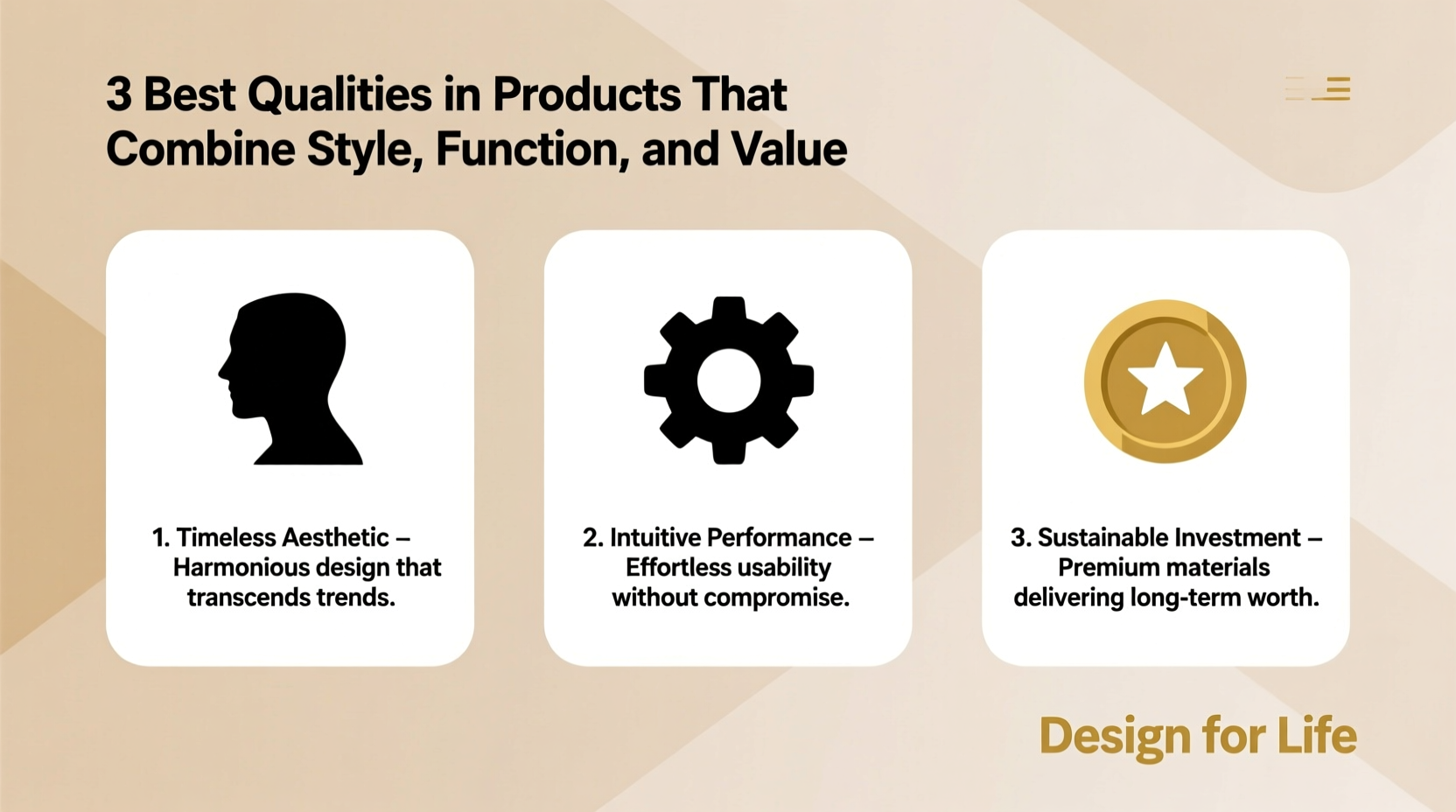
One of the defining traits of high-performing products is durable design—not as an afterthought, but as a central element of their appeal. Durability doesn’t have to mean bulky or industrial; in fact, the best examples integrate strength into elegance. Think of a Scandinavian wooden chair with clean lines and mortise-and-tenon joints, or a stainless steel water bottle with a matte finish and ergonomic shape. In both cases, durability isn’t hidden—it’s highlighted through thoughtful material choice and craftsmanship.
When materials are chosen for longevity first, and beauty second, the result often feels more authentic. Consumers increasingly recognize synthetic shortcuts—thin plastics, flimsy hinges, or faux finishes—and reject them. On the other hand, products made from solid wood, tempered glass, or aircraft-grade aluminum convey quality at a glance. This perception of integrity translates directly into perceived value.
Moreover, durable design reduces long-term costs. A well-made jacket may cost more upfront but lasts five times longer than a fast-fashion alternative. Over time, the cost per use drops significantly, making durability a cornerstone of true value.
Intuitive Functionality Without Compromising Form
A product can be beautiful, but if it’s difficult to use, it will eventually be discarded. Conversely, a highly functional item that looks out of place on a countertop or in a living room often gets tucked away. The sweet spot lies in intuitive functionality—design that works so naturally you don’t have to think about it.
Take the example of a standing desk with programmable height settings. Its motors operate quietly, the controls are within easy reach, and the surface remains uncluttered. The interface is minimal, yet effective. The desk adapts to the user, not the other way around. This kind of seamless interaction elevates the experience without sacrificing visual harmony.
Good functionality also anticipates real-life use. A backpack with hidden anti-theft pockets still maintains a sleek profile. A blender with preset programs avoids cluttering the base with confusing buttons. These details reflect deep user research and empathy—qualities that signal respect for the customer’s time and intelligence.
“Design is not just what it looks like. Design is how it works.” — Steve Jobs
When form follows function without overshadowing it, the product becomes both useful and desirable. This synergy is essential for achieving broad, lasting appeal.
Transparent Value Proposition
Value isn’t just about low price—it’s about fairness, clarity, and honesty in what you receive for what you pay. A product with strong value communicates exactly why it costs what it does. Brands that break down their pricing—showing material costs, labor, shipping, and markup—build trust. Consumers today want to know if they’re paying for quality or just marketing hype.
Consider direct-to-consumer mattress companies that publish detailed breakdowns of foam layers, certifications, and production costs. By doing so, they justify their pricing while empowering buyers to compare intelligently. This transparency transforms a commodity purchase into an informed decision.
| Factor | High-Value Approach | Low-Value Approach |
|---|---|---|
| Pricing | Clear cost breakdown | Vague “premium” branding |
| Materials | Sustainably sourced, named components | Generic terms like “high-quality plastic” |
| Lifespan | Warranty of 5+ years | No warranty or under 1 year |
| User Feedback | Integrated into redesigns | Ignored or dismissed |
Additionally, value includes post-purchase support. Products backed by excellent warranties, accessible customer service, and modular repair options extend their usable life and deepen customer loyalty. This holistic view of value reinforces the idea that a product isn’t just sold—it’s supported.
Real Example: The Rise of Allbirds
Allbirds, the footwear brand, exemplifies all three qualities. Their shoes use natural merino wool and eucalyptus fibers—materials that are soft, breathable, and sustainably harvested. This contributes to both comfort (function) and minimalist aesthetic (style). But what truly sets them apart is their commitment to transparency. Each shoe comes with a carbon footprint label, and their website details sourcing practices and manufacturing ethics.
Though priced above average sneakers, customers perceive them as valuable because they understand what they’re paying for. The durability of the materials means fewer replacements, and the timeless design ensures they remain fashionable season after season. In this case, style, function, and value aren’t balanced—they reinforce each other.
Actionable Checklist for Evaluating Products
Before making your next purchase, ask yourself the following questions to ensure you're choosing a product that delivers across all three dimensions:
- ✅ Does the product use high-quality, long-lasting materials?
- ✅ Is the design simple and visually appealing in my space?
- ✅ Can I operate it easily without reading a manual?
- ✅ Does the brand explain how it prices its products?
- ✅ Is there a warranty or repair program available?
- ✅ Have real users reported consistent satisfaction over time?
- ✅ Will this still look and work well in two years?
Frequently Asked Questions
Can a stylish product also be affordable?
Absolutely. Style doesn’t require luxury pricing. Many brands now offer thoughtfully designed products at mid-range prices by cutting retail markups and focusing on essentials. The key is prioritizing timeless design over trends, which allows lower-cost items to feel premium and last longer.
How do I know if a product is truly durable?
Look for specific material descriptions (e.g., “powder-coated steel” vs. “metal”), independent reviews mentioning long-term use, and warranty length. Products tested for stress, weather resistance, or cycle endurance (like opening/closing mechanisms thousands of times) are usually built to last.
Is value only about saving money?
No. Value includes time saved, stress reduced, enjoyment gained, and environmental impact minimized. A slightly more expensive blender that cleans itself in 30 seconds may save hours over its lifetime. True value considers total ownership experience, not just sticker price.
Making Smarter Choices Every Day
The most satisfying purchases aren’t always the most exciting at first glance. Often, they’re the quiet performers—the jacket that fits perfectly every time, the lamp that casts just the right glow, the tool that never fails when you need it. These products earn their place in our lives because they embody durability, usability, and fairness.
By focusing on these three core qualities, consumers can move beyond superficial appeal and build collections of belongings that serve them well for years. It’s not about buying less—it’s about buying better. And when style, function, and value align, the result isn’t just a product. It’s a solution.




 浙公网安备
33010002000092号
浙公网安备
33010002000092号 浙B2-20120091-4
Comments
No comments yet. Why don't you start the discussion?