
In a world where personalization dominates smartphone accessories, the debate between ornate design and functional minimalism has never been sharper. The 3D camellia iPhone case—featuring delicate, lifelike floral embellishments—has surged in popularity on social media, often praised for its aesthetic charm. Meanwhile, the plain silicone case remains a staple for millions who prioritize practicality over flair. But beneath the surface of this style showdown lies a deeper conversation about durability, usability, and long-term satisfaction. Is the floral hype genuinely transformative, or is simplicity still the smarter choice?
The Allure of the 3D Camellia Case
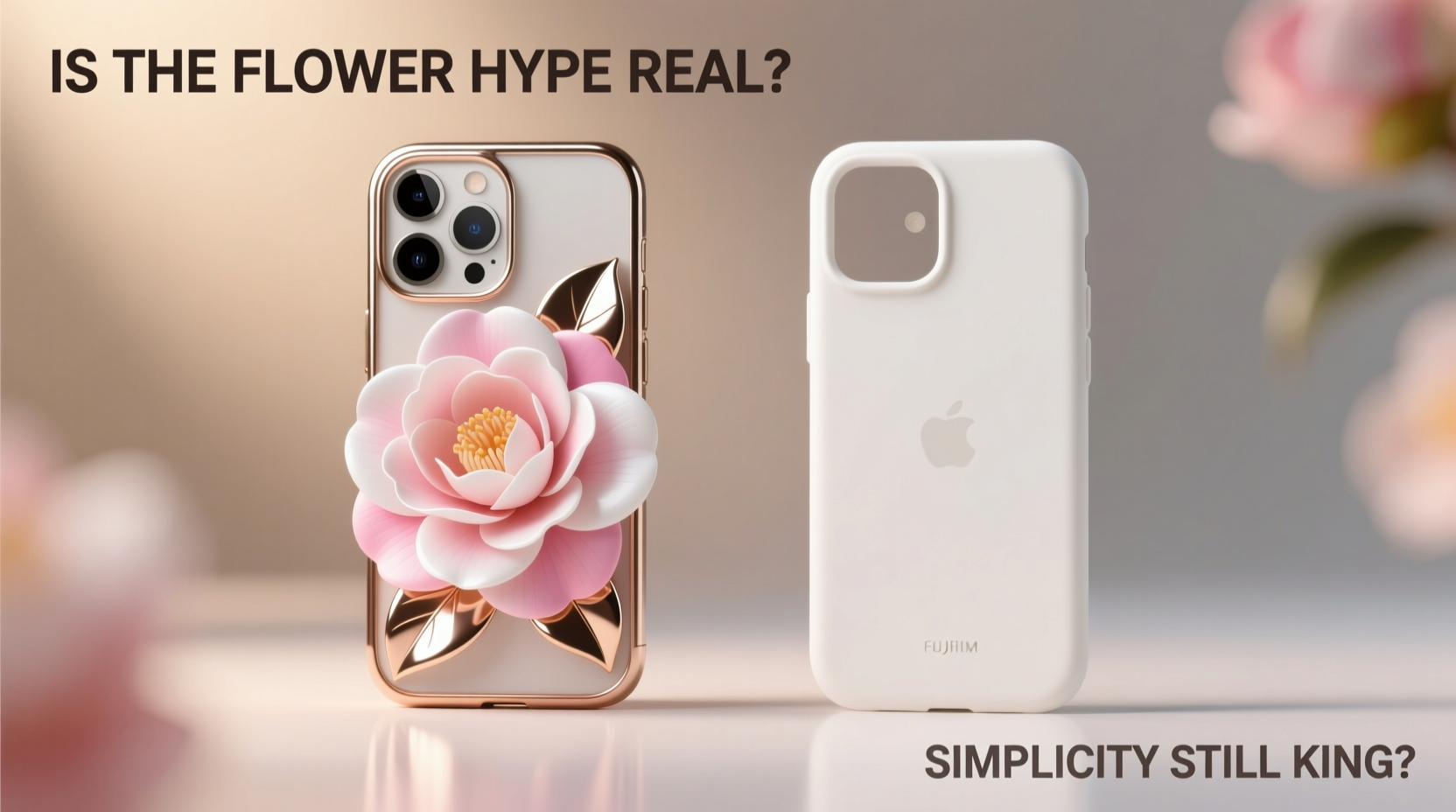
The 3D camellia iPhone case emerged from fashion-forward accessory brands aiming to blur the line between tech gear and wearable art. These cases typically feature a realistic silk or polymer camellia bloom attached to one corner, often handcrafted with layered petals and subtle gradients that mimic natural flowers. They’re marketed as statement pieces—ideal for Instagram aesthetics, gift-giving, or expressing individuality.
For many users, the appeal is emotional as much as visual. A floral accent can evoke elegance, nostalgia, or even seasonal joy. Some models incorporate magnetic backs compatible with car mounts or wallets, adding slight utility to their decorative role.
Durability Concerns with Decorative Elements
Despite their beauty, 3D elements introduce structural vulnerabilities. The camellia is usually affixed with adhesive or embedded into a molded housing, creating stress points. Over time, repeated drops or pressure can cause the flower to detach, crack, or lose color vibrancy. In humid environments, certain materials may degrade faster, especially if not sealed properly.
A mini case study illustrates this: Sarah, a graphic designer in Portland, purchased a camellia case for her iPhone 14. She loved the look and received frequent compliments during client meetings. However, after six weeks of daily use—tossing her phone into her tote alongside keys and makeup—the flower began to tilt sideways. By week ten, it had snapped off entirely. “It looked amazing for a month,” she said, “but now it’s just a weird stub on my phone.”
“Decorative phone cases can enhance personal expression, but they often trade longevity for novelty. Consumers should weigh emotional satisfaction against expected lifespan.” — Dana Reeves, Product Durability Analyst at MobileGear Review
The Enduring Strength of Plain Silicone
Plain silicone cases have remained a top seller since the early days of smartphones. Their success isn’t rooted in surprise or spectacle—it’s built on consistency. Made from flexible TPU or soft-touch silicone, these cases offer reliable shock absorption, precise cutouts for ports and cameras, and resistance to everyday wear.
Silicone grips well in hand, reducing slip risk, and is generally easier to clean than textured or glued-on designs. Most are available in a wide range of colors, allowing for subtle personalization without sacrificing function. Unlike rigid plastic or metal cases, silicone compresses slightly upon impact, helping absorb energy during falls from waist height—a common accident scenario.
Why Simplicity Appeals to Long-Term Users
Users who keep phones for two years or more tend to favor plain silicone. It maintains its appearance longer, resists yellowing (especially in higher-quality variants), and doesn’t attract lint or dust as aggressively as fabric-wrapped or sticky-surfaced alternatives. For parents, professionals, or active individuals, reliability trumps ornamentation.
Moreover, silicone cases are typically more affordable. While a premium 3D camellia case can cost $35–$50, a trusted silicone option from Apple, Spigen, or UAG ranges from $15–$25, offering better value over time.
Comparative Breakdown: Key Factors
| Feature | 3D Camellia Case | Plain Silicone Case |
|---|---|---|
| Drop Protection | Moderate (weak point at flower base) | High (even shock distribution) |
| Lifespan | 3–6 months (with regular use) | 12–24 months |
| Style Impact | High (unique, eye-catching) | Low to Moderate (clean, understated) |
| Cleaning Ease | Difficult (flower traps debris) | Easy (wipeable surface) |
| Price Range | $25–$50 | $10–$25 |
| Compatibility with Accessories | Limited (flower may interfere with mounts) | Full (standard shape) |
When the Flower Hype Makes Sense
The 3D camellia case isn’t inherently flawed—it simply serves a different user profile. It shines in specific scenarios:
- As a limited-time accessory for special occasions or seasons (e.g., spring weddings, photo shoots).
- For users who change phones or cases frequently and prioritize aesthetics over endurance.
- As a thoughtful gift where presentation and sentiment matter more than utility.
- For influencers or creatives building a cohesive visual brand across social platforms.
If you fall into one of these categories, the camellia case can be a worthwhile indulgence. Just go in with realistic expectations: treat it like a seasonal fashion item, not a long-term protector.
Step-by-Step: Choosing the Right Case for Your Lifestyle
- Assess your daily routine. Do you carry your phone in a bag with loose items, or keep it in a dedicated pouch?
- Evaluate drop risk. Are you prone to setting your phone near sinks, stairs, or uneven surfaces?
- Consider your attachment to aesthetics. Would you miss a decorative touch, or do you prefer a clutter-free look?
- Think about phone longevity. Do you upgrade annually, or keep devices for two-plus years? <5> Test grip and pocket fit. Bulky decorations can make pockets uncomfortable or increase snag risk.
- Budget for replacement. If you lean toward trendy options, allocate funds for more frequent swaps.
FAQ
Can I repair a broken 3D flower on my iPhone case?
Minor breaks may be fixable with strong craft glue like E6000, but alignment and finish rarely match the original. Most users find replacement more practical than repair.
Do plain silicone cases yellow over time?
Lower-quality silicone can yellow due to UV exposure and skin oils. Opt for brands that use anti-yellowing coatings or matte finishes to prolong clarity.
Are 3D camellia cases compatible with wireless charging?
Yes, most are designed to work with Qi charging. However, ensure the flower isn’t thick enough to create distance that reduces charging efficiency.
Final Verdict: Hype vs. Longevity
The 3D camellia iPhone case is undeniably charming. It represents a growing trend where technology meets personal storytelling—where a phone becomes an extension of mood, memory, or moment. But charm fades faster than silicone. For those seeking dependable protection, ease of maintenance, and cost efficiency, the plain silicone case remains unmatched.
Ultimately, the choice isn’t about which is objectively better—it’s about aligning your accessory with your lifestyle. If you value lasting function and quiet reliability, simplicity reigns supreme. If you enjoy rotating styles and savor visual delight, the floral trend offers a brief but beautiful interlude.
“Your phone case should reflect how you live, not just how you want to appear.” — Marcus Lin, Tech Lifestyle Editor at UrbanGadget




 浙公网安备
33010002000092号
浙公网安备
33010002000092号 浙B2-20120091-4
Comments
No comments yet. Why don't you start the discussion?