
For fans of the King of the Monsters, collecting Godzilla memorabilia isn’t just about fandom—it’s about personal expression, craftsmanship appreciation, and long-term value. As pop culture continues to blend digital creation with tactile nostalgia, two standout collectibles have emerged: 3D printed Godzilla models and classic Godzilla plush toys. While both celebrate the same legendary creature, they cater to vastly different collector mindsets. Choosing between them isn't just about preference—it's about understanding what \"cool\" means in your collection.
The Rise of 3D Printed Collectibles
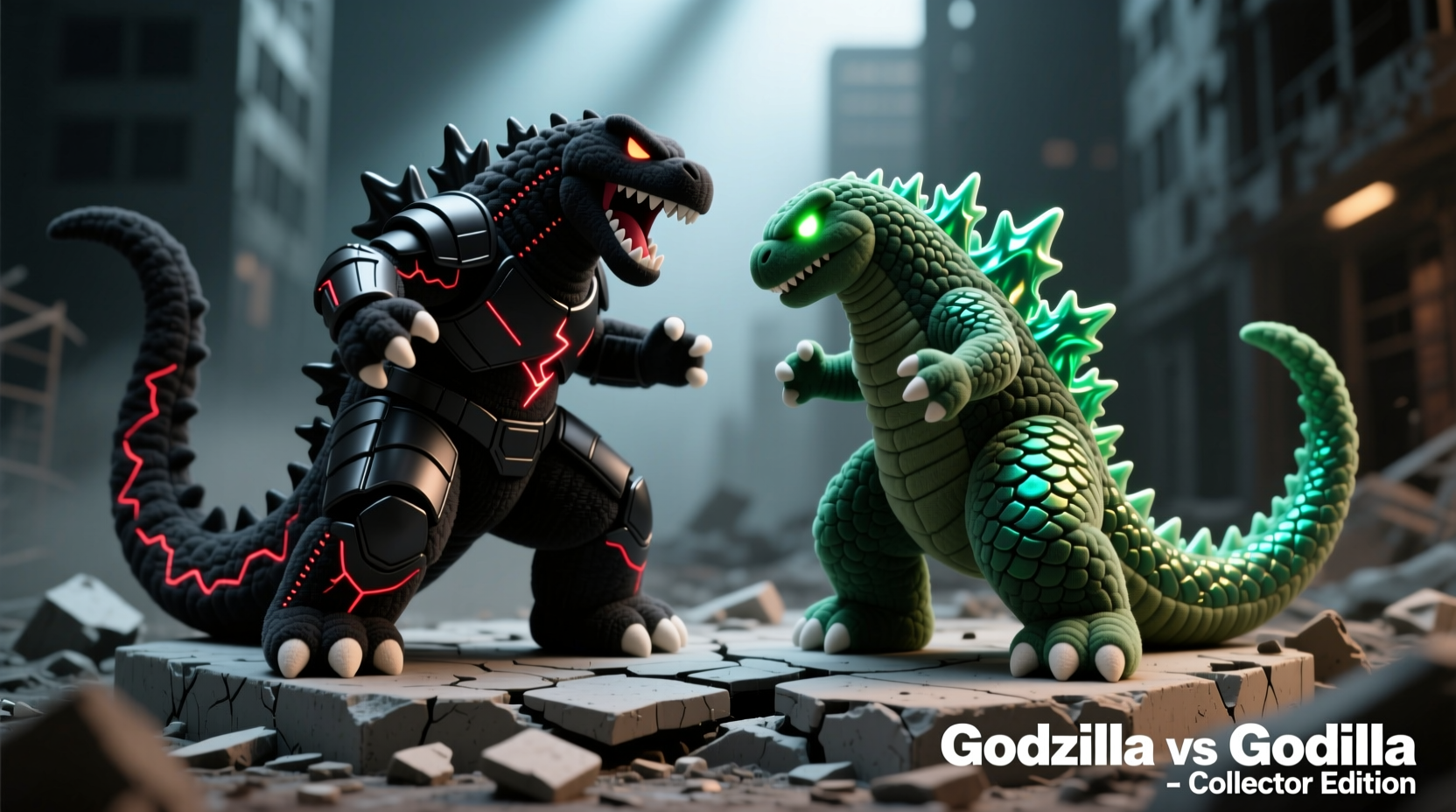
3D printing has revolutionized how fans engage with their favorite characters. No longer limited to mass-produced figures from big studios, collectors can now access highly detailed, customizable, and often limited-run Godzilla models created by independent artists and designers. These prints range from miniature desk ornaments to large-scale dioramas, each offering intricate textures, poseable parts, and even glow-in-the-dark or multi-material finishes.
What sets 3D printed Godzillas apart is precision. Using high-resolution scans or original CAD designs, creators capture every ridge on the dorsal plates, the snarl of the jaws, and the texture of atomic breath. Some models are even designed to be assembled like puzzles, adding an interactive layer to ownership.
The Enduring Charm of Plush Toys
On the other side of the spectrum lies the beloved Godzilla plush—a soft, huggable representation of a creature known for destruction. At first glance, this contrast might seem ironic, but that’s precisely what makes plush versions so appealing. They humanize the monster, turning fear into affection. From official Sanrio collaborations to indie kawaii-styled creations, plush Godzillas bring humor, warmth, and whimsy to any shelf.
These toys aren’t just for kids. Adult collectors prize rare editions—like the elusive “Godzooky” from the 1978 animated series or limited-edition artist plushes sold at conventions. Their value often grows over time due to scarcity and emotional resonance. A well-preserved vintage plush can fetch hundreds at auction.
“Plush toys represent the softer side of fandom—the joy of loving something fierce enough to destroy cities, yet cute enough to sleep with.” — Lena Tran, Toy Culture Historian
Comparing Key Collection Factors
To determine which option is “cooler” for your collection, consider these five criteria:
| Factor | 3D Printed Model | Godzilla Plush |
|---|---|---|
| Detail & Realism | High—scales, musculature, dynamic poses | Low to moderate—stylized, simplified features |
| Rarity | Often limited; depends on designer | Vintage or convention exclusives highly rare |
| Durability | Fragile (resin/plastic); sensitive to UV/sunlight | Soft fabric; wear over time but repairable |
| Display Impact | Striking, museum-like presence | Playful, nostalgic, conversation-starting |
| Customization | High—color, size, pose, lighting mods | Very low—mostly pre-designed |
| Collector Community | Growing, tech-savvy niche | Established, global fanbase |
When 3D Printing Is the Cooler Choice
If your collection leans toward realism, engineering, or cinematic homage, 3D printed Godzillas offer unmatched depth. Consider this scenario:
Mini Case Study: The Home Theater Display
Mark, a film enthusiast and model builder, wanted to create a tribute to the 2014 Gareth Edwards *Godzilla* film. He sourced a 1:50 scale 3D model of the MUTO-fighting scene, printed it in gray resin, and hand-painted each figure with weathering effects. Mounted on a custom base with LED fog simulation, the piece became the centerpiece of his home theater room. Guests consistently comment on its lifelike detail and dramatic presentation.
This kind of customization and visual storytelling is nearly impossible with plush toys. For collectors who value technical mastery and narrative displays, 3D printing delivers a level of immersion plush simply can’t match.
When Plush Reigns Supreme
Conversely, plush Godzilla wins when comfort, nostalgia, or irony define your aesthetic. Imagine a minimalist workspace where a tiny, smiling Godzilla plush sits beside your monitor—its absurdity lightens the mood while signaling your geek pride subtly.
Some plush versions also carry cultural weight. The 1990s Bandai kaiju plush line, for instance, is now sought after not just for its cuteness but as a symbol of Japan’s post-bubble era toy innovation. Owning one connects you to a specific moment in pop history.
- Best for: Emotional connection, gifting, family-friendly decor
- Ideal if: You enjoy anthropomorphism or kawaii aesthetics
- Watch for: Limited releases at events like Comic-Con or Anime Expo
Step-by-Step: How to Choose What’s Cooler for Your Collection
- Define your collection theme: Is it cinematic accuracy, childhood nostalgia, or artistic interpretation?
- Assess your display space: Do you have a glass case for fragile prints, or a cozy shelf for soft toys?
- Set a budget: High-end resin prints can cost $100+, while most plushes range from $20–$60 (except rare finds).
- Research availability: Check platforms like MyMiniFactory, Etsy, or Mandarake for current listings.
- Engage the community: Join Reddit’s r/kaiju or Facebook groups to see real-world examples and get feedback.
- Make your pick—or own both: Many serious collectors blend mediums for maximum impact.
Checklist: Evaluating Your Next Godzilla Addition
- ✅ Does it align with my overall collection vibe?
- ✅ Is it from a reputable creator or licensed brand?
- ✅ Can I properly store or display it long-term?
- ✅ Does it have potential resale or sentimental value?
- ✅ Will I actually enjoy looking at it daily?
Frequently Asked Questions
Can 3D printed models be repaired if broken?
Yes, depending on the material. PLA and resin pieces can often be glued with cyanoacrylate (super glue) and touched up with paint. Larger breaks may require gap-filling putty or reprinting the part.
Are plush toys a good investment?
Only select ones. Vintage, sealed, or artist-exclusive plushes appreciate over time. Mass-market versions rarely increase in value unless tied to a major film release or anniversary.
Is it weird to collect both?
Not at all. Many top collectors mix media to show range. A towering 3D-printed Heisei Godzilla next to a chibi plush creates contrast and tells a broader story of fandom evolution.
Conclusion: Coolness Is in the Eye of the Collector
So, which is cooler—3D printed Godzilla or Godzilla plush? The answer depends entirely on what you value. If you're drawn to precision, modern tech, and hyper-realism, 3D printing offers a future-forward edge. If you cherish nostalgia, tactile comfort, and playful design, plush remains timeless.
Ultimately, the coolest piece in any collection isn’t determined by medium, but by meaning. Whether it’s a hand-painted resin beast glowing under display lights or a worn-out plush that’s been on your bed since 1998, the true value lies in the story it tells.




 浙公网安备
33010002000092号
浙公网安备
33010002000092号 浙B2-20120091-4
Comments
No comments yet. Why don't you start the discussion?