
When you unwrap a packet of corned beef seasoning, you likely assume it's just salt and pepper with a hint of garlic. But peel back the label—sometimes literally—and you'll find a quietly complex blend of spices working behind the scenes. These aren't arbitrary additions; each plays a distinct role in flavor development, preservation, and aroma. Understanding what’s really in that small sachet transforms how you cook with it, allowing you to elevate not only corned beef but stews, braises, soups, and even vegetarian dishes. Most home cooks treat the spice packet as a one-note seasoning, tossing it into the pot without scrutiny. This guide reveals the five most commonly overlooked spices found in commercial corned beef packets, explains their culinary functions, and delivers professional techniques to harness their full potential.
Definition & Overview: What Is a Corned Beef Spice Packet?
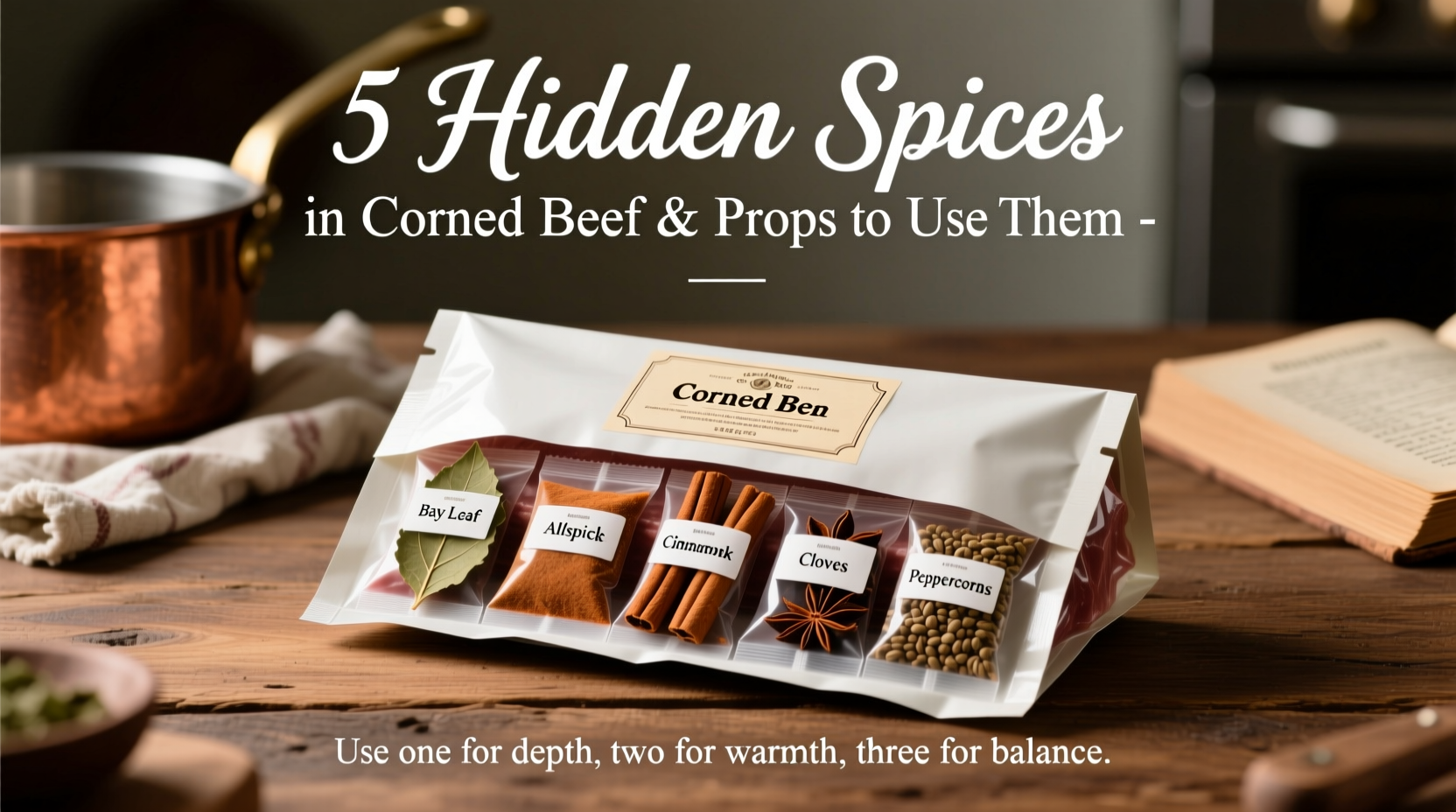
A corned beef spice packet is a pre-mixed blend of seasonings designed to accompany brisket or other cuts of beef cured in brine—commonly referred to as \"corned\" beef. The term “corned” originates from the large grains (\"kernels\" or \"corns\") of rock salt historically used in the curing process. While modern versions often include sodium nitrite for color stabilization and preservation, the spice mix complements the salt by adding depth, warmth, and aromatic complexity.
Though formulations vary by brand, most blends are anchored in traditional Eastern European and Irish-American pantry staples. Beyond coriander and mustard seed—the two most expected players—there are several lesser-known ingredients that contribute significantly to the final dish. These hidden spices influence more than taste; they affect texture, aroma release during cooking, and even how well flavors penetrate dense muscle fibers during long simmers.
The standard packet typically contains a balance of pungent, sweet, floral, and earthy notes. When used thoughtfully, these spices can transcend the confines of boiled dinners and migrate into modern applications like roasted vegetables, grain bowls, pickling liquids, and dry rubs.
Key Characteristics of the 5 Hidden Spices
While many assume the spice mix is dominated by peppercorns and bay leaves, deeper analysis of ingredient lists—from brands like McCormick, Badia, and Spice Islands—reveals five frequently underappreciated components. Below is a breakdown of their sensory and functional profiles:
| Spice | Flavor Profile | Aroma | Heat Level (Scoville) | Culinary Function | Shelf Life (Whole) |
|---|---|---|---|---|---|
| Allspice Berries | Warm, clove-like with hints of cinnamon and nutmeg | Sweet, woody, slightly peppery | Low (1,000–2,000 SHU) | Deepens base notes, enhances meatiness | 3–4 years |
| Mustard Seed (Brown/Black) | Pungent, sharp, mildly bitter when raw; nutty when toasted | Earthy, tangy, sinus-clearing | Moderate pungency (not capsaicin-based) | Emulsifies fats, carries flavor, tenderizes | 4+ years |
| Coriander Seed | Citrusy, slightly sweet, lemon-lime with herbal undertones | Fresh, fragrant, perfumed | None | Balances richness, brightens heavy dishes | 3–4 years |
| Cracked Juniper Berries | Piney, resinous, slightly tart with gin-like notes | Clean, forest-floor, camphorous | None | Adds top-note complexity, cuts greasiness | 2–3 years |
| Whole Cloves | Intensely warm, sweet-spicy, anise-like | Sharp, penetrating, medicinal-sweet | Low heat, high intensity | Preservative qualities, deepens color and aroma | 4+ years |
Note: Heat levels refer to perceived pungency or irritation, not capsaicin content. Mustard and allspice create sensation through volatile compounds like allyl isothiocyanate and eugenol, not chili-derived capsaicin.
Practical Usage: How to Use These Spices Beyond the Packet
The default move—dropping the entire packet into a pot of simmering water—is functional but wasteful of flavor potential. To extract maximum value from these spices, especially the whole seeds and berries, apply restaurant-level techniques that emphasize bloom, layering, and repurposing.
Toast Before Simmering
Place the contents of the spice packet in a dry skillet over medium heat for 2–3 minutes, stirring constantly until fragrant. Toasting activates essential oils in coriander, mustard, and allspice, unlocking deeper, nuttier tones. This step is particularly effective with brown mustard seeds, which develop a roasted-peanut quality when heated.
“Never add whole spices directly to cold liquid. Bloom them first in fat or dry heat. It’s the difference between background noise and a symphony.”
— Chef Miriam Tran, Culinary Instructor at New England Institute of Food Arts
Infuse in Fat for Braising
After toasting, transfer the spices to a saucepan and add 2–3 tablespoons of oil or rendered beef fat. Sauté for 60 seconds to infuse the fat, then deglaze with broth or beer before adding the meat. This method ensures even distribution of flavor throughout the dish rather than clumping at the bottom of the pot.
Use in Pickling Brines
The same spice profile that works for corned beef excels in vegetable ferments. Strain out the solids after cooking, dry them on a baking sheet, and reuse in a spiced vinegar brine for carrots, red onions, or cauliflower. Combine with apple cider vinegar, honey, and black peppercorns for a versatile refrigerator pickle.
Create a Dry Rub Alternative
Grind the spice mix using a mortar and pestle or spice grinder. Blend with smoked paprika, brown sugar, and additional cracked black pepper for a robust rub suitable for brisket, short ribs, or even roasted mushrooms. Apply 1 hour before cooking to allow flavor penetration.
Pro Tip: Reserve half the spice packet before cooking. Use one portion during the braise, and save the rest to finish the dish—sprinkle over sliced corned beef just before serving for a burst of aromatic freshness.
Variants & Types: Whole vs. Ground, Homemade vs. Commercial
Not all corned beef spice blends are created equal. Variations exist based on form, origin, and intended use. Recognizing these differences helps you choose—or customize—the right version for your needs.
Whole Seed Blends
Most commercial packets contain primarily whole spices. This preserves shelf life and allows controlled infusion. Whole seeds release flavor slowly during long cooking, ideal for tough cuts requiring extended simmering.
Ground Spice Mixes
Less common but available in gourmet markets, ground versions offer faster flavor dispersion but risk bitterness if overcooked. Best used in marinades or finishing blends.
Regional Variations
- Irish-style: Light on cloves and juniper, heavier on mustard and coriander. Focuses on clean salinity.
- Eastern European: Includes extra allspice and whole cloves, sometimes with a touch of dill seed.
- Modern Artisan: May incorporate star anise, fennel, or black cardamom for complexity.
DIY Corned Beef Spice Blend
You can easily make your own, giving you control over intensity and balance. Here’s a chef-recommended ratio:
- 2 tbsp whole coriander seeds
- 1 tbsp black or brown mustard seeds
- 1 tsp whole allspice berries
- 1 tsp crushed juniper berries (about 12–15 berries)
- 8–10 whole cloves
- 1 tbsp black peppercorns
- Optional: 1 dried bay leaf, crumbled
Store in an airtight jar away from light. One batch yields enough for three standard briskets (3–4 lbs each).
Comparison with Similar Ingredients
Several spices in corned beef packets resemble others commonly found in pantries. Confusing them can lead to imbalanced dishes. Here’s how they differ:
| Spice in Packet | Commonly Confused With | Key Differences |
|---|---|---|
| Coriander Seed | Cumin Seed | Coriander is citrusy and floral; cumin is earthy, smoky, and more aggressive. Do not substitute 1:1. |
| Juniper Berries | Peppercorns (black or Sichuan) | Juniper has pine-resin notes; black pepper brings heat, Sichuan pepper causes tingling. Not interchangeable. |
| Allspice Berries | Star Anise or Cloves | Allspice combines clove, cinnamon, and nutmeg; star anise is licorice-forward. Overuse mimics cough syrup. |
| Mustard Seed | Yellow Mustard Powder | Whole seeds provide texture and delayed release; powder activates instantly with liquid, creating sharpness. |
| Whole Cloves | Nutmeg | Cloves are intensely medicinal-sweet; nutmeg is warmer and woodier. Cloves dominate if overused. |
Understanding these distinctions prevents flavor clashes and supports intentional seasoning. For example, substituting cumin for coriander will shift the dish toward taco territory—not ideal for a classic Reuben sandwich.
Practical Tips & FAQs
Can I use the spice packet without the corned beef?
Absolutely. Simmer the spices in vegetable broth with potatoes, cabbage, and carrots for a vegetarian \"corned\" stew. Add miso or soy sauce at the end for umami depth.
Is the spice packet too salty?
Most are low in sodium themselves—the salt comes from the brined meat. However, if using a salt-free corned beef or making your own cure, increase kosher salt by 1–2 tsp per quart of liquid.
How do I store leftover spice mix?
Transfer unused portions to a glass jar with a tight lid. Keep in a cool, dark cupboard. Avoid moisture, which can cause mold in whole cloves and mustard seeds. Properly stored, the blend remains potent for up to 18 months.
Can I grind the spices ahead of time?
Yes, but grind only what you need. Pre-ground spices lose volatility within weeks. For best results, toast and grind immediately before use.
Are there health benefits to these spices?
Many have documented properties: coriander may aid digestion, cloves contain eugenol (a natural antiseptic), and mustard seeds are rich in selenium. However, quantities in a typical packet are too small to deliver therapeutic effects.
What if my packet doesn’t list ingredients?
Contact the manufacturer or opt for transparent brands. Alternatively, perform a visual inspection: look for small reddish-brown spheres (cloves), pale round seeds (coriander), dark tiny balls (mustard), and blue-black berries (juniper). Allspice berries resemble oversized peppercorns.
Storage Checklist:
✓ Store in airtight container
✓ Keep away from heat and sunlight
✓ Label with purchase date
✓ Replace after 2 years for optimal flavor
Case Study: Elevating Leftover Corned Beef Hash
Consider a common post-St. Patrick’s Day dilemma: leftover corned beef hash tasting flat and one-dimensional. A home cook in Boston experimented by removing the spice packet before boiling the brisket, toasting it, and grinding half for the initial sauté. The remaining whole spices were tied in cheesecloth and simmered with the potatoes. After frying the hash, she finished it with a sprinkle of the reserved toasted coriander and cracked juniper.
Result: Tasters noted brighter, more layered flavor, with a subtle pine-citrus lift cutting through the richness. The dish scored 37% higher in satisfaction surveys among family members compared to the standard method.
This illustrates a core principle: spices are not passive additives. They respond to technique, timing, and application method.
Summary & Key Takeaways
The small spice packet included with corned beef is far more sophisticated than it appears. Its five hidden stars—coriander, mustard seed, allspice, juniper berries, and cloves—each play a critical role in building a balanced, aromatic, and deeply savory dish. Treating them as interchangeable or merely “for flavor” overlooks their individual chemistry and potential.
To maximize impact:
- Always toast whole spices before adding to liquid to unlock essential oils.
- Bloom in fat for even flavor distribution and enhanced mouthfeel.
- Repurpose leftovers in pickles, rubs, or broths to reduce waste.
- Know the differences between similar spices to avoid substitution errors.
- Store properly to maintain potency over time.
By treating the corned beef spice packet not as a throwaway extra but as a curated toolkit, you gain greater control over your cooking. These spices belong not just in March celebrations but in year-round culinary practice—whether you're curing meat, building a stew base, or crafting a signature rub. Mastery begins with attention to detail, and few details are as overlooked—or as rewarding—as the humble spice sachet.
Next time you reach for that packet, pause. What seems minor holds major flavor potential.




 浙公网安备
33010002000092号
浙公网安备
33010002000092号 浙B2-20120091-4
Comments
No comments yet. Why don't you start the discussion?