
For those who chase depth, warmth, and complexity in their cooking, Thai galangal stands apart from the ordinary spice cabinet staples. Often mistaken for ginger, this rhizome is a cornerstone of Southeast Asian cuisine, delivering a crisp, citrusy heat with pine-like undertones that no substitute can truly replicate. While most home cooks use it sparingly in curries or soups, its potential extends far beyond traditional applications. Understanding how to harness galangal’s full spectrum—not just its flavor but its texture, aroma, and chemical behavior—can transform both familiar and experimental dishes. These five lesser-known techniques reveal how spice enthusiasts can unlock galangal’s hidden dimensions, turning a background note into a defining feature of modern, globally inspired cooking.
Definition & Overview
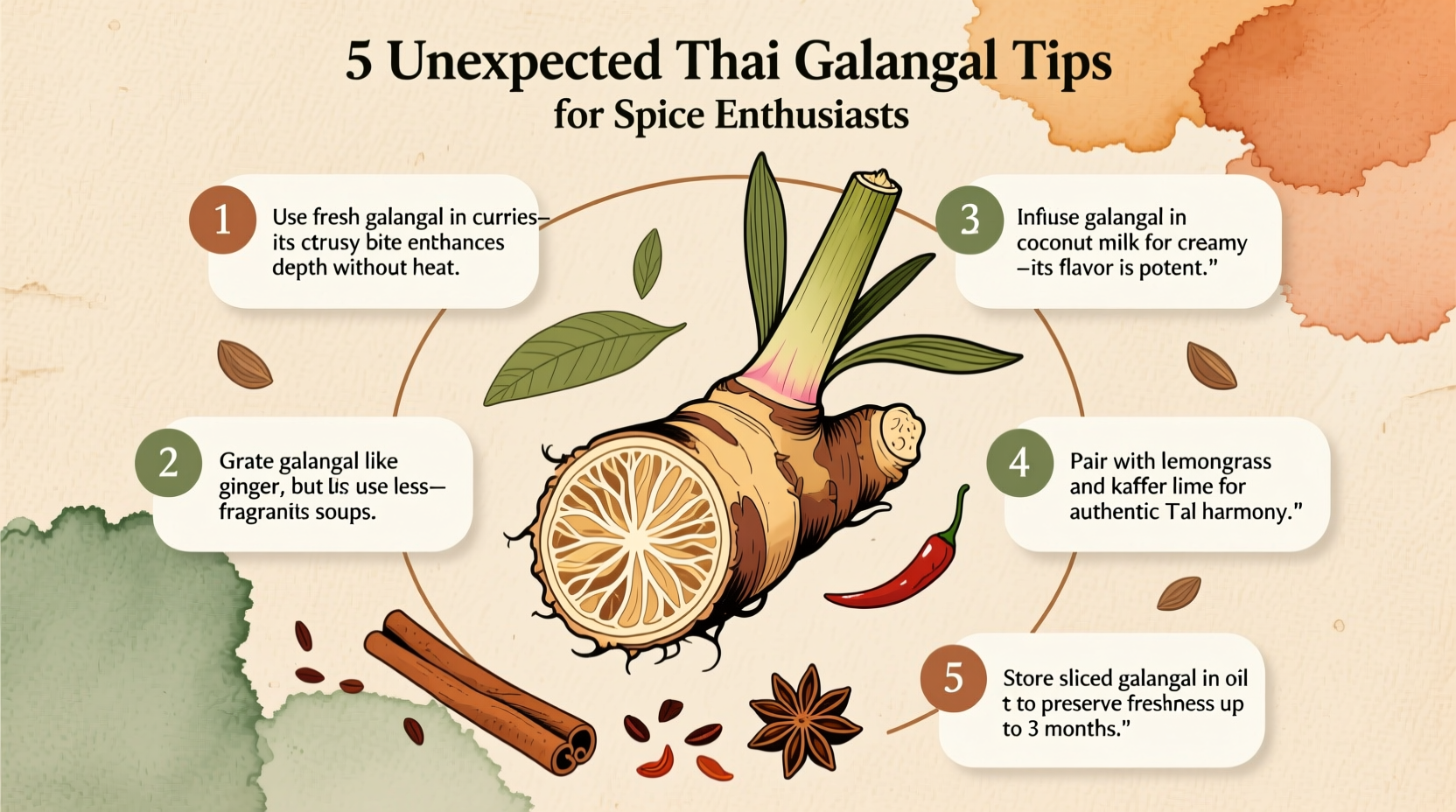
Thai galangal (Alpinia galanga) is a tropical rhizome native to Indonesia and widely cultivated across Thailand, Malaysia, and southern China. It belongs to the Zingiberaceae family, which includes ginger and turmeric, but differs significantly in composition and culinary role. Unlike ginger’s moist, fibrous flesh and sharp pungency, galangal has a denser, drier structure with a pale ivory interior and a smooth, tan-colored skin when young. Its flavor profile combines lemony brightness, faint peppery heat, and subtle notes of camphor and pine—aromatic rather than fiery. In Thai cuisine, it is indispensable in dishes like tom kha gai (coconut chicken soup), green curry paste, and certain herbal broths where clarity and aromatic lift are paramount. Due to its low moisture and high essential oil content, galangal imparts volatile aromatics more effectively when used raw or minimally cooked, distinguishing it from other root spices that rely on prolonged simmering.
Key Characteristics
| Characteristic | Description |
|---|---|
| Flavor Profile | Citrusy, pine-resinous, mildly peppery, with a clean, cooling finish; less sweet and less spicy than ginger. |
| Aroma | Sharp, fresh, slightly medicinal; reminiscent of eucalyptus and lemon zest when crushed. |
| Texture | Firm, fibrous, and woody—requires fine grating or pounding for even distribution. |
| Heat Level | Mild to moderate warmth (1–3 on a 10-point scale); not capsaicin-based but derived from aromatic compounds. |
| Culinary Function | Aromatic base, digestive aid, preservative agent in fermented pastes, flavor clarifier in broths. |
| Shelf Life (Fresh) | Up to 3 weeks refrigerated in a paper towel-lined container; up to 6 months frozen whole. |
| Active Compounds | Galangin, alpha-pinene, cineole—known for antimicrobial and anti-inflammatory properties. |
Practical Usage: Beyond the Curry Paste
Most recipes call for galangal as a minor component in spice blends, often minced or pounded into curry pastes. However, its unique chemistry allows for advanced applications that go beyond blending. Because galangal contains volatile terpenes similar to those in rosemary and tea tree oil, its aromatic impact peaks at different stages depending on preparation method. For instance, adding raw grated galangal at the end of cooking preserves top-note freshness, while dry-toasting thin slices before infusion deepens its resinous qualities. This dual behavior makes it ideal for layered seasoning strategies.
In professional kitchens, chefs exploit galangal’s ability to cut through fat without acidity. When infused into coconut milk or heavy cream at low temperatures (below 70°C / 158°F), its essential oils emulsify smoothly, enhancing mouthfeel without curdling. A common technique involves steeping thinly sliced galangal in warm coconut milk for 15 minutes, then straining and using the infused liquid as a base for soups or sauces. This method extracts maximum aroma while avoiding bitterness from overcooking.
For home cooks, one transformative practice is using galangal as a natural meat tenderizer. Its proteolytic enzymes—though milder than those in pineapple or papaya—help break down connective tissue in poultry and pork. Marinate chicken thighs with 1 tablespoon freshly grated galangal, fish sauce, garlic, and palm sugar for 2–4 hours before grilling. The result is juicy, deeply flavored meat with a subtle aromatic backbone that complements smoky char.
Pro Tip: Never substitute ground dried galangal for fresh in raw preparations. Drying concentrates certain resins and diminishes volatile citrus notes, resulting in a flatter, more medicinal taste. Reserve powdered galangal for long-simmered stews where balance matters more than brightness.
Variants & Types
Galangal exists in several forms, each suited to specific culinary goals. Choosing the right variant ensures optimal flavor delivery and avoids textural pitfalls.
- Fresh Rhizome: The gold standard. Look for firm, unblemished roots with tight skin. Younger specimens have thinner bark and higher juice content. Best used within two weeks of purchase.
- Frozen Whole or Sliced: Commercially flash-frozen galangal retains nearly all enzymatic and aromatic integrity. Ideal for batch cooking or off-season availability. Can be grated directly from frozen.
- Dried Slices: Sold in Asian markets, these require rehydration or grinding. Useful for making decoctions or spice mixes but lack the zesty lift of fresh.
- Ground Powder: Convenient but prone to staleness due to rapid oxidation of essential oils. Use only in slow-cooked dishes like massaman curry or medicinal tonics.
- Galangal Extract or Tincture: Used in specialty cocktails and desserts. Offers concentrated flavor without fiber; typically diluted at a ratio of 1:10 with water or alcohol.
| Form | Best For | Limitations |
|---|---|---|
| Fresh | Curries, soups, marinades, raw pastes | Short shelf life; tough texture requires proper prep |
| Frozen | Infusions, emergency substitutions | Slight cell wall rupture may alter infusion clarity |
| Dried Slices | Teas, long simmers, stock bases | Lacks bright top notes; chewy if not removed |
| Ground | Baked goods, spice rubs, dry mixes | Oxidizes quickly; loses complexity in days |
| Extract | Cocktails, syrups, confections | Overpowering if misused; not heat-stable |
Comparison with Similar Ingredients
Galangal is frequently confused with ginger and even turmeric, but key differences affect substitution outcomes.
- Ginger vs. Galangal: Ginger offers moist heat, sweetness, and juiciness, making it ideal for stir-fries and baked goods. Galangal is drier, more aromatic, and less sweet, excelling in broths and pastes where clarity matters. Substituting one for the other alters dish balance fundamentally.
- Turmeric vs. Galangal: Turmeric contributes earthy bitterness and intense yellow color but minimal aroma. Galangal adds fragrance without staining, serving a sensory rather than visual function.
- Young Ginger vs. Fresh Galangal: Young ginger has a tender crunch and mild bite, suitable for pickling. Galangal remains fibrous regardless of age and should never be eaten in large chunks.
- Lesser Galangal (Alpinia officinarum): Sometimes labeled “Chinese galangal,” this relative is smaller, redder, and spicier. It shares some pine notes but lacks the citrus lift of Thai galangal and is better suited to medicinal formulas than delicate soups.
\"In Thai cooking, galangal isn’t just a spice—it’s an aromatic architect. It shapes the air around a dish before you even taste it.\" — Chef Niran Jirattikorn, Bangkok-based culinary instructor and author of Essence of Thai Flavor
5 Unexpected Thai Galangal Tips for Spice Enthusiasts
1. Grate It Raw into Dressings and Chilies for Aromatic Punch
While most cultures cook galangal thoroughly, Thai street vendors often use it raw in chili dips and lime dressings. Finely grate peeled galangal (use a microplane) and whisk into fish sauce-lime vinaigrettes at a ratio of 1 teaspoon per ¼ cup dressing. The uncooked rhizome releases volatile oils that evaporate under heat, so this method captures its fullest perfume. Try it in a som tum (green papaya salad) variation with mango, cherry tomatoes, and roasted peanuts for a bright, complex edge.
2. Dry-Toast Thin Slices Before Infusing in Oils or Spirits
To intensify galangal’s pine and camphor notes, lightly toast very thin rounds (1–2 mm thick) in a dry skillet until fragrant but not browned (~2 minutes). Cool, then submerge in neutral oil or vodka for 3–7 days. The toasted form increases surface area and volatilizes harsher compounds, yielding a smoother infusion. Use galangal oil to finish grilled seafood or drizzle over steamed buns. The spirit version works beautifully in tiki-style cocktails as a botanical accent.
3. Freeze and Shave for Textural Contrast in Cold Dishes
Freeze whole galangal for at least 4 hours, then use a vegetable peeler to create translucent curls or shavings. These brittle slivers add a refreshing, icy crunch to cold noodle salads, ceviche, or chilled cucumber soups. As they thaw in the dish, they release bursts of citrus-pine aroma without overwhelming. This technique mimics the use of frozen wasabi in Japanese cuisine and showcases galangal’s versatility beyond heat-driven applications.
4. Ferment with Garlic and Salt for a Living Flavor Base
Create a living galangal ferment by combining equal parts grated galangal and garlic with 3% salt by weight. Pack into a jar, weigh down, and ferment at room temperature for 7–14 days. The lacto-fermentation process softens fibers and develops umami-rich depth while preserving the spice’s signature aroma. Use ½ teaspoon of the paste per serving to boost soups, rice bowls, or scrambled eggs. This method also enhances bioavailability of galangin, a flavonoid with antioxidant properties.
5. Pair with Citrus Zest and Star Anise to Amplify Complexity
Galangal’s flavor compounds resonate synergistically with limonene (found in citrus zest) and anethole (in star anise). Combine finely grated galangal with orange or kaffir lime zest and a cracked star anise pod when seasoning braising liquids or poaching syrups. This trio creates a multi-layered aromatic profile that evolves on the palate—bright, warm, then subtly cooling. Exceptional with duck, pears, or custards.
Quick Pairing Guide:
• Coconut milk + galangal + lemongrass = classic Thai trinity
• Pineapple juice + galangal = enzymatic marinade for pork
• Honey + galangal extract = soothing syrup for beverages
• Soy sauce + rice vinegar + raw grated galangal = dipping sauce upgrade
Practical Tips & FAQs
Can I substitute ginger for galangal?
You can in a pinch, but expect a sweeter, juicier result with less aromatic complexity. For closer approximation, add a few drops of lemon essential oil or a pinch of ground coriander to mimic galangal’s top notes.
How do I prepare galangal for cooking?
Peel with a spoon or vegetable peeler, then grate, slice, or pound. Due to its toughness, avoid chopping with a knife unless very thin. For soups, add whole slices and remove before serving. For pastes, pound with a mortar and pestle or blend with liquid to ensure even dispersion.
Is galangal safe to eat raw?
Yes, in moderation. Raw galangal is commonly used in Thai salads and sambals. However, excessive consumption may cause stomach irritation in sensitive individuals due to its resinous compounds.
What dishes showcase galangal best?
Tom kha gai, gaeng som (sour orange curry), nam jim chao (seafood dipping sauce), herbal broths, and certain Thai-Muslim meat stews. It also shines in fusion applications like galangal-infused risotto or poached pears in galangal syrup.
How should I store fresh galangal?
Wrap in a paper towel, place in a sealed container, and refrigerate. Do not wash until use. Alternatively, freeze whole for long-term storage—no need to thaw before grating.
Does galangal have health benefits?
Traditional medicine values galangal for aiding digestion, reducing nausea, and exhibiting antimicrobial effects. Modern studies suggest anti-inflammatory and antioxidant activity, though culinary doses are unlikely to produce therapeutic outcomes.
Summary & Key Takeaways
Thai galangal is far more than a ginger alternative—it is a distinct aromatic agent with untapped potential in both traditional and innovative cooking. Its crisp, citrus-pine character, combined with low moisture and high essential oil content, demands thoughtful handling to maximize impact. By moving beyond basic mincing and embracing techniques like raw grating, dry-toasting, freezing, fermenting, and strategic pairing, spice enthusiasts can elevate galangal from supporting player to central flavor architect.
The five unexpected tips outlined here—using it raw in dressings, toasting before infusion, shaving from frozen, fermenting into a living paste, and pairing with citrus and anise—demonstrate its range across textures, temperatures, and global cuisines. Whether crafting a restaurant-quality broth or experimenting with cocktail infusions, understanding galangal’s nuances unlocks new dimensions of flavor clarity and depth.
Start small: incorporate one new technique per month. Track how each affects aroma, mouthfeel, and dish longevity. Over time, you’ll develop an intuitive sense of when galangal should lead—and when it should linger subtly in the background.




 浙公网安备
33010002000092号
浙公网安备
33010002000092号 浙B2-20120091-4
Comments
No comments yet. Why don't you start the discussion?