
Juniper berries are often associated with the sharp, piney backbone of gin, but their culinary and practical applications extend far beyond the cocktail shaker. These small, blue-black cones from the juniper shrub (not true berries) have been used for centuries in European and North American traditions—not only as a flavoring agent but also for preservation, medicine, and household uses. Despite their potency and versatility, they remain underutilized in modern kitchens. Understanding how to harness their aromatic intensity opens up a world of creative possibilities, from transforming roasted meats to naturally repelling moths. This guide explores five lesser-known yet highly effective ways to incorporate juniper berries into daily routines, offering actionable techniques backed by historical context and sensory science.
Definition & Overview
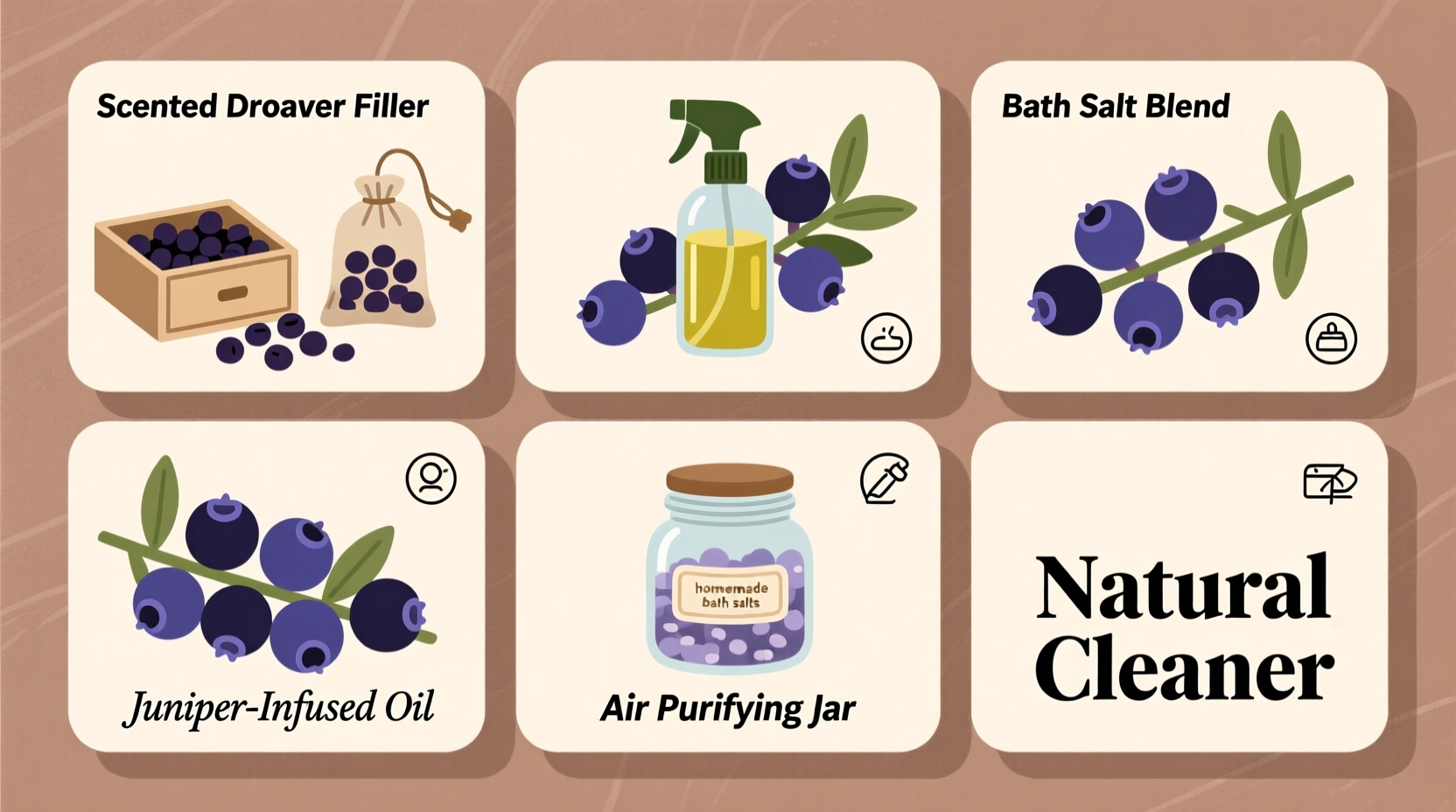
Juniper berries are the female seed cones produced by various species of the Juniperus genus, most commonly Juniperus communis. Though called “berries,” they are not botanical fruits but fleshy cones that take two to three years to mature. Native across the Northern Hemisphere—from Scandinavia to the Rocky Mountains—they’ve long played dual roles in food and folk medicine. Their use dates back to ancient Egypt, where they were burned as incense and used in embalming, and later in medieval Europe, where cooks relied on them to season game and preserve meats before refrigeration.
Culinary-grade juniper berries are typically harvested wild or cultivated in temperate climates and dried for stability. They possess a complex flavor profile: simultaneously pine-like, citrusy, slightly peppery, and resinous. While best known as the defining ingredient in gin—giving the spirit its name (“gin” derives from the French *genièvre* and Dutch *jenever*, both meaning “juniper”)—they are equally at home in savory dishes, particularly those involving fatty meats like pork, duck, or venison. However, their utility doesn’t stop at the dinner plate. When approached creatively, juniper berries can serve functional roles in food preservation, natural cleaning, aromatherapy, and textile care.
Key Characteristics
| Attribute | Description |
|---|---|
| Flavor Profile | Pine-forward, with notes of citrus peel, black pepper, and camphor; mildly bitter when overused. |
| Aroma | Sharp, clean, forest-like; reminiscent of fresh-cut cedar or spruce. |
| Color & Form | Blue-black when ripe; spherical, about 4–9 mm in diameter; sold whole or crushed. |
| Heat Level | None; non-pungent but intensely aromatic. |
| Culinary Function | Flavor enhancer, meat tenderizer, preservative due to antimicrobial properties. |
| Shelf Life | 1–2 years when stored in an airtight container away from light and moisture. |
Practical Usage: 5 Unexpected Applications
1. Natural Meat Preservative and Flavor Enhancer in Dry Cures
Before refrigeration, salt and spices were essential tools for preserving meat. Juniper berries, with their natural antimicrobial compounds—including terpenes like alpha-pinene and limonene—were frequently included in curing blends. Today, they remain a powerful addition to dry-curing mixtures for charcuterie such as salami, coppa, or pancetta.
To make a juniper-enhanced dry cure, combine 100g kosher salt, 50g brown sugar, 1 tablespoon cracked black pepper, 1 teaspoon coriander seeds, and 2 teaspoons coarsely crushed juniper berries. Rub this mixture evenly over pork belly or shoulder, place in a vacuum-sealed bag or non-reactive container, and refrigerate for 7–14 days, flipping daily. The juniper not only inhibits spoilage bacteria but also imparts a bright, forest-floor depth that balances the richness of the fat.
Pro Tip: Always crush juniper berries just before use. Whole berries release flavor slowly, but crushing exposes volatile oils, maximizing impact in cures and rubs. Use a mortar and pestle or spice grinder—avoid powdering them completely to prevent bitterness.
2. Aromatic Addition to Fermented Vegetables
Fermentation relies on lactic acid bacteria to preserve vegetables while developing tangy, umami-rich flavors. Spices added to the brine influence both taste and microbial activity. Juniper berries contribute a crisp, uplifting note to fermented cabbage, carrots, or beets, cutting through acidity and adding complexity.
For sauerkraut with juniper, shred 1 kg of green cabbage and toss with 15g sea salt. Pack tightly into a fermentation crock or jar, adding 6–8 whole juniper berries per liter of volume. Press down until liquid rises above the solids. Weight the vegetables beneath the brine and cover loosely to allow gas exchange. Ferment at room temperature (18–22°C) for 2–4 weeks. The result is a kraut with a distinctive alpine character—ideal alongside smoked sausages or rye bread.
Scientific studies suggest that juniper compounds may selectively inhibit undesirable microbes during fermentation, promoting a cleaner, more stable culture. While not a substitute for proper hygiene, their inclusion supports a robust ferment.
3. Homemade Moth & Insect Repellent for Closets and Drawers
The strong scent of juniper acts as a natural deterrent to moths, silverfish, and carpet beetles—common pests that damage wool, fur, and natural fibers. Unlike synthetic mothballs, which contain toxic chemicals like naphthalene, juniper offers a safer, aromatic alternative.
Create a simple repellent sachet by placing 2 tablespoons of whole juniper berries in a small cotton muslin bag. Add complementary herbs such as dried rosemary, lavender buds, or cloves for enhanced effect and fragrance. Place these sachets in clothing drawers, linen closets, or storage trunks containing winter sweaters. Replace every 3–6 months as the aroma fades.
“In Alpine regions, it was common practice to line wooden chests with juniper branches before storing woolens. The tradition wasn’t merely cultural—it was functional, leveraging nature’s own defenses.” — Dr. Lena Bergström, Ethnobotanist, University of Uppsala
This method works because insects rely heavily on olfactory cues. The volatile terpenes in juniper overwhelm their sensory systems, making treated areas unattractive for egg-laying or sheltering.
4. Infused Vinegar for Cleaning and Degreasing
Vinegar is a staple of eco-friendly cleaning, but adding juniper berries elevates its functionality. An infused white or apple cider vinegar solution gains mild antiseptic qualities and a refreshing scent, making it ideal for degreasing kitchen surfaces, wiping down cabinets, or mopping tile floors.
To prepare, combine 1 cup of distilled white vinegar with 2 tablespoons of lightly crushed juniper berries in a glass jar. Seal and let steep for 7–10 days in a cool, dark place. Strain through cheesecloth and dilute with equal parts water for general cleaning. For greasy stovetops or oven hoods, use undiluted.
The acidity of vinegar breaks down mineral deposits and grease, while juniper’s natural resins help dissolve organic buildup. The resulting solution cuts through grime without leaving behind harsh chemical residues—perfect for homes with children or pets.
Safety Note: Do not use vinegar solutions on natural stone (e.g., marble or granite), as the acid can etch the surface. Reserve this cleaner for sealed countertops, stainless steel, glass, and ceramic tiles.
5. DIY Botanical Air Freshener with Woodsy Aroma
Synthetic air fresheners often contain phthalates and artificial fragrances linked to respiratory irritation. A homemade simmer pot using juniper berries provides a non-toxic way to scent your home with a crisp, outdoorsy aroma.
Add 1 cup of water to a small saucepan along with 1 tablespoon crushed juniper berries, 2 cinnamon sticks, a few orange peels, and a sprig of rosemary. Simmer gently on low heat, replenishing water as needed. Within minutes, the steam releases a layered fragrance—piney, warm, and subtly sweet—that fills the house naturally.
This technique draws from Scandinavian \"stovetop potpourri\" traditions, where households would simmer seasonal ingredients during winter months to combat stale indoor air. Juniper’s volatility ensures rapid diffusion, making it especially effective in entryways or bathrooms.
Variants & Types
Not all juniper berries are suitable for consumption. Over 40 species exist, but only a few are safe and palatable. It’s crucial to distinguish between edible and toxic varieties.
- Juniperus communis – The most widely used and safest for culinary purposes. Grown across Europe, Asia, and North America. Offers balanced pine-citrus notes.
- Juniperus virginiana (Eastern Red Cedar) – Common in the U.S., but contains higher levels of thujone, which can be toxic in large amounts. Best avoided in food unless properly processed.
- Juniperus oxycedrus (Prickly Juniper) – Found in the Mediterranean. Has a tar-like odor and is considered unsafe for internal use.
- Cultivated vs. Wild-Harvested – Cultivated berries tend to be larger and milder; wild-harvested ones are smaller, more intense, and often preferred by chefs for their robust flavor.
In stores, you’ll find juniper berries sold in three primary forms:
| Form | Best Used For | Notes |
|---|---|---|
| Whole Berries | Dry curing, simmer pots, infusions | Longest shelf life; preserves essential oils |
| Crushed/Cracked | Rubs, marinades, quick infusions | Releases flavor faster; use within 6 months |
| Ground Powder | Spice blends, doughs, sauces | Use sparingly—can become bitter if overheated |
Comparison with Similar Ingredients
Juniper berries are sometimes confused with other aromatic spices. Understanding the differences ensures proper usage and avoids off-flavors.
| Ingredient | Flavor Comparison | Substitution Advice |
|---|---|---|
| Cardamom | Floral, citrusy, but warmer and sweeter | Not a direct substitute; lacks pine notes |
| Coriander Seeds | Lemon-lime, mild, slightly nutty | Can complement juniper but won’t replicate it |
| Spruce Tips | Resinous, brighter, more acidic | Acceptable substitute in infusions; use 1:1 ratio |
| Black Peppercorns | Spicy heat, woody, less aromatic complexity | Combine with citrus zest for partial mimicry |
No single spice fully replicates juniper, but a blend of crushed coriander, lemon zest, and a pinch of rosemary can approximate its profile in a pinch. However, for authenticity—especially in traditional European recipes—real juniper is irreplaceable.
Practical Tips & FAQs
How much juniper should I use in cooking?
Due to their potency, use juniper sparingly. For a dish serving four, 6–8 whole berries (or ½ teaspoon crushed) is sufficient. Overuse results in turpentine-like bitterness. Always taste as you go.
Are juniper berries safe to eat?
Culinary-grade Juniperus communis berries are safe in moderate amounts. However, avoid consuming large quantities regularly, as high doses of thujone (present in some species) may affect the nervous system. Pregnant individuals should avoid medicinal intake due to potential uterine stimulation.
Can I grow my own juniper for culinary use?
Yes, but ensure you’re cultivating Juniperus communis or another edible variety. Avoid ornamental junipers planted in urban landscapes, as they may be contaminated with pesticides or belong to toxic species.
How do I store juniper berries?
Keep whole berries in an airtight glass jar, away from heat and sunlight. Properly stored, they retain potency for up to two years. Ground juniper loses flavor within months.
What dishes pair best with juniper?
Classic pairings include:
- Game meats (venison, boar, pheasant)
- Fatty pork (shoulder, belly, sausages)
- Root vegetables (parsnips, turnips, potatoes)
- Dark rye bread and sourdough
- Strong cheeses (aged gouda, smoked cheddar)
Can I use juniper in sweet applications?
Yes, but cautiously. A single crushed berry infused into a poaching liquid for pears or quince adds intrigue. Similarly, a drop of juniper-infused syrup can elevate a dessert cocktail or vanilla custard—think of it as a savory accent rather than a primary sweet flavor.
Case Study: Nordic Pantry Revival
A 2022 survey of 150 Scandinavian home cooks found that 68% used juniper berries monthly—not just in food, but in cleaning and textile care. One participant from Bergen, Norway, reported replacing all chemical air fresheners with juniper-orange simmer pots, noting improved indoor air quality and fewer allergy symptoms.
Summary & Key Takeaways
Juniper berries are far more than a gin additive. Their antimicrobial, aromatic, and flavor-enhancing properties make them valuable across multiple domains of everyday life. From preserving cured meats and boosting vegetable ferments to repelling moths and freshening the home, these resilient cones offer sustainable, health-conscious alternatives to synthetic products.
The key to successful use lies in moderation and precision. Crush berries fresh, choose the right species, and respect their potency. Whether you're a home cook, natural living advocate, or curious experimenter, integrating juniper berries into your routine connects you to centuries of practical wisdom—and introduces a touch of the wild forest into modern domesticity.
Start small: Try adding two crushed juniper berries to your next pot roast or rice pilaf. Notice how it lifts the entire dish. Then expand into one of the unconventional uses outlined here—perhaps a batch of fermented carrots or a vinegar cleaner. You may never see this humble “berry” the same way again.




 浙公网安备
33010002000092号
浙公网安备
33010002000092号 浙B2-20120091-4
Comments
No comments yet. Why don't you start the discussion?