
Music is more than sound—it’s identity, emotion, and memory. For fans, musicians, and collectors alike, expressing that connection through accessories like keychains offers a subtle yet powerful way to carry passion into everyday life. But in a market flooded with mass-produced trinkets, standing out means going beyond the obvious guitar-shaped charms from generic gift shops. The real magic lies in discovering pieces that reflect individuality, craftsmanship, and musical depth. Whether you're building a personal collection or searching for a meaningful gift, these seven creative strategies will guide you to music-themed keychains that are as distinctive as your playlist.
1. Explore Artist-Centric Marketplaces Like Etsy and Big Cartel
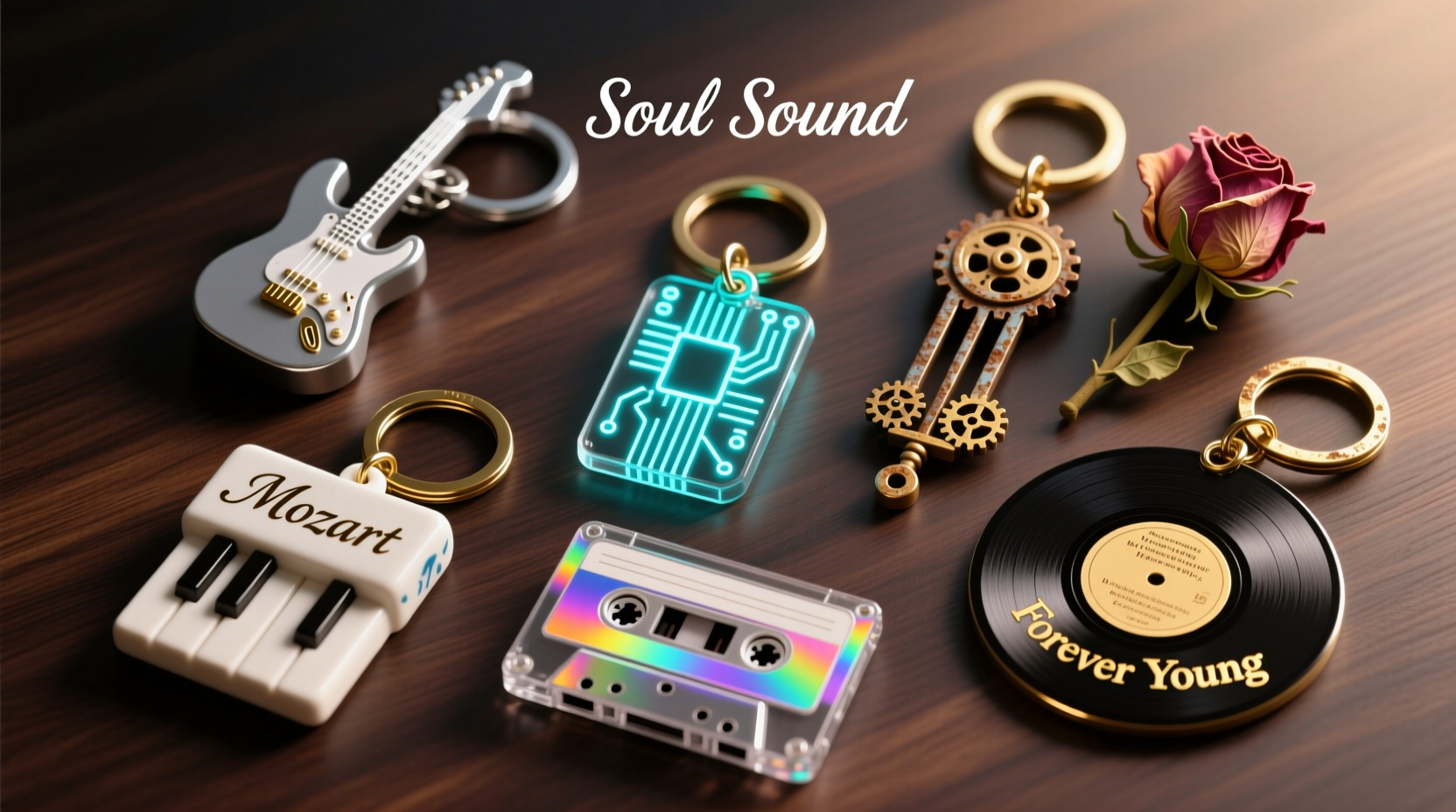
Platforms such as Etsy and Big Cartel host thousands of independent artists who create handcrafted, limited-run music memorabilia. These sellers often specialize in niche genres—think vinyl-inspired resin pendants, miniature piano keys, or laser-cut lyric quotes—and infuse their work with deep musical knowledge and artisanal care. Unlike factory-made items, these keychains frequently feature original designs, personalized touches, and materials like wood, enamel, or recycled records.
Browsing by genre-specific keywords (e.g., “synthwave keychain,” “jazz saxophone charm”) can uncover hidden gems tailored to your taste. Many creators also offer customization—engraving song titles, band names, or even musical notes from a favorite melody.
2. Visit Music Festivals and Independent Record Stores
Live music events and local record shops aren’t just cultural hubs—they’re treasure troves for exclusive merchandise. Limited-edition keychains are often sold at festival merch booths or tucked behind the counter at indie stores that support underground labels. These items may commemorate a specific tour, album release, or regional scene, making them both rare and meaningful.
In cities like Nashville, Berlin, or Tokyo, boutique record stores curate small accessory lines featuring collaborations with local designers. A keychain shaped like a vintage microphone or a tiny cassette tape might come bundled with a vinyl purchase or be available only during special in-store events.
“Some of my most prized collectibles came from late-night record store visits after gigs. They’re not just souvenirs—they’re artifacts of moments.” — Lena Torres, Indie Music Curator & Archivist
3. Repurpose Vintage Instruments and Audio Equipment Parts
One of the most original approaches to music-themed keychains is upcycling components from decommissioned instruments or audio gear. Skilled artisans transform broken piano keys, guitar tuning pegs, typewriter keys from old recording studios, or fragments of circuit boards from analog synthesizers into wearable art.
These repurposed keychains carry history and texture. A sliver of a dismantled Fender Stratocaster neck, polished and sealed with resin, becomes a conversation starter. Even non-functional parts like knobs from vintage mixing consoles can be drilled and fitted with key rings for a retro studio vibe.
To find such pieces, look for makers on platforms like Instagram or TikTok who specialize in instrument salvage. Some cooperatives, like those linked to music schools or repair workshops, sell offcuts to fund student programs—supporting both sustainability and education.
Do’s and Don’ts When Buying Upcycled Music Keychains
| Do | Don't |
|---|---|
| Ask about the origin of the material (e.g., “Was this actually from a real piano?”) | Assume all “vintage-style” items are authentic—some are merely replicas |
| Check for protective coatings (resin, lacquer) to prevent wear | Expose delicate wood or metal parts to moisture without sealing |
| Support artists who ethically source broken instruments | Purchase items made from illegally salvaged or stolen gear |
4. Commission Custom Work from Jewelry and Metal Artists
If you want a truly one-of-a-kind piece, commissioning a custom keychain allows full creative control. Collaborate with a metalsmith, jeweler, or engraver to design something based on a specific instrument, musical symbol, or lyrical motif. For example, a minimalist keychain shaped like the opening notes of Beethoven’s “Moonlight Sonata” in treble clef notation, or a tiny pendant modeled after your first guitar.
Many artists accept commissions via social media or portfolio sites like Behance and ArtStation. Provide sketches, reference images, or even sheet music excerpts to guide the design. Materials can range from sterling silver and brass to oxidized steel for an industrial edge.
5. Join Online Music Collector Communities and Forums
Niche communities such as Reddit’s r/vinyl, GearSlutz (now Gearspace), or specialized Facebook groups for synth enthusiasts often have members who trade or sell handmade music accessories. These forums are fertile ground for finding rare keychains created by fellow fans—sometimes as part of collaborative projects or fan-made tributes.
For instance, a Pink Floyd tribute keychain featuring a prism beam design might be produced in a limited run by a member honoring the band’s anniversary. Participation builds trust, and many sellers offer early access or discounts to active community contributors.
How to Successfully Source Keychains in Online Communities
- Engage regularly—don’t just lurk or spam requests.
- Respect group rules about self-promotion and trading.
- Use clear search terms: “music keychain swap,” “handmade band merch.”
- Verify seller reputation through comments and transaction history.
- Be open to bartering—offering a rare CD or concert ticket stub might secure a unique piece.
6. Attend Craft Fairs and Maker Events with a Musical Twist
Local craft fairs increasingly feature artisans blending music and design. Look for events labeled “maker markets,” “indie craft expos,” or “art and sound festivals.” Vendors at these gatherings often showcase experimental pieces—such as keychains embedded with micro-SD chips playing a 10-second music clip, or kinetic charms that mimic drumsticks in motion.
These settings also allow you to see and feel the product firsthand, assess build quality, and connect directly with the creator. Many artists appreciate feedback and may offer future custom options based on your input.
“At maker fairs, I’ve seen keychains made from actual drum heads and piano wire. It’s innovation rooted in reverence for music.” — Marcus Bell, DIY Instrument Builder
7. Leverage Augmented Reality and 3D Printing Innovations
Technology has opened new frontiers in personalized music memorabilia. Designers now use 3D modeling software to create intricate keychains based on waveforms of favorite songs, architectural models of iconic concert halls, or even digital scans of autographs. Once designed, these can be printed in durable resins, metals, or flexible filaments.
Some online services let you upload an audio file and convert its waveform into a printable 3D model. Others offer augmented reality previews so you can visualize how the keychain looks before ordering. While still emerging, this method bridges data, art, and music in unprecedented ways.
Checklist: How to Find a Truly Unique Music-Themed Keychain
- ✅ Define your musical inspiration (genre, artist, instrument, lyric)
- ✅ Search Etsy, Big Cartel, or artist websites using specific keywords
- ✅ Visit live music events and independent record stores
- ✅ Explore upcycled instrument parts from ethical artisans
- ✅ Commission a custom piece from a metalsmith or designer
- ✅ Engage with collector forums and trade communities
- ✅ Attend craft fairs focused on music or tech-art fusion
- ✅ Consider 3D-printed or AR-designed options for modern flair
Frequently Asked Questions
Are music-themed keychains durable enough for daily use?
Yes, especially when made from sturdy materials like stainless steel, enamel, or sealed wood. Avoid exposing delicate finishes—like painted details or raw wood—to excessive moisture or friction. For everyday carry, opt for compact designs with reinforced attachment loops.
Can I find keychains that represent less mainstream genres like classical or folk?
Absolutely. While pop and rock dominate commercial merch, niche artists and crafters celebrate classical, jazz, folk, and world music. Search terms like “violin bow charm,” “folklore lyric keychain,” or “cello keyring” yield surprising results on specialty platforms.
What makes a music keychain “unique” versus just decorative?
Uniqueness comes from provenance, craftsmanship, and personal resonance. A keychain made from a real piano key carries history. One engraved with a handwritten lyric from a loved one’s favorite song holds emotional weight. Mass-produced guitar shapes lack that depth—even if they look the part.
Final Notes: Let Your Keys Tell a Story
A keychain doesn’t have to be mere utility. When thoughtfully chosen, it becomes a tiny emblem of who you are—a whisper of melody in your pocket, a nod to a concert that changed your life, or a tribute to the soundtrack of your years. By stepping off the beaten path and exploring artisan markets, upcycled materials, and digital innovation, you gain access to music-themed keychains that don’t just hang from your keys—they speak through them.




 浙公网安备
33010002000092号
浙公网安备
33010002000092号 浙B2-20120091-4
Comments
No comments yet. Why don't you start the discussion?