
Silver jewelry carries a timeless elegance, but its popularity has also led to an influx of counterfeit pieces. Whether you inherited a vintage ring, bought online, or received it as a gift, knowing whether it’s genuine sterling silver is essential for both value and safety. While professional appraisal is the gold standard, you don’t need a jeweler’s loupe or expensive equipment to make an informed judgment. With a few household items and careful observation, you can conduct reliable authenticity checks from your kitchen table.
1. Check for Hallmark Stamps
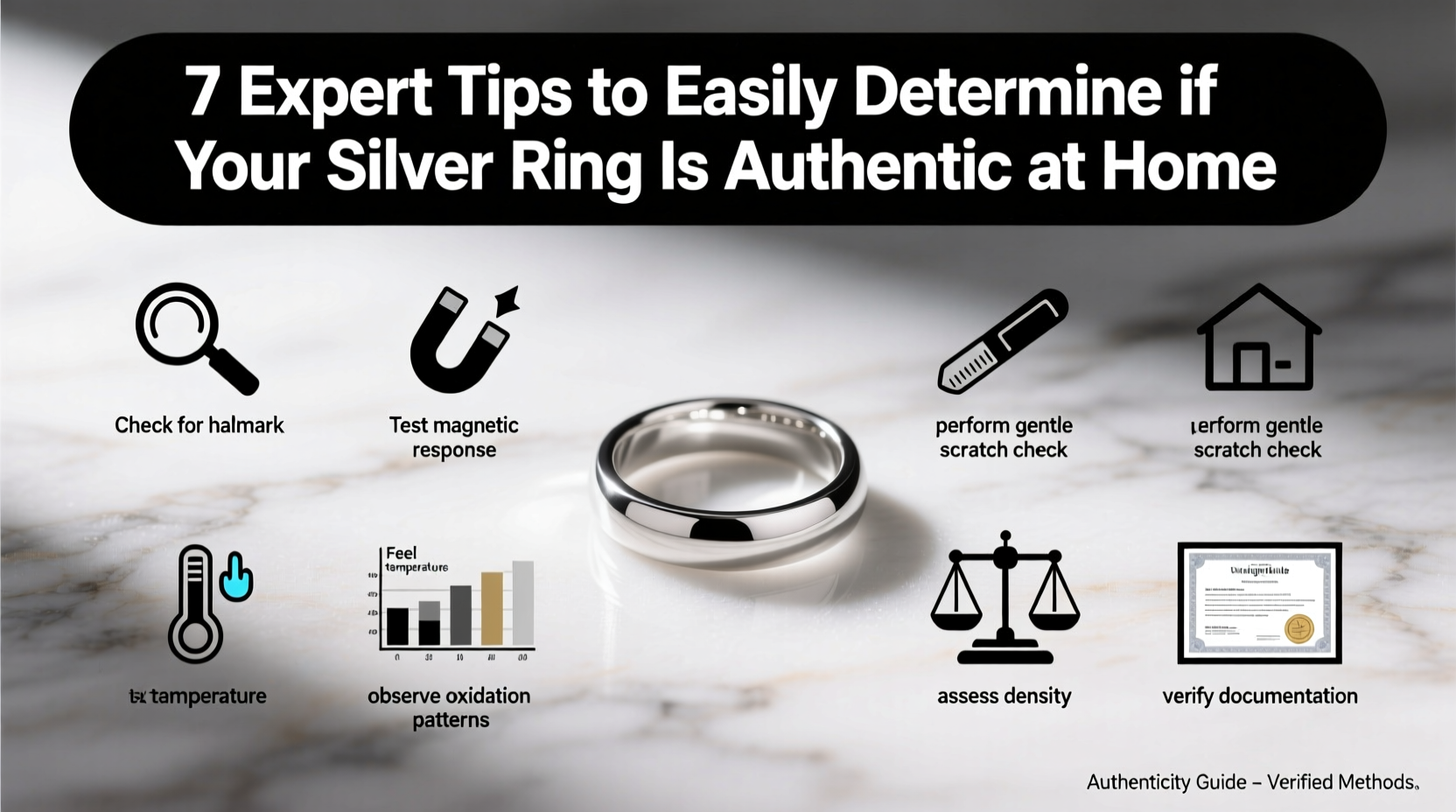
One of the most straightforward ways to assess authenticity is by inspecting the ring for official hallmark stamps. Genuine silver jewelry, especially in regions like the UK, EU, and North America, is typically marked with purity indicators such as “925,” “Sterling,” “.925,” or “925s.” These denote that the piece contains 92.5% pure silver—the standard for sterling silver.
Use a magnifying glass or smartphone zoom to examine the inner band closely. Look for small engraved symbols or numbers stamped into the metal. Be cautious: some counterfeiters laser-etch fake hallmarks. Therefore, this step should be combined with other tests for confirmation.
2. Perform the Magnet Test
Silver is not magnetic. This simple fact makes the magnet test one of the quickest preliminary screenings you can do at home. Take a strong refrigerator magnet (preferably a rare-earth neodymium magnet) and bring it close to your ring.
If the ring is attracted to the magnet, it likely contains ferromagnetic metals like iron, nickel, or steel—common in counterfeit or base-metal imitations plated with silver. A genuine silver ring will show no attraction.
Note: Some authentic rings may have tiny magnetic components in clasps or settings, so focus on the band itself. Also, lack of magnetism doesn’t guarantee authenticity—many non-magnetic metals like aluminum or titanium are used in fakes.
What the Magnet Test Tells You
| Result | Interpretation | Action |
|---|---|---|
| Pulls toward magnet | Contains magnetic metal — likely fake | Further testing advised; likely not silver |
| No attraction | Possible silver or non-magnetic alloy | Proceed to additional verification steps |
| Very slight pull | May contain trace alloys | Not conclusive; continue testing |
3. Conduct the Ice Cube Test
Silver has the highest thermal conductivity of any common metal. This means it transfers heat faster than almost all other materials. The ice cube test leverages this unique property.
Place a small ice cube directly on the silver ring while it rests on a room-temperature surface. If the ice melts significantly faster than a control cube on a non-metal surface (or slower metal), it’s a strong indicator of real silver.
For example, if the ice melts in under 30 seconds while a similar cube on stainless steel takes over a minute, the rapid melting suggests high thermal conductivity consistent with silver.
“Silver’s unmatched ability to conduct heat makes the ice test surprisingly effective—especially when combined with visual inspection.” — Dr. Alan Pierce, Metallurgist & Materials Consultant
4. Use the Smell Test (Yes, Really)
Believe it or not, your nose can help detect fake silver. Real silver is odorless. When rubbed vigorously between your fingers or against cloth, it won’t produce any smell. Counterfeit metals, particularly those containing copper, brass, or base alloys, often leave a metallic or sulfur-like odor—sometimes described as similar to rotten eggs or wet coins.
This happens because these metals react with skin oils and moisture, producing sulfides. Silver can tarnish and form silver sulfide, but it does so slowly and without immediate odor during handling.
5. Examine Tarnish Patterns and Skin Reaction
Genuine silver tarnishes over time due to exposure to sulfur compounds in the air, forming a black or gray patina. This tarnish usually appears gradually and evenly. Wipe the ring with a soft polishing cloth—real silver will regain its shine.
Fake silver, often made of cheap alloys, may discolor quickly but tends to turn green, blue, or flake off unevenly. Worse, it can cause green or black marks on your skin—especially under humid conditions or with perspiration. While copper-based fakes are notorious for this, even some “silver-plated” rings leach harmful metals.
If your ring leaves a dark residue on your finger or turns your skin green within hours, it’s likely not sterling silver.
Do’s and Don’ts of Observing Tarnish
| Do | Don't |
|---|---|
| Look for gradual, uniform darkening | Assume shiny = real (plating can look new) |
| Polish lightly to see if luster returns | Scrub aggressively and damage potential plating |
| Monitor changes over days/weeks | Ignore skin discoloration—it’s a warning sign |
6. Perform the Nitric Acid Scratch Test (With Caution)
This test is more advanced and requires care, but it’s highly accurate. Pure silver reacts predictably to nitric acid. However, this method involves chemicals and may damage the ring, so only use it if you’re certain you won’t sell or wear the piece afterward.
Here’s how to do it safely:
- Make a small, inconspicuous scratch on the inside of the band using a file or needle.
- Place a single drop of nitric acid on the scratched area.
- Observe the reaction:
- Creamy white or pale yellow = likely genuine silver.
- Green fizzing = base metal (e.g., copper, nickel).
- Brown or dark red = possible silver-plated over copper.
Always wear gloves and eye protection. Neutralize spills with baking soda and rinse thoroughly. Never use this test on stones or gemstone settings.
7. The Ring Sound Test
Silver produces a distinctive, high-pitched ringing sound when struck. Drop your ring gently onto a hard, flat surface like glass or ceramic tile. Authentic silver will emit a clear, sustained chime—often likened to a bell—lasting 1–2 seconds.
In contrast, fake silver or base metals produce a dull thud or short clink. The difference becomes obvious when comparing sounds side by side.
This works best with solid rings, not hollow or plated ones. Ensure the surface isn’t too soft (like wood), which dampens sound.
Mini Case Study: Sarah Discovers a Family Heirloom Isn’t What She Thought
Sarah inherited a delicate silver ring from her grandmother, marked “925” inside the band. Excited, she showed it to friends, but one suggested testing it. Using the ice cube test, she noticed no accelerated melting. The magnet pulled slightly. When worn, it turned her finger green within hours. Doubting its authenticity, she took it to a local jeweler, who confirmed it was silver-plated brass. Though disappointed, Sarah appreciated learning how to spot fakes—and now uses the magnet and skin test before buying vintage jewelry online.
Quick Checklist: Verify Your Silver Ring at Home
- 🔍 Inspect for “925” or “Sterling” stamps
- 🧲 Hold a magnet near the ring – no attraction expected
- 🧊 Place an ice cube on the ring – fast melting suggests real silver
- 👃 Rub and sniff – no metallic odor should occur
- 👀 Look for tarnish and skin discoloration
- 🔔 Tap or drop gently – listen for a clear ring
- 🧪 Consider a scratch test (with caution or test kit)
Frequently Asked Questions
Can a silver ring be real if it doesn’t have a stamp?
Yes. Older, handmade, or imported pieces may lack hallmarks. Absence of a stamp doesn’t prove it’s fake, but it increases the need for further testing.
Does real silver turn black? Is that normal?
Absolutely. Tarnishing—turning black or gray—is natural for silver due to sulfur exposure. It’s a sign of authenticity, not poor quality. Regular polishing restores shine.
Can I trust online sellers claiming their rings are “925 silver”?
Exercise caution. Many online listings misuse the term. Always read reviews, request photos of hallmarks, and apply home tests upon receipt. Reputable sellers provide third-party certifications.
Conclusion: Trust, But Verify
Authentic silver holds both sentimental and monetary value. With rising cases of mislabeled or counterfeit jewelry, taking a few minutes to verify your ring’s authenticity is a smart habit. These seven expert-backed methods—ranging from the simple magnet check to the scientific ice test—empower you to make confident decisions without stepping into a jewelry store.
Whether you're curating a personal collection, gifting a meaningful piece, or protecting your investment, knowledge is your best tool. Apply these tips regularly, share them with loved ones, and never hesitate to question what glitters.




 浙公网安备
33010002000092号
浙公网安备
33010002000092号 浙B2-20120091-4
Comments
No comments yet. Why don't you start the discussion?