
Provence spices—most famously embodied in the aromatic blend known as herbes de Provence—are often relegated to a single role: flavoring roasted meats and stews. But this sun-drenched medley of Mediterranean herbs holds far greater potential. Beyond their classic applications, these spices offer transformative uses across preservation, infusion, baking, and even home wellness. For cooks seeking depth, versatility, and authenticity, understanding the hidden dimensions of Provence spices unlocks a new tier of culinary finesse. These aren’t merely seasonings; they are tools for elevating texture, aroma, and shelf life in ways that echo centuries of Provençal tradition.
Definition & Overview
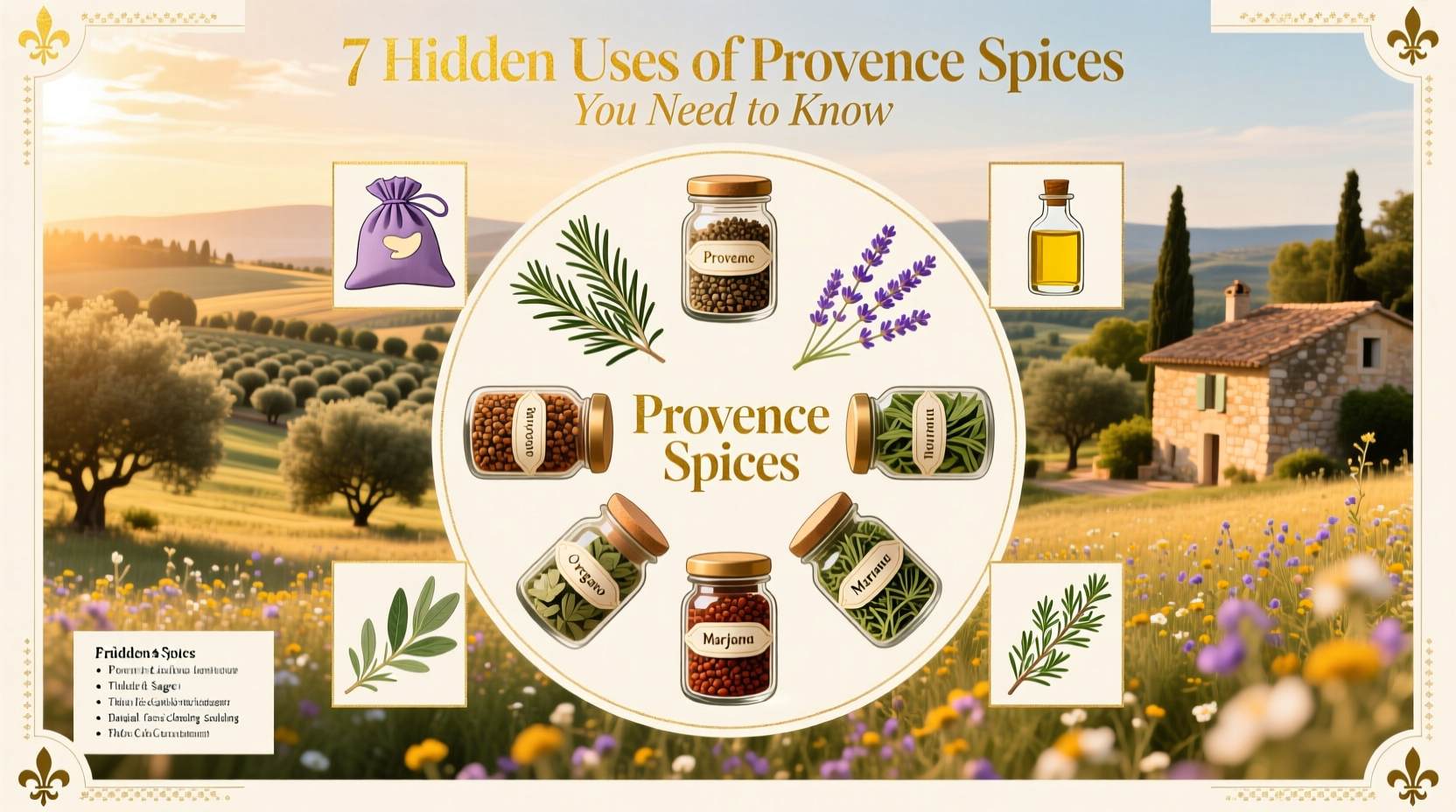
Provence spices refer primarily to herbes de Provence, a dried herb blend originating from the Provence region of southeastern France. Unlike spice mixes rooted in heat or sweetness, this blend emphasizes aromatic, floral, and earthy notes derived from herbs that thrive in the region’s limestone soils and dry climate. While commercial versions vary, traditional herbes de Provence typically include thyme, rosemary, savory, marjoram, and oregano. Lavender is sometimes included, particularly in northern Provençal variants, though its use remains polarizing due to its potent perfume.
The blend emerged in the 1970s as a commercialized version of regional herb combinations used by home cooks for generations. Its purpose was never to dominate a dish but to harmonize with the natural flavors of vegetables, olive oil, grilled fish, and legumes. Because it consists entirely of dried herbs, it lacks the moisture and enzymatic activity of fresh counterparts, making it ideal for slow infusions and long-term storage applications—uses that extend well beyond simple seasoning.
Key Characteristics
| Characteristic | Description |
|---|---|
| Flavor Profile | Earthy, floral, slightly camphorous; balanced between piney (rosemary), minty (marjoram), and peppery (savory). Lavender adds a perfumed note when present. |
| Aroma | Warm, herbal bouquet with hints of citrus and resin. Releases volatile oils when heated or crushed. |
| Color/Form | Dried, crumbled leaves; green to gray-green in color. No uniform texture—varies by brand and constituent herbs. |
| Heat Level | Non-pungent. Contains no capsaicin or spicy components. Mild unless overused. |
| Culinary Function | Flavor base, aromatic enhancer, preservative aid, infusion agent. |
| Shelf Life | 1–2 years when stored in airtight container away from light and moisture. Degrades gradually in potency. |
Practical Usage: Beyond the Roasting Pan
The true mastery of Provence spices lies not in repetition but in reimagining their role. Their high concentration of essential oils—particularly thymol in thyme and carvacrol in oregano—makes them effective beyond taste. These compounds possess antimicrobial properties and bind readily to fats and alcohols, enabling unique applications in preservation, scenting, and textural enhancement.
1. Infusing Olive Oil for Long-Term Preservation
Dried herbs from Provence blends infuse beautifully into extra virgin olive oil, creating a dual-purpose product that enhances flavor and extends shelf stability. The oil extracts lipophilic compounds from the herbs, concentrating their aroma while inhibiting microbial growth in preserved foods.
To prepare infused oil:
- Use 2 tablespoons of herbes de Provence per cup of olive oil.
- Gently warm the oil to 140°F (60°C) in a saucepan—do not boil.
- Add herbs, stir, and let steep off heat for 20 minutes.
- Strain through cheesecloth and store in a dark glass bottle.
This oil can be used to coat vegetables before confit cooking, drizzle over soups, or preserve garlic cloves and chili peppers. Because low-acid infused oils can harbor botulism if improperly handled, always refrigerate after opening and use within four weeks. For longer storage, freeze in ice cube trays.
Tip: Add a sprig of fresh rosemary to the infusion for deeper complexity. Avoid using fresh garlic in room-temperature oil infusions—roast or dehydrate it first to reduce risk.
2. Flavoring Salt and Sugar Blends
Grinding herbes de Provence with coarse sea salt creates a finishing salt that delivers both mineral crunch and herbal depth. This technique works especially well with dishes like grilled vegetables, lamb chops, or white beans.
Combine 1/4 cup coarse salt with 1 tablespoon of finely ground herbes de Provence. Mix thoroughly and store in a sealed jar. The salt draws out moisture from the herbs initially, but stabilizes over time. For dessert applications, blend the same ratio with granulated sugar—this lavender-kissed sugar excels in shortbread, lemon cakes, or crème brûlée.
3. Enhancing Legume and Grain Dishes During Cooking
Unlike fresh herbs, which lose volatile compounds during prolonged simmering, dried Provence herbs benefit from early addition. When added at the beginning of cooking legumes or whole grains, their robust structure allows them to withstand hours of hydration without disintegrating.
Add one teaspoon of herbes de Provence per cup of dried lentils, chickpeas, or farro. The blend’s savory and thyme components complement the earthiness of pulses, reducing the need for post-cooking seasoning. This method mimics the French cassoulet tradition, where dried herbs are layered into bean stews from the outset.
4. Creating Herbal Vinegar for Dressings and Pickling
Vinegar extraction captures acidic-soluble compounds from herbs, producing a bright, aromatic liquid ideal for vinaigrettes or quick pickles. Use a light vinegar such as white wine or champagne vinegar to avoid overpowering the delicate balance of the blend.
Place 2 tablespoons of herbes de Provence in a clean glass bottle. Heat one cup of vinegar just below boiling, then pour over the herbs. Seal and let cool. Store in a dark place for 7–10 days, then strain. Use to pickle red onions, dress tomato salads, or deglaze pans for sauces.
5. Baking into Bread Doughs and Focaccia Toppings
Herbes de Provence integrate seamlessly into bread doughs, especially those enriched with olive oil. The low moisture content prevents sogginess, and the heat of baking volatilizes terpenes, releasing a bakery-filling aroma.
Incorporate one tablespoon per 3 cups of flour in focaccia, ciabatta, or olive oil-enriched baguettes. For topping, mix the herbs with flaky salt and coarse-ground black pepper, then press into the dough before baking. The result is a crust that crackles with herbal fragrance and visual texture.
6. Crafting Natural Sachets for Pantry and Linen Protection
Beyond the kitchen, Provence spices serve a practical household function. Thyme and rosemary have documented antifungal and insect-repellent properties. When combined with bay leaves and stored in breathable cotton sachets, they deter moths and pantry beetles naturally.
Create a sachet by mixing 2 parts dried thyme, 1 part rosemary, and 1 part crushed bay leaf. Place in a small muslin bag and tuck into flour bins, rice containers, or linen closets. Replace every 3–4 months as aromatic potency diminishes. Avoid using blends with lavender near silk or delicate fabrics—its oil can stain.
7. Sweet Applications: Lavender-Forward Blends in Desserts
When the blend contains lavender, it becomes a bridge to pastry. Culinary-grade lavender flowers—distinct from ornamental varieties—add a honeyed, floral note that pairs exquisitely with citrus, almonds, and custards.
Use sparingly: 1/2 teaspoon of a lavender-containing herbes de Provence blend per cake or tart. Overuse results in a soapy bitterness. Ideal in pâte sablée, lemon curd tarts, or panna cotta. Combine with honey syrup for poaching peaches or pears.
“In the markets of Aix-en-Provence, bakers still sell ‘tarte aux herbes’—a sweet-savory almond tart dusted with herbes de Provence. It’s an old trick: the blend’s floral edge sings when paired with nuttiness.” — Chef Élise Moreau, La Table du Château, Luberon
Variants & Types
Not all herbes de Provence are created equal. Regional and producer variations significantly affect usability. Understanding these differences ensures proper application.
| Type | Typical Composition | Best Use Case |
|---|---|---|
| Classic Blend | Thyme, rosemary, marjoram, oregano, savory | Roasted meats, vegetable tians, bean stews |
| Lavender-Included | Same as above + 5–10% lavender flowers | Desserts, honey infusions, finishing salts |
| No-Lavender Artisanal | Equal parts thyme, savory, marjoram; no rosemary | Fish, poultry, delicate sauces |
| Rosemary-Heavy | Rosemary dominant (up to 50%), lesser thyme and oregano | Grilled lamb, root vegetables, breads |
| Custom Home Blend | Adjustable ratios based on preference | Full control over intensity and application |
For maximum flexibility, many professional kitchens maintain separate jars of individual herbs rather than relying on pre-mixed blends. This allows precise tailoring—for instance, omitting lavender when making a ratatouille or doubling thyme for a daube.
Comparison with Similar Ingredients
Herbes de Provence are frequently confused with other herb blends, but key distinctions exist in composition, origin, and use.
- Italian Seasoning: Often includes basil and parsley—both absent in authentic herbes de Provence. Italian blends are fresher, greener, and better suited to tomato-based sauces. Provence herbs are drier, woodier, and more compatible with slow-cooked dishes.
- Bay Leaves: Used individually, not as a blend. Bay contributes a single-layer mentholated note, whereas herbes de Provence provide complexity. However, bay is traditionally added alongside the blend in stews.
- ZA'ATAR: A Middle Eastern spice mix containing sumac, sesame seeds, and sometimes thyme. ZA'atar is tangy and nutty; herbes de Provence are floral and earthy. Not interchangeable, though both work well with olive oil and flatbreads.
- Poultry Seasoning: Typically includes sage, allspice, and nutmeg—warm, autumnal spices unsuited to Mediterranean cuisine. Herbes de Provence lack sweet spices and emphasize savory, perennial herbs.
Practical Tips & FAQs
Should I use herbes de Provence fresh or dried?
Dried. The blend is specifically formulated as a dried herb mix. Fresh herbs from Provence—while delicious—behave differently in cooking due to higher water content and more volatile aromatics. Substituting fresh for dried in a 1:1 ratio will dilute flavor and alter texture.
Can I make my own herbes de Provence?
Yes, and doing so improves quality. Combine 2 parts dried thyme, 2 parts dried savory, 1 part marjoram, 1 part rosemary, and 1 part oregano. For a floral variant, add 1/2 part food-grade lavender. Grind lightly in a mortar or spice grinder just before use for maximum aroma.
How much should I use per dish?
Start with 1/2 to 1 teaspoon per serving. Because the blend contains concentrated dried herbs, overuse can become medicinal, especially if rosemary or lavender dominates. Add early in cooking for stews; sprinkle toward the end for salads or grilled items.
Is lavender in herbes de Provence safe to eat?
Only if labeled “culinary grade.” Ornamental lavender may be treated with pesticides or contain species unsuitable for consumption. True *Lavandula angustifolia* is safe in moderation. Avoid brands listing “fragrance” or “essential oil” as ingredients.
How do I store herbes de Provence?
In an airtight glass jar, away from heat, light, and moisture. A cool, dark cupboard is ideal. Do not store above the stove. Properly stored, the blend retains potency for up to 18 months. Test freshness by rubbing a pinch between fingers—if the aroma is faint, replace it.
What are the best dishes to showcase herbes de Provence?
- Ratatouille (added during sauté phase)
- Daube de boeuf (simmered with wine and aromatics)
- Chickpea salad with lemon vinaigrette
- Olive oil cake with lavender sugar
- Grilled zucchini and eggplant
- Tomato-tarragon soup (with a pinch for depth)
Checklist: Maximizing Your Herbes de Provence
☐ Buy small quantities to ensure freshness
☐ Store in a dark glass jar with tight lid
☐ Label with purchase date
☐ Use within 12–18 months
☐ Keep a separate lavender-free blend for savory dishes
☐ Grind lightly before use for stronger aroma
☐ Pair with olive oil, garlic, tomatoes, and legumes
Summary & Key Takeaways
Herbes de Provence are far more than a roasting spice. Their complex aromatic profile and functional properties enable diverse applications—from preserving foods and infusing oils to enhancing desserts and protecting pantry goods. By understanding their composition, variants, and non-traditional uses, cooks can move beyond predictable seasoning into the realm of holistic flavor design.
The seven hidden uses outlined here—oil infusion, salt and sugar blending, legume enhancement, vinegar extraction, bread integration, sachet creation, and dessert application—reveal the adaptability of this iconic blend. Whether leveraging thyme’s antimicrobial strength or lavender’s floral lift, each application honors the essence of Provençal cuisine: simplicity elevated by nature’s bounty.
Mastering these techniques does not require rare ingredients or advanced tools. It demands only attention, curiosity, and respect for how dried herbs interact with fat, acid, heat, and time. In doing so, the humble jar of herbes de Provence transforms from background player to indispensable culinary ally.
Ready to experiment? Start by making a small batch of herbes-infused olive oil and use it to finish a simple white bean purée. Notice how the herbs bloom in the fat, adding depth without overwhelming. From there, explore one new application per week—your palate (and pantry) will thank you.




 浙公网安备
33010002000092号
浙公网安备
33010002000092号 浙B2-20120091-4
Comments
No comments yet. Why don't you start the discussion?