
Zesting a lime seems simple—run the fruit across a grater, collect the green shavings, and move on. But in practice, many home cooks end up with bitter white pith, uneven strips, or wasted citrus. The difference between amateur and professional results lies not in luck, but in technique. Proper lime zest is vibrant, aromatic, and free of bitterness, delivering a concentrated burst of citrus essential oils that elevate everything from ceviche to key lime pie. When done correctly, zesting maximizes flavor while preserving the integrity of the fruit. Yet, without the right tools and approach, it’s easy to compromise both taste and texture. This guide reveals seven expert-backed techniques to ensure flawless lime zest every time—consistent in size, clean in flavor, and abundant in yield.
What Is Lime Zest—and Why It Matters
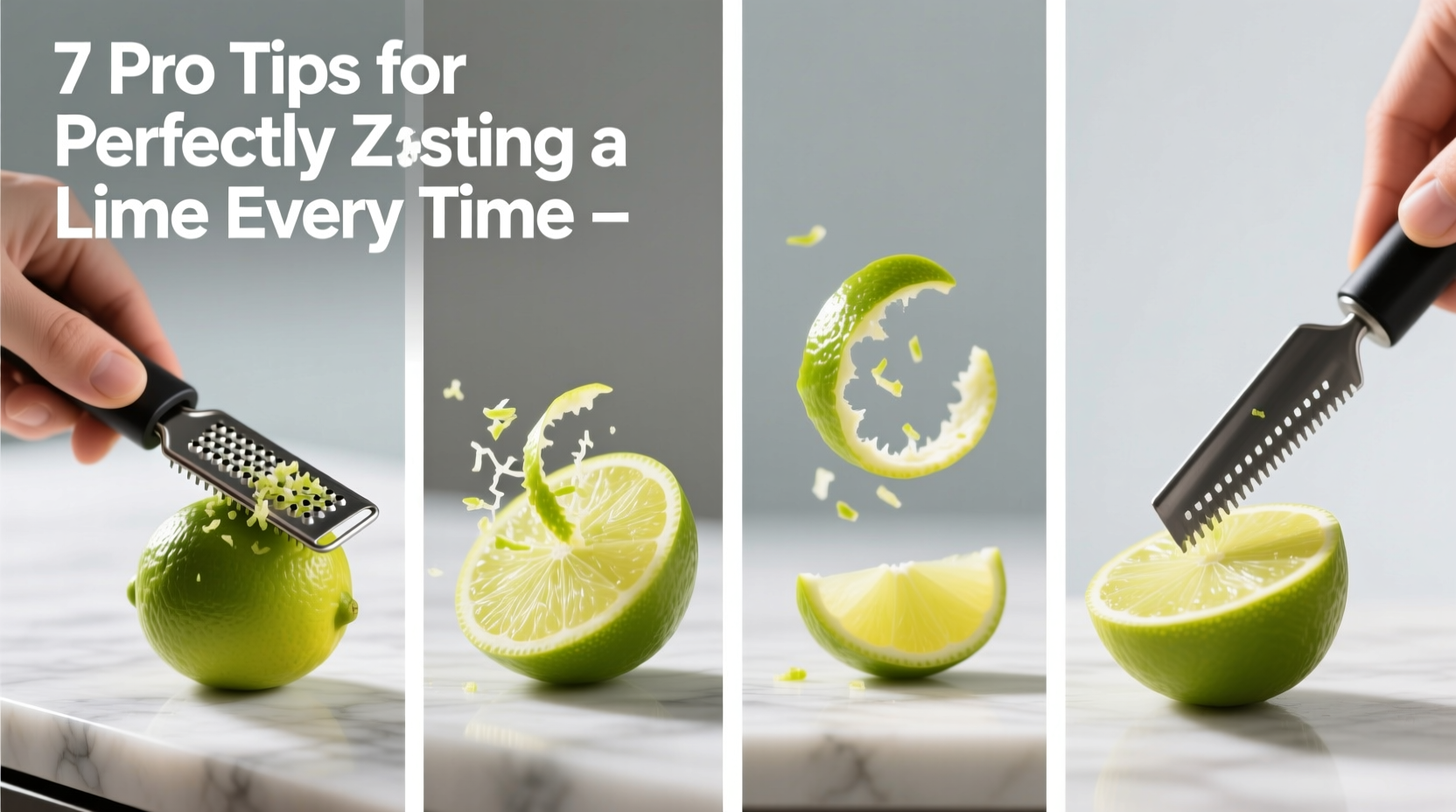
Lime zest refers to the thin, colored outer layer of the lime peel, known botanically as the flavedo. This layer houses thousands of tiny oil glands packed with aromatic compounds like limonene, citral, and linalool—volatile molecules responsible for the bright, tangy, floral-citrus aroma associated with fresh limes. Unlike juice, which provides acidity, zest delivers concentrated fragrance and complexity, making it a prized ingredient in both sweet and savory applications.
Originating in Southeast Asia, limes (primarily *Citrus aurantiifolia*, the Persian or Key lime) are now cultivated globally, especially in tropical and subtropical regions. In culinary traditions from Mexico to Thailand, the zest is used as a finishing accent or infused into marinades, sauces, and baked goods. Because the white pith beneath the zest—the albedo—is intensely bitter, removing only the colored portion is critical. A successful zesting technique isolates this flavorful rind without compromising quality or introducing off-notes.
Key Characteristics of Fresh Lime Zest
| Characteristic | Description |
|---|---|
| Flavor Profile | Bright, tart, slightly floral with sharp citrus notes; more intense than juice |
| Aroma | Fragrant, fresh, reminiscent of lemon but greener and more acidic |
| Color & Form | Vibrant green to yellow-green fine shreds or powder; should not include white |
| Heat Sensitivity | Best added at the end of cooking to preserve volatile oils |
| Culinary Function | Flavor enhancer, aromatic accent, natural preservative in some preparations |
| Shelf Life (Fresh) | Up to 3 days refrigerated; freezes well for up to 6 months |
Pro Tip #1: Choose Ripe, Organic Limes
The foundation of great zest starts before you pick up a tool. Select limes that are firm, heavy for their size, and have smooth, glossy skin. These indicate high moisture content and optimal oil development in the rind. Avoid fruits with soft spots, wrinkles, or dull coloring, as these suggest dehydration and diminished aromatic potency.
Whenever possible, opt for organic limes. Conventional limes are often waxed and treated with pesticides that concentrate on the peel—the very part you're using. Washing helps, but cannot fully remove all residues. Organic limes are less likely to carry synthetic coatings, making them safer and more suitable for zesting. If only conventional limes are available, scrub thoroughly under hot water with a produce brush and dry completely before zesting.
Expert Tip: Roll the lime firmly on the counter with the palm of your hand before cutting or zesting. This breaks internal membranes, releasing more juice and loosening oil glands in the peel—making zest easier to extract and more fragrant.
Pro Tip #2: Use the Right Tool for the Job
Not all zesting tools are created equal. Each has strengths depending on desired texture and application:
- Microplane Grater: The gold standard for fine, fluffy zest. Its razor-sharp blades remove only the colored rind with minimal effort and almost no pith. Ideal for baking, cocktail rims, and delicate sauces.
- Box Grater (Fine Side): Readily available but harder to control. Can pull in pith if pressed too hard. Best for quick home use when a Microplane isn’t available.
- Citrus Zester (Five-Pronged Tool): Creates long, curly ribbons of zest. Excellent for garnishes or infusions where visual appeal matters.
- Paring Knife + Mandoline (for strips): For chefs needing uniform peels for candying or marmalade, a knife allows precise control over depth.
- Vegetable Peeler (Y-shaped preferred): Efficient for removing large swaths of peel when making infusions or syrups—though further mincing may be required.
Avoid cheese graters with wide holes—they tear the peel and pull up pith. Similarly, electric graters can overheat the oils, dulling the aroma. Stick with handheld precision tools for best results.
Pro Tip #3: Zest Before Juicing
This may seem obvious, but it's frequently overlooked. Always zest the lime before cutting it open to juice. Once halved, the fruit becomes slippery and difficult to handle safely against a grater. Moreover, moisture from the cut surface can make the peel slick, increasing the risk of slipping and injury. By removing the zest first, you maintain a dry, stable surface for secure zesting. Additionally, intact limes store better after partial use—zest one now, juice the rest later without compromising freshness.
Pro Tip #4: Apply Light, Even Pressure
Heavy-handed zesting is the leading cause of bitter pith contamination. The flavedo is incredibly thin—often less than 1 mm thick—while the albedo underneath is porous and absorbs flavors unpleasantly. To avoid digging in:
- Hold the lime firmly in one hand and the tool in the other.
- Use short, downward strokes with gentle pressure.
- Rotate the lime frequently to work around its curvature evenly.
- Stop immediately once you see white appearing in the zest.
If using a Microplane, let the tool do the work—don’t press down aggressively. Think of it as “shaving” rather than “grating.” With practice, you’ll develop a feel for how much material lifts away with each pass. On average, one medium lime yields about 1 to 1.5 teaspoons of fine zest.
Safety Note: Always zest away from your body and keep fingers curled back. Consider using a silicone fingertip guard if working with small citrus or fatigued hands.
Pro Tip #5: Work Over a Cool Surface
Heat degrades citrus essential oils rapidly. To preserve maximum aroma and flavor, zest over a cool plate or cutting board—not directly over a hot stove or steaming pot. For extended prep, chill the limes in the refrigerator for 20–30 minutes beforehand. Cold limes are firmer, reducing cellular rupture during zesting and minimizing juice seepage into the rind. This leads to cleaner, drier zest with superior shelf life and fragrance intensity.
Pro Tip #6: Store Zest Properly for Later Use
Fresh lime zest is highly perishable due to its oil content, which oxidizes quickly when exposed to air. For immediate use, incorporate within hours. For longer storage:
- Refrigeration: Place zest in an airtight container lined with a paper towel to absorb moisture. Use within 2–3 days.
- Freezing: Spread zest in a single layer on a parchment-lined tray; freeze until solid, then transfer to a sealed freezer bag. Grate frozen directly into dishes—no thawing needed. Keeps for up to 6 months.
- In Oil or Sugar: Infuse zest into neutral oil (like grapeseed) for dressings, or mix into sugar for baking. Both methods extend usability and add depth.
Never store zest in water or humid environments—it encourages mold and dilutes flavor.
Pro Tip #7: Know When and How to Use Zest in Recipes
Zest is not interchangeable with juice, nor should it be treated as a mere garnish. Understanding its role ensures balanced results:
- In Baking: Fold finely grated zest into batters just before baking to distribute flavor evenly. Pair with sugar by rubbing zest into granulated sugar first—this releases oils and creates \"citrus sugar,\" enhancing aroma throughout the dish.
- In Sauces & Marinades: Add zest early in reduction-based sauces (e.g., gastriques) so heat gently extracts oils without burning. In raw applications like salsas or vinaigrettes, add at the end to retain brightness.
- In Cocktails: Express a strip of zest over the drink to spray oils onto the surface, then drop it in as a garnish. This technique, called \"twisting,\" amplifies aroma dramatically.
- In Savory Dishes: Finish grilled fish, tacos, or rice bowls with a pinch of zest to cut richness and add freshness.
As a rule of thumb: 1 teaspoon of fresh lime zest ≈ 1 tablespoon of juice in terms of flavor impact, though they serve different purposes. Use zest for fragrance, juice for acidity.
Variants and Forms of Citrus Zest
While this guide focuses on limes, the principles apply across citrus varieties. However, differences in peel thickness and oil concentration affect technique:
| Citrus Type | Peel Thickness | Zesting Recommendation |
|---|---|---|
| Persian Lime | Thin | Use Microplane with light pressure |
| Key Lime | Very thin | Handle gently; prone to shredding |
| Lemon | Moderate | Tolerates slightly more pressure |
| Orange | Thick | Can use vegetable peeler for larger pieces |
| Grapefruit | Thick, bitter pith | Blanch peels first if using beyond zest |
Dried lime zest exists commercially but lacks the vibrancy of fresh. Freeze-dried versions retain more aroma than sun-dried, but nothing substitutes for freshly grated zest in professional cooking.
Comparison: Lime Zest vs. Lemon Zest vs. Lime Juice
These ingredients are often confused or substituted without understanding their distinct roles:
- Lime Zest vs. Lemon Zest: Lemon zest is slightly sweeter and less acidic, with deeper floral notes. While interchangeable in some recipes, substitution alters the final profile—limes offer sharper, greener top notes ideal for Latin, Caribbean, and Southeast Asian cuisines.
- Lime Zest vs. Lime Juice: Juice provides liquid acidity; zest offers dry, concentrated aroma. Using juice instead of zest will lack fragrance and alter texture. Conversely, using only zest without juice misses the sour balance crucial in dishes like ceviche.
- Ground Dried Lime vs. Fresh Zest: Common in Middle Eastern spice blends, dried lime powder is smoky and fermented—entirely different from fresh zest. Not a substitute unless specifically called for.
\"The scent of fresh lime zest is the first impression a dish makes. Get it right, and you’ve already won half the battle.\" — Chef Elena Ruiz, Executive Pastry Chef, Miami
Practical Tips & FAQs
How much zest does one lime yield?
A medium Persian lime produces approximately 1 to 1.5 teaspoons of finely grated zest. Key limes yield less due to smaller size—about ½ teaspoon per fruit.
Can I use bottled lime juice instead of fresh zest?
No. Bottled juice lacks essential oils entirely and often contains preservatives that mute flavor. It cannot replicate the aromatic lift of fresh zest.
Is lime zest edible on its own?
Yes, but it’s potent. Consumed raw in small amounts (e.g., in spice blends), it’s safe. Large quantities may cause digestive irritation due to fiber and oils.
What if I accidentally get pith in my zest?
Separate it manually if possible. If already mixed in, use sparingly—bitterness intensifies with heat. Balance with sweetness or fat in the recipe.
Can I zest a frozen lime?
Not recommended. Frozen limes become brittle and shatter when grated, producing uneven particles and potential ice contamination. Thaw completely first.
Are there allergy concerns with citrus zest?
Rare, but possible. Citrus allergies often stem from proteins in the peel. Individuals with sensitivities should avoid direct contact or consumption.
Summary & Key Takeaways
Perfect lime zesting hinges on precision, timing, and tool selection. Start with fresh, preferably organic limes and zest before juicing to maintain control. Use a Microplane or dedicated citrus zester with light, even strokes to capture only the aromatic flavedo. Avoid the bitter pith by stopping at the first sign of white. Work over a cool surface, store properly, and apply zest strategically—either early in infusions or at the end for maximum fragrance.
Remember: great flavor begins with attention to detail. Whether you're crafting a margarita, garnishing a coconut curry, or folding zest into shortbread, these seven techniques ensure consistency, safety, and superior taste. Master them, and you'll never settle for lackluster citrus again.
Next time you reach for a lime, take an extra minute to zest it like a pro. Your palate—and your guests—will notice the difference.




 浙公网安备
33010002000092号
浙公网安备
33010002000092号 浙B2-20120091-4
Comments
No comments yet. Why don't you start the discussion?