
Turmeric is often relegated to golden milk lattes or curry pastes, but its culinary potential extends far beyond those applications—especially in simmered dishes like chili. While chili traditionally leans on cumin, paprika, and chili powder for depth, introducing turmeric unlocks layers of complexity, color, and health-supportive compounds that most home cooks overlook. This earthy, vibrant spice doesn’t just add a sunset hue; it contributes subtle bitterness, floral notes, and a mild peppery warmth that integrates seamlessly into slow-cooked legumes, meats, and vegetables. Far from being a one-note ingredient, turmeric enhances umami, stabilizes flavor over time, and even improves digestibility. Whether you’re making beef chili, white bean stew, or a plant-based smoky lentil version, turmeric’s influence is both functional and transformative. Understanding how to wield it properly ensures your dishes gain dimension without veering into medicinal territory.
Definition & Overview
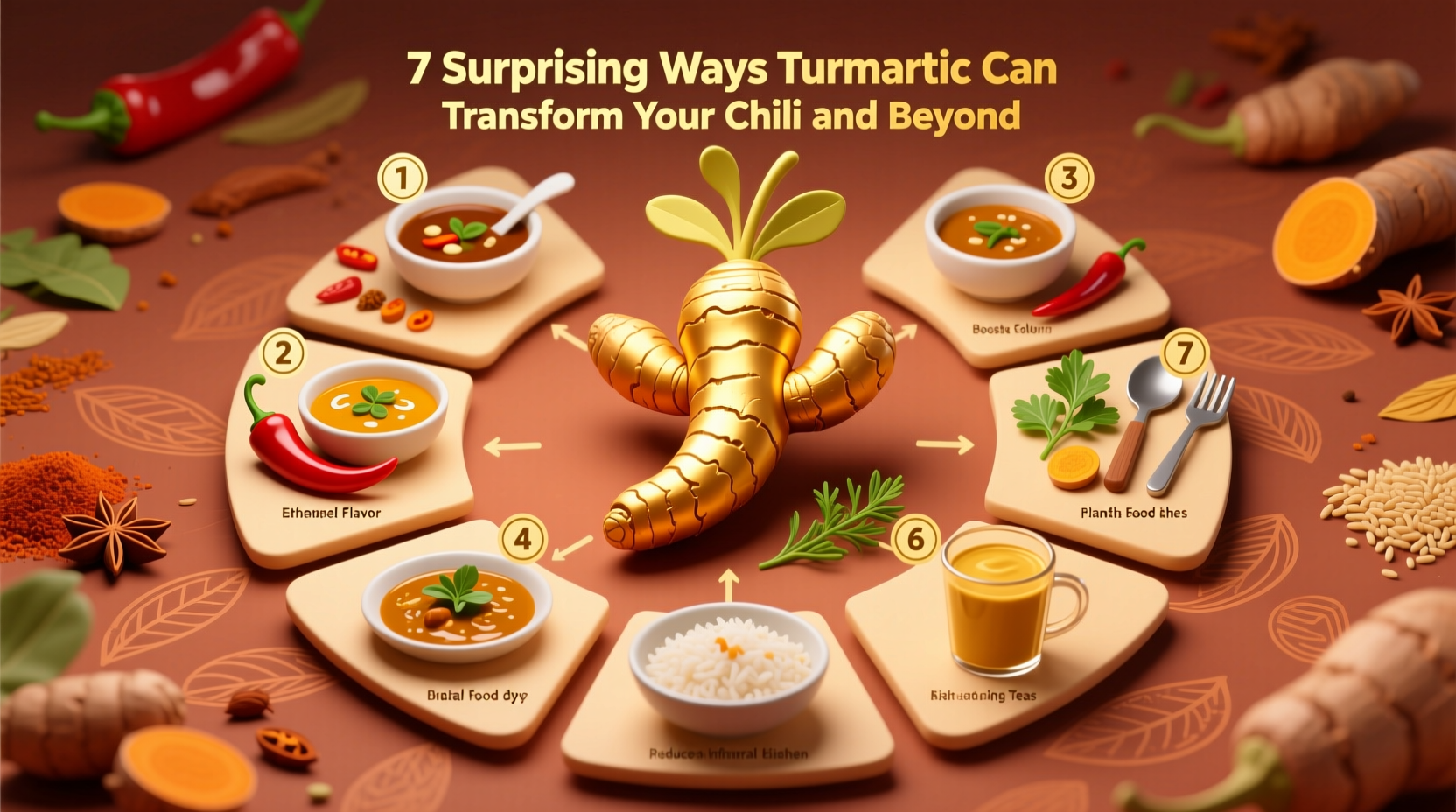
Turmeric (Curcuma longa) is a rhizomatous herbaceous perennial plant belonging to the Zingiberaceae family, which also includes ginger and cardamom. Native to Southeast Asia and India, it has been cultivated for over 4,000 years for culinary, medicinal, and ceremonial purposes. The part used in cooking is the dried and ground rhizome, which yields a deep orange-yellow powder renowned for its staining power and bioactive compound, curcumin. In Indian cuisine, turmeric is foundational—used daily in dals, rice dishes, marinades, and vegetable sautés. Its role transcends coloration; it acts as a preservative, digestive aid, and flavor modulator. Globally, it's increasingly recognized not only for its antioxidant and anti-inflammatory properties but also for its ability to deepen savory profiles when balanced correctly.
In Western kitchens, turmeric remains underutilized outside of trendy wellness drinks or pre-mixed curry blends. However, its compatibility with slow-cooked, tomato-based, and legume-heavy dishes makes it ideal for chili—a dish built on layering spices and allowing them to meld over hours. When applied thoughtfully, turmeric does not dominate but instead rounds out sharp edges, amplifies richness, and lends a polished finish to robust stews.
Key Characteristics
| Attribute | Description |
|---|---|
| Flavor Profile | Earthy, slightly bitter, mildly peppery, with faint citrus and floral undertones. |
| Aroma | Warm, woody, reminiscent of dried ginger with a camphorous lift. |
| Color | Vibrant golden-orange; highly pigmented and stain-prone. |
| Heat Level | Non-pungent; no capsaicin-like burn. Adds warmth through aroma, not heat. |
| Culinary Function | Flavor base, colorant, preservative, umami enhancer, digestion aid. |
| Shelf Life | 6–12 months in an airtight container away from light and moisture. |
Practical Usage: How to Use Turmeric in Chili and Other Dishes
The key to using turmeric effectively lies in timing, dosage, and synergy with fats and acids. It is fat-soluble and thermally activated, meaning it performs best when bloomed in oil at the beginning of cooking. For chili, add ½ to 1 teaspoon of ground turmeric per 6 servings during the initial sauté phase—alongside onions, garlic, and other dried spices like cumin and smoked paprika. Heating turmeric in oil (a process known as “blooming”) releases volatile oils, reduces raw bitterness, and intensifies its aromatic contribution.
Beyond chili, turmeric integrates well into any dish involving beans, lentils, tomatoes, or root vegetables. Try stirring a pinch into black bean soup, roasted cauliflower, or tomato-based pasta sauces. It pairs exceptionally with cumin, coriander, black pepper (which boosts curcumin absorption), and smoked ingredients like chipotle or bacon. In vegetarian chilis, turmeric compensates for the absence of meat-derived umami by enhancing the savoriness of mushrooms, lentils, and toasted spices.
Pro Tip: Always combine turmeric with black pepper and a fat source (oil, coconut milk, cheese) to maximize curcumin bioavailability. Without this trio, up to 75% of its active compounds may pass unabsorbed.
1. Deepens Flavor Complexity Without Adding Heat
Unlike chili powders or cayenne, turmeric contributes no spiciness. Instead, it adds a grounding earthiness that balances bright acidity from tomatoes and vinegar. In a bowl of chili, this creates a more rounded profile—less one-dimensionally hot and more layered. Think of it as the bass note in a musical chord: not always noticeable alone, but essential for fullness.
2. Enhances Color Naturally
Turmeric is nature’s food coloring. A small amount imparts a rich amber glow that makes chili appear heartier and more appetizing. Unlike artificial dyes, it does so while contributing nutritional value. This is particularly useful in lighter-colored chilis—such as turkey, white bean, or green lentil versions—that might otherwise look dull.
3. Stabilizes Flavor During Long Simmering
Turmeric’s chemical structure remains stable over prolonged cooking. While some delicate herbs fade after hours of simmering, turmeric holds its ground, ensuring consistent flavor from first bite to leftovers the next day. This makes it ideal for make-ahead or slow-cooker chilis where spice integration is critical.
4. Boosts Anti-Inflammatory Properties
Curcumin, the primary polyphenol in turmeric, has been extensively studied for its anti-inflammatory effects. While culinary doses won’t replace supplements, regular inclusion in dishes like chili contributes cumulative benefits—especially when paired with black pepper and healthy fats. For those managing joint pain, metabolic syndrome, or chronic inflammation, turmeric-enriched meals offer a practical dietary strategy.
5. Improves Digestibility of Legumes
Beans and lentils are staples in chili, but they can cause bloating due to complex sugars (oligosaccharides). Turmeric stimulates bile production and supports liver function, aiding in the breakdown of fats and proteins. Combined with cumin and ginger—common chili spices—it forms a digestive-supportive triad that helps prevent discomfort after heavy meals.
6. Acts as a Natural Preservative
Turmeric has documented antimicrobial properties, inhibiting the growth of certain bacteria and molds. While not a replacement for refrigeration, this quality extends the safe shelf life of cooked chili stored in the fridge by slowing spoilage. This was historically one reason it became so integral in warm-climate cuisines where food preservation was crucial.
7. Elevates Leftovers and Freezer Meals
Many spices degrade or become harsh upon reheating, but turmeric mellows beautifully. Its flavors integrate further over time, making day-old chili often taste better than fresh. This stability also makes it ideal for freezer-friendly batches—turmeric helps maintain flavor integrity even after months in cold storage.
Variants & Types of Turmeric
Not all turmeric is created equal. The form you choose affects potency, convenience, and application.
- Ground Turmeric (Dried Powder): Most common in Western pantries. Convenient but loses potency faster than whole forms. Best used within 6–8 months of opening.
- Fresh Turmeric Rhizome: Looks like pale ginger, with bright orange flesh. Offers brighter, juicier flavor and higher curcumin levels. Grate or slice into chili during early cooking stages. Must be peeled and handled carefully—it stains.
- Crushed Whole Root (Dehydrated Slices): Less common but excellent for infusing soups and stews. Removed before serving, similar to a bay leaf.
- Liquid Extracts & Tinctures: Highly concentrated; typically used medicinally. Not recommended for general cooking due to intensity and alcohol base.
- Curry Powders & Blends Containing Turmeric: Convenient but vary widely in turmeric content. Often diluted with fillers. Check labels for “curcumin content” if seeking health benefits.
| Type | Best For | Drawbacks |
|---|---|---|
| Ground Powder | Daily use, spice blends, quick dishes | Oxidizes quickly; weaker flavor over time |
| Fresh Rhizome | Gourmet or health-focused cooking | Short shelf life; messy to handle |
| Whole Dehydrated | Infusions, broths, stocks | Not suitable for direct consumption |
| Liquid Extract | Supplemental use | Too strong for culinary use |
Comparison with Similar Ingredients
Turmeric is frequently confused with saffron or ginger due to visual or botanical similarities. Understanding the differences prevents misuse and wasted expense.
| Ingredient | Flavor | Cost | Primary Use | Substitution Possible? |
|---|---|---|---|---|
| Turmeric | Earthy, bitter, mild pepper | $ | Color, base spice, health support | N/A (original) |
| Saffron | Floral, honeyed, metallic | $$$$$ | Luxury coloring, fragrance | No—too expensive and distinct |
| Ginger | Sharp, pungent, spicy-sweet | $$ | Heat, zing, digestive aid | Partial—same family, different role |
“Turmeric isn't just a spice—it’s a flavor anchor. In my restaurant, we use it in braises and stews not because it’s trendy, but because it makes the food taste more complete.” — Chef Amara Singh, James Beard nominee for Modern South Asian Cuisine
Practical Tips & FAQs
How much turmeric should I add to chili?
Start with ½ teaspoon per 6-serving batch. You can increase to 1 teaspoon for deeper color and flavor, but avoid exceeding 1.5 teaspoons unless using fresh turmeric, which is milder. Overuse leads to soapy or medicinal off-notes.
Can I substitute fresh turmeric for ground?
Yes. One inch of fresh turmeric (peeled and grated) equals approximately 1 teaspoon of ground. Fresh turmeric offers brighter, more citrusy tones and slightly higher curcumin content.
Does turmeric change the taste of traditional chili?
It alters the profile subtly—not drastically. If balanced with cumin, oregano, and smoked paprika, it enhances rather than overpowers. Many tasters describe turmeric-infused chili as “smoother” and “more cohesive.”
Why does my chili taste bitter when I use turmeric?
Bitterness arises from either too much turmeric or insufficient blooming. Always cook turmeric in oil for at least 60 seconds before adding liquids. Pair it with a pinch of sugar or acid (like lime juice) to balance bitterness.
How do I store turmeric properly?
Keep ground turmeric in an airtight glass jar, away from sunlight and heat. Avoid storing above the stove or near the dishwasher. Fresh turmeric can be wrapped in paper towel and kept in the crisper drawer for up to two weeks.
Is there a non-staining version of turmeric?
No true alternative eliminates staining, though some cultivars (like ‘White Turmeric’) have less pigment. To minimize mess, wear gloves when handling fresh turmeric and clean surfaces immediately with vinegar or baking soda paste.
Can I use turmeric in non-savory dishes?
While primarily used in savory contexts, turmeric appears in some sweet applications—such as spiced poached pears, turmeric shortbread, or mango lassi. Use sparingly (⅛–¼ tsp) and pair with cinnamon, cardamom, or vanilla.
Storage Checklist:
- Store in dark, cool place
- Use amber or opaque containers
- Label with purchase date
- Replace ground turmeric every 8–12 months
- Freeze fresh turmeric for up to 3 months (grate frozen)
Summary & Key Takeaways
Turmeric is far more than a colorful supplement—it is a functional, versatile spice that elevates chili in multiple surprising ways. From enriching flavor depth and improving digestibility to enhancing the visual appeal and longevity of leftovers, its contributions are both sensory and physiological. When bloomed in oil with complementary spices and paired with black pepper and fat, turmeric integrates seamlessly into traditional and modern chili recipes alike.
The seven transformative roles of turmeric include:
- Adding earthy complexity without heat
- Imparting natural golden color
- Stabilizing flavor during long simmers
- Contributing anti-inflammatory compounds
- Aiding digestion of legumes
- Acting as a mild preservative
- Improving the quality of reheated and frozen meals
Understanding the different forms—ground, fresh, whole—and their optimal uses allows for greater precision in cooking. Proper storage preserves potency, while mindful pairing avoids bitterness and maximizes benefits. Compared to saffron or ginger, turmeric occupies a unique niche: affordable, accessible, and deeply functional.
Next time you make chili, don’t reach for turmeric out of trendiness—reach for it as a chef would: as a tool to refine, balance, and future-proof your dish. Once you experience how it transforms not just the pot but the palate, you’ll wonder how you ever made chili without it.




 浙公网安备
33010002000092号
浙公网安备
33010002000092号 浙B2-20120091-4
Comments
No comments yet. Why don't you start the discussion?