
Chicken Tikka is more than just marinated chicken—it’s a cultural icon, a dinner party savior, and, when done right, a smoky, aromatic revelation. But let’s be honest: many home attempts end up tasting like “chicken that went camping near a campfire.” The culprit? Often, it's not the grill or the yogurt—it’s the spice blend. A great Chicken Tikka lives or dies by its masala. Too much garam, and you’re chewing on chai. Too little cumin, and it tastes like poultry in witness protection. This guide dives deep into crafting the perfect Chicken Tikka spice blend, balancing authenticity, technique, and a healthy dose of kitchen reality. Whether you're hosting a backyard barbecue or trying to impress your skeptical mother-in-law, these seven tips will elevate your spice game from \"meh\" to magnificent—with a chuckle along the way.
What Is Chicken Tikka—and Why Does the Spice Blend Matter?
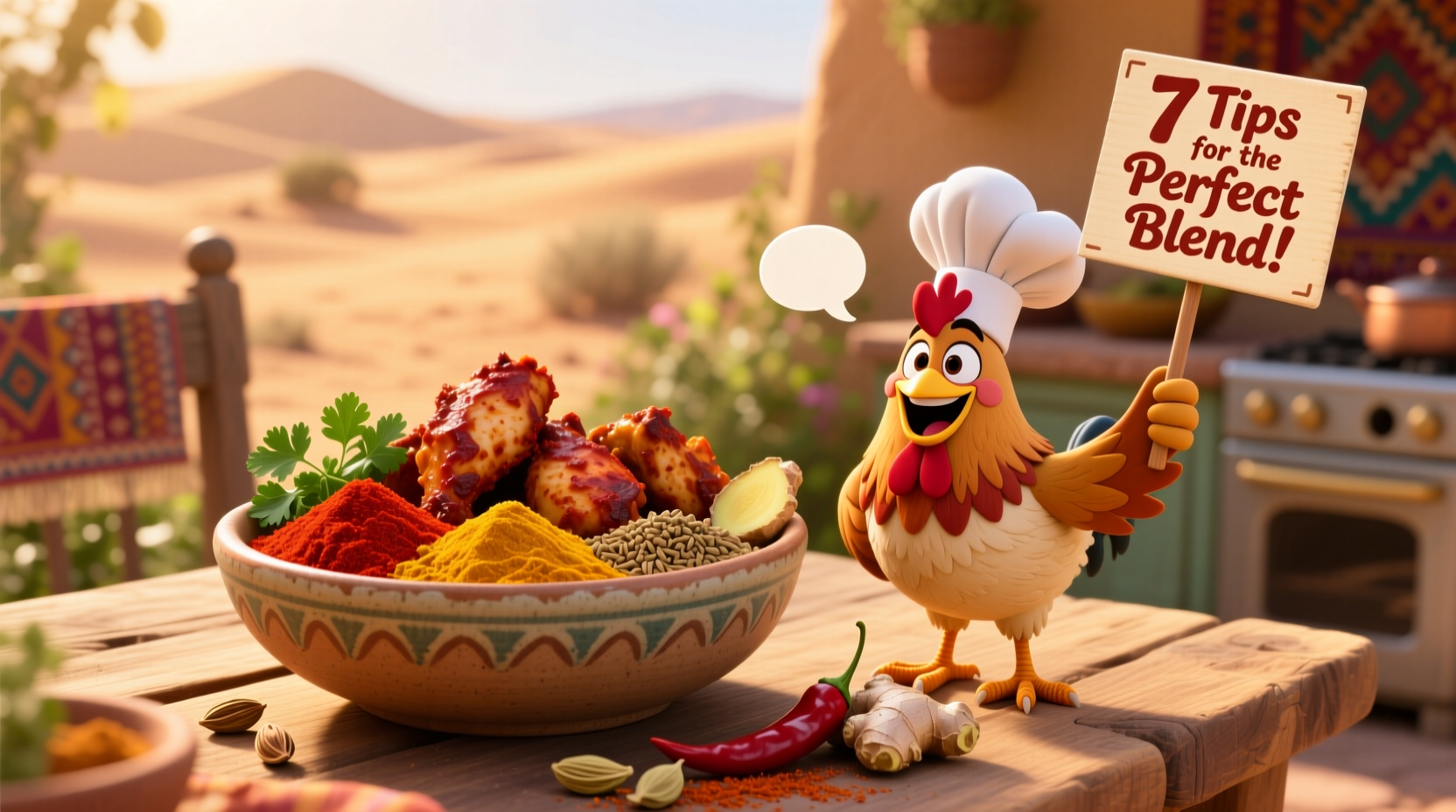
Chicken Tikka originated in the Punjab region, straddling modern-day India and Pakistan, and has since become a global ambassador of Indian cuisine. Traditionally, boneless chicken pieces are marinated in spiced yogurt and cooked in a tandoor—a clay oven that reaches searing temperatures. The result is tender, charred, deeply flavored meat with a signature crimson hue.
The magic isn’t just in the heat or the marinade base; it’s in the spice blend. Unlike generic “curry powder,” Chicken Tikka masala relies on a precise harmony of warm, earthy, tangy, and floral notes. Each spice plays a role: turmeric for color and mild bitterness, coriander for citrusy depth, cumin for earthiness, and Kashmiri red chili for vibrant color without excessive heat. When balanced correctly, the blend doesn’t overpower the chicken—it elevates it.
But here’s the truth most recipe blogs won’t admit: store-bought tikka powders often miss the mark. They’re either too salty, too sweet, or loaded with fillers that mute the complexity. Crafting your own blend ensures freshness, control, and a personal touch. Plus, there’s something undeniably satisfying about grinding spices while muttering, “I am now a flavor wizard,” under your breath.
Key Characteristics of an Ideal Chicken Tikka Spice Blend
A well-crafted Chicken Tikka spice mix should deliver on several fronts: aroma, flavor balance, color, and functionality in marinades. Below is a breakdown of essential characteristics:
| Characteristic | Description |
|---|---|
| Flavor Profile | Warm, earthy, slightly tangy, with subtle sweetness and low-to-medium heat. Should enhance, not dominate, the chicken. |
| Aroma | Fragrant but not pungent—imagine toasted seeds, dried citrus peel, and faint smoke. |
| Color | Ruby-red to deep orange, primarily from Kashmiri chili and turmeric. Avoid neon hues from artificial dyes. |
| Heat Level | Low to medium. Authentic tikka isn’t about burning your taste buds; it’s about warmth and depth. |
| Culinary Function | Penetrates yogurt-based marinades, adheres to protein, withstands high heat without burning. |
| Shelf Life | 3–6 months in an airtight container away from light. Whole spices last longer; ground lose potency faster. |
7 Expert Tips for the Perfect Chicken Tikka Spice Blend
1. Toast Your Spices—Yes, Even the Ground Ones (Carefully)
Many cooks skip toasting, assuming it only applies to whole spices. Not so. Lightly toasting pre-ground spices—especially cumin, coriander, and fenugreek—awakens volatile oils, deepening their flavor. Use a dry skillet over medium-low heat for 60–90 seconds, stirring constantly. Overheat them, and they turn bitter—like regret after a bad karaoke night.
“Spices are like actors: raw, they’re nervous. Toasted, they know their lines.” — Anonymous Mumbai chef, possibly after three lassis
Pro tip: Let them cool completely before mixing. Warm spices can clump in storage.
2. Balance Earth, Heat, and Brightness Like a Flavor DJ
The best blends don’t shout—they harmonize. Think of your spice mix as a musical trio:
- Earth (Cumin, Coriander, Fenugreek): The bassline. Deep, steady, grounding.
- Heat & Color (Kashmiri Chili, Paprika): The rhythm. Adds pulse without overwhelming.
- Brightness (Turmeric, Ginger, Lemon Zest Option): The high notes. Cuts through richness.
Aim for ratios like this in a base batch (makes ~½ cup):
- 2 tbsp ground coriander
- 1.5 tbsp ground cumin
- 1 tbsp Kashmiri red chili powder (or 1 tsp cayenne + 2 tsp paprika for milder heat)
- 1.5 tsp turmeric
- 1 tsp ground ginger
- ½ tsp fenugreek (use sparingly—it’s potent!)
- 1 tsp garam masala (added last, for finish)
- Salt to taste (about 1 tsp if not salting separately)
💡 Pro Tip: Add a microplane of fresh lemon zest to the dry mix for brightness—just use it within a week. Or, toast a few dried curry leaves and grind them in for a grassy, nutty twist.
3. Ditch the Generic Garam Masala—Make Your Own Tikka-Specific Version
Garam masala varies wildly by region. North Indian versions (ideal for tikka) are warmer and less cinnamon-heavy than commercial blends. Pre-mixing your own small-batch garam ensures control. Combine:
- 1 tsp black cardamom (smoky, intense)
- 4 green cardamom pods
- 1-inch cinnamon stick
- 4 cloves
- 2 star anise (optional, for licorice nuance)
- 6 black peppercorns
Dry roast, cool, then grind. Store separately and add 1 tsp to your final blend. Skip the pre-ground stuff labeled “garam masala”—it’s often stale and overly sweet.
4. Understand Kashmiri Chili—Your Secret Weapon for Color Without Fire
Kashmiri red chili powder is non-negotiable for authentic color. It delivers a rich, rust-red hue and mild heat—about 1,000–2,000 SHU (Scoville units), compared to cayenne’s 30,000–50,000. If unavailable, substitute with a blend of sweet paprika and a pinch of cayenne. Never use standard chili powder—it’ll make your tikka taste like a taco’s confused cousin.
And please, resist the urge to “make it redder” with food coloring. Your guests aren’t toddlers eating Play-Doh.
5. Include a Touch of Sweetness—But Not Sugar
Traditional tikka blends sometimes include a hint of sweetness to balance acidity from yogurt and tomatoes. But skip granulated sugar. Instead, use one of these:
- Roasted onion powder: Adds natural sweetness and umami.
- Toasted grated coconut (ground fine): Common in South Indian variations.
- Jaggery powder (½ tsp): Unrefined cane sugar with molasses depth.
Add sparingly—one of these, not all. You’re making tikka, not dessert.
6. Mind the Fenugreek—It’s Love-Hate, Not Just Hate
Fenugreek seed (methi) is polarizing. In excess, it tastes like maple syrup mixed with gym socks. In moderation, it adds a savory, almost meaty depth crucial to authentic tikka. Use no more than ½ tsp ground fenugreek per batch. For extra finesse, lightly toast whole seeds, cool, then grind. And never, ever confuse it with fenugreek leaves (kasuri methi)—those are for garnish.
⚠️ Warning: If your tikka smells like pancake breakfast, you used too much fenugreek. Serve with syrup and call it fusion.
7. Marinate Long, But Not Forever—And Always Include Acid
Your spice blend is only as good as its delivery system. Yogurt is the classic marinade base, but it needs help. The acid (lemon juice or vinegar) breaks down proteins, allowing spices to penetrate. Fat (oil or yogurt) carries fat-soluble flavor compounds. Time allows diffusion.
Marinate for 4–12 hours. Less than 4, and flavors stay surface-deep. More than 24, and the texture turns mushy—like over-apologizing.
Basic marinade ratio per 1 lb chicken:
- ½ cup plain yogurt (Greek or hung curd preferred)
- 2 tbsp lemon juice
- 2 tbsp oil (neutral or mustard)
- 2–3 tbsp spice blend
- 1 tbsp minced garlic
- 1 tbsp minced ginger
Coat evenly, refrigerate, and rotate once. Skewer just before cooking.
Variants & Regional Twists
While the core blend remains consistent, regional interpretations offer inspiration:
| Variant | Key Differences | Best Used For |
|---|---|---|
| Punjabi Classic | Heavy on cumin, coriander, Kashmiri chili. Smoky from tandoor. | Traditional grilling, restaurant-style tikka. |
| Hyderabadi | Includes nutmeg, mace, rose water. Slightly sweeter, perfumed. | Elegant dinners, festive occasions. |
| Goan-Inspired | Uses coconut, tamarind, hint of clove. Tropical tang. | Grilled skewers, beach barbecues. |
| Modern Fusion | Smoked paprika, sumac, harissa. Global pantry approach. | Creative kitchens, adventurous eaters. |
Comparison with Similar Blends
Chicken Tikka masala is often confused with other Indian spice mixes. Here’s how it differs:
| Blend | Primary Use | Key Differences |
|---|---|---|
| Chicken Tikka Spice | Marinating grilled chicken | Yogurt-based, moderate heat, red color, no tomato |
| Garam Masala | Finishing spice, general seasoning | Sweeter, heavier on cinnamon/cardamom, used at end of cooking |
| Tandoori Masala | Broader use (vegetables, paneer) | Often includes more garlic/onion powder, sometimes MSG |
| Curry Powder | Westernized “Indian” dishes | Generic, often stale, inconsistent ratios, high turmeric |
In short: Tandoori masala and tikka spice are close cousins, but tikka is leaner, brighter, and designed specifically for yogurt-marinated chicken. Garam masala is a finisher; tikka blend is a builder.
Practical Tips & FAQs
How hot should my Chicken Tikka be?
Not very. Authentic Chicken Tikka emphasizes flavor over fire. Use Kashmiri chili for color and warmth, not cayenne. Adjust heat at the table with chutneys or fresh chilies.
Can I make this blend ahead?
Yes, but store in a dark glass jar away from heat and sunlight. Use within 3 months. For longest shelf life, keep whole spices and grind in small batches.
Is there a vegetarian alternative?
Absolutely. Use the same blend for paneer tikka, tofu, or cauliflower. Adjust marinating time—softer ingredients need less (2–4 hours).
Why did my chicken burn?
Two likely culprits: sugar in the blend (common in store mixes) or high heat without oil barrier. Always include oil in the marinade, and cook over medium-high, not maximum flame.
Can I use this for Chicken Tikka Masala sauce?
Partially. The dish “Chicken Tikka Masala” refers to grilled tikka pieces in a creamy tomato sauce. Use 1–2 tbsp of your spice blend in the sauce base, but supplement with additional aromatics like onions, garlic, and cream.
What’s the deal with store-bought vs. homemade?
Most commercial blends contain anti-caking agents, salt, and lower-grade spices. Homemade gives control, freshness, and pride. Once you taste the difference, going back feels like choosing instant coffee over espresso.
✅ Quick Checklist for Success:
- Toast spices gently
- Use Kashmiri chili for color
- Limit fenugreek to ½ tsp
- Marinate 4–12 hours
- Include acid (lemon) and fat (oil/yogurt)
- Store blend in airtight container
- Label with date—spices expire!
Summary & Key Takeaways
Perfecting Chicken Tikka spice blend isn’t about complexity—it’s about precision, balance, and respect for each ingredient. Start with quality, freshly ground spices. Toast them lightly to unlock aroma. Prioritize earthy cumin and coriander, vibrant Kashmiri chili, and a whisper of fenugreek. Avoid sugar bombs and artificial colors. Customize with regional touches, but honor the core: warmth, color, and depth without overwhelming heat.
Remember: the goal isn’t to mask the chicken but to transform it. With the right blend, a simple piece of poultry becomes a conversation starter, a memory-maker, a reason to lick your fingers unapologetically.
Now go forth—grind some spices, marinate with confidence, and maybe whisper “I am a flavor wizard” just once. Your next barbecue will thank you.




 浙公网安备
33010002000092号
浙公网安备
33010002000092号 浙B2-20120091-4
Comments
No comments yet. Why don't you start the discussion?