
Mojo fries—crispy on the outside, tender within, kissed by garlic, citrus, and olive oil—are a staple of Cuban-inspired cuisine. While traditional preparation relies on a simple yet potent blend of garlic, sour orange juice, cumin, and oregano, there’s untapped potential in reimagining this beloved side dish. By introducing creative spice combinations, home cooks can transform humble fries into globally inspired flavor experiences. Whether you're hosting a dinner party or elevating weeknight comfort food, these seven expert-curated spice blends unlock new dimensions in aroma, heat, and complexity, all while respecting the soul of the original dish.
Definition & Overview
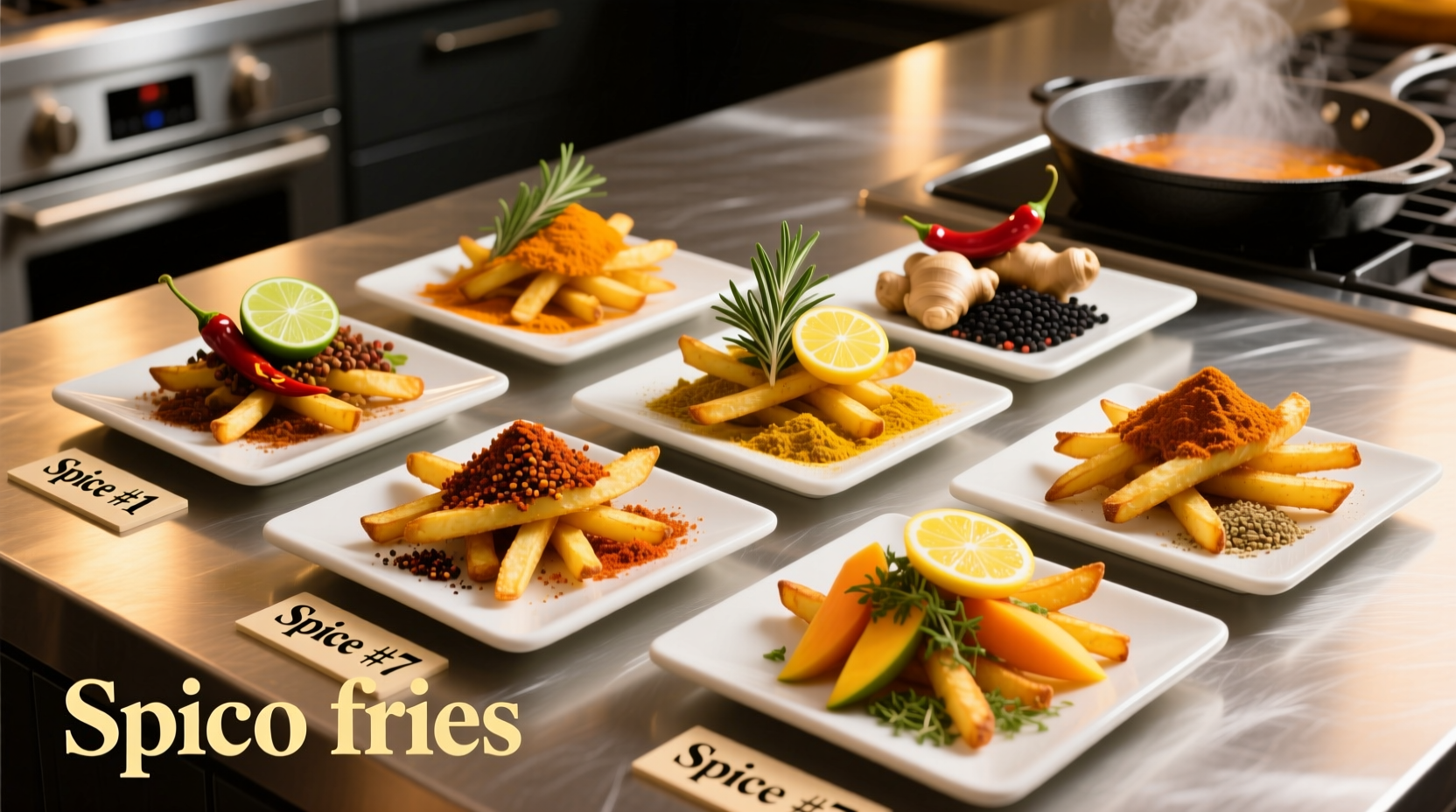
Mojo fries originate from Cuban culinary tradition, where “mojo” refers to a pungent sauce made primarily from garlic, citrus (typically bitter orange or a mix of orange and lime), olive oil, and spices. This marinade is used both as a cooking medium and finishing glaze for fried or roasted potatoes. The result is a deeply aromatic fry with bright acidity, savory depth, and subtle warmth. Unlike standard seasoned fries, which rely on salt and perhaps paprika, mojo fries are defined by their wet-dry hybrid seasoning approach: infused oil penetrates during cooking, while dry spices finish the dish for texture and layered taste.
The beauty of the mojo fry lies in its adaptability. Its foundation—potato, fat, acid, aromatics—is neutral enough to absorb bolder profiles without losing identity. That makes it an ideal canvas for global spice exploration. The following combinations build upon the core principles of balance—acid, umami, heat, earthiness—but expand them across continents and palates.
Key Characteristics of Mojo Fries
- Flavor Profile: Savory, garlicky, citrus-forward, with herbal and earthy undertones
- Aroma: Pungent garlic, fresh citrus zest, warm toasted spices
- Texture: Crisp exterior, fluffy interior; spice crust adds crunch
- Heat Level: Mild to moderate (adjustable via chili additions)
- Culinary Function: Side dish, appetizer, or base for loaded fries
- Shelf Life: Best served immediately; leftovers reheat well but lose some crispness
Practical Usage: How to Apply Spice Blends to Mojo Fries
To maximize flavor impact, follow a two-stage seasoning method:
- Infuse the Oil: Gently heat olive oil with minced garlic, citrus zest, and any ground spices that benefit from blooming (e.g., cumin, coriander, smoked paprika). Let steep off heat for 10–15 minutes before straining. Toss par-cooked fries in this oil before final roasting or frying.
- Dry Finish: After cooking, while fries are still hot, sprinkle with a dry spice blend containing flaky salt, dried herbs, and powdered heat sources. Toss gently to coat evenly.
This dual approach ensures deep flavor penetration and surface intensity. Use russet or Yukon Gold potatoes cut into ¼-inch batons for optimal crispness. Parboil for 5 minutes or blanch in 300°F oil before a final high-heat fry at 375°F. Drain on wire racks to preserve crunch.
Pro Tip: Always season in stages. Salt early for internal seasoning, but reserve half for post-cook application to maintain texture. Add delicate elements like fresh herbs or citrus powder only after frying to preserve brightness.
7 Unique Spice Combos to Elevate Your Mojo Fries
1. Smoky Chipotle-Lime-Ancho Blend
A Mexican-inspired twist that amplifies heat and depth. Combine 1 tsp smoked chipotle powder, 1 tsp ancho chili powder, ½ tsp ground cumin, 1 tsp dried epazote (or oregano), 1 tbsp lime zest powder, and ½ tsp flaky sea salt. Infuse the oil with fresh lime zest and garlic; finish with the dry blend. The result is a tangy, campfire-smoked fry with slow-building heat.
2. North African Charmoula Fusion
Charmoula—a Moroccan herb-marinated condiment—lends its vibrant profile here. Mix 1 tbsp dried cilantro, 1 tsp ground coriander, ½ tsp turmeric, ¼ tsp cayenne, 1 tsp ras el hanout, and ½ tsp preserved lemon powder. Bloom coriander and turmeric in garlic-infused oil; finish with dry spices and a squeeze of fresh lemon. Earthy, floral, and slightly metallic from the turmeric, this combo pairs exceptionally with aioli.
3. Umami Miso-Sesame-Ginger Dust
An Asian fusion take that emphasizes savory richness. Whisk together 1 tsp white miso powder, 1 tsp toasted sesame seeds (finely crushed), ½ tsp ginger powder, ¼ tsp five-spice powder, and a pinch of wasabi powder. For infusion, use garlic and grated fresh ginger in warm sesame-infused olive oil. Strain and toss fries, then finish with the dry mix. Offers a salty-sweet warmth with a subtle numbing tingle.
4. Mediterranean Za’atar-Citrus Crunch
Za’atar’s herbal thyme notes merge beautifully with traditional mojo. Blend 1½ tsp za’atar, 1 tsp sumac, ½ tsp dried mint, ½ tsp lemon pepper, and ¼ tsp flaky salt. Infuse oil with lemon zest and garlic; after frying, dust generously. Sumac adds tartness, mint brings coolness, and za’atar delivers woodsy depth. Serve with tzatziki for dipping.
5. Indian Garam Masala-Turmeric Golden Fry
Warm, complex, and golden-hued. Use 1 tsp garam masala, ½ tsp ground turmeric, ¼ tsp fenugreek powder, ½ tsp amchur (mango powder), and a pinch of asafoetida. Bloom turmeric and garam in garlic-cumin oil; finish with dry spices and fresh cilantro. The amchur adds fruity tang, balancing the earthy fenugreek. Ideal with raita or mint chutney.
6. Middle Eastern Baharat & Pomegranate Sparkle
Baharat—a Levantine spice mix—brings warmth and sweetness. Combine 1 tsp baharat, ½ tsp ground cinnamon, ¼ tsp allspice, 1 tsp dried onion powder, and 1 tbsp pomegranate molasses powder. Infuse oil with garlic and a cinnamon stick; after frying, sprinkle with the dry blend and a few crushed freeze-dried pomegranate arils. Sweet, peppery, and slightly floral, with a jewel-like crunch.
7. Peruvian Aji Amarillo & Huacatay Lift
A bold South American interpretation. Mix 1 tsp aji amarillo powder (mild heat, fruity), ½ tsp dried huacatay (black mint), ¼ tsp ground cumin, ½ tsp garlic powder, and ½ tsp lime powder. Infuse oil with fresh garlic and a touch of ají paste; finish with dry blend. Huacatary offers anise-like sharpness, while aji amarillo gives tropical fruit notes. Serve with crema or huancaina sauce.
Blending Tip: Grind whole spices freshly when possible. Toast cumin, coriander, or fennel seeds lightly in a dry pan before grinding to enhance aroma. Store pre-mixed dry blends in airtight jars away from light for up to 3 months.
Variants & Types of Mojo Applications
While classic mojo uses raw garlic and citrus juice, variations exist based on preparation and ingredient form:
| Variant | Base Ingredients | Best For |
|---|---|---|
| Traditional Wet Mojo | Fresh garlic, sour orange juice, olive oil, oregano | Marinating raw potatoes pre-fry |
| Dry Spice Rub Mojo | Garlic powder, onion powder, dried citrus, blended spices | Finishing cooked fries; shelf-stable storage |
| Roasted Garlic Mojo | Roasted garlic puree, lemon juice, olive oil | Smoother, sweeter profile; less pungency |
| Herb-Forward Mojo | Cilantro, parsley, green onions, lime | Fresher, greener taste; modern gastropub style |
| Smoked Mojo | Liquid smoke, smoked salt, chipotle, smoked paprika | Grill-less barbecue effect; indoor cooking |
Dry rubs are ideal for batch seasoning and travel-friendly applications, while wet mojos offer deeper penetration. Hybrid methods—using infused oil plus dry finish—deliver maximum complexity.
Comparison with Similar Ingredients
Mojo is often confused with other Latin or Mediterranean sauces. Understanding distinctions prevents misuse and enhances authenticity.
| Spice/Sauce | Key Ingredients | Primary Use | Distinguishing Factor |
|---|---|---|---|
| Mojo | Garlic, citrus, olive oil, cumin, oregano | Marinade, baste, fry seasoning | Citrus-garlic base with Cuban roots |
| Chimichurri | Parsley, garlic, vinegar, red pepper flakes | Argentinian steak condiment | Herb-heavy, vinegar-forward, no citrus |
| Alioli | Garlic, egg yolk, olive oil (emulsified) | Spanish mayonnaise-style sauce | Emulsified; creamy texture |
| Harissa | Chili peppers, garlic, caraway, coriander | Tunisian paste for stews and meats | Pepper-based, thicker, spicier |
| Vinaigrette | Vinegar, oil, mustard, herbs | Salad dressing | Acid is vinegar, not citrus |
Unlike chimichurri, which relies on vinegar and flat-leaf parsley, mojo is citrus-driven and traditionally includes cumin. Harissa brings intense heat and body, whereas mojo remains fluid and aromatic. Alioli shares garlic and oil but lacks the acidic component central to mojo.
“The genius of mojo isn’t just in its ingredients—it’s in the sequence. You bloom the spices, you respect the garlic, and you let the citrus shine. That order transforms starch into story.” — Chef Elena Ruiz, James Beard nominee for Latin American Cuisine
Practical Tips & FAQs
What’s the best potato for mojo fries?
Russets yield the crispiest results due to high starch content. Yukon Golds offer a creamier interior and hold seasoning well. Avoid waxy varieties like red potatoes, which don’t crisp as effectively.
Can I bake instead of fry?
Yes. Toss parboiled fries in infused oil, spread on a parchment-lined sheet, and roast at 425°F for 25–30 minutes, flipping once. For extra crunch, finish under the broiler for 2–3 minutes.
How do I store leftover spice blends?
Keep in labeled, airtight glass jars away from heat and sunlight. Most blends retain potency for 3 months. Avoid plastic containers, which can absorb oils and degrade over time.
Are there low-sodium versions?
Substitute flaky salt with potassium chloride-based salt alternatives or boost umami using nutritional yeast (½ tsp per blend) or mushroom powder. Increase citrus or vinegar powders to compensate for reduced salinity.
Can I use fresh herbs instead of dried?
Fresh herbs are excellent in infused oils but should not replace dried in dry rubs—they introduce moisture and clump. Use fresh cilantro, parsley, or mint as a garnish post-cook instead.
What dipping sauces pair best with spiced mojo fries?
- Smoky Chipotle: Avocado crema or roasted corn aioli
- Za’atar: Tzatziki or labneh
- Garam Masala: Cucumber raita or tamarind chutney
- Miso-Sesame: Spicy mayo or ponzu dip
- Baharat: Garlic toum or hummus
Can I make these gluten-free or vegan?
All suggested spice blends are naturally gluten-free and vegan. Confirm that any commercial spice mixes (e.g., garam masala, ras el hanout) are certified if cross-contamination is a concern.
Batch Prep Strategy: Prepare 7 small spice jars labeled by number or name. Use ¼ cup mason jars with shaker lids. Pre-mix dry components so you can customize fries in under five minutes. Ideal for themed nights: “Taco Tuesday” (Chipotle), “Mediterranean Mezze” (Za’atar), or “Curry Night” (Garam Masala).
Summary & Key Takeaways
Mojo fries are more than a side dish—they’re a culinary platform. By embracing global spice traditions, home cooks can transcend regional boundaries while honoring the foundational balance of garlic, citrus, and olive oil. The seven combinations presented—ranging from smoky Mexican to fragrant Indian—demonstrate how thoughtful layering of heat, acid, and aroma can redefine a classic.
Success hinges on technique: infusing oils to deepen flavor, finishing with dry rubs for texture, and pairing intelligently with complementary dips. Whether you’re experimenting with za’atar’s tang or unlocking the floral heat of aji amarillo, each blend offers a passport to new taste experiences.
Master these spice combos, and you’ll never view fries the same way again. They become vessels of culture, creativity, and personal expression—one crisp bite at a time.
Challenge: Host a “Spice Route Fries” night. Serve seven mini portions, each with a different blend and matching dip. Include tasting cards with origin facts and flavor notes. It’s educational, delicious, and unforgettable.




 浙公网安备
33010002000092号
浙公网安备
33010002000092号 浙B2-20120091-4
Comments
No comments yet. Why don't you start the discussion?