
Entering the world of stock investing can feel overwhelming. Headlines scream about market crashes and sudden gains, while financial jargon fills every article. But behind the noise lies a powerful tool for building long-term wealth: owning shares in real companies. For beginners, the key isn’t predicting the next big trend—it’s understanding the fundamentals, managing risk, and developing a strategy that aligns with personal goals. This guide breaks down practical steps to help you buy your first stock with confidence and lay the foundation for smart, sustainable investing.
Understanding the Basics: What Is a Stock?
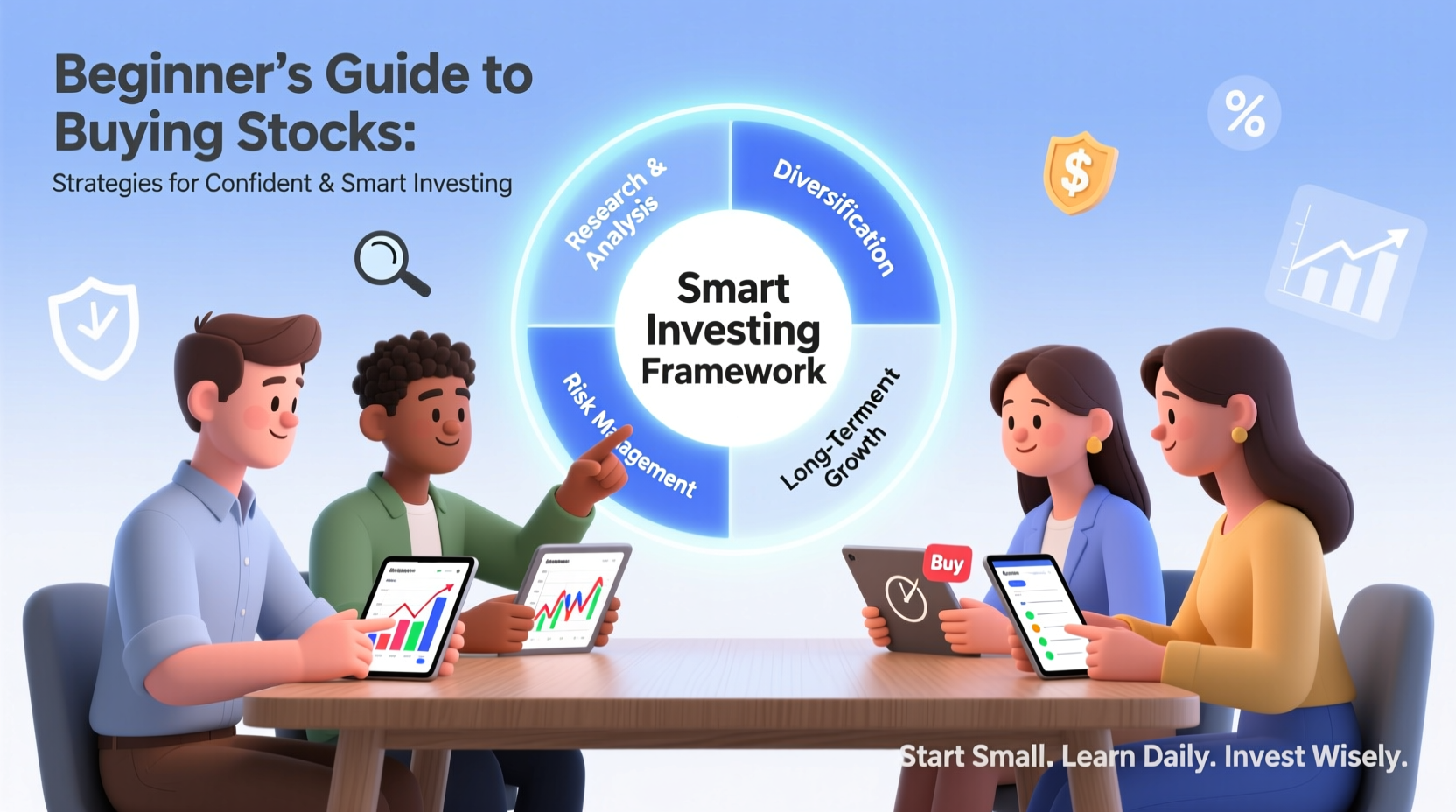
At its core, a stock represents ownership in a company. When you buy a share, you own a tiny piece of that business. As the company grows, earns profits, or expands, the value of your shares may increase. Some companies also pay dividends—regular cash payments to shareholders—adding another layer of return.
Stocks are traded on exchanges like the New York Stock Exchange (NYSE) or NASDAQ. Prices fluctuate based on supply and demand, influenced by earnings reports, economic data, industry trends, and investor sentiment. Unlike savings accounts or bonds, stocks carry higher volatility but historically offer stronger long-term returns.
Step-by-Step Guide to Buying Your First Stock
- Define Your Goals: Are you saving for retirement, a home, or long-term growth? Your timeline affects how aggressively you should invest.
- Build an Emergency Fund: Before investing, ensure you have 3–6 months of living expenses saved in a liquid account.
- Choose a Brokerage Account: Open an account with a reputable online broker like Fidelity, Charles Schwab, or Vanguard. Look for low fees, no minimums, and educational resources.
- Fund Your Account: Link your bank account and transfer money to begin investing.
- Research Companies: Use free tools to review financial statements, earnings history, and competitive positioning.
- Place Your First Trade: Enter the ticker symbol (e.g., AAPL for Apple), select the number of shares, and execute the order.
- Monitor and Adjust: Review your portfolio quarterly, but avoid reacting to daily price swings.
Smart Investing Strategies for Beginners
Success in investing isn’t about timing the market perfectly—it’s about consistency, discipline, and smart decision-making. Consider these proven strategies:
Diversification: Don’t Put All Eggs in One Basket
Spreading investments across different sectors, industries, and asset types reduces risk. If one company struggles, others may perform well, balancing your overall returns.
Dollar-Cost Averaging (DCA)
This involves investing a fixed amount at regular intervals (e.g., $200 monthly), regardless of market conditions. Over time, DCA lowers the average cost per share and reduces the impact of volatility.
Index Funds and ETFs: Simplicity with Strong Returns
Instead of picking individual stocks, many beginners benefit from low-cost index funds or exchange-traded funds (ETFs) that track broad markets like the S&P 500. These provide instant diversification and historically outperform most actively managed funds.
| Investment Type | Volatility | Management Effort | Best For |
|---|---|---|---|
| Individual Stocks | High | High | Experienced investors willing to research |
| Index Funds | Medium | Low | Beginners seeking steady growth |
| ETFs | Medium | Low | Tax-efficient, diversified exposure |
Common Mistakes to Avoid
- Chasing Hot Tips: Acting on rumors or social media hype often leads to losses.
- Panic Selling: Selling during a market dip locks in losses instead of allowing recovery.
- Overtrading: Frequent buying and selling increases fees and taxes without improving returns.
- Ignoring Fees: High expense ratios and trading commissions eat into long-term gains.
- Not Having a Plan: Investing without clear goals invites emotional decisions.
Real Example: Maya’s Journey from Fear to Confidence
Maya, a 28-year-old graphic designer, avoided investing for years, fearing she’d lose everything. After reading about compound interest, she opened a brokerage account and started small—investing $100 a month into a low-cost S&P 500 index fund. She ignored short-term fluctuations and stuck to her plan. Five years later, despite market downturns, her portfolio grew by over 70%, thanks to consistent contributions and reinvested dividends. “I didn’t need to pick winners,” she says. “I just needed to stay in the game.”
Expert Insight: What the Pros Recommend
“The biggest advantage new investors have is time. A 25-year-old who invests $300 a month at a 7% annual return could have over $700,000 by age 65. Start early, stay disciplined, and let compounding work.” — James Reed, CFA, Financial Advisor and Author of *Wealth Without Complexity*
Checklist: Your First 7 Steps to Confident Investing
- Assess your financial health (debt, emergency fund, budget).
- Set a clear investment goal with a timeline.
- Open a brokerage account with low fees and strong support.
- Educate yourself using free resources (SEC, Investopedia, broker tools).
- Start with a diversified ETF or index fund.
- Automate monthly contributions.
- Review your portfolio once per quarter—no more, no less.
FAQ: Common Questions from New Investors
How much money do I need to start investing in stocks?
You can start with as little as $10 on most platforms. Many brokers offer fractional shares, allowing you to buy portions of expensive stocks like Amazon or Google.
Are stocks riskier than savings accounts?
Yes, stocks are more volatile in the short term. However, over periods of 10+ years, they’ve historically delivered higher returns than savings accounts or CDs, which often don’t keep up with inflation.
Should I invest in individual companies or funds?
For beginners, low-cost index funds or ETFs are usually the smarter choice. They reduce risk through diversification and require less research. Once you gain experience, you can gradually explore individual stocks.
Conclusion: Start Small, Think Big
Buying your first stock isn’t just a transaction—it’s the beginning of a mindset shift. It means taking control of your financial future, embracing patience, and trusting in the power of long-term growth. You don’t need to be an expert or have thousands to begin. With the right strategy, even modest, consistent investments can grow into significant wealth over time. The market rewards those who stay informed, remain calm during turbulence, and keep moving forward.




 浙公网安备
33010002000092号
浙公网安备
33010002000092号 浙B2-20120091-4
Comments
No comments yet. Why don't you start the discussion?