
Exploring personal pleasure is a natural and empowering part of self-discovery. For many, realistic dildos offer a lifelike sensation that enhances intimacy and satisfaction. However, for those new to adult toys, choosing and using one can feel overwhelming. This guide breaks down everything you need to know—from selecting the right toy to ensuring comfort, safety, and maximum enjoyment—so you can approach the experience with confidence and curiosity.
Understanding Realistic Dildos: What Makes Them Different?
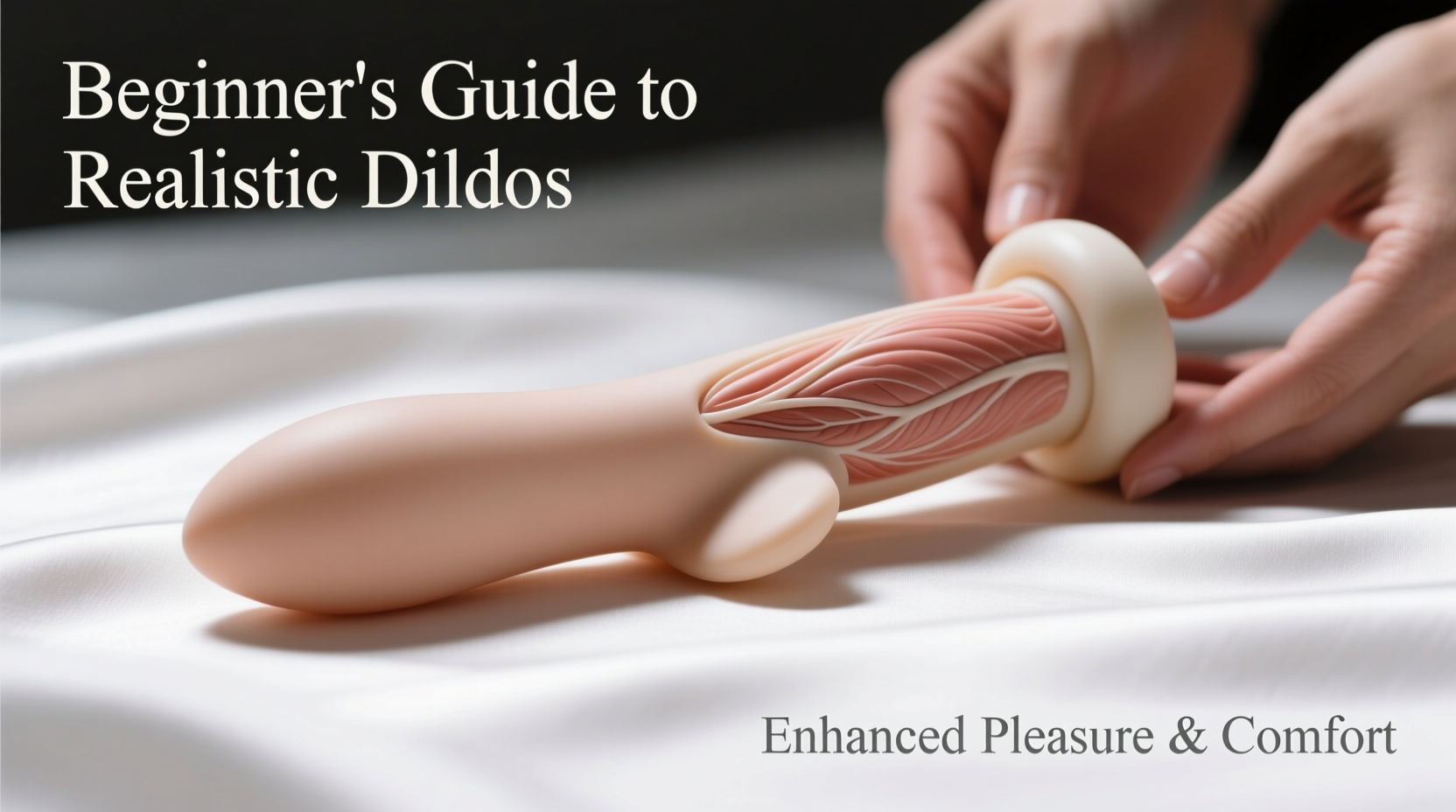
Realistic dildos are designed to mimic the look and feel of real anatomy. Unlike abstract or geometric-shaped toys, they often feature detailed textures such as veins, defined heads, and scrotums (in male-anatomy-inspired models). These details contribute to a more immersive sensory experience.
Most are made from body-safe materials like medical-grade silicone, TPE (thermoplastic elastomer), or latex-free rubber. Silicone is widely preferred due to its durability, ease of cleaning, and non-porous surface, which resists bacteria buildup.
The realism extends beyond appearance. Many users report heightened psychological engagement when using a lifelike toy, which can enhance arousal and emotional connection during solo or partnered play.
Choosing the Right Dildo for Your Needs
Selecting your first realistic dildo involves more than aesthetics—it’s about matching the toy to your body, preferences, and comfort level. Consider these factors:
- Size: Beginners should opt for smaller dimensions—typically under 6 inches in length and 1.5 inches in girth—to allow for easier insertion and adjustment.
- Shape: Look for a tapered tip and a gradual increase in width, which eases entry. A curved design may target specific internal zones, such as the G-spot or prostate.
- Material: Prioritize body-safe, phthalate-free options. Silicone is ideal for beginners due to its soft-yet-firm texture and compatibility with all lube types.
- Base Design: A flared base prevents over-insertion and makes removal safer. Suction cups allow attachment to flat surfaces for hands-free use.
“Starting with a toy that feels manageable both physically and emotionally sets the foundation for positive experiences.” — Dr. Lena Reyes, Sex Educator & Certified Counselor
Comparison: Common Materials Used in Realistic Dildos
| Material | Pros | Cons | Lube Compatibility |
|---|---|---|---|
| Silicone | Durable, hypoallergenic, easy to clean | Higher cost, not compatible with silicone lube | Water-based or oil-based only |
| TPE/TPR | Soft, flexible, affordable | Porous, harder to sterilize, degrades faster | All except silicone-based |
| Rubber/Latex | Realistic texture, budget-friendly | Can cause allergies, porous | Water-based only |
Step-by-Step Guide to First-Time Use
Using a realistic dildo for the first time should be a slow, intentional process. Follow this timeline to ensure comfort and pleasure:
- Wash the Toy: Before first use, clean thoroughly with warm water and mild antibacterial soap or a dedicated toy cleaner. If it's silicone and has no electrical components, you can boil it for 3–5 minutes to sterilize.
- Set the Mood: Create a private, relaxing environment. Dim the lights, play music, or engage in foreplay to build arousal.
- Use Plenty of Lube: Apply a generous amount of high-quality lubricant to both the toy and your entrance. Reapply as needed. Water-based lubes work best with silicone toys.
- Start Slowly: Begin with external stimulation. Gently rub the toy against sensitive areas to build anticipation. When ready, guide the tip slowly inward with minimal pressure.
- Listen to Your Body: Move at your own pace. Pause if you feel discomfort. Breathing deeply can help relax pelvic muscles.
- Experiment with Angles and Rhythms: Once fully inserted, try different motions—thrusting, rocking, or holding still while contracting muscles around the toy.
- Aftercare: After use, wash the toy again and store it in a cool, dry place, preferably in a breathable pouch to prevent dust accumulation.
Common Challenges and How to Overcome Them
It’s normal to encounter minor setbacks when exploring new forms of pleasure. Here’s how to address common concerns:
- Nervousness or Anxiety: It’s okay to feel hesitant. Start by simply holding and touching the toy without penetration to build familiarity.
- Discomfort During Insertion: This often results from insufficient arousal or lubrication. Spend more time on foreplay and add more lube.
- Difficulty Achieving Orgasm: Not every session needs to end in climax. Focus on sensation and exploration rather than performance.
- Toys That Feel Too Real (or Not Real Enough): Preferences vary. Some find hyper-realism exciting; others prefer slightly stylized versions. Experiment to discover what works for you.
Mini Case Study: Sarah’s First Experience
Sarah, a 29-year-old professional, had never used a sex toy before but wanted to explore her body more deeply. She chose a 5.5-inch silicone dildo with a smooth finish and suction base. After reading instructions and cleaning the toy, she set up a calming space with candles and soft music.
Initially, she felt awkward holding the toy. Instead of forcing insertion, she spent 10 minutes using it for clitoral stimulation. As arousal increased, she applied lube and slowly guided the tip inside. The first inch was tight, so she paused, breathed, and waited until her muscles relaxed. Gradually, she took more in and discovered that a slight upward angle stimulated a pleasurable spot she hadn’t noticed before.
She didn’t orgasm that night, but she felt empowered by the experience. Over the next few weeks, she repeated the process, eventually reaching climax and developing a deeper understanding of her body’s responses.
Essential Safety and Hygiene Checklist
To maintain health and prolong your toy’s life, follow this practical checklist:
- ✅ Wash the dildo before and after every use
- ✅ Use only body-safe, water-based lubricants with silicone toys
- ✅ Avoid sharing toys; if shared, use a fresh condom each time
- ✅ Store in a cool, dry place away from direct sunlight
- ✅ Replace if the material becomes sticky, cracked, or discolored
- ✅ Never use near the anus unless specifically designed for anal play (with a flared base)
Frequently Asked Questions
Can using a dildo make me less sensitive?
No, regular use of a dildo does not reduce sensitivity. In fact, many people find that consistent stimulation helps them become more attuned to their bodies. However, using extremely intense vibration or pressure frequently might temporarily dull sensation—moderation is key.
Is it safe to use a realistic dildo in water?
If the toy is completely waterproof (not just water-resistant), it can be safely used in the shower or bath. Always check the manufacturer’s label. Note that submerging non-waterproof toys can damage internal components and create bacterial risks.
How often should I replace my dildo?
With proper care, a high-quality silicone dildo can last years. Replace it if you notice surface cracks, a sticky residue, or changes in texture—these indicate material breakdown and potential hygiene hazards.
Final Thoughts: Embrace Exploration with Confidence
Using a realistic dildo is a personal journey—one that invites curiosity, patience, and self-kindness. There’s no “right” way to experience pleasure, only what feels authentic to you. By choosing the right toy, prioritizing safety, and moving at your own pace, you open the door to deeper intimacy and satisfaction.




 浙公网安备
33010002000092号
浙公网安备
33010002000092号 浙B2-20120091-4
Comments
No comments yet. Why don't you start the discussion?