
Becoming a U.S. citizen is a transformative milestone that offers rights and responsibilities few other statuses provide. From voting in federal elections to applying for government jobs and sponsoring family members for immigration, naturalization opens doors. Yet the path requires careful planning, documentation, and preparation. This guide breaks down every phase of the process—from eligibility to oath ceremony—with real-world insights, expert advice, and actionable strategies to help you succeed.
Eligibility Requirements for Naturalization
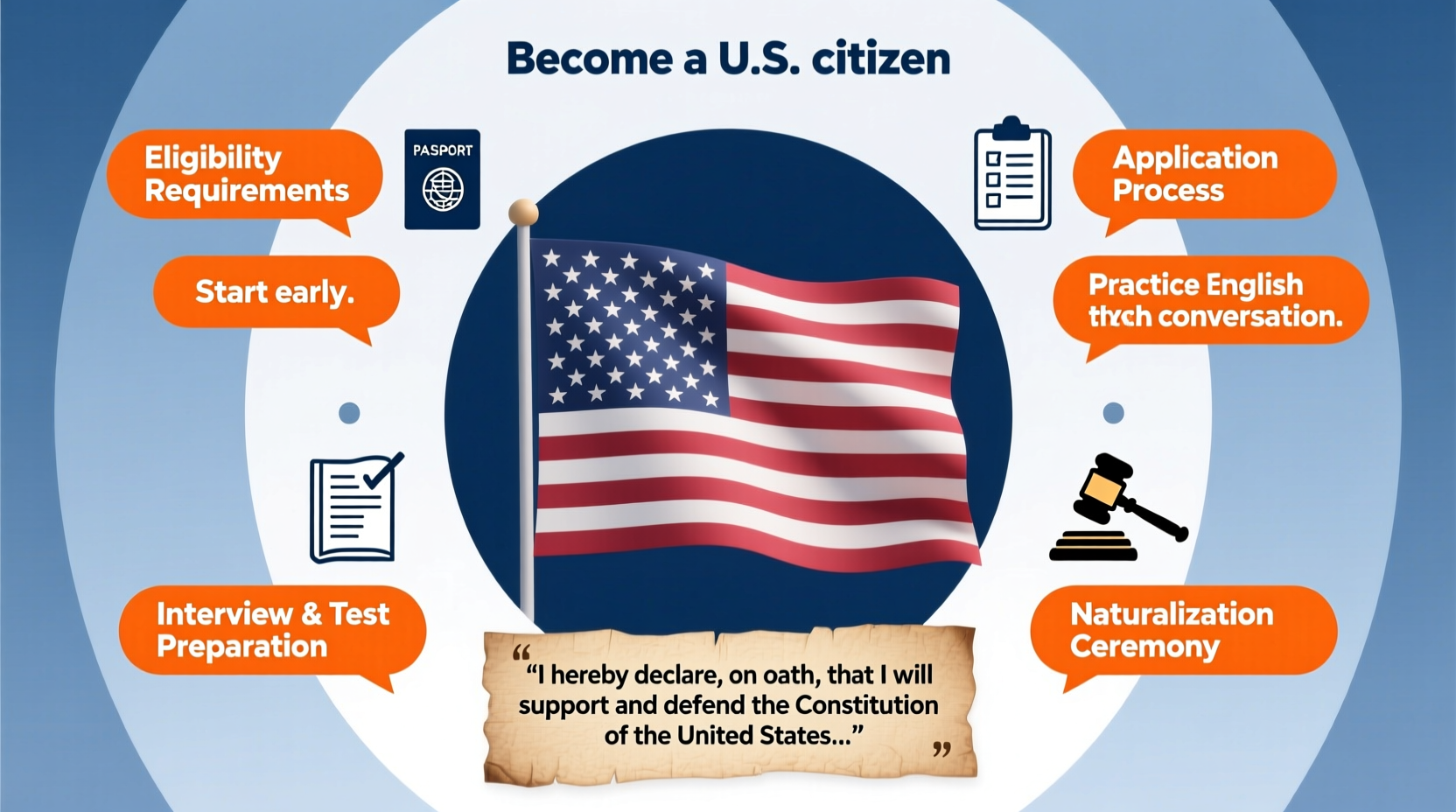
The first step toward citizenship is determining whether you qualify under U.S. Citizenship and Immigration Services (USCIS) guidelines. Most applicants pursue naturalization through permanent residency (green card holders), but specific conditions must be met:
- You must be at least 18 years old.
- You must have held a green card continuously for five years (or three years if married to a U.S. citizen).
- You must have lived physically in the United States for at least half of that time (30 months out of five years, or 18 months out of three).
- You must have resided in your current state or USCIS district for at least three months before filing.
- You must demonstrate good moral character, meaning no serious criminal history or immigration violations.
- You must show proficiency in English (reading, writing, speaking) and knowledge of U.S. history and government.
- You must be willing to take the Oath of Allegiance to the United States.
Step-by-Step Guide to Naturalization
Naturalization follows a clear sequence. While processing times vary by location and workload, understanding each stage helps manage expectations and avoid delays.
- Determine eligibility: Confirm you meet all requirements, including time as a permanent resident and physical presence.
- Prepare Form N-400: Complete the Application for Naturalization online or by mail. Gather supporting documents such as copies of your green card, tax returns, and marriage certificates (if applicable).
- Submit application and biometrics fee: File Form N-400 with USCIS along with the required fee ($725 as of 2024). You'll receive a notice for biometrics (fingerprinting) within weeks.
- Attend biometrics appointment: At a local Application Support Center (ASC), fingerprints are taken for a background check.
- Complete the interview and civics test: About 6–12 months after filing, you’ll attend an in-person interview with a USCIS officer. You’ll be tested on English and U.S. civics. Study materials are available free from USCIS.
- Receive decision: The officer may approve, continue (request more evidence), or deny your case. Approval leads to the next step.
- Take the Oath of Allegiance: Attend a naturalization ceremony where you formally become a U.S. citizen and receive your Certificate of Naturalization.
“Naturalization isn’t just a legal process—it’s a commitment to participate fully in American democracy.” — Maria Gonzalez, Senior Immigration Attorney, Legal Aid Society
Essential Tips for Success
While many applicants follow the same forms and procedures, those who prepare thoroughly are far more likely to pass their interview and civics exam on the first try.
Study Smart for the Civics Test
The civics test consists of up to 10 oral questions drawn from a list of 100. You must answer at least 6 correctly. Focus on foundational topics like the Constitution, branches of government, landmark amendments, and civic participation.
Maintain Clean Records
USCIS evaluates your moral character over the past five years. Even minor issues—like unpaid child support or traffic violations involving alcohol—can raise red flags. Resolve outstanding legal matters before applying.
Document Your Life in the U.S.
Bring proof of employment, tax filings, rental agreements, or utility bills to your interview. These reinforce your claim of continuous residence and integration into the community.
Citizenship Checklist: What You Need Before Applying
| Item | Status Check |
|---|---|
| Green card valid for at least 5 years (or 3 if married to a U.S. citizen) | ✅ / ❌ |
| Lived in the U.S. for at least 30 (or 18) months without long absences | ✅ / ❌ |
| No felony convictions or immigration fraud history | ✅ / ❌ |
| Basic English reading, writing, and speaking ability | ✅ / ❌ |
| Familiarity with 100 civics questions and answers | ✅ / ❌ |
| Tax returns filed for all required years | ✅ / ❌ |
| Application fee ($725) or fee waiver eligibility confirmed | ✅ / ❌ |
Real Example: A Successful Naturalization Journey
Javier Mendoza, a mechanical engineer from Colombia, moved to Texas in 2018 on an employment-based green card. He began studying for citizenship two years later, using free online resources from USCIS and attending a local library prep class. After confirming his eligibility—he had not left the U.S. for more than four months total—he filed Form N-400 in early 2022. His biometrics were processed quickly, but the interview was delayed eight months due to regional backlogs. When the day came, he answered nine of ten civics questions correctly and wrote “My birthday is in June” without error. Three weeks later, he took the oath at a courthouse ceremony with his wife and daughter watching proudly. Today, Javier votes in every election and mentors new immigrants navigating the same path.
Frequently Asked Questions
Can I apply for citizenship if I owe taxes?
It depends. If you’ve failed to file required tax returns, this can be grounds for denial. However, if you’ve filed but cannot pay in full, you may still qualify. Always consult a tax professional or immigration attorney to resolve issues proactively.
Is the English test waived for older applicants?
Yes, under certain conditions. Applicants aged 50+ who have lived in the U.S. as permanent residents for at least 20 years, or those aged 55+ with 15 years of residency, may take the civics test in their native language. The English requirement is waived, but they must still bring an interpreter to the interview.
What happens if I fail the civics test?
You’ll be retested on a different set of questions between 60 and 90 days later. If you fail again, your application will be denied. However, you can reapply after addressing any gaps in preparation.
Final Steps and Moving Forward
After taking the Oath of Allegiance, you’ll receive your Certificate of Naturalization—the official proof of your U.S. citizenship. Use it to apply for a U.S. passport, update your Social Security record, and register to vote. Many new citizens also choose to apply for a Consular Report of Birth Abroad for children born overseas, depending on circumstances.
Citizenship is both a personal achievement and a civic responsibility. It grants stability, voice, and opportunity. But it also calls for engagement—staying informed, participating in communities, and respecting the rights of others.




 浙公网安备
33010002000092号
浙公网安备
33010002000092号 浙B2-20120091-4
Comments
No comments yet. Why don't you start the discussion?