
Designer earrings are more than accessories—they’re expressions of personal style, confidence, and sometimes, investment. With the rise of e-commerce, shopping for luxury jewelry has never been easier. But with convenience comes risk. Counterfeit products, phishing scams, and unsecured websites plague the online marketplace. For discerning buyers, knowing how to navigate this terrain safely is essential. This guide walks through everything you need to protect yourself while securing authentic, high-quality designer earrings from trusted sources.
1. Verify the Seller’s Authenticity Before Buying
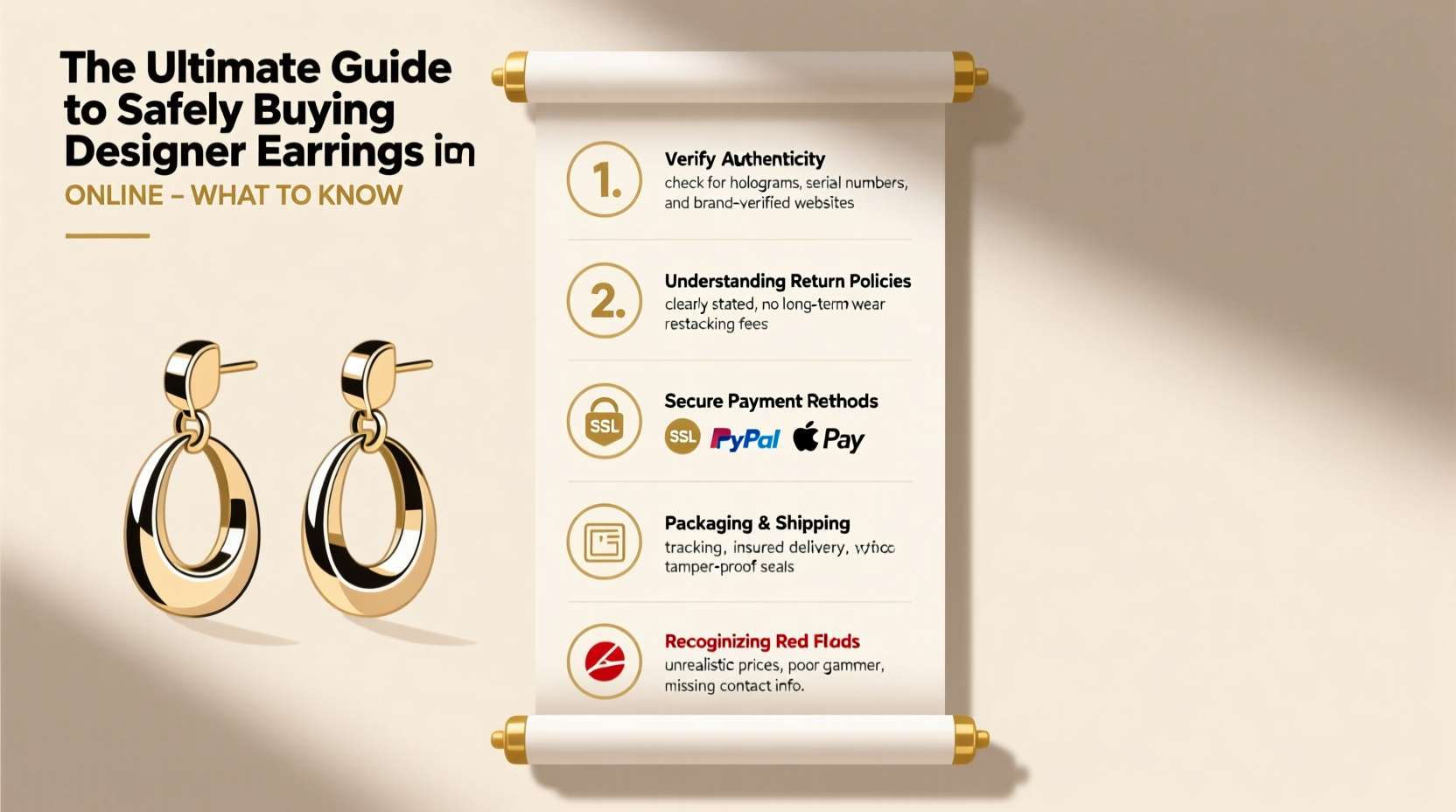
Purchase only from sellers who can prove legitimacy. The most reliable options include official brand websites, authorized retailers, or well-established luxury marketplaces with buyer protection policies. Look for clear business information: physical address, customer service contact, return policy, and company registration details.
Third-party sellers on platforms like eBay or Etsy require extra scrutiny. Check seller ratings, reviews, and feedback history. A trustworthy seller will have consistent positive comments, detailed product descriptions, and responsive communication.
Red Flags in Seller Profiles
- Few or no reviews despite claiming years in business
- Vague product photos (e.g., stock images only)
- Refusal to provide proof of authenticity upon request
- Unprofessional email addresses (e.g., randomletters123@gmail.com)
2. Understand Authentication and Certification Standards
Genuine designer earrings come with verifiable documentation. Reputable brands include serial numbers, hallmarks, or laser inscriptions. For example, Chanel uses micro-engraved logos on certain styles; Tiffany & Co. engraves its name and metal purity on posts and backs.
When buying pre-owned or vintage pieces, request a certificate of authenticity (COA) from a recognized third party. Independent appraisers or gemological labs like GIA or IGI can verify materials and craftsmanship.
“Always ask for close-up photos of engravings, stamps, and packaging. These small details separate real from fake.” — Marcus Lin, Luxury Jewelry Appraiser with 15+ years in authentication
| Brand | Common Authentication Mark | Where to Find It |
|---|---|---|
| Cartier | Serial number + “750” for 18k gold | Inside hoop or back of stud |
| Tiffany & Co. | “TIFFANY & CO.” + metal stamp | Earring post or butterfly clutch |
| Bvlgari | Laser-etched logo + hallmark | Reverse side of drop element |
| Van Cleef & Arpels | Trademark clover stamp | Clasp or mounting point |
3. Secure Your Transaction: How to Pay Safely Online
Your payment method is your first line of defense. Never use direct bank transfers or wire payments—these offer zero fraud protection. Instead, opt for credit cards or secure digital wallets like PayPal, Apple Pay, or Google Pay. These services often include chargeback rights and buyer protection if the item is counterfeit or never arrives.
Ensure the website URL begins with “https://” and displays a padlock icon in the address bar. This indicates encrypted data transmission. Avoid entering payment details on public Wi-Fi networks, which are vulnerable to interception.
Step-by-Step: Secure Checkout Process
- Confirm the site’s SSL certificate by clicking the padlock icon
- Use a temporary virtual card number if available (offered by some banks)
- Review all charges and shipping fees before confirming
- Save confirmation emails and order receipts
- Monitor your account for unauthorized activity post-purchase
4. Know Return Policies and Warranty Coverage
A legitimate retailer stands behind its products. Review the return window (ideally 14–30 days), condition requirements (e.g., unworn, original packaging), and whether return shipping is covered. Some high-end boutiques offer free returns; others may deduct a restocking fee.
Warranties vary by brand. Most cover manufacturing defects but not accidental damage. Pre-owned items typically sell “as-is,” so ensure you’re comfortable with the risk level before finalizing.
Do’s and Don’ts: Returns & Warranties
| Do’s | Don’ts |
|---|---|
| Take timestamped photos upon delivery | Assume all sales are final without checking |
| Keep original boxes, tags, and pouches | Wear earrings before verifying authenticity |
| Contact support immediately if issues arise | Dispose of packaging until fully satisfied |
5. Real Example: A Close Call with a Fake Pair
Sophie, a fashion editor based in Chicago, found a pair of limited-edition Dior So Real earrings listed at 60% off on a third-party marketplace. The seller had five-star ratings but only ten total reviews. She requested additional photos and received blurry images taken with a phone. When she asked for a video showing the engraving, the seller became unresponsive and deleted the listing.
Sophie later learned that several buyers had reported similar experiences. By pausing her purchase and asking specific verification questions, she avoided a $2,400 loss. Her experience underscores the importance of proactive vetting—even when a seller appears credible at first glance.
Checklist: Before You Click \"Buy\"
- ✅ Confirm the seller is authorized or highly rated with verified transactions
- ✅ Examine high-resolution photos of hallmarks, engravings, and packaging
- ✅ Ensure the website uses HTTPS encryption
- ✅ Use a secure payment method (credit card or PayPal)
- ✅ Save screenshots of the product page and seller promises
- ✅ Review return policy and warranty terms
- ✅ Trust your instincts—if something feels off, walk away
FAQ
Can I get designer earrings insured after purchase?
Yes. Most homeowner’s or renter’s insurance policies allow you to add high-value jewelry with an appraisal. Alternatively, specialized insurers like Jewelers Mutual offer standalone coverage for theft, loss, or damage.
Are pre-owned designer earrings safe to buy online?
They can be, provided they come from reputable resale platforms like Rebag, Vestiaire Collective, or Fashionphile, all of which authenticate items before shipping. Always check their verification process and buyer guarantees.
What should I do if I receive a counterfeit?
Immediately contact the platform or payment provider. File a dispute with your credit card company or PayPal within 60 days. Report the seller to the FTC (Federal Trade Commission) and the brand’s anti-fraud department.
Final Thoughts
Buying designer earrings online doesn’t have to be risky. With the right knowledge, tools, and caution, you can confidently invest in pieces that elevate your wardrobe and hold their value. The key lies in preparation—researching sellers, understanding authentication markers, using secure payments, and knowing your rights as a buyer.




 浙公网安备
33010002000092号
浙公网安备
33010002000092号 浙B2-20120091-4
Comments
No comments yet. Why don't you start the discussion?