
Choosing a timepiece that aligns with your professional image while reflecting personal taste is more than an aesthetic decision—it’s a statement of discipline, attention to detail, and quiet confidence. In the realm of business casual attire, where formality meets flexibility, the chronograph watch stands out as both functional and refined. More than just a stopwatch on your wrist, a well-chosen chronograph blends utility with elegance, enhancing your presence in meetings, client calls, and after-work networking.
This guide explores how to select a chronograph that complements a business casual wardrobe without veering into overly sporty or excessively formal territory. From dial design to strap materials and brand considerations, every element contributes to a cohesive, polished look.
Understanding the Chronograph: Function Meets Form
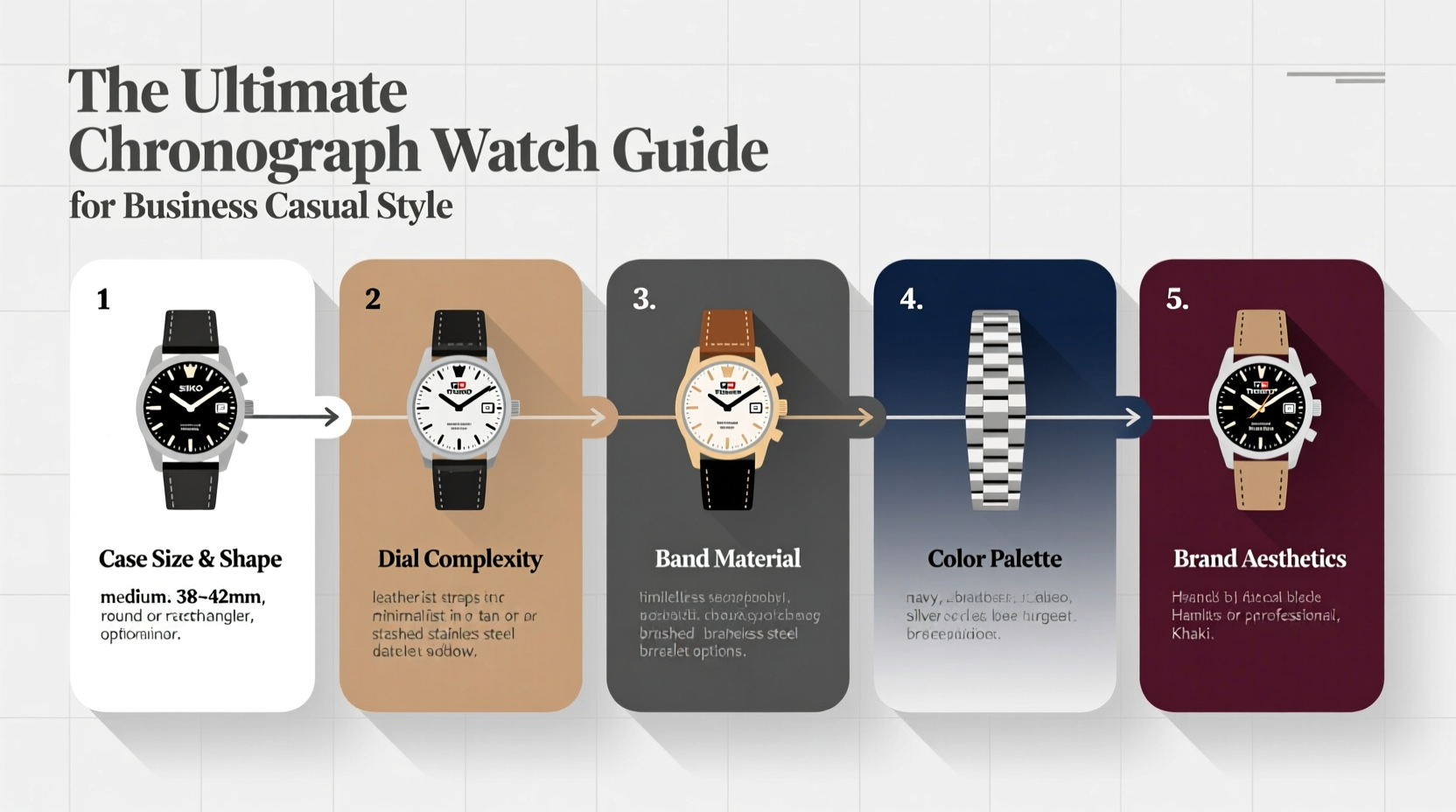
A chronograph is a watch with a built-in stopwatch function, typically controlled by pushers on the side of the case. Unlike simple three-hand watches, chronographs often feature subdials to track elapsed seconds, minutes, and sometimes hours. While originally designed for pilots, engineers, and athletes, the modern chronograph has evolved into a symbol of precision and capability—qualities that resonate in professional environments.
In a business casual context, the key is balance. The watch should not dominate your outfit but rather serve as a subtle accent piece that suggests competence and reliability. Overly large or rugged chronographs with bright colors and digital displays may lean too casual or athletic. Conversely, a gold-cased, gem-set chronograph might feel out of place in a relaxed office setting.
Design Elements That Define Professional Appeal
The visual language of a chronograph communicates much about its wearer. When integrating one into a business casual wardrobe, focus on these core design components:
- Dial Color: Neutral tones like silver, slate gray, navy, or charcoal are versatile and pair seamlessly with dress shirts and blazers. Avoid high-contrast dials with red accents unless used sparingly.
- Subdial Layout: A tri-compax layout (three subdials forming a triangle) is classic and balanced. Two-subdial designs offer a cleaner look for minimalist preferences.
- Hands and Markers: Applied indices and dauphine or sword hands convey sophistication. Lume coating ensures readability without compromising elegance.
- Case Finish: Brushed finishes reduce glare and add texture; polished elements can elevate formality slightly. A mix of both offers depth and versatility.
“Wearing a chronograph in a corporate environment isn’t about timing laps—it’s about signaling preparedness. The right model says you value efficiency and precision.” — Daniel Reeves, Horology Consultant & Former Watch Editor, Style & Time Magazine
Strap Selection: Leather vs. Metal in Context
The strap is arguably the most impactful factor in determining whether a chronograph fits a business casual aesthetic. It bridges the gap between function and fashion.
| Strap Type | Best For | Considerations |
|---|---|---|
| Brown Leather (Smooth or Semi-Burnished) | Warm-toned suits, khakis, oxford shirts | Develops a patina over time; avoid if in humid climates |
| Black Leather (Calfskin or Alligator-Embossed) | Cooler outfits, dark denim, blazers | More formal; pairs best with monochrome palettes |
| Stainless Steel Bracelet | Year-round wear, tech or finance sectors | Can feel cold or industrial if poorly finished |
| Tropical Rubber or NATO | Casual Fridays, travel days | Use only when dress code allows; avoid in client-facing roles |
For maximum adaptability, consider a quick-release system that allows swapping straps. This lets you transition from a leather band during presentations to a metal bracelet for everyday office wear.
Step-by-Step Guide to Choosing Your Watch
Selecting the right chronograph doesn’t have to be overwhelming. Follow this sequence to narrow down options efficiently:
- Assess Your Wardrobe Palette: Identify dominant colors—navy, gray, earth tones—and choose a dial that complements them.
- Determine Case Size: Measure your wrist. If under 7 inches, lean toward 38–40mm. Over 7 inches? 40–42mm is ideal.
- Evaluate Movement Type: Automatic movements (self-winding) offer traditional appeal; quartz provides accuracy and lower maintenance. For authenticity, automatic is preferred.
- Test Proportions: If buying in-store, wear the watch with a shirt cuff to see how it sits beneath a sleeve.
- Check Brand Reputation: Prioritize brands known for durability and service support—Tudor, Hamilton, Longines, and Oris consistently deliver strong value.
Real-World Example: Alex’s Transition to Leadership
Alex Chen, a mid-level marketing manager, was promoted to team lead at a creative agency. As his role shifted to include client pitches and cross-departmental coordination, he realized his old digital sports watch no longer matched his evolving professional identity.
He selected a 40mm stainless steel chronograph with a sunburst blue dial and a brown leather strap. The color echoed his favorite blazer, while the chronograph function gave him a tool for managing presentation timings. Clients noticed the upgrade—not overtly, but several commented on his “put-together” presence. Within months, colleagues began asking about his watch, and he credited it as a small but meaningful part of his leadership transformation.
Alex’s choice succeeded because it was intentional: not flashy, not generic, but clearly deliberate.
Checklist: Is This Chronograph Right for Business Casual?
- ✔ Dial color is neutral and complements common shirt and suit tones
- ✔ Case size is between 38mm and 42mm
- ✔ Strap material is leather or refined metal (no rubber unless transitional)
- ✔ Subdials are balanced and not overly complex
- ✔ Movement is reliable (automatic or high-end quartz)
- ✔ Pushers are integrated smoothly, not protruding aggressively
- ✔ Overall weight feels substantial but not heavy
Frequently Asked Questions
Can I wear a chronograph with a suit?
Yes, provided the design is understated. Avoid models with excessive tachymeter bezels, bright colors, or oversized cases. A silver or gray dial with a leather strap integrates seamlessly with tailored clothing.
Are luxury brands necessary for a professional look?
No. While Rolex or Omega carry prestige, many mid-tier brands like Hamilton Khaki series or Tissot PRX Chronograph deliver comparable aesthetics and build quality at a fraction of the cost. Focus on design integrity over logo recognition.
How do I maintain my chronograph for long-term wear?
Service mechanical chronographs every 5–7 years. Clean leather straps monthly with a damp cloth; store the watch away from magnets and moisture. Wind automatic models regularly if not worn daily.
Final Thoughts: Elevate Your Presence, One Tick at a Time
A chronograph is more than a timekeeping device—it’s a reflection of your approach to time itself: measured, intentional, and purposeful. In a business casual environment, where personal expression is encouraged within bounds of professionalism, the right watch becomes a silent ally. It doesn’t shout, but it commands respect through consistency and care.
The ideal chronograph for business casual style balances technical capability with restrained elegance. It works as hard as you do, keeps pace with your schedule, and enhances your appearance without demanding attention. Whether you're closing deals, leading teams, or building relationships, your wristwear should support that journey—quietly, confidently, precisely.




 浙公网安备
33010002000092号
浙公网安备
33010002000092号 浙B2-20120091-4
Comments
No comments yet. Why don't you start the discussion?