
Formal events demand attention to detail. While attire, grooming, and accessories are carefully curated, one often-overlooked element is the ring. Whether attending a black-tie gala, wedding reception, or diplomatic function, the right ring can elevate your presence with subtle sophistication. Unlike flashy statements, an ideal formal ring complements your style without dominating it. This guide explores how to choose a ring that aligns with occasion, personal taste, and sartorial etiquette—ensuring you project confidence and refinement.
Understanding the Role of Rings in Formal Wear
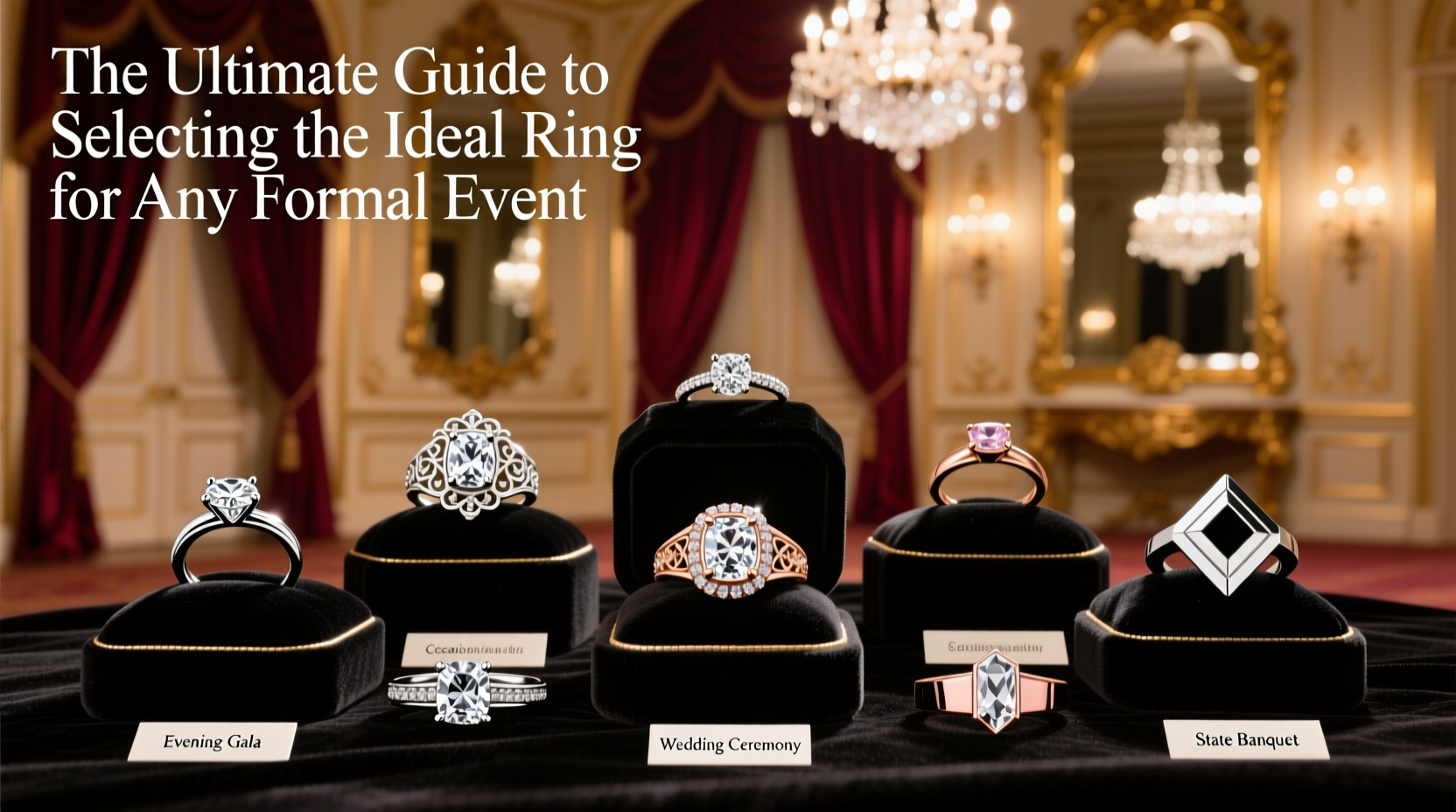
In formal settings, jewelry functions as punctuation rather than prose. A ring should enhance, not distract. Historically, men’s rings were symbols of status, lineage, or affiliation—signet rings among aristocrats, class rings in academic circles, and wedding bands as enduring commitments. Today, their role has evolved into expressions of personal identity while still adhering to codes of elegance.
The key is balance. Over-accessorizing can appear ostentatious; under-accessorizing may seem indifferent. The ideal formal ring strikes a middle ground: understated yet intentional, classic yet contemporary enough to reflect individuality.
Choosing the Right Metal for Formal Occasions
The metal sets the tone for your ring. Each material carries connotations of durability, luster, and appropriateness based on context.
| Metal | Tone & Finish | Best For | Durability |
|---|---|---|---|
| Platinum | Cool, bright white | Black-tie events, weddings | Excellent – resists tarnish |
| White Gold | Brilliant silver-white (rhodium-plated) | Cocktail parties, evening galas | High – requires occasional replating |
| Yellow Gold | Warm, traditional glow | Vintage-themed events, diplomatic functions | Good – softer than platinum |
| Palladium | Subtle gray-white | Modern minimalist looks | Very high – lightweight and hypoallergenic |
| Stainless Steel | Sleek, industrial silver | Casual-formal hybrids (e.g., rooftop dinners) | Exceptional – scratch-resistant |
For strictly formal events like state dinners or opera nights, platinum or white gold offers the most refined appearance. Yellow gold remains appropriate but should be used sparingly unless part of a heritage piece. Avoid rose gold in ultra-formal settings—it leans too fashion-forward for conservative environments.
“Metals convey unspoken messages. Platinum whispers tradition and permanence; steel shouts modernity. Choose accordingly.” — Daniel Reeves, Jewelry Historian & Curator at The Museum of Style
Selecting the Stone: Subtlety Over Sparkle
If your ring includes a stone, restraint is essential. Large center stones draw attention away from conversation and toward spectacle—risky in settings where decorum prevails.
Preferred options include:
- Diamonds: Small solitaires or melee accents add quiet brilliance.
- Sapphires: Deep blue conveys authority and calm—ideal for leadership roles.
- Onyx or Black Spinel: Matte black stones offer sleek contrast, especially in signet or dress rings.
- Emeralds or Rubies: Reserved for thematic or cultural events due to vibrancy.
Avoid overly colorful or oversized gems. A 0.25-carat diamond set flush in a platinum band is more effective than a half-carat raised setting that catches napkins and draws stares.
Mini Case Study: The Diplomat’s Choice
James L., a foreign service officer, needed a ring suitable for embassy receptions and treaty signings. He selected a palladium signet ring with a carved family crest and a micro-inlaid onyx field. The design honored tradition without flash, communicated gravitas, and passed security checks smoothly. Colleagues noted its “quiet authority”—a testament to thoughtful selection.
Style & Design: Matching Ring Type to Event Type
Not all formal events are equal. The nature of the gathering influences ring choice.
- Weddings (as guest or groom): Stick to wedding bands or simple bands. If married, wear your wedding ring; if not, consider a polished platinum band. Avoid anything that could upstage the couple.
- Black-Tie Galas: Signet rings, dress bands, or minimal diamond accents work best. Engraved initials in cursive script add a personal touch without flamboyance.
- Corporate Dinners: Opt for professional elegance—a brushed-finish titanium or white gold band signals precision and modernity.
- Cultural or Religious Ceremonies: Respect traditions. Some faiths discourage certain metals or gemstones. When uncertain, go neutral: a plain band in a non-reflective finish.
Checklist: Pre-Event Ring Evaluation
- ✔ Is the ring clean and polished?
- ✔ Does it fit comfortably after hours of wear?
- ✔ Will it interfere with handshakes, utensils, or gloves?
- ✔ Is the stone securely set (if applicable)?
- ✔ Does it match other metal accessories (watch, cufflinks)?
- ✔ Is it appropriate for the event’s cultural and social norms?
Avoiding Common Mistakes
Even seasoned professionals misstep. These pitfalls undermine otherwise impeccable appearances:
- Wearing multiple statement rings: Two bold rings compete visually and suggest poor judgment.
- Ignoring proportions: A thick, wide ring on small fingers appears cumbersome. Match ring width to hand size (4–6mm ideal for most).
- Overlooking comfort fit: Interior curvature matters. A flat interior digs into skin during long events.
- Choosing trendy designs: Geometric shapes or novelty motifs date quickly and lack timelessness.
- Forgetting maintenance: Scratched surfaces or loose prongs signal neglect.
“A man’s ring should be noticed only upon close inspection. If someone comments on it across the room, it’s probably too much.” — Clara Nguyen, Luxury Accessory Designer, Maison Éclat
Frequently Asked Questions
Can I wear a vintage or heirloom ring to a formal event?
Yes, provided it’s in excellent condition and stylistically appropriate. Vintage pieces add narrative depth but should be cleaned and inspected by a jeweler beforehand. Ensure engravings or designs don’t clash with modern attire.
Should men wear rings on the left or right hand at formal events?
Tradition places wedding bands on the fourth finger of the left hand. Other rings are typically worn on the right pinky or ring finger. Ultimately, consistency with your usual style matters most—sudden changes look performative.
Is it acceptable to wear no ring at all?
Absolutely. Absence of jewelry is not absence of style. Many executives and diplomats choose bare hands to emphasize openness and focus. If you do wear a ring, make it meaningful—not habitual.
Final Considerations: Confidence Through Intentionality
The ideal ring for a formal event isn’t defined by price or rarity, but by intention. It reflects awareness of context, respect for tradition, and pride in presentation. Whether you select a centuries-old signet or a contemporary palladium band, let it serve as an extension of your character—not a distraction from it.
Remember: elegance lies in what’s implied, not declared. A well-chosen ring doesn’t announce itself; it earns recognition through subtlety, craftsmanship, and timing.




 浙公网安备
33010002000092号
浙公网安备
33010002000092号 浙B2-20120091-4
Comments
No comments yet. Why don't you start the discussion?