
Sweet potatoes have earned a well-deserved place in modern canine diets. Packed with essential nutrients and fiber, they offer a natural way to support digestive health, boost energy, and strengthen the immune system. However, like any human food introduced into a dog’s diet, sweet potatoes must be prepared and administered correctly to avoid adverse effects. When done right, this humble root vegetable can become a valuable addition to your pet’s meals—offering both taste and wellness benefits.
Nutritional Benefits of Sweet Potatoes for Dogs
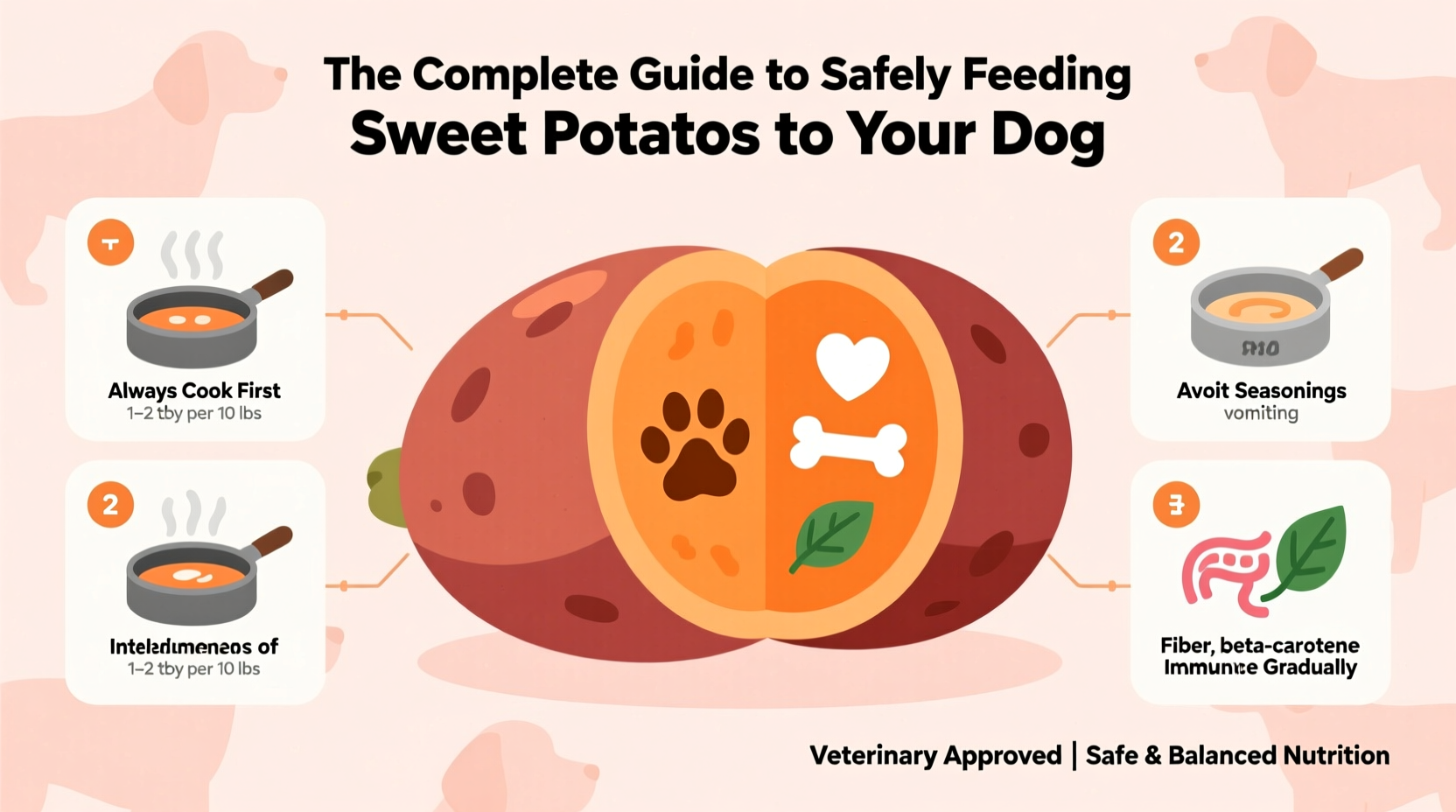
Sweet potatoes are rich in complex carbohydrates, dietary fiber, and an array of vitamins and minerals that contribute positively to canine health. Unlike simple sugars or processed fillers found in many commercial dog foods, sweet potatoes provide sustained energy without spiking blood sugar levels excessively.
Key nutrients include:
- Vitamin A (from beta-carotene): Supports vision, skin health, and immune function.
- Vitamin B6: Aids in brain development and amino acid metabolism.
- Vitamin C: Acts as an antioxidant, reducing inflammation and supporting joint health.
- Manganese and Potassium: Essential for enzyme function, muscle control, and electrolyte balance.
- Dietary Fiber: Promotes healthy digestion and helps regulate bowel movements.
The high fiber content is particularly beneficial for dogs experiencing mild constipation or diarrhea. Unlike pumpkin, which is often recommended for gastrointestinal issues, sweet potatoes provide more calories and a denser nutrient profile, making them ideal for active or underweight dogs needing healthy weight gain.
“Whole-food ingredients like sweet potatoes can complement a balanced canine diet when used appropriately. Their low fat and high nutrient density make them excellent functional foods.” — Dr. Lena Torres, DVM, Canine Nutrition Specialist
Safe Preparation Methods: What Works and What Doesn’t
Not all cooking methods are safe or effective when preparing sweet potatoes for dogs. Raw sweet potatoes are difficult to digest and may cause intestinal blockages, especially in small breeds. Additionally, certain seasonings commonly used in human dishes—such as garlic, onions, butter, and salt—are toxic to dogs.
The safest preparation steps are:
- Wash the sweet potato thoroughly to remove dirt and pesticides.
- Peel the skin (optional but recommended for easier digestion).
- Cut into small cubes to prevent choking hazards.
- Cook until soft—boiling is fastest; baking enhances natural sweetness.
- Allow to cool completely before serving.
Once cooked, you can mash, dice, or puree the sweet potato depending on your dog’s size and chewing ability. For senior dogs or those with dental issues, mashing ensures safer consumption.
Portion Guidelines and Frequency
While nutritious, sweet potatoes are calorie-dense due to their carbohydrate content. Overfeeding can lead to weight gain or upset stomachs, particularly in less active or diabetic dogs. Moderation is key.
| Dog Size | Recommended Serving Size | Frequency |
|---|---|---|
| Small (under 20 lbs) | 1–2 tablespoons | 2–3 times per week |
| Medium (20–50 lbs) | ¼ cup | 2–3 times per week |
| Large (50+ lbs) | ½ cup | 3 times per week maximum |
Treat sweet potatoes as a supplement—not a replacement—for your dog’s primary diet. They should never exceed 10% of your dog’s daily caloric intake. Introduce them gradually over several days to monitor for allergies or digestive discomfort.
Real-Life Example: Managing Digestive Sensitivity in a Senior Dog
Milo, a 9-year-old Shih Tzu, had been suffering from intermittent constipation and low appetite. His owner consulted a veterinary nutritionist who suggested introducing small amounts of boiled sweet potato into his meals. Starting with one teaspoon mixed into his regular kibble every other day, Milo showed improvement within a week. His stools became more consistent, and he began eating with renewed interest. After four weeks, his vet noted better overall hydration and colon motility. The success was attributed not only to the fiber in sweet potatoes but also to the gradual, controlled introduction that prevented gastrointestinal shock.
This case highlights the importance of personalized feeding plans and slow integration when adding new foods—even healthy ones—to a dog’s routine.
Common Mistakes to Avoid
Despite good intentions, many pet owners inadvertently put their dogs at risk by making common errors when feeding sweet potatoes. Awareness of these pitfalls can prevent unnecessary vet visits.
- Feeding raw sweet potatoes: Hard to chew and digest, posing a choking or obstruction hazard.
- Adding harmful seasonings: Garlic, onion powder, nutmeg, and excessive salt are toxic.
- Overfeeding: Can lead to obesity, insulin resistance, or diarrhea.
- Using canned sweet potatoes in syrup: High in sugar and preservatives—never suitable for dogs.
- Ignoring underlying conditions: Diabetic dogs require strict carbohydrate control; consult your vet first.
Frequently Asked Questions
Can puppies eat sweet potatoes?
Yes, but only in very small quantities and after they’ve transitioned fully to solid food (around 8 weeks). Introduce slowly and watch for any signs of stomach upset. Puppies have sensitive digestive systems, so moderation is crucial.
Are sweet potato skins safe for dogs?
While not toxic, the skins are tough and harder to digest, increasing the risk of gastrointestinal blockage. It's best to peel sweet potatoes before cooking to ensure safety, especially for smaller dogs.
Is there a difference between sweet potatoes and yams?
In North America, what’s often labeled “yam” is actually a variety of sweet potato. True yams are less common and starchier. Stick to orange-fleshed sweet potatoes, which are richer in beta-carotene and widely recognized as safe for dogs.
Actionable Checklist: How to Start Feeding Sweet Potatoes Safely
Follow this checklist to incorporate sweet potatoes into your dog’s diet responsibly:
- ✔ Consult your veterinarian, especially if your dog has diabetes or kidney issues.
- ✔ Choose fresh, organic sweet potatoes when possible to minimize pesticide exposure.
- ✔ Wash, peel, and cut into bite-sized pieces.
- ✔ Boil or bake without oil, salt, or spices.
- ✔ Cool completely and serve in appropriate portion sizes.
- ✔ Monitor your dog for 24–48 hours after first serving for any adverse reactions.
- ✔ Store leftovers in an airtight container in the refrigerator for up to 5 days.
Conclusion: Nourish with Nature, Feed with Care
Sweet potatoes, when prepared and served correctly, represent a powerful tool in enhancing your dog’s long-term health. From improving digestion to supporting immune resilience, their benefits are backed by both science and practical experience. But true wellness comes not just from what you feed, but how you feed it—with knowledge, caution, and consistency.




 浙公网安备
33010002000092号
浙公网安备
33010002000092号 浙B2-20120091-4
Comments
No comments yet. Why don't you start the discussion?