
Italian bread dipping oil is more than a condiment—it’s an experience. Found at trattorias across Tuscany and replicated in homes worldwide, this vibrant blend of extra virgin olive oil, herbs, spices, and acidity transforms even the plainest loaf into something memorable. Yet, despite its simplicity, many home cooks overlook the nuances of storing and using it effectively. Improper storage dulls flavors, while uninformed usage limits its culinary potential. Understanding how to preserve its complexity and deploy it thoughtfully ensures every dip remains bright, aromatic, and deeply satisfying.
Definition & Overview
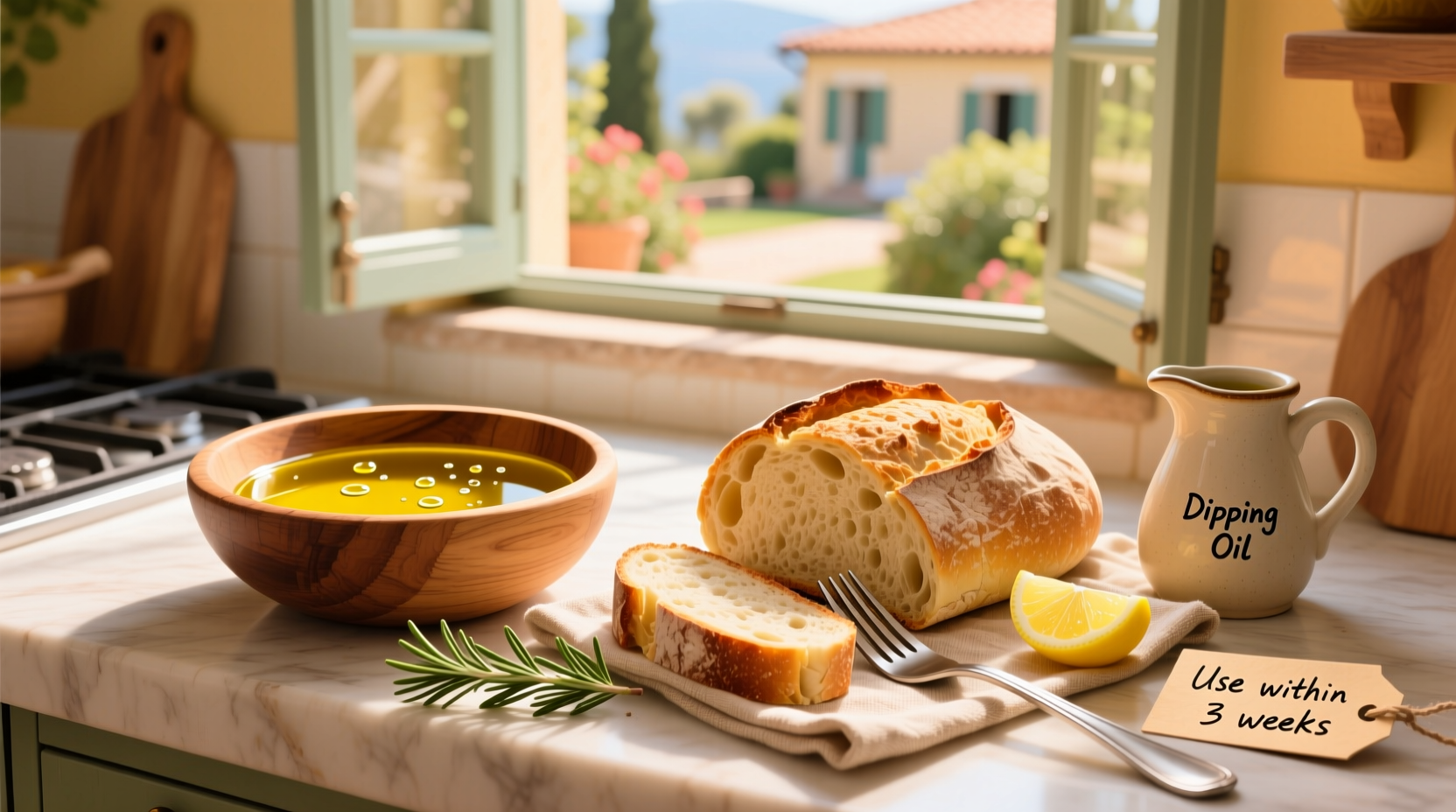
Italian bread dipping oil—often called \"dipping oil\" or “olio da tavola”—is a seasoned mixture designed specifically for drizzling over crusty bread. Unlike plain olive oil, it incorporates layers of flavor through the infusion of herbs (such as rosemary, thyme, or oregano), garlic, chili flakes, citrus zest, and often a touch of acid like balsamic vinegar or lemon juice. It bridges the gap between condiment and cooking medium, functioning both as a starter course enhancer and a base for dressings or marinades.
The tradition originates in central and southern Italy, where high-quality olive oil has long been a cornerstone of daily meals. In regions like Umbria and Puglia, families prepare their own versions using estate-grown olives and sun-dried herbs. What began as a rustic tableside ritual has evolved into a celebrated element of modern Mediterranean dining, embraced by chefs and home cooks alike for its sensory immediacy and versatility.
While commonly served with warm sourdough, ciabatta, or focaccia, its applications extend far beyond bread. When crafted with care, Italian dipping oil becomes a multipurpose flavor amplifier suitable for vegetables, proteins, and grains.
Key Characteristics
The quality and character of Italian bread dipping oil depend on several factors: ingredient selection, balance, and preparation method. Below are the defining traits that distinguish excellent dipping oils from mediocre ones:
| Characteristic | Description |
|---|---|
| Flavor Profile | Bright, grassy olive oil base layered with herbal notes (rosemary, thyme), subtle garlic, optional heat (chili), and a balancing acidity (vinegar or citrus). |
| Aroma | Fragrant and fresh—should evoke crushed herbs, green olives, and citrus peel upon opening. |
| Color/Form | Rich golden-green hue; may contain visible herb flecks, garlic slices, or chili fragments if unfiltered. |
| Heat Level | Mild to moderate, depending on chili inclusion. Not meant to be spicy but rather warmly aromatic. |
| Culinary Function | Serving oil, finishing agent, dressing base, or marinade starter. |
| Shelf Life (Unopened) | 6–12 months when stored properly in dark glass, cool location. |
| Shelf Life (Opened) | 3–6 months, shorter if fresh ingredients like garlic or citrus are used. |
Practical Usage: How to Use Italian Bread Dipping Oil
Using Italian bread dipping oil goes beyond spooning it into a bowl. Its real value lies in thoughtful application across courses and preparations.
Serving as a Table Condiment
The most iconic use is pairing with warm, crusty bread. For optimal enjoyment:
- Select artisanal loaves with open crumb structure—ciabatta, michetta, or country sourdough work best.
- Lightly toast or warm the bread just before serving to enhance absorption without sogginess.
- Pour the oil into a shallow ceramic or stone dish. Add a pinch of flaky sea salt and freshly cracked black pepper at the table.
- Provide small forks or picks if garlic cloves or large herb stems are present, allowing guests to avoid chewing fibrous bits.
A classic Tuscan presentation includes a trio: one bowl of pure extra virgin olive oil, another with balsamic vinegar, and a third blending the two. This allows diners to customize ratios. However, pre-mixed flavored oils offer greater consistency and depth when balanced correctly.
As a Culinary Base
High-quality dipping oil can elevate other dishes:
- Vegetable Drizzle: Toss roasted carrots, grilled zucchini, or blistered shishito peppers with a tablespoon for added richness.
- Grain Finishing: Swirl into farro, barley, or couscous salads after cooking to lock in moisture and aroma.
- Protein Enhancer: Brush over grilled chicken, fish, or lamb during the last minute of cooking for a glossy, herbed finish.
- Dressing Starter: Emulsify with additional vinegar or mustard to create vinaigrettes for bitter greens like radicchio or escarole.
Recipe Integration Example: Rosemary-Garlic Dipping Oil Vinaigrette
- In a jar, combine ½ cup rosemary-infused Italian dipping oil, 3 tbsp red wine vinegar, 1 tsp Dijon mustard, and a small minced shallot.
- Season with salt and pepper.
- Shake vigorously until emulsified. <4>Drizzle over a salad of arugula, shaved fennel, and Parmesan.
Tip: Never cook with infused oils containing fresh garlic or herbs over high heat—this risks burning delicate components and potentially creating off-flavors. Reserve them for finishing or cold applications.
Variants & Types
Not all Italian bread dipping oils are created equal. Regional traditions and personal preferences give rise to distinct variations, each suited to different occasions and palates.
1. Classic Tuscan Blend
Features robust extra virgin olive oil, whole rosemary sprigs, cracked black pepper, and a single clove of peeled garlic. Minimalist and earthy, ideal for pairing with dense, chewy breads.
2. Southern Italian Arrabbiata Style
Spiked with dried Calabrian chili flakes and oregano, reflecting the fiery spirit of Puglia and Basilicata. Best served with softer, absorbent breads like pane di Altamura.
3. Citrus-Herb Fusion
Includes lemon or orange zest along with thyme and bay leaf. Brighter and more aromatic, excellent for seafood-focused meals or spring menus.
4. Balsamic-Infused
Blends high-quality balsamic vinegar (typically 6–8% acidity) directly into the oil. Creates a ready-to-use sweet-tart profile popular in American-Italian restaurants. Requires shaking before each use due to separation.
5. Truffle-Enhanced
Uses white or black truffle oil or actual preserved truffle pieces. Luxurious and aromatic, best reserved for special occasions. Note: True truffle oil made from actual truffles is rare—many commercial versions rely on synthetic aromatics.
| Type | Best For | Storage Notes |
|---|---|---|
| Tuscan Blend | Hearty breads, winter meals | Up to 6 months refrigerated if garlic used |
| Arrabbiata Style | Spicy appetizers, grilled vegetables | Stable at room temperature; chili acts as mild preservative |
| Citrus-Herb | Spring dishes, light fare | Use within 3 months; citrus degrades faster |
| Balsamic-Infused | Restaurant-style service, salads | Separation normal; shake well before use |
| Truffle-Enhanced | Special occasions, gourmet presentations | Store in cool, dark place; consume quickly |
Comparison with Similar Ingredients
Italian bread dipping oil is frequently confused with related products. Understanding distinctions prevents misuse and enhances culinary precision.
| Ingredient | How It Differs | When to Use Instead |
|---|---|---|
| Pure Extra Virgin Olive Oil | Unflavored, no infusions. Cleaner taste, higher smoke point. | Cooking, sautéing, or when you want unobstructed olive fruitiness. |
| Herb-Infused Cooking Oil | Designed for heating; often uses neutral oil base with concentrated extracts. | Sautéing potatoes or frying eggs with herbal notes. |
| Vinaigrette | Emulsified mixture of oil and vinegar, usually with mustard or honey. | Dressing salads immediately before serving. |
| Pesto | Thick paste of basil, garlic, pine nuts, cheese, and oil. Contains dairy. | Coating pasta, spreading on sandwiches. |
| Tapenade | Chopped olive spread with capers and anchovies. Much denser. | Appetizer crostini or stuffing for poultry. |
“A great dipping oil should surprise you twice—first with its aroma when poured, then with its persistence on the palate. It shouldn’t fade after three seconds.” — Massimo Bottura, Chef, Osteria Francescana
Practical Tips & FAQs
Q1: Should I refrigerate my Italian bread dipping oil?
A1: If your oil contains fresh garlic, citrus, or fresh herbs, refrigeration is recommended after opening to slow oxidation and microbial growth. Cold temperatures may cause clouding or solidification—this is normal. Allow the oil to return to room temperature and shake gently before use. Oils with only dried ingredients (rosemary, chili flakes) can remain at room temperature in a dark cabinet away from heat sources.
Q2: How long does homemade dipping oil last?
A2: Homemade versions without preservatives typically last 3–4 weeks at room temperature, or up to 6 weeks if refrigerated. Always use sterilized bottles and ensure all ingredients are dry before infusion to prevent mold. Discard if there’s any off smell, cloudiness, or visible spoilage.
Q3: Can I reuse leftover oil after dipping bread?
A3: Technically yes, but not recommended. Bread crumbs introduce moisture and starch, accelerating rancidity. If you wish to repurpose it, strain through cheesecloth and use within 24 hours for cooking—not re-serving.
Q4: Is it safe to infuse oil with fresh garlic?
A4: There is a risk of botulism when low-acid ingredients like garlic are submerged in oil and stored improperly. To minimize risk:
- Always refrigerate garlic-infused oils.
- Use within 1 week unless commercially processed.
- Acidify slightly with lemon juice (pH below 4.6 inhibits Clostridium botulinum).
- Consider using dried garlic instead for longer shelf-stable blends.
Q5: What bread works best for dipping?
A5: Look for breads with:
- Crusty exterior to contrast soft interior.
- Open crumb structure to trap oil.
- Neutral or slightly tangy flavor that won’t overpower the oil.
Q6: Can I make a non-alcoholic version if my oil contains wine vinegar?
A6: Yes—and most traditional dipping oils already are. Wine-based vinegars contain negligible alcohol after evaporation. For complete avoidance, substitute with apple cider vinegar or lemon juice, which also add brightness.
Pro Tip: Label your homemade oils with date and contents. A small chalkboard tag tied to the bottle adds charm and clarity, especially when gifting.
Summary & Key Takeaways
Italian bread dipping oil is a celebration of simplicity done right. More than a restaurant gimmick, it embodies the Italian philosophy of enhancing quality ingredients with minimal intervention. To get the most out of it:
- Choose or craft blends with balanced acidity, aromatic herbs, and premium olive oil.
- Store properly—refrigerate if fresh components are present, otherwise keep in a cool, dark place.
- Pair with appropriate breads: crusty, absorbent, and lightly warmed.
- Extend usage beyond dipping—drizzle over grains, roast vegetables, or build dressings.
- Understand safety considerations, especially with garlic and citrus infusions.
- Explore regional variants to match seasonal menus and flavor themes.
Whether you're hosting a dinner party or elevating a weeknight meal, a well-made Italian bread dipping oil delivers immediate impact. It invites interaction, awakens the senses, and reminds us that some of the finest culinary pleasures require no cooking at all—just attention, intention, and a good loaf of bread.
Try making your own batch this weekend: Combine 1 cup extra virgin olive oil, 2 rosemary sprigs, 1 peeled garlic clove, ½ tsp red pepper flakes, and a strip of lemon zest in a sterilized jar. Let sit for 24 hours at room temperature, then strain and serve with warm ciabatta. Share your creation with someone who appreciates simple joys.




 浙公网安备
33010002000092号
浙公网安备
33010002000092号 浙B2-20120091-4
Comments
No comments yet. Why don't you start the discussion?