
Chicken is a global culinary staple—versatile, affordable, and beloved across cultures—but its mild flavor means it relies heavily on seasoning to shine. Without the right spices, even perfectly cooked chicken can fall flat. The secret to transforming simple poultry into memorable meals lies not in complicated techniques, but in thoughtful spice selection. Whether you're roasting, grilling, sautéing, or slow-cooking, choosing the right blend of spices can elevate your dish from ordinary to extraordinary. This guide explores the most effective spices for enhancing chicken, detailing their flavor profiles, ideal applications, and expert-backed pairings. You’ll learn how to layer aromatics, balance heat, and build depth using accessible, pantry-friendly ingredients.
Definition & Overview: What Makes a Spice Ideal for Chicken?
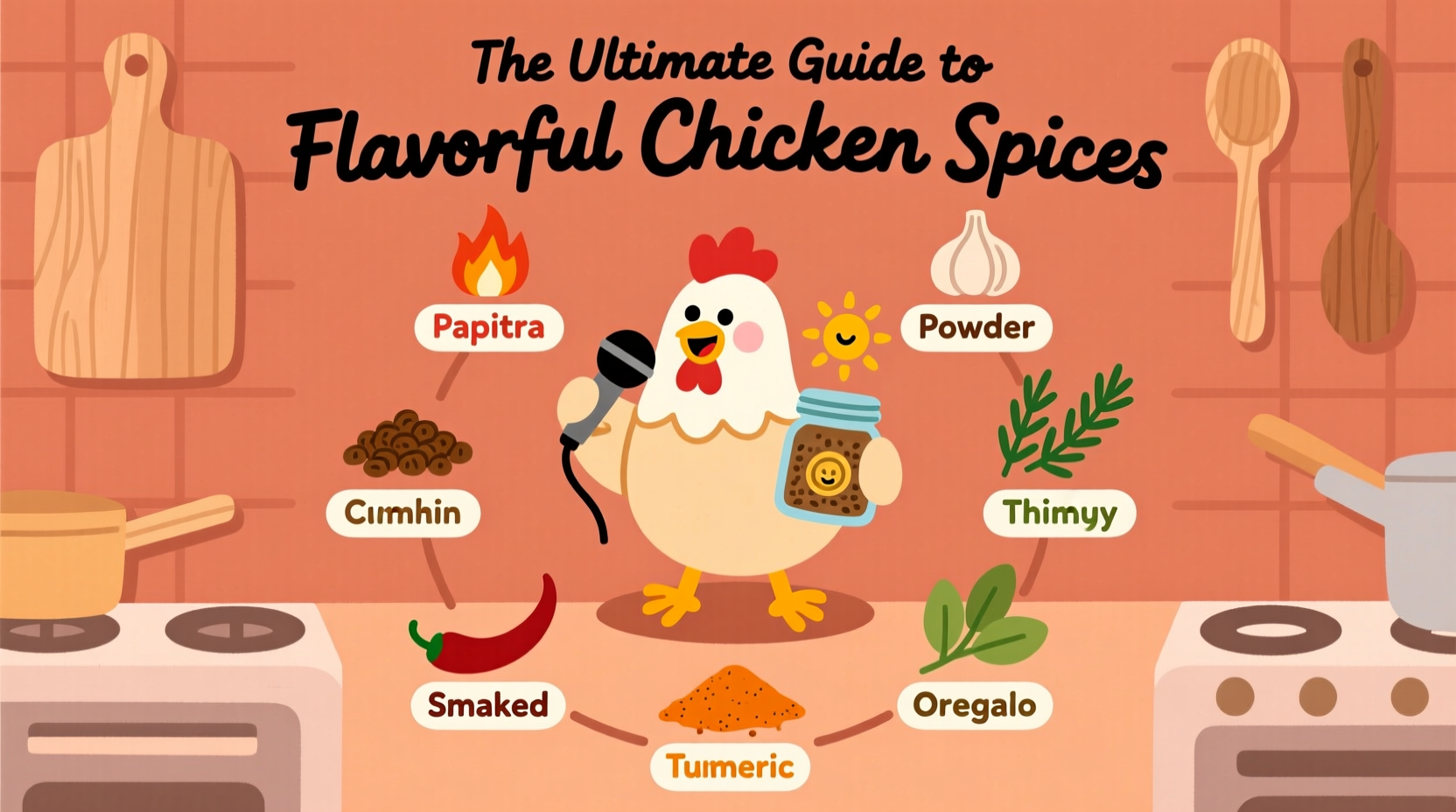
Spices are dried plant parts—typically seeds, roots, bark, or fruits—used to add flavor, color, and aroma to food. Unlike herbs, which come from the leafy green parts of plants, spices often deliver more concentrated, robust flavors that stand up well to high-heat cooking methods like roasting and grilling. When applied to chicken, the best spices do more than just add taste; they enhance texture, contribute warmth, deepen browning, and create aromatic complexity.
The ideal spices for chicken share several characteristics: they complement poultry’s natural savoriness without overpowering it, withstand various cooking temperatures, and interact well with fats and acids (such as olive oil or lemon juice) commonly used in marinades and rubs. Many also contain volatile oils that release fragrance during cooking, stimulating appetite and signaling deliciousness before the first bite.
Key Characteristics of Top Chicken Spices
The following table outlines the core attributes of the most impactful spices for chicken preparation. These were selected based on culinary tradition, scientific synergy with poultry proteins, and versatility across global cuisines.
| Spice | Flavor Profile | Aroma | Heat Level (Scoville) | Culinary Function | Shelf Life (Whole/Ground) |
|---|---|---|---|---|---|
| Paprika (Sweet/Smoked) | Earthy, slightly sweet, smoky (if smoked) | Warm, roasted pepper scent | 0–500 | Color, depth, mild sweetness | 3 years / 2 years |
| Garlic Powder | Savory, umami-rich, pungent | Sharp, roasted garlic | 0 | Base seasoning, backbone flavor | 4 years / 3 years |
| Onion Powder | Sweet, earthy, mildly sharp | Roasted onion, caramelized notes | 0 | Foundation layer, enhances browning | 3 years / 2 years |
| Cumin | Earthy, nutty, slightly bitter | Warm, toasted seed aroma | 0 | Depth, warmth, Middle Eastern/Latin character | 4 years / 2 years |
| Coriander | Citrusy, floral, lightly sweet | Fresh, lemon-pepper-like | 0 | Balances earthy spices, brightens blends | 3 years / 1 year |
| Black Pepper | Sharp, piney, mildly hot | Floral, woody | 10,000–50,000 | Heat, bite, structural seasoning | 5 years / 3 years |
| Turmeric | Earthy, slightly bitter, mustard-like | Root-like, warm | 0 | Color, anti-inflammatory boost, Indian/Middle Eastern base | 3 years / 2 years |
| Cayenne Pepper | Fiery, sharp, clean heat | Intense chili burn | 30,000–50,000 | Heat modulation, kick | 3 years / 2 years |
| Thyme | Woodsy, minty, subtle camphor | Herbal, forest-floor | 0 | French/Italian finesse, slow-cooked depth | 4 years / 3 years |
| Rosemary | Piney, resinous, bold | Fragrant evergreen | 0 | Robust accent, grilled/roasted focus | 4 years / 2 years |
Practical Usage: How to Use These Spices in Chicken Dishes
Using spices effectively requires understanding both timing and technique. The goal is to build layers of flavor rather than apply seasonings as an afterthought. Here’s how to integrate each of these top spices into real-world chicken cooking:
Dry Rubs: Maximizing Surface Flavor
A dry rub adheres to chicken skin or surface, forming a crust during cooking. Combine equal parts paprika, garlic powder, onion powder, cumin, coriander, salt, black pepper, and a pinch of cayenne for a universal all-purpose rub. Apply generously to chicken pieces at least 30 minutes before cooking—or ideally, overnight—for deeper penetration.
“Never underestimate the power of time. A spice rub applied two hours before roasting penetrates twice as deeply as one applied at the last minute.”
— Chef Elena Martinez, Culinary Instructor, Institute of Global Cuisines
Marinades: Infusing Moisture and Depth
For boneless cuts like breasts or thighs, combine ground spices with acid (lemon juice, vinegar) and fat (olive oil, yogurt). Turmeric, cumin, and coriander dissolve better in oil, so bloom them in warm oil before adding liquids. Marinate chicken for 2–12 hours depending on cut thickness.
Pro Tip: Bloom ground spices in 1–2 tablespoons of oil over low heat for 60 seconds before adding to marinades. This unlocks essential oils and intensifies flavor by up to 40%, according to flavor chemistry studies.
Brining with Spices: Flavor from Within
Add whole spices like black peppercorns, bay leaves, and coriander seeds to wet brines. Whole spices infuse slowly and prevent bitterness. A basic brine includes 4 cups water, ¼ cup salt, 2 tbsp sugar, 1 tbsp black peppercorns, 1 tbsp coriander seeds, 2 crushed garlic cloves, and a few sprigs of thyme. Submerge chicken for 4–6 hours before rinsing and cooking.
Finishing Touches: Post-Cook Enhancement
Delicate herbs like thyme and rosemary can be added toward the end of cooking to preserve their volatile aromas. Alternatively, finish roasted chicken with a dusting of smoked paprika or a squeeze of lemon over fresh cracked pepper for brightness.
Variants & Types: Choosing the Right Form
Many spices come in multiple forms, each suited to different uses. Understanding these variants ensures optimal results.
- Paprika: Sweet (Hungarian), Smoked (Spanish Pimentón), Hot (Picante). Smoked paprika adds campfire depth to grilled chicken; sweet paprika enhances color without heat.
- Cumin: Whole seeds vs. ground. Seeds offer a fresher, more vibrant note when toasted; ground integrates smoothly into rubs.
- Pepper: Black, white, green, pink. Black pepper is standard; white pepper offers subtler heat in creamy sauces; green peppercorns work well in French-style poêlés.
- Thyme: Fresh vs. dried. Fresh thyme has brighter top notes; dried is more concentrated and better for long simmers.
- Rosemary: Fresh stems are ideal for stuffing under chicken skin or skewering; dried works in dry rubs but loses nuance if overheated.
| Spice | Whole Form Use Case | Ground Form Use Case |
|---|---|---|
| Cumin | Toasted in oil for curries or rice sides | In spice blends, rubs, marinades |
| Coriander | Cracked for pickling brines or stews | Blended into curry pastes or dry rubs |
| Black Pepper | Cracked fresh over finished dishes | Mixed into sauces, doughs, or pre-blends |
| Paprika | Rarely used whole | Essential in rubs, soups, roasted vegetables |
Comparison with Similar Ingredients
Some spices are easily confused, leading to mismatched flavors. Clarifying distinctions ensures precision in cooking.
- Paprika vs. Chili Powder: Paprika is pure ground red pepper; chili powder (U.S.) is a blend including cumin, garlic, and oregano. Using chili powder instead of paprika adds unintended complexity.
- Ground Cumin vs. Ground Coriander: Cumin is earthy and warm; coriander is citrusy and sweet. They’re often paired but never interchangeable. Misuse leads to unbalanced spice mixes.
- Turmeric vs. Saffron: Both yellow, but turmeric is earthy and affordable; saffron is floral and expensive. Turmeric stains; saffron perfumes. Never substitute one for the other in delicate dishes.
- Onion Powder vs. Garlic Powder: Onion is sweeter and broader; garlic is sharper and more pungent. Both are foundational but serve distinct roles. Omitting one flattens flavor architecture.
Practical Tips & FAQs
How much spice should I use per pound of chicken?
As a general rule: 1–1.5 teaspoons total spice blend per pound of chicken. Adjust based on potency—cayenne and turmeric require less (⅛–¼ tsp), while paprika and garlic powder can go higher (½–1 tsp).
Can I mix fresh and dried spices?
Yes, but layer wisely. Use dried spices in rubs and marinades for stability; add fresh herbs like rosemary or thyme during the last 10–15 minutes of cooking to preserve aroma.
What’s the best spice blend for beginner cooks?
Start with a “Master Chicken Blend”:
- 2 tbsp sweet paprika
- 1 tbsp garlic powder
- 1 tbsp onion powder
- 1 tsp ground cumin
- 1 tsp dried thyme
- 1 tsp black pepper
- 1 tsp salt (adjust to taste)
- ½ tsp cayenne (optional)
Store in an airtight jar for up to 6 months. Use on roasted, grilled, or air-fried chicken.
Do spices lose potency over time?
Yes. Ground spices degrade faster due to increased surface area. Test freshness by rubbing a small amount between fingers and smelling. If aroma is faint, replace it. Whole spices retain potency nearly twice as long.
How should I store spices?
Keep in airtight containers away from heat, light, and moisture—never above the stove. Avoid refrigerating dried spices, as condensation causes clumping and mold. Buy in small quantities and replenish every 1–2 years for peak performance.
Can I substitute fresh garlic or onions for powdered versions?
Fresh alliums add moisture and a different flavor profile. For rubs, powders are superior because they adhere and don’t steam the surface. In slow-cooked dishes, fresh is excellent. As a rough conversion: 1 clove fresh garlic ≈ ⅛ tsp garlic powder; ½ cup chopped onion ≈ 1 tsp onion powder.
Which spices pair best with lemon and herbs?
Lemon complements coriander, thyme, rosemary, and black pepper. Try a Mediterranean rub: 1 tbsp lemon zest, 1 tsp dried thyme, 1 tsp coriander, ½ tsp black pepper, 1 tsp garlic powder, 1 tbsp olive oil. Massage into chicken before roasting.
Are there regional spice traditions worth exploring?
Absolutely. Regional blends offer proven flavor harmony:
- North Africa: Ras el Hanout (cumin, coriander, cinnamon, ginger, cardamom)
- India: Garam Masala (cinnamon, cloves, cardamom, cumin, coriander)
- Mexico: Adobo seasoning (paprika, cumin, garlic, oregano, cayenne)
- France: Herbes de Provence (thyme, rosemary, savory, marjoram)
- Jamaica: Allspice-heavy jerk seasoning (allspice, scotch bonnet, thyme, cinnamon)
These blends are reliable starting points for authentic-tasting dishes.
Summary & Key Takeaways
Great chicken doesn’t happen by accident—it’s built through intelligent seasoning. The best spices for chicken enhance its natural qualities without masking them. Paprika adds color and subtle sweetness; garlic and onion powders form a savory foundation; cumin and coriander bring warmth and complexity; black pepper and cayenne provide structure and heat; thyme and rosemary lend aromatic elegance; turmeric contributes earthiness and hue.
Success hinges on three principles: layering (using spices at multiple stages), balancing (matching intensity to cooking method), and freshness (using potent, well-stored ingredients). Whether crafting a simple weeknight roast or an elaborate global-inspired dish, the right spices transform chicken from bland to brilliant.
Ready to upgrade your chicken game? Mix up the Master Chicken Blend, label it, and keep it within reach. Over the next month, use it on at least five different preparations—roast, grill, bake, sauté, and air-fry—and notice how consistent seasoning elevates every meal. Flavor mastery starts with a single spice jar.




 浙公网安备
33010002000092号
浙公网安备
33010002000092号 浙B2-20120091-4
Comments
No comments yet. Why don't you start the discussion?