
Every spice tells a story—not just of flavor, but of migration, trade, conquest, and cultural exchange. From the sun-drenched hills of Kerala to the bustling souks of Marrakech, spices have shaped human history as much as they’ve defined our palates. Today, a single dish can carry traces of ancient Silk Road routes, colonial ambition, and modern fusion cuisine. Understanding spices is not merely about seasoning food; it’s about decoding global narratives embedded in aroma and heat. For home cooks and culinary explorers alike, mastering the use of spices means gaining access to a world of taste that transcends borders. This guide explores the science, soul, and strategy behind using spices to create dishes that are not only delicious but deeply connected to their cultural roots.
Definition & Overview
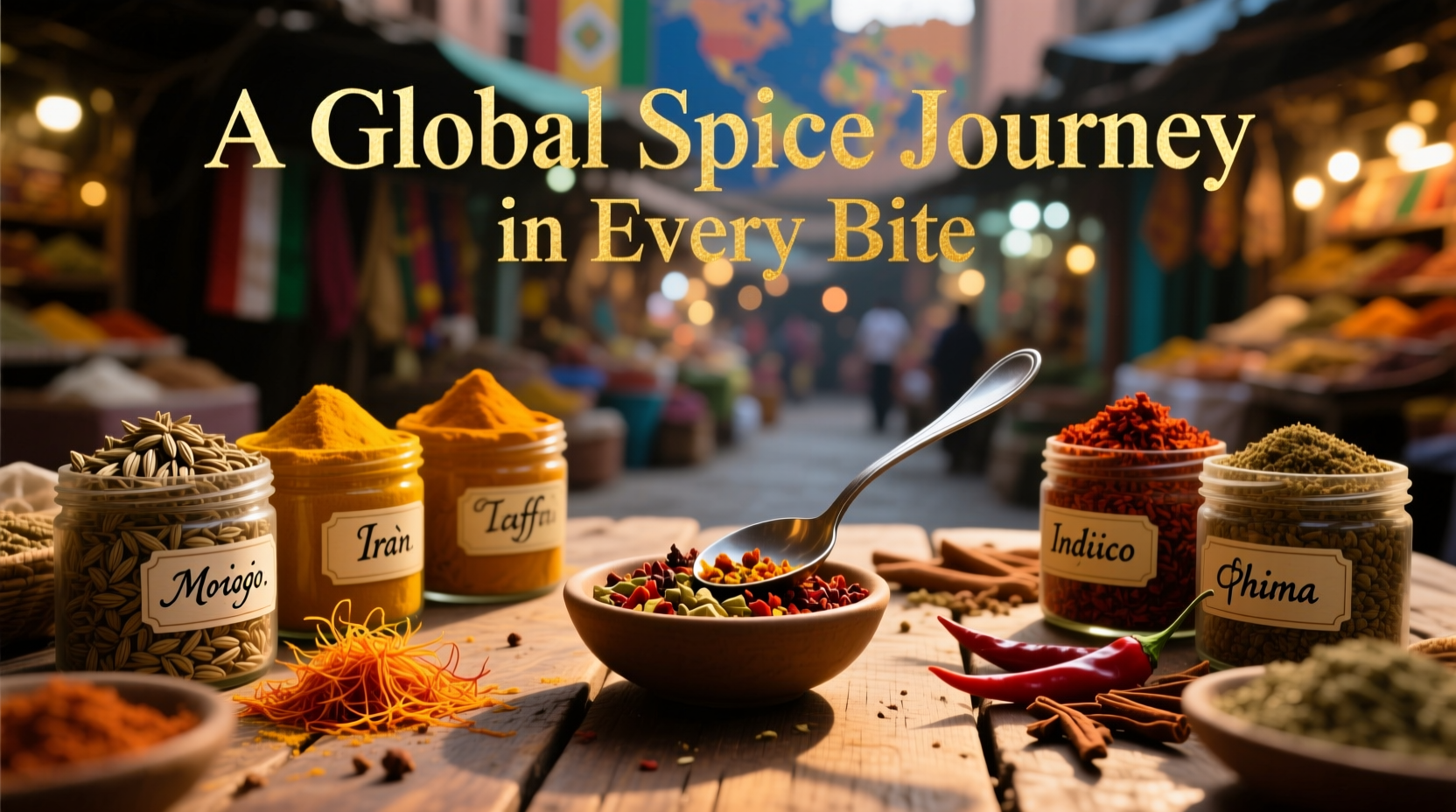
Spices are aromatic plant substances derived from seeds, fruits, roots, bark, or other vegetative components, used primarily to enhance flavor, color, and preservation in food. Unlike herbs—which typically come from the leafy parts of plants—spices are often more potent, concentrated, and stable over time. They originate from tropical and subtropical regions across Asia, Africa, the Middle East, and Latin America, where climatic conditions favor the development of volatile oils responsible for their distinctive scents and tastes.
The historical significance of spices cannot be overstated. In medieval Europe, black pepper was once worth its weight in silver. Cinnamon and cloves drove imperial expansion, while saffron adorned royal feasts. But beyond economics and power, spices serve essential functions: cumin aids digestion, turmeric contains anti-inflammatory compounds, and clove possesses natural analgesic properties. Their roles extend from the kitchen to medicine, ritual, and even embalming practices in ancient civilizations.
In contemporary cooking, spices remain central to authenticity and innovation. Whether building a Moroccan ras el hanout blend or tempering mustard seeds in South Indian dal, the choice and combination of spices determine the identity of a dish. To cook with intention is to understand not just what a spice does, but where it comes from, how it behaves under heat, and how it interacts with other ingredients.
Key Characteristics
Each spice brings a unique profile shaped by geography, harvest method, and processing. Below is a breakdown of core attributes shared across major categories:
| Spice | Flavor Profile | Aroma | Heat Level (Scoville or Sensation) | Culinary Function | Shelf Life (Whole/Ground) |
|---|---|---|---|---|---|
| Black Pepper | Pungent, slightly floral, warm | Sharp, citrusy notes | Mild (10,000 SHU) | Universal enhancer, \"background\" spice | 3–4 years / 1–2 years |
| Cumin | Earthy, nutty, smoky | Warm, toasted aroma | None | Base for curries, stews, chili | 4 years / 2 years |
| Turmeric | Bitter, earthy, slightly peppery | Woody, musky | None | Colorant, health boost, base spice | 3 years / 1 year |
| Cardamom | Sweet, camphor-like, citrusy | Fragrant, eucalyptus undertones | None | Desserts, chai, rice dishes | 5 years / 2 years |
| Chili Powder (Generic) | Spicy, smoky, variable sweetness | Pungent, roasted | Medium to High (30,000–50,000 SHU) | Heat source, depth builder | 2 years / 1 year |
| Cinnamon (Ceylon) | Sweet, delicate, woody | Soft, warm vanilla-like | None | Baking, mulled drinks, braises | 4 years / 2 years |
| Nutmeg | Warm, sweet, slightly hallucinogenic in excess | Rich, balsamic | None | Cream sauces, mashed potatoes, baked goods | Ground degrades fast; whole lasts 3+ years |
Practical Usage: How to Use Spices Effectively
Using spices well goes beyond sprinkling them into a pot. Technique determines whether flavors bloom or burn, meld or dominate. Here are proven methods used by professionals and skilled home cooks:
Dry Toasting
Lightly heating whole spices in a dry skillet releases essential oils and deepens flavor. This step is critical before grinding or adding to liquid-based dishes. For example, toasting cumin seeds until fragrant unlocks a smoky dimension absent in raw form. Heat over medium-low for 1–2 minutes, shaking frequently to avoid scorching.
Tempering (Tadka)
Common in Indian cuisine, tempering involves frying whole spices—such as mustard seeds, curry leaves, and asafoetida—in hot oil or ghee, then pouring the infused fat over finished dishes like dals or rice. The result is an aromatic burst that elevates texture and taste simultaneously.
Bloom in Fat
Adding ground spices to hot oil at the beginning of sautéing (after onions and garlic) allows them to “bloom,” integrating fully into the dish rather than remaining powdery. For instance, blooming paprika in olive oil prevents clumping and intensifies its sweetness without bitterness.
Layering Flavors
Advanced spice work involves layering: using the same spice in different forms. A chef might include whole cloves in a broth, finish with a pinch of ground clove, and garnish with clove-infused oil. Each layer contributes subtly distinct notes.
Timing Matters
Delicate spices like saffron or ground coriander should be added late in cooking to preserve aroma. Robust ones like cumin or fenugreek benefit from longer exposure to heat. Misjudging timing leads to flat or overpowering results.
Pro Tip: Always toast whole spices before grinding. Pre-ground spices lose up to 75% of volatile oils within six months. Invest in a small coffee grinder dedicated to spices—it transforms your cooking.
Variants & Types
Many spices exist in multiple forms, each suited to specific applications. Recognizing these variants improves precision in cooking.
- Whole vs. Ground: Whole spices retain potency far longer. Use whole for infusions (e.g., bay leaves in soup), pickling, or long simmers. Grind only when needed for sauces, rubs, or quick-cooking dishes.
- Green vs. Black Cardamom: Green cardamom (Elettaria cardamomum) is sweet and floral, ideal for desserts and beverages. Black cardamom (Amomum subulatum) is larger, smokier, and used in savory meat dishes and biryanis.
- Ceylon vs. Cassia Cinnamon: True cinnamon (Ceylon) is thin, layered bark with a mild, complex sweetness. Cassia, common in supermarkets, is thicker, harsher, and contains higher levels of coumarin—a compound potentially harmful in large doses.
- Fresh vs. Dried Turmeric: Fresh turmeric root offers juicier, brighter flavor and can be grated into juices or stir-fries. Dried powder is more concentrated and better for staining rice or thickening curries.
- Single-Origin vs. Blends: While single spices allow control, blends like garam masala, berbere, za’atar, or Chinese five-spice deliver balanced complexity. Make your own for freshness, or choose reputable brands if buying pre-made.
| Spice | Variants | Best Used In |
|---|---|---|
| Cloves | Whole buds, ground, clove oil | Pickling, mulled wine, spice rubs |
| Coriander | Seeds (citrusy), fresh leaves (cilantro) | Curries, salsas, marinades |
| Pepper | Black, white, green, pink (berries) | Finishing (black), creamy sauces (white), Thai salads (green) |
| Ginger | Fresh root, dried powder, preserved, crystallized | Stir-fries (fresh), chai (dried), glazes (crystallized) |
Comparison with Similar Ingredients
Confusion between similar spices is common—even among experienced cooks. Clarifying distinctions ensures accurate usage.
- Cumin vs. Caraway: Both belong to the Apiaceae family and share a warm, earthy tone. However, cumin is stronger, smokier, and dominant in Mexican and Indian cuisines. Caraway has a sharper, slightly licorice-like note, essential in rye bread and Central European dishes.
- Turmeric vs. Saffron: Both impart golden color, but saffron delivers a honeyed, floral aroma and costs exponentially more. Turmeric provides color and earthiness at a fraction of the price but lacks saffron’s nuance. Never substitute one for the other in delicate dishes like bouillabaisse or risotto Milanese.
- Paprika vs. Chili Powder: Paprika is made purely from ground peppers and ranges from sweet (Hungarian) to smoked (Spanish pimentón). Chili powder (especially American) often includes cumin, garlic, and oregano. Check labels carefully.
- Star Anise vs. Anise Seed: Star anise (from a Chinese evergreen tree) is star-shaped and intensely licorice-flavored, used in pho and braised meats. Anise seed (from a Mediterranean herb) is smaller, milder, and common in biscotti and liqueurs.
“The difference between good food and great food often lies not in technique, but in the moment you decide to toast the coriander seeds instead of dumping them straight from the jar.” — Chef Imtiaz Ahmed, former head of spice research at Culinary Institute of Hyderabad
Practical Tips & FAQs
How much spice should I use?
Start conservatively. A general rule: for dried ground spices in a four-serving dish, begin with ¼ to ½ teaspoon. You can always add more, but you can’t remove excess. Whole spices may require ½ to 1 teaspoon, depending on size and intensity.
Can I substitute one spice for another?
Sometimes—but with caveats. Substitutions alter character. For example:
- No cumin? Try caraway (½ amount) + pinch of smoked paprika.
- No cardamom? Use equal parts cinnamon and cloves, though the result will lack brightness.
- No turmeric? Omit unless color is crucial; no direct substitute captures its earthy bitterness.
How do I store spices properly?
Keep in airtight containers away from heat, light, and moisture. Avoid placing spice racks near stoves or windows. Whole spices last 2–4 years; ground versions degrade in 6 months to 2 years. Label jars with purchase dates. Never store above the stove.
Are expensive spices worth it?
Yes, selectively. Saffron, vanilla, and true cinnamon justify cost due to labor-intensive harvesting and superior performance. Mass-market chili powders often contain fillers—buy from specialty suppliers. However, everyday spices like cumin or coriander need not be artisanal unless labeled organic or single-origin.
Do spices lose potency?
Yes. Ground spices oxidize quickly. Test potency by crushing a pinch between fingers and smelling. If aroma is faint, replace it. Old spices won’t make food unsafe, but they yield dull, lifeless dishes.
Is there a universal spice blend every kitchen should have?
While preferences vary, a versatile starting point is a homemade garam masala: combine equal parts ground cinnamon, cardamom, cloves, cumin, and coriander. Toast and grind fresh. Use in lentils, roasted vegetables, or scrambled eggs for instant depth.
Mini Case Study: Transforming a Bland Stew
A home cook complained her beef stew tasted flat despite following a recipe exactly. Upon review, she was using pre-ground spices stored for over two years. She switched to toasting whole coriander and cumin seeds, grinding them fresh, and blooming in bacon fat before adding liquid. Result: richer, more aromatic stew with noticeable complexity. The change cost nothing—only attention to detail.
Summary & Key Takeaways
Spices are not mere seasonings—they are cultural artifacts, biochemical powerhouses, and tools of transformation. To embark on a global spice journey is to engage with history, geography, and sensory science in every bite. Mastery begins with understanding origin, progresses through proper handling, and culminates in creative application.
Key principles to remember:
- Buy whole when possible and grind as needed for maximum flavor retention.
- Toasting unlocks depth—don’t skip this foundational step.
- Layer and bloom spices in fat to integrate them fully into dishes.
- Store correctly: cool, dark, dry, and airtight.
- Respect differences between similar spices—confusing cumin with caraway changes a dish’s identity.
- Experiment thoughtfully: substitution is acceptable, but know what you’re losing.
Start today: Pick one spice from your cabinet. Research its origin. Toast it. Smell it. Taste it. Then use it in a new way. That simple act connects you to centuries of culinary tradition—and positions you as a mindful creator, not just a follower of recipes.




 浙公网安备
33010002000092号
浙公网安备
33010002000092号 浙B2-20120091-4
Comments
No comments yet. Why don't you start the discussion?