
Cinnamon is more than a pantry staple—it’s a botanical marvel with a history spanning millennia, a chemistry lab of aromatic compounds, and a critical player in both sweet and savory global cuisines. Yet most home cooks treat it as a monolithic ingredient, grabbing whatever jar is cheapest at the supermarket without considering its origin, species, or volatile oil profile. This oversight can dull the brilliance of even the most carefully crafted dish. Understanding cinnamon isn’t just about flavor; it’s about precision, authenticity, and maximizing sensory impact. For the cook who reads labels, questions provenance, and measures spices with intention, this guide unpacks every layer of the world’s most beloved bark.
Definition & Overview
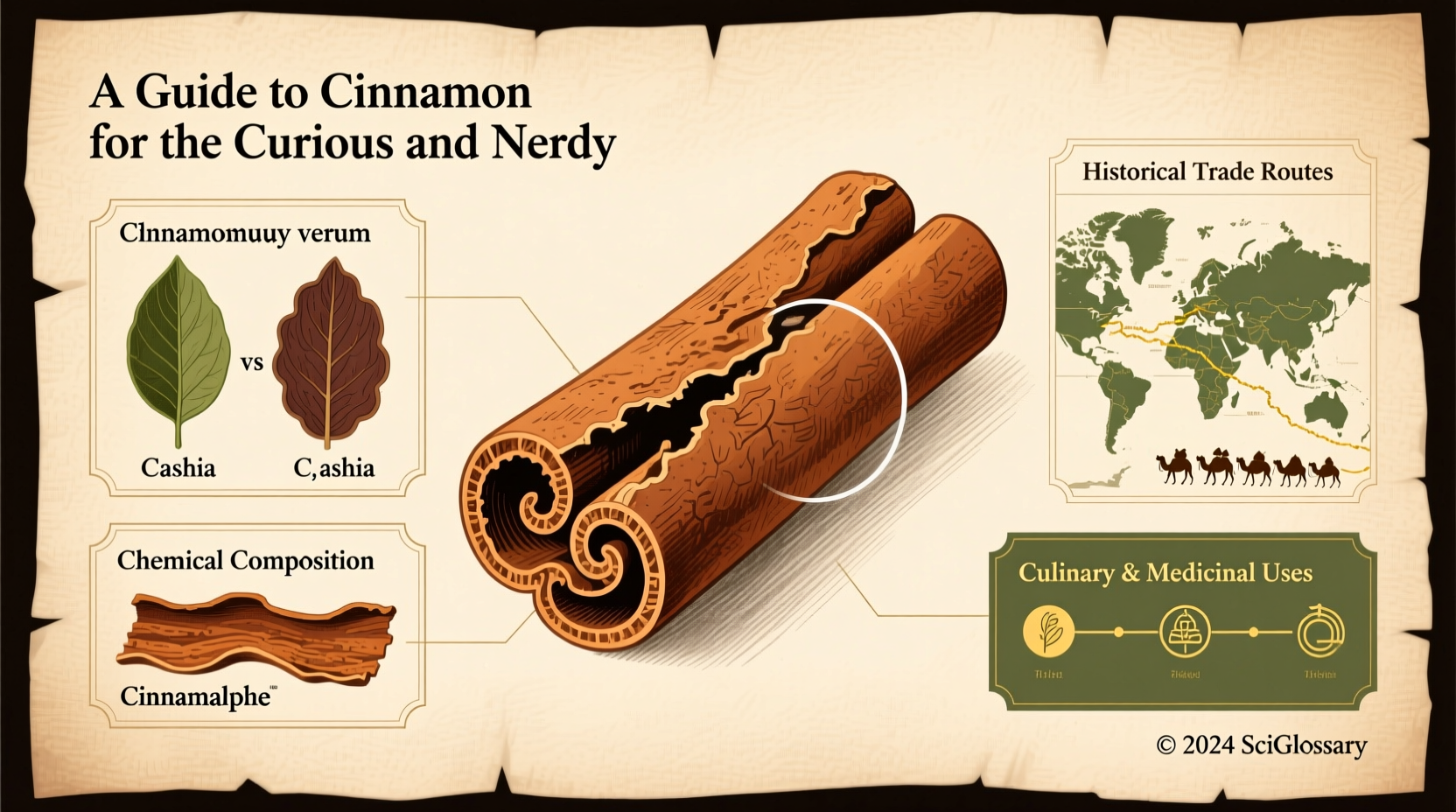
Cinnamon is the inner bark of trees from the genus Cinnamomum, native to South and Southeast Asia. When harvested, the bark curls into quills (commonly called “sticks”) as it dries, releasing a warm, sweet-spicy aroma driven primarily by cinnamaldehyde, eugenol, and coumarin—compounds that define its sensory and functional properties.
Unlike single-origin ingredients, “cinnamon” on a label rarely specifies which species is used. In reality, multiple distinct varieties exist, each with unique chemical compositions, flavor intensities, and culinary applications. The confusion arises because common names overlap, regional preferences vary, and commercial blends often prioritize cost over quality. To use cinnamon effectively—especially in recipes where nuance matters—one must distinguish between these types and understand their behavior under heat, acidity, and time.
Key Characteristics
The sensory and chemical profile of cinnamon varies significantly by species. Below is a breakdown of the core attributes shared across types, followed by specific distinctions in later sections.
| Characteristic | Description |
|---|---|
| Flavor Profile | Warm, sweet, mildly spicy, with notes of clove, citrus, or wood depending on type. High-cinnamaldehyde varieties are sharper; high-eugenol types lean medicinal or clove-like. |
| Aroma | Intensely fragrant when ground; fresh quills should release scent with light scraping. Aromatics degrade quickly if improperly stored. |
| Form | Available as whole quills, ground powder, essential oil, or extract. Quills retain freshness longer; powder offers convenience but oxidizes faster. |
| Heat Stability | Best added early in long-cooked dishes (stews, compotes) to infuse base flavors. In baking, it disperses evenly when blended with dry ingredients. |
| Culinary Function | Acts as a flavor enhancer, balancing sweetness, adding warmth, and rounding out spice blends. Also exhibits mild antimicrobial properties. |
| Shelf Life | Whole quills: 3–4 years in airtight, dark container. Ground: 6–12 months before significant volatile loss. Store away from heat and light. |
Variants & Types
Not all cinnamon is created equal. Four primary types dominate global trade, each originating from different species and regions. Their differences are not subtle—they affect safety, compatibility, and final taste.
1. Ceylon Cinnamon (Cinnamomum verum)
Known as “true cinnamon,” Ceylon is native to Sri Lanka and southern India. It grows in delicate, multi-layered quills that resemble cigar tubes. Its flavor is complex: sweet, citrusy, floral, with low pungency and minimal bitterness. Chemically, it contains low levels of coumarin (a naturally occurring anticoagulant), making it safer for regular consumption in larger quantities.
Use when: Precision and subtlety matter—think custards, rice puddings, delicate pastries, or beverages like masala chai where balance is key.
2. Cassia Cinnamon (Cinnamomum cassia)
Originating in China, this is the most common form sold as “cinnamon” in North America and Europe. It has thick, rough, single-layer quills with a deep reddish-brown color. Flavor is bold, hot, and intensely spicy-sweet, dominated by cinnamaldehyde. However, it contains high levels of coumarin—up to 1% by weight—which can be hepatotoxic in excess.
Use when: You need punch—like in snickerdoodles, spiced nuts, or robust stews such as Chinese five-spice braises. Avoid daily high-dose use.
3. Indonesian Cinnamon (Cinnamomum burmannii)
Also known as Padang or Korintje cinnamon, this variety is grown in Sumatra. It’s cheaper to produce and dominates commercial ground cinnamon blends. The quills are thick and tightly rolled, with a coarse texture. Flavor is earthy, woody, and less nuanced than Ceylon or Cassia, with moderate coumarin levels.
Use when: Cost is a factor and flavor complexity is secondary—e.g., mass-produced baked goods or industrial food manufacturing.
4. Saigon Cinnamon (Cinnamomum loureiroi)
Grown in Vietnam, this is the most aromatic of all, with up to 5% essential oil content (compared to 1–2% in others). Its high cinnamaldehyde concentration makes it extremely pungent and sweet. Often labeled as “Vietnamese cinnamon,” it’s prized by pastry chefs for its intensity.
Use when: Maximum impact is desired—cinnamon rolls, spice cakes, or glazes where the spice must cut through sugar and fat.
Comparison of Cinnamon Types
| Type | Origin | Flavor Intensity | Coumarin Level | Best Use Case |
|---|---|---|---|---|
| Ceylon | Sri Lanka | Mild, floral, citrusy | Very low | Delicate desserts, dairy-based dishes |
| Cassia | China | Strong, spicy | High | Baking, spice blends, savory braises |
| Indonesian | Sumatra | Earthy, coarse | Moderate | Commercial products, low-cost applications |
| Saigon | Vietnam | Very strong, sweet-hot | Moderate to high | Artisan baking, bold flavor profiles |
Comparison with Similar Ingredients
Cinnamon is frequently mistaken for or substituted with other warming spices. While they may share aromatic families, their chemical and functional roles differ.
- Cassia vs. Cinnamon: In many countries, “cassia” is labeled as “cinnamon.” True cinnamon (Ceylon) is milder and safer for frequent use. If a recipe calls for “cinnamon” and you’re using Cassia, reduce quantity by 20–30% to avoid overpowering.
- Cinnamon vs. Nutmeg: Nutmeg is a seed, not bark. It has a sweeter, more musky aroma and is best used freshly grated. It lacks cinnamaldehyde and does not provide the same sharp warmth.
- Cinnamon vs. Allspice: Despite its name, allspice is a single berry (Pimenta dioica) that tastes like a blend of cinnamon, cloves, and nutmeg. It cannot replace cinnamon one-to-one due to its clove dominance.
- Cinnamon vs. Chinese Five-Spice: This blend includes cassia as its base but combines star anise, fennel, cloves, and Sichuan pepper. Using it as a cinnamon substitute will introduce licorice and numbing notes.
“I once had a student ruin a batch of crème brûlée by using store-bought ‘cinnamon’ that turned out to be Cassia. The coumarin gave it a bitter edge, and the intensity overwhelmed the vanilla. Since then, I tell my students: if your cinnamon smells like a firecracker and leaves a slight burn, it’s probably Cassia—and that’s fine, but know what you’re using.”
— Chef Amara Lin, Culinary Institute of San Francisco
Practical Usage: How to Use Cinnamon Effectively
Mastering cinnamon goes beyond sprinkling it on oatmeal. Its application depends on form, timing, and synergy with other ingredients.
Whole Quills vs. Ground
Whole quills are ideal for infusing liquids—poaching pears, simmering mulled wine, or building curry bases. They release flavor slowly and can be removed before serving. Ground cinnamon disperses instantly but degrades faster; always grind from fresh quills if possible, using a microplane or spice grinder.
Dosage Guidelines
Overuse is the most common mistake. Here are professional ratios:
- Baking (per cup of flour): ½ to 1 tsp ground cinnamon. Use Ceylon for subtle sweetness, Saigon for assertive spice.
- Spice Blends (e.g., pumpkin spice): Cinnamon should make up 40–50% of the mix. Balance with ginger (25%), nutmeg (15%), allspice (10%), and cloves (5–10%).
- Savory Dishes (e.g., tagines, biryanis): Start with ¼ tsp per serving. Whole quills go in early; ground is added mid-cook to preserve aroma.
- Beverages (chai, hot chocolate): 1 small quill (2–3 cm) per 8 oz liquid, simmered 5–7 minutes. Remove before drinking.
Thermal Behavior
Cinnamaldehyde is stable under prolonged heat, making cinnamon excellent for slow cooking. However, eugenol volatilizes quickly—adding ground cinnamon late in the process preserves its top notes. For layered flavor, use both forms: a quill during simmering, plus a pinch of powder at the end.
Pro Tip: Bloom ground cinnamon in warm fat (butter, ghee, or oil) for 30 seconds before adding liquids. This unlocks its full aromatic potential and prevents clumping in batters.
Pairing Suggestions
Cinnamon harmonizes with ingredients that either contrast or complement its warmth:
- Fruit: Apples, pears, peaches, bananas, oranges. The acid brightens cinnamon’s sweetness.
- Dairy: Cream, yogurt, mascarpone. Fat carries the oil-soluble compounds, enhancing mouthfeel.
- Chocolate: Especially dark chocolate. Cinnamon softens bitterness and adds dimension.
- Spices: Cardamom, ginger, clove, star anise. Use in proportion to avoid muddiness.
- Meat: Lamb, duck, pork. Common in Middle Eastern and North African cuisines (e.g., Moroccan tagine).
Recipe Application: Apple-Cinnamon Compote (Precision Version)
- Peel and dice 4 tart apples (e.g., Granny Smith).
- In a saucepan, melt 2 tbsp butter over medium heat. Add 1 Ceylon quill (2 cm) and sauté 1 min to bloom.
- Add apples, 2 tbsp sugar, ¼ tsp lemon zest, and ¼ cup water. Simmer covered 12–15 min until tender.
- Remove lid, stir in ⅛ tsp freshly grated nutmeg and a pinch of sea salt.
- Turn off heat. Stir in ¼ tsp Ceylon cinnamon powder. Let rest 5 min before serving.
This method layers the spice: quill for base infusion, powder for finish. The result is balanced, aromatic, and never cloying.
Practical Tips & FAQs
Q: How do I know if my cinnamon is Ceylon or Cassia?
A: Examine the quills. Ceylon quills are thin, brittle, and composed of multiple papery layers. Cassia is thick, hard, and forms a single roll. Ground, Ceylon is lighter tan; Cassia is dark reddish-brown. Smell test: Cassia is sharper, almost peppery.
Q: Is cinnamon dangerous?
A: Only in excess—and only certain types. The tolerable daily intake of coumarin is 0.1 mg per kg of body weight. One teaspoon of Cassia cinnamon can exceed this. Ceylon is safe for daily use. Those with liver conditions or on blood thinners should consult a doctor.
Q: Can I substitute Ceylon for Cassia in recipes?
A: Yes, but adjust for strength. Use 1.5x the amount of Ceylon to match Cassia’s intensity. Conversely, reduce Cassia by 25% when replacing Ceylon.
Q: How should I store cinnamon?
A: In an airtight glass jar, away from light, heat, and moisture. Never store above the stove. Whole quills last years; ground should be replaced annually for peak flavor.
Q: What’s the best way to grind cinnamon at home?
A: Use a dedicated coffee grinder or microplane. For quills, snap into 1-inch pieces first. Grind in short bursts to prevent overheating. Sift if needed for fine texture.
Q: Why does my cinnamon taste bitter?
A: Bitterness comes from degraded oils or high coumarin (common in old or Cassia-heavy blends). It can also result from burning during blooming. Always use low heat and fresh stock.
Expert Checklist: Buying Quality Cinnamon
- ✅ Check the label: Look for “Cinnamomum verum” or “Ceylon” if you want low coumarin.
- ✅ Avoid “may contain traces of…” allergen warnings on bulk bins—cross-contamination is common.
- ✅ Buy whole quills when possible—they last longer and let you verify quality.
- ✅ Source from reputable spice vendors who disclose origin and harvest date.
- ✅ Perform a snap test: Fresh quills should break cleanly, not crumble or bend.
Summary & Key Takeaways
Cinnamon is not a generic spice. It is a family of botanically distinct barks with divergent chemical profiles, culinary roles, and health implications. Recognizing the difference between Ceylon, Cassia, Indonesian, and Saigon varieties allows for greater control in the kitchen and safer, more refined results.
Ceylon cinnamon offers elegance and safety for everyday use, especially in delicate preparations. Cassia delivers power and is ideal for bold applications, though moderation is advised. Saigon stands at the pinnacle of intensity, favored by professionals for its aromatic punch. Indonesian cinnamon serves economic needs but lacks finesse.
To use cinnamon like a pro: bloom it in fat, layer whole and ground forms, respect dosage, and store properly. Understand its pairings—fruit, dairy, chocolate, and complementary spices—and leverage its stability in long cooking while preserving volatile top notes with late additions.
The next time you reach for that familiar jar, pause. Ask: What species is this? How fresh is it? Does it serve the dish—or dominate it? With this knowledge, you move from casual user to informed steward of one of the world’s most storied spices.
Ready to upgrade your spice rack? Test the difference: buy a quill of Ceylon and Cassia, brew them separately in hot water, and compare. Your palate will thank you.




 浙公网安备
33010002000092号
浙公网安备
33010002000092号 浙B2-20120091-4
Comments
No comments yet. Why don't you start the discussion?