
In an era where dining is as much about customization and freshness as flavor, the soup bar has emerged as a standout feature in cafeterias, gourmet food halls, and health-conscious eateries. More than just a bowl of broth, a soup bar offers layered textures, diverse temperatures, and culinary exploration in one meal. Whether you're navigating a corporate lunch buffet or visiting a specialty Asian noodle shop, understanding how to approach a soup bar elevates your experience from casual to curated. This guide breaks down the components, strategies, and etiquette of the soup bar—helping you build satisfying, balanced bowls every time.
Definition & Overview
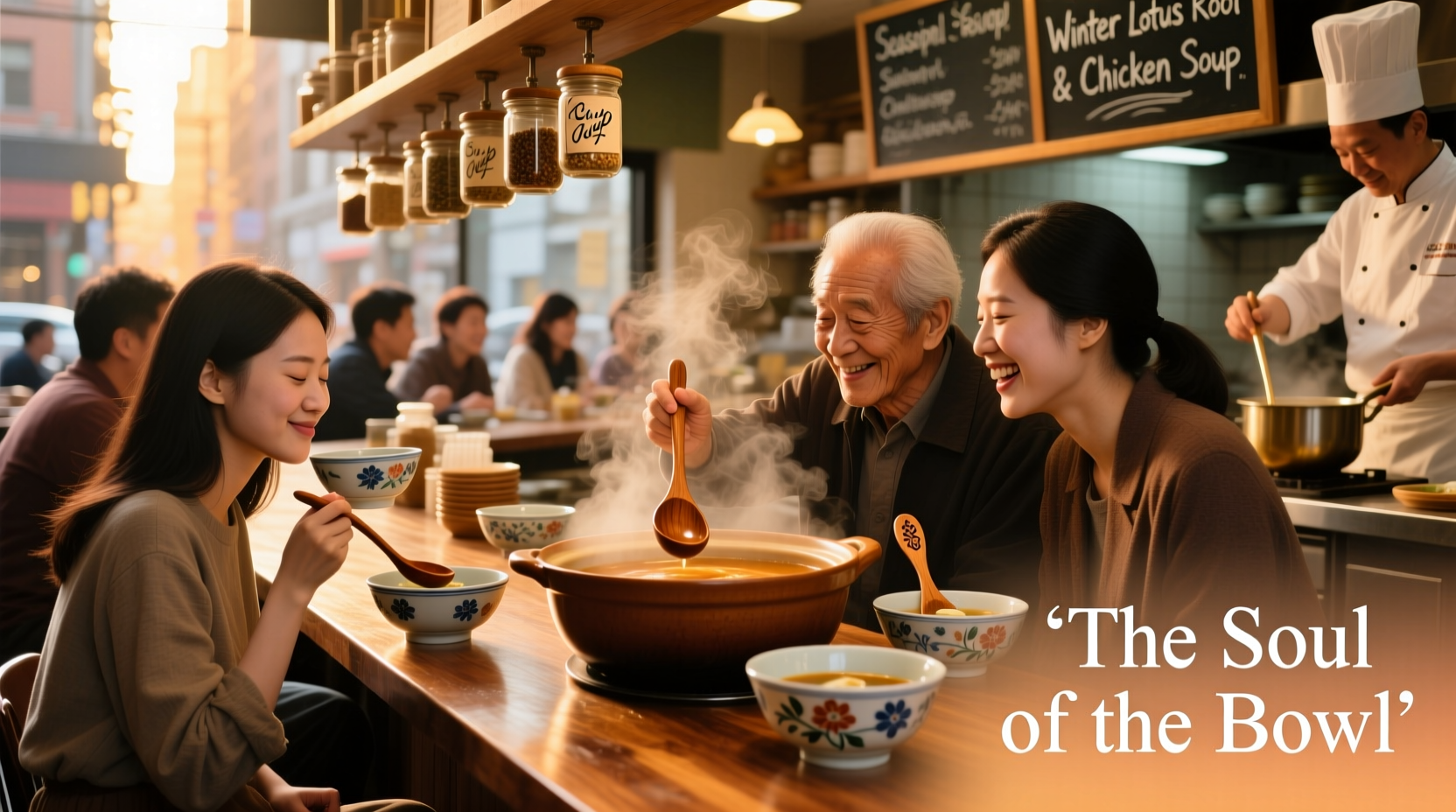
A soup bar is a self-service or staff-assisted station that allows diners to assemble customized bowls of soup using a rotating selection of bases, proteins, vegetables, noodles, garnishes, and condiments. Unlike traditional soup service—where one pre-made option is served—the soup bar invites interaction, personalization, and often, cultural fusion. Originating in part from East Asian noodle traditions (such as Japanese ramen bars or Chinese hot pot setups), modern iterations have expanded globally, blending global flavors with local ingredients.
Soup bars are now common in workplace cafeterias, university dining halls, urban food courts, and standalone restaurants specializing in customizable comfort food. They cater to dietary diversity—offering vegan, gluten-free, low-sodium, and high-protein options—and encourage mindful eating through ingredient transparency.
Key Characteristics of the Soup Bar Experience
- Customization: Diners control every element of their bowl, from base to finish.
- Freshness: Ingredients are typically prepared daily and displayed in chilled or heated compartments.
- Variety: Rotating menus ensure seasonal relevance and reduce repetition.
- Speed: Most soup bars are designed for quick assembly, ideal for lunch rushes.
- Dietary Inclusivity: Options accommodate vegetarian, dairy-free, nut-free, and other restrictions.
- Temperature Contrast: Many feature both hot broths and cold garnish bars, allowing for dynamic mouthfeel.
| Component | Purpose | Common Examples |
|---|---|---|
| Broth Base | Liquid foundation; defines flavor profile | Miso, tom yum, roasted vegetable, chicken pho, bone broth |
| Noodles/Grains | Textural body; carbohydrate source | Ramen, soba, rice noodles, quinoa, farro |
| Proteins | Nutritional anchor; adds satiety | Grilled tofu, shredded chicken, seared beef, soft-boiled egg, chickpeas |
| Vegetables | Crunch, color, nutrients | Bok choy, mushrooms, corn, spinach, radish, scallions |
| Garnishes | Flavor accents; aromatic lift | Cilantro, lime wedges, pickled onions, sesame seeds, nori flakes |
| Condiments | Heat, acidity, umami boost | Chili oil, soy sauce, fish sauce, sriracha, yuzu kosho |
Practical Usage: How to Build a Balanced Bowl
Constructing a successful soup bar bowl requires more than piling on favorites—it demands balance across flavor, texture, temperature, and nutrition. Follow this step-by-step method used by chefs and frequent diners alike.
- Choose Your Broth First: This sets the tone. A miso broth pairs well with earthy mushrooms and tofu; a spicy tom yum suits shrimp and lime; a clear pho-style broth enhances delicate herbs and rare beef. Avoid overly salty bases if you plan to add soy or fish sauce later.
- Select a Starch: Opt for whole-grain noodles or legume-based pastas if available for added fiber. Portion size matters—a heaping cup is standard, but adjust based on activity level or meal timing.
- Add Protein Strategically: Include at least one lean protein. If meat is offered, two to three ounces is sufficient. Plant-based eaters should combine sources—e.g., edamame and tempeh—for complete amino acid profiles.
- Load Up on Vegetables: Aim for at least three different types. Include raw (for crunch) and cooked (for tenderness). Steamed broccoli and marinated kale offer different textures and nutrient availability.
- Finish with Garnishes and Condiments: These are not afterthoughts—they refine the dish. A squeeze of citrus brightens heavy broths; chili oil adds depth, not just heat. Use sparingly and taste as you go.
Pro Tip: Layer ingredients by density. Place heavier items like beans and root vegetables at the bottom so they absorb broth, while delicate greens and herbs stay on top to preserve aroma.
Restaurant vs. Self-Service Models
Some soup bars operate on a build-your-own model, while others use a “choose-and-stir” format where staff prepares the bowl behind a counter. In the latter, communication is key. Clearly state allergies, preferences (“light on soy,” “extra ginger”), and don’t hesitate to ask for samples of unfamiliar broths.
Pairing Strategies
A soup bar meal can stand alone, but thoughtful pairings enhance satisfaction:
- With Bread: A slice of sourdough or steamed bun complements creamy or brothy soups without overwhelming them.
- With Salad: A small side salad with vinaigrette offsets rich or salty soups.
- With Beverage: Green tea aids digestion; sparkling water with lemon refreshes the palate between bites.
Variants & Types of Soup Bars
Not all soup bars are created equal. The format varies widely depending on region, cuisine, and operational scale. Understanding these types helps you anticipate offerings and navigate choices confidently.
1. Global Fusion Soup Bars
Found in cosmopolitan food halls, these blend elements from multiple traditions. You might find Korean gochujang broth next to Italian minestrone and West African peanut stew. Ideal for adventurous eaters, they emphasize bold flavors and cross-cultural experimentation.
2. Health-Focused Soup Bars
Often labeled “clean eating” or “functional food” stations, these prioritize organic produce, bone broths, plant proteins, and anti-inflammatory ingredients like turmeric and ginger. Labels typically include calorie counts, macronutrients, and allergen codes.
3. Traditional Noodle Bars
Rooted in specific cuisines—Japanese ramen, Vietnamese pho, Thai boat noodles—these maintain authenticity in preparation and presentation. Customization is limited to classic options (e.g., spice level, noodle firmness), preserving culinary integrity.
4. Seasonal & Rotating Menus
Upscale cafes and farm-to-table restaurants may offer weekly-changing soup bars based on harvest cycles. Expect butternut squash in autumn, pea shoots in spring, and chilled cucumber-yogurt soups in summer.
5. Corporate & Institutional Soup Bars
Designed for efficiency and crowd appeal, these offer simplified choices—three broths, two noodles, five toppings—with consistent quality. While less adventurous, they provide reliable, nutritious midday meals.
| Type | Customization Level | Best For | Typical Price Range (USD) |
|---|---|---|---|
| Global Fusion | High | Food explorers, urban diners | $10–$16 |
| Health-Focused | Medium-High | Diet-specific eaters, wellness seekers | $9–$14 |
| Traditional Noodle | Low-Medium | Culture enthusiasts, purists | $11–$15 |
| Seasonal/Rotating | Medium | Locavores, sustainability-minded | $12–$17 |
| Corporate/Institutional | Low | Busy professionals, students | $6–$9 (often included in meal plan) |
Comparison with Similar Concepts
The soup bar is sometimes confused with salad bars, grain bowls, or poke stations. While overlapping in customization, key distinctions exist.
| Feature | Soup Bar | Salad Bar | Grain Bowl Station | Poke Bar |
|---|---|---|---|---|
| Liquid Base | Yes (broth, consommé) | No | No (or minimal sauce) | No (marinade only) |
| Temperature | Hot dominant | Cold dominant | Room temp or warm | Cold |
| Primary Vessel | Bowl with deep sides | Shallow bowl or plate | Broad bowl | Small bowl |
| Utensil | Spoon (sometimes chopsticks) | Fork | Fork or spoon | Chopsticks or fork |
| Hydration Contribution | High (broth = ~90% water) | Low-Medium (from veggies) | Low | Low |
| Digestive Ease | High (warm liquids aid digestion) | Variable (raw veggies may cause bloating) | Medium | Medium |
“The soup bar’s greatest strength is its ability to deliver comfort and complexity simultaneously. It’s nourishment with narrative—one spoonful tells a story of culture, season, and choice.” — Chef Lena Tran, Culinary Director at Urban Bowl Co.
Practical Tips & FAQs
How do I avoid making my soup too salty?
Start with low-sodium broth when available. Add condiments gradually—soy sauce, fish sauce, and miso paste are potent. Taste after each addition. If over-seasoned, dilute with a splash of unsalted broth or balance with a squeeze of citrus or a sweet garnish like caramelized onions.
Can I make a filling soup bar meal on a budget?
Yes. Prioritize proteins and starches that are expensive elsewhere—like grilled salmon or handmade noodles—but are portion-controlled here. Skip premium add-ons like truffle oil unless truly desired. At pay-by-weight locations, keep portions balanced: 30% broth, 20% starch, 20% protein, 30% vegetables.
What are the best soup bar choices for weight management?
Focus on broth-based soups (not cream-based), load up on non-starchy vegetables, choose lean proteins, and moderate noodle portions. Avoid fried toppings like wontons or crispy shallots if watching calories. Request dressings and oils on the side.
How long do soup bar ingredients stay fresh?
In regulated environments, hot foods remain above 140°F (60°C) and cold items below 40°F (4°C). Replenishment occurs every 60–90 minutes during peak hours. Trust visual cues: vibrant colors, absence of pooling liquid, and steam from hot wells indicate freshness.
Are soup bars safe for people with allergies?
Exercise caution. Cross-contact is possible due to shared serving utensils and proximity of ingredients. Always check labeling and speak to staff. Request that clean spoons be used if severe allergies exist (e.g., peanuts, shellfish). Some establishments offer allergy-friendly zones or dedicated prep times.
Can I take soup bar leftovers home?
Most commercial soup bars prohibit taking food out due to liability and freshness concerns. However, some retail-focused spots sell packaged versions of popular broths or DIY kits. Ask if grab-and-go options are available.
Checklist: Building a Nutritionally Balanced Soup Bar Bowl
- ✅ One broth (low-sodium preferred)
- ✅ One serving of complex carbohydrate
- ✅ One lean protein (plant or animal)
- ✅ Three or more vegetables (mix raw and cooked)
- ✅ One healthy fat (e.g., avocado, sesame oil – sparingly)
- ✅ Acidic or herbal finish (lime, vinegar, cilantro)
- ✅ No more than two condiments to avoid sodium overload
Summary & Key Takeaways
The soup bar experience transcends convenience—it represents a shift toward personalized, conscious eating. By understanding its structure, components, and variations, diners gain agency over their meals while enjoying globally inspired flavors. Success lies not in maximalism but in harmony: balancing broth richness with vegetable brightness, protein substance with textural contrast, and indulgence with restraint.
Whether you’re a first-time visitor or a regular, approaching the soup bar with intention transforms a simple meal into a culinary ritual. Remember to start with the broth, layer thoughtfully, use garnishes purposefully, and respect dietary needs. With these principles, every visit becomes an opportunity to nourish both body and palate.
Next time you encounter a soup bar, apply this guide to craft a bowl that’s not only delicious but nutritionally sound and culturally curious. Share your favorite combination with a friend—or better yet, invite them to build one alongside you.




 浙公网安备
33010002000092号
浙公网安备
33010002000092号 浙B2-20120091-4
Comments
No comments yet. Why don't you start the discussion?