
Intermittent fasting has gained widespread attention not just as a weight-loss trend, but as a sustainable lifestyle approach with potential benefits ranging from improved insulin sensitivity to enhanced mental clarity. Among the various methods, the 16:8 fasting protocol stands out for its balance of effectiveness and accessibility. It involves fasting for 16 hours each day and consuming all meals within an 8-hour window. For beginners, this structure offers flexibility without drastic dietary overhauls. The key to lasting results isn’t just in following the schedule—it’s in doing so intelligently, sustainably, and with attention to your body’s signals.
Understanding the 16:8 Method
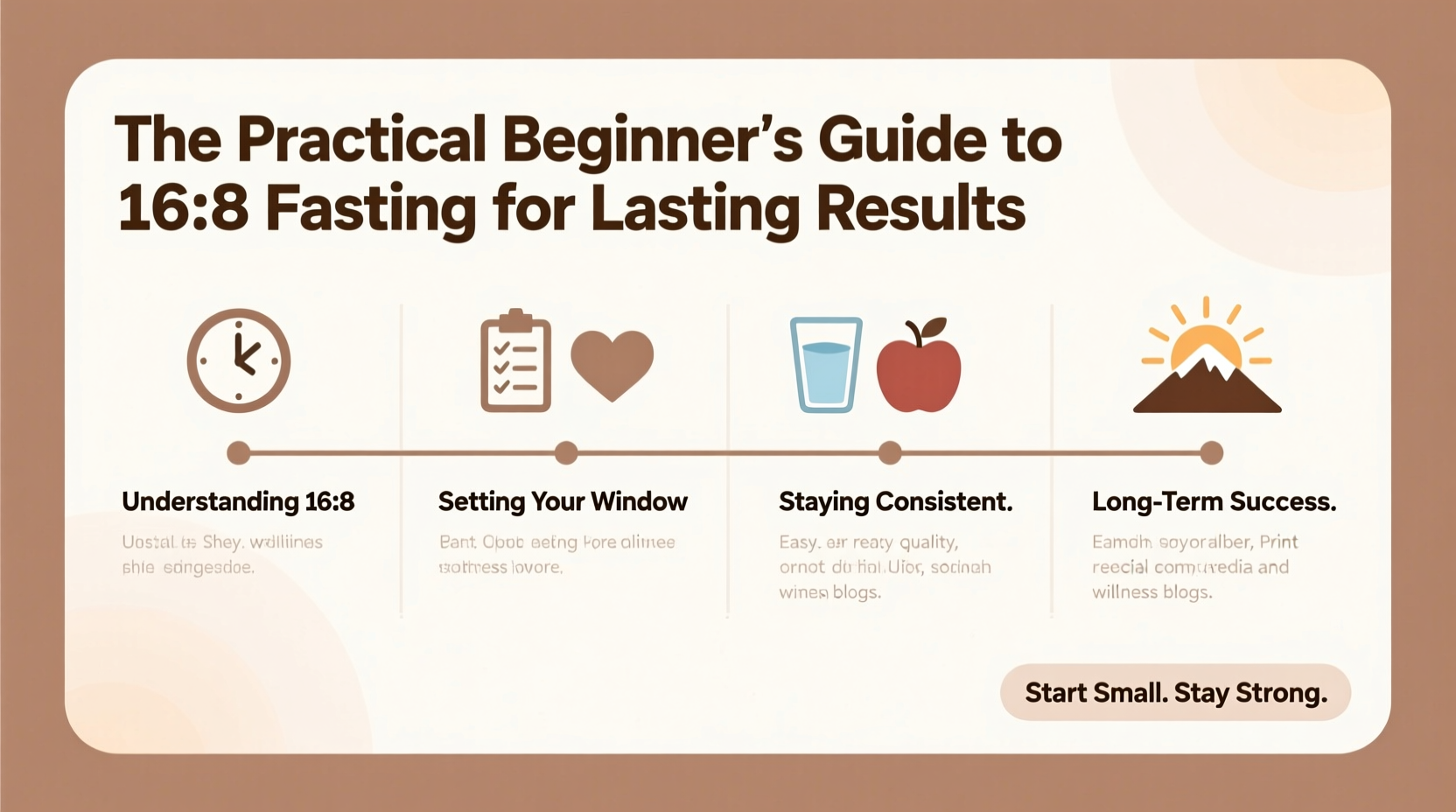
The 16:8 fasting model divides the day into two distinct periods: a 16-hour fast and an 8-hour eating window. During the fasting phase, you consume no calories, though non-caloric beverages like water, black coffee, and plain tea are permitted. The eating window allows for regular meals, ideally focused on whole, nutrient-dense foods. Most people choose a window such as 12 p.m. to 8 p.m. or 9 a.m. to 5 p.m., depending on their daily routine.
This method works by extending the natural overnight fast, allowing the body to deplete glycogen stores and begin burning fat for energy—a metabolic state known as ketosis. Unlike more restrictive fasting protocols, 16:8 is designed to be repeatable daily, making it easier to integrate into long-term habits.
“Time-restricted eating like 16:8 aligns with our circadian rhythms and can improve metabolic health even without calorie restriction.” — Dr. Satchin Panda, Circadian Biology Researcher, Salk Institute
Your First Week: A Step-by-Step Timeline
Starting any new habit requires planning and patience. Jumping straight into a strict routine often leads to burnout. Instead, ease into 16:8 fasting gradually. Here’s a realistic, seven-day plan to help you build momentum:
- Day 1–2: Observe Your Current Eating Pattern
Track when you eat from first bite to last. Note your hunger cues, energy levels, and late-night snacking habits. Awareness is the foundation of change. - Day 3–4: Shorten Your Eating Window to 10 Hours
If you currently eat from 8 a.m. to 10 p.m., shift to 9 a.m. to 7 p.m. This reduces your intake window without immediate deprivation. - Day 5: Introduce a 14-Hour Fast
Finish dinner by 7 p.m. and delay breakfast until 9 a.m. Use this time to assess how you feel in the morning—alert, sluggish, or hungry? - Day 6: Attempt a Full 16-Hour Fast
Aim to eat between 12 p.m. and 8 p.m. Stay hydrated. If hunger strikes in the morning, drink herbal tea or black coffee. - Day 7: Reflect and Adjust
Review your energy, focus, digestion, and mood. Did you sleep better? Were afternoon cravings reduced? Use insights to refine your approach.
Common Pitfalls and How to Avoid Them
Many beginners abandon 16:8 fasting due to preventable mistakes. Recognizing these early can save frustration and keep you on track.
| Mistake | Why It Happens | Solution |
|---|---|---|
| Overeating during the eating window | Compensating for perceived deprivation | Focus on balanced meals with protein, fiber, and healthy fats—not calorie binges. |
| Dehydration | Mistaking thirst for hunger; not drinking enough during the fast | Drink at least 2–3 liters of water daily. Add a pinch of salt if you feel lightheaded. |
| Exercising intensely while fasting (without adaptation) | Pushing too hard before the body adjusts to fat-burning mode | Begin with light cardio or strength training. Save intense workouts for post-meal energy peaks. |
| Expecting instant results | Metabolic shifts take time; initial water weight loss isn't fat loss | Commit to at least 4 weeks before evaluating progress beyond scale changes. |
Nutrition Strategy Within the Eating Window
Fasting doesn’t give free rein to eat whatever you want during the 8-hour window. Lasting results depend on food quality. Think of fasting as creating metabolic space—what you fill it with determines outcomes.
- Prioritize protein: Chicken, fish, eggs, legumes, and Greek yogurt help preserve muscle and promote satiety.
- Include healthy fats: Avocados, nuts, olive oil, and fatty fish support hormone balance and fullness.
- Choose complex carbs: Sweet potatoes, quinoa, oats, and vegetables provide sustained energy without spikes.
- Limit processed foods: Even if “within your window,” sugary snacks and refined carbs can sabotage insulin control.
Real-Life Example: Maria’s Transition to 16:8
Maria, a 38-year-old teacher and mother of two, struggled with afternoon fatigue and slow metabolism after years of yo-yo dieting. She started 16:8 fasting by shifting her first meal from 7 a.m. to 10 a.m. and finishing dinner by 6 p.m. Initially, she felt jittery in the mornings but noticed improved concentration by day four. After two weeks, she added a morning walk during her fast, which boosted energy. By week six, she had lost 5 pounds—not dramatically, but steadily—and reported better sleep and fewer sugar cravings. Her secret? Consistency over perfection. On weekends, she allowed herself a flexible 9-hour window but never skipped hydration or mindfulness around food choices.
Essential Checklist for Success
Before beginning your 16:8 journey, ensure you’re setting yourself up for sustainable results:
- ✅ Choose a consistent eating window that fits your lifestyle
- ✅ Stock your kitchen with whole, unprocessed foods
- ✅ Set reminders for hydration (every 60–90 minutes)
- ✅ Plan at least two meals ahead of time
- ✅ Track energy, mood, and hunger—not just weight
- ✅ Allow 3–4 weeks for your body to adapt
- ✅ Consult your doctor if you have diabetes, are pregnant, or take medications
Frequently Asked Questions
Can I drink anything during the fasting period?
Yes. Zero-calorie beverages like water, black coffee, unsweetened tea, and sparkling water are allowed. Avoid adding sugar, cream, or milk, as these break the fast by triggering insulin release.
Will I lose muscle mass?
Not if you maintain adequate protein intake and engage in resistance training. Studies show that intermittent fasting, when combined with proper nutrition, preserves lean mass better than continuous calorie restriction.
What if I feel dizzy or nauseous?
These symptoms often occur in the first few days as your body transitions to fat-burning mode. Ensure you're drinking enough water and getting sufficient electrolytes—sodium, potassium, and magnesium. If symptoms persist, shorten your fast temporarily and consult a healthcare provider.
Building Long-Term Habits for Lasting Results
The goal of 16:8 fasting isn’t just short-term weight loss—it’s metabolic resilience. Over time, many practitioners report improved hunger regulation, reduced emotional eating, and greater control over food choices. To make this a lasting lifestyle:
- Be flexible when needed. Travel, social events, or illness may require temporary adjustments.
- Pair fasting with other healthy behaviors: quality sleep, stress management, and movement.
- Reassess monthly. Are you feeling better? More energetic? Adjust your window or meals as life changes.
“Fasting isn’t about punishment—it’s about giving your digestive system a rest and reclaiming control over your metabolic health.” — Dr. Jason Fung, Nephrologist and Fasting Advocate
Take the First Step Today
Starting 16:8 fasting doesn’t require special equipment, expensive supplements, or extreme willpower. It begins with a simple decision: to extend your nightly fast by a few hours and pay closer attention to what and when you eat. The most successful practitioners aren’t those who never slip—they’re the ones who return to the routine with patience and self-awareness. Whether your goal is weight management, increased energy, or long-term health optimization, the 16:8 method offers a practical entry point. Begin gently, stay consistent, and let your body guide your progress.




 浙公网安备
33010002000092号
浙公网安备
33010002000092号 浙B2-20120091-4
Comments
No comments yet. Why don't you start the discussion?