
Indoor air can be up to five times more polluted than outdoor air, according to the U.S. Environmental Protection Agency (EPA). With most people spending nearly 90% of their time indoors, poor air quality directly impacts health, sleep, focus, and long-term wellness. Unlike visible clutter or dust, air pollutants are often invisible—making them easy to overlook. This guide provides a clear, science-backed approach to measuring your indoor air and taking meaningful steps to improve it.
Why Indoor Air Quality Matters
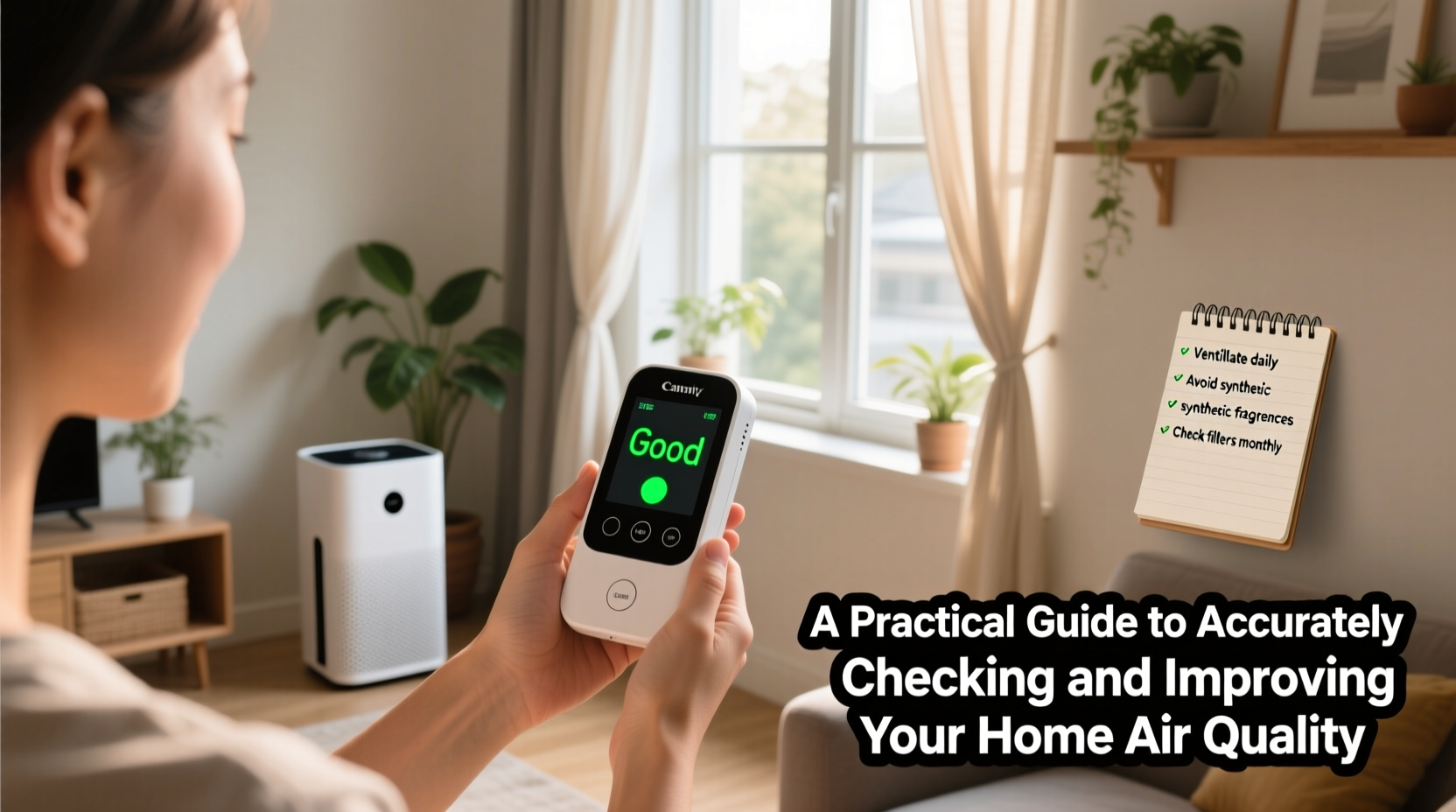
Indoor air pollution isn't just about stuffiness or occasional odors. Harmful contaminants like volatile organic compounds (VOCs), mold spores, pet dander, carbon monoxide, and fine particulate matter (PM2.5) accumulate in homes due to everyday activities: cooking, cleaning, heating, and even off-gassing from furniture and building materials.
Prolonged exposure can lead to respiratory issues, headaches, fatigue, and worsened allergy or asthma symptoms. Children, older adults, and those with pre-existing conditions are especially vulnerable. The good news? Most indoor pollutants can be identified and reduced with targeted strategies.
How to Accurately Measure Your Home’s Air Quality
You can’t manage what you don’t measure. To understand your indoor environment, use tools that provide real data—not guesses based on smell or comfort.
Step-by-Step Guide to Testing Air Quality
- Identify key pollutants: Focus on PM2.5, VOCs, CO₂, humidity, temperature, and radon.
- Choose a reliable air quality monitor: Look for devices with sensors for multiple parameters (e.g., Awair, Temtop, or AirThings).
- Place monitors strategically: Use one in frequently occupied rooms (bedroom, living room) and near potential pollution sources (kitchen, basement).
- Monitor over time: Check readings at different times of day and under various conditions (e.g., during cooking, with windows open/closed).
- Interpret results: Compare values against EPA or WHO guidelines.
Common Pollutants and Safe Levels
| Pollutant | Safe Level (Guideline) | Health Risks Above Threshold |
|---|---|---|
| PM2.5 | ≤ 12 µg/m³ (24-hr avg) | Respiratory irritation, heart strain |
| VOCs | ≤ 500 ppb total | Headaches, eye/nose/throat irritation |
| CO₂ | ≤ 1,000 ppm | Fatigue, poor concentration |
| Relative Humidity | 30–50% | Mold growth, dust mites |
| Radon | ≤ 4 pCi/L | Lung cancer risk over time |
“Many homeowners assume their air is clean because it ‘feels’ fresh. But without measurement, they may be breathing in harmful levels of invisible pollutants.” — Dr. Lena Torres, Environmental Health Scientist, CDC
Effective Ways to Improve Indoor Air Quality
Once you’ve assessed your air, implement targeted solutions. These aren’t extreme lifestyle changes—they’re practical upgrades that fit into daily routines.
1. Upgrade Ventilation
Stale air traps pollutants. Increase airflow by using exhaust fans in kitchens and bathrooms, opening windows when weather permits, and ensuring HVAC systems have fresh air intakes. In tightly sealed modern homes, consider installing an energy recovery ventilator (ERV) or heat recovery ventilator (HRV) to exchange indoor and outdoor air efficiently without losing heating or cooling.
2. Use High-Efficiency Air Purifiers
Select units with true HEPA filters (captures 99.97% of particles 0.3 microns or larger) and activated carbon for gases and odors. Place purifiers in bedrooms and living areas where you spend the most time. Replace filters as recommended—usually every 6–12 months.
3. Control Humidity Levels
High humidity breeds mold and dust mites; low humidity dries out skin and respiratory tracts. Use dehumidifiers in damp basements and humidifiers in dry winter months. Aim to keep relative humidity between 30% and 50%. A simple hygrometer can help track levels.
4. Reduce Chemical Sources
Switch to low-VOC paints, natural cleaning products (vinegar, baking soda, castile soap), and fragrance-free personal care items. Avoid aerosol sprays and synthetic air fresheners, which release dozens of unregulated chemicals.
5. Maintain HVAC Systems
Change HVAC filters every 1–3 months, depending on usage and household needs (e.g., pets, allergies). Choose MERV 13 filters if your system supports them—they capture more airborne particles than standard MERV 8 filters. Schedule annual professional inspections to check ductwork for mold or debris buildup.
Real Example: How One Family Reduced Allergy Symptoms
The Patel family in Denver struggled with persistent congestion and nighttime coughing, especially in their 8-year-old daughter. After purchasing a multi-sensor air quality monitor, they discovered PM2.5 levels regularly spiked above 35 µg/m³ during evening cooking and VOC levels remained elevated due to new flooring installed six months earlier.
They took three actions: installed a range hood vented outdoors, added a HEPA air purifier in the kitchen and bedroom, and introduced daily 15-minute ventilation periods. Within four weeks, symptom frequency dropped by 70%, and CO₂ levels during sleep improved significantly. Their experience underscores how small, informed changes yield measurable health benefits.
Checklist: 7-Day Air Quality Improvement Plan
- Day 1: Purchase or set up an air quality monitor in your bedroom and main living area.
- Day 2: Inspect and replace HVAC and air purifier filters.
- Day 3: Clean or vacuum air vents and registers.
- Day 4: Remove scented candles, plug-ins, and chemical cleaners; replace with natural alternatives.
- Day 5: Test home for radon using a certified kit (available online or at hardware stores).
- Day 6: Deep-clean carpets, rugs, and upholstery to reduce dust and allergens.
- Day 7: Establish a routine: open windows for 10 minutes each morning and run purifiers continuously.
Frequently Asked Questions
Can houseplants really clean indoor air?
While some plants absorb trace amounts of pollutants, NASA studies show you’d need an unrealistic number—about one plant per square foot—to make a measurable difference. They add aesthetic value but shouldn’t replace mechanical filtration or ventilation.
How often should I test my home’s air quality?
Initial testing should be comprehensive. After establishing a baseline, continuous monitoring with a digital device allows real-time tracking. Conduct a full reassessment annually or after major changes like renovations, new furniture, or moving into a new home.
Is carbon monoxide something I should worry about?
Yes. Carbon monoxide (CO) is odorless, colorless, and potentially fatal. Install UL-listed CO detectors on every level of your home, especially near sleeping areas. Test alarms monthly and replace units every 5–7 years.
Take Action for Cleaner, Healthier Air
Improving your home’s air quality doesn’t require expensive renovations or drastic lifestyle shifts. It starts with awareness—measuring what’s actually in your air—and progresses through consistent, manageable actions. From choosing safer cleaning products to optimizing ventilation and using smart technology, each step contributes to a healthier indoor environment.
Breathe easier knowing your home supports, rather than hinders, your well-being. Start today: check one room, replace one filter, open one window. Small efforts compound into lasting change.




 浙公网安备
33010002000092号
浙公网安备
33010002000092号 浙B2-20120091-4
Comments
No comments yet. Why don't you start the discussion?