
Finding the perfect hair accessory is more than just a styling decision—it’s an expression of individuality. While mainstream retailers offer predictable barrettes and scrunchies, the real magic lies in niche markets where craftsmanship, cultural heritage, and bold design converge. With millions of products online, navigating this space can feel overwhelming. Yet with the right approach, you can uncover accessories that are not only distinctive but also ethically made, artistically significant, or tailored to specific hair types and textures.
This guide equips you with actionable methods to explore lesser-known corners of the digital marketplace, identify authentic craftsmanship, and build a collection that reflects your personal aesthetic—without sacrificing quality or value.
Why Niche Hair Accessories Matter
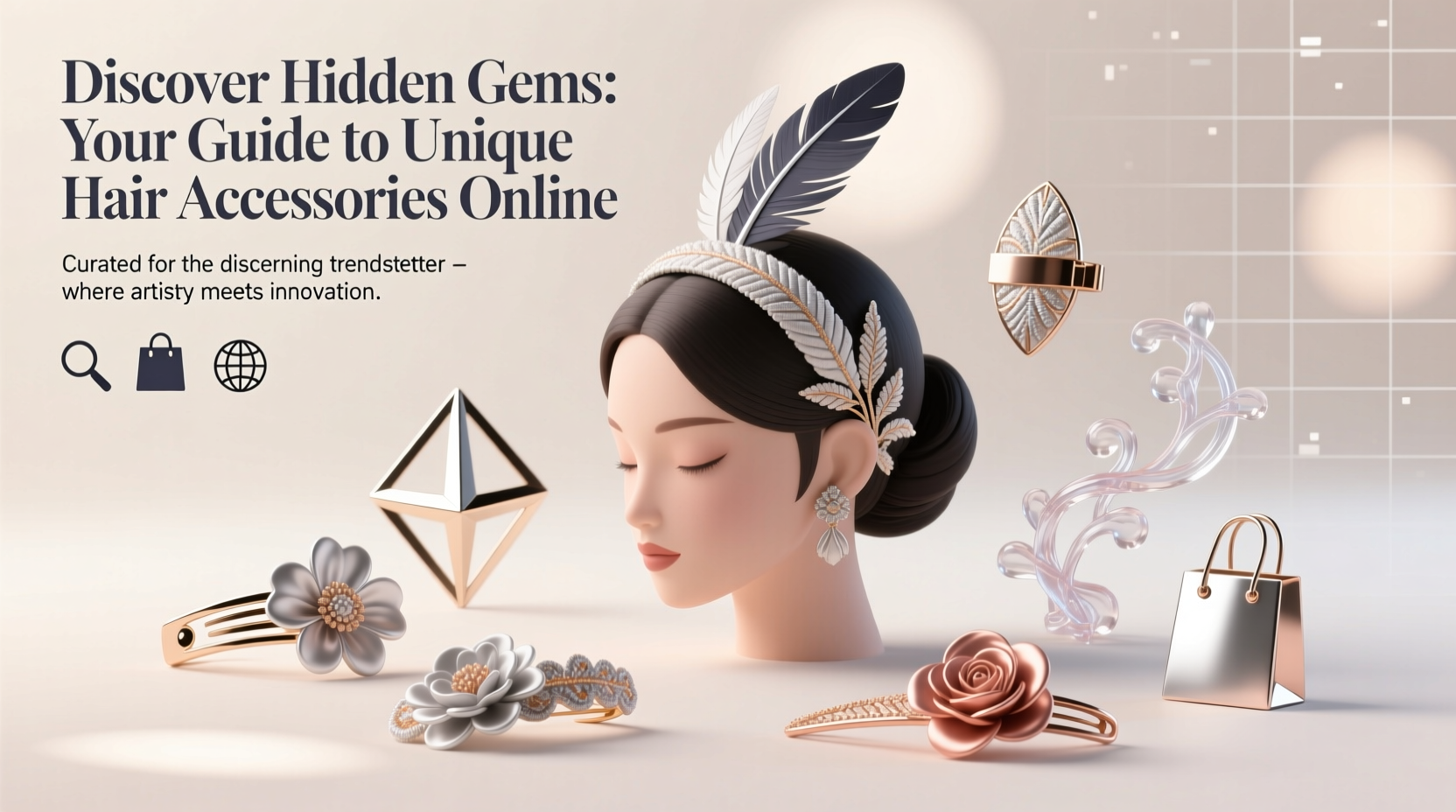
Niche hair accessories often emerge from independent designers, artisan collectives, or cultural traditions overlooked by mass production. These pieces tend to prioritize materials like hand-dyed silk, sustainably sourced wood, or repurposed vintage textiles. Unlike generic options, they’re designed with intention—considering how they interact with different hair volumes, curl patterns, or updo structures.
Take, for example, Japanese kanzashi, intricately decorated hairpins rooted in centuries-old tradition. Or consider modern micro-braided wire combs inspired by Afro-Caribbean hairstyling techniques. These aren’t just decorative; they carry stories, function elegantly, and often perform better due to thoughtful engineering.
“Niche doesn’t mean obscure—it means intentional. The best hair accessories solve a problem while elevating style.” — Lila Nguyen, Product Designer & Founder of Thread & Bloom Studio
Step-by-Step Guide to Finding Unique Accessories Online
Discovering original hair accessories requires moving beyond algorithm-driven feeds and trending hashtags. Follow this five-step process to uncover hidden gems:
- Define Your Style Parameters: Before searching, clarify what you're looking for—minimalist metal clips? Bold resin headbands? Vintage-inspired velvet bows? Knowing your preferences narrows down viable options.
- Search Beyond Amazon and Etsy: While Etsy hosts many independents, platforms like Big Cartel, Not On The High Street (UK), or even Instagram-based boutiques often feature newer creators before they scale up.
- Use Precise Keywords: Instead of “cute hair clip,” try “handmade tortoiseshell acetate claw clip” or “vintage-inspired Art Deco hair comb.” Specificity yields better results.
- Explore Regional Marketplaces: Sites like Japan’s Rakuten, South Korea’s Coupang, or France’s Selency specialize in local designs that rarely appear on global platforms.
- Engage Directly with Makers: Many small studios welcome custom requests. A quick message asking about material sourcing or sizing can reveal whether a brand aligns with your values.
How to Evaluate Quality and Authenticity
Not all handmade claims are equal. When browsing niche accessories, scrutinize product descriptions, return policies, and customer reviews. Look for signs of genuine craftsmanship:
- Detailed photos showing texture, seams, and hardware
- Transparency about materials (e.g., “recycled brass,” “OEKO-TEX certified fabric”)
- Mention of production location and timeframes (e.g., “hand-poured in Brooklyn over 72 hours”)
- Clear care instructions indicating durability considerations
Avoid items with stock photography, vague origins (“imported”), or unrealistically low prices for labor-intensive goods. If a jeweled hairpin sells for $5 with free shipping, it’s unlikely to be hand-set or ethically produced.
Do’s and Don’ts When Buying Niche Hair Accessories
| Do | Don’t |
|---|---|
| Check if the seller offers international shipping and customs clarity | Assume “handmade” means high quality without evidence |
| Review social media or blogs linked in the shop profile | Ignore processing times—many artisans work solo |
| Contact sellers with questions about fit or materials | Purchase delicate items during peak shipping seasons without insurance |
| Support brands that disclose their supply chain | Overlook return policies for hygienic reasons (some exclude returns) |
Real Example: How One Shopper Found Her Signature Look
Sophia, a graphic designer based in Portland, spent years using basic black clips until she attended a friend’s wedding featuring floral hairpins woven with dried lavender. Inspired, she began researching botanical-themed accessories. Using Pinterest boards and reverse image searches, she discovered a Latvian studio crafting biodegradable hair pins from birch wood and pressed wildflowers.
After messaging the creator through Instagram, Sophia learned the pins were designed to degrade naturally after six months—ideal for seasonal wear. She purchased a set for spring events and later commissioned a custom version using Oregon-grown chamomile. Today, these pieces are part of her professional wardrobe, reflecting both her environmental values and creative identity.
Her discovery wasn’t accidental. It resulted from combining visual inspiration, keyword refinement, and direct engagement with a small business operating far outside mainstream marketplaces.
Essential Checklist for Smart Niche Shopping
Before finalizing any purchase, run through this checklist:
- ✅ Is the material suitable for my hair type (e.g., non-slip grip for thick curls)?
- ✅ Does the listing include multiple angles and close-ups?
- ✅ Are dimensions provided in both metric and imperial units?
- ✅ Is there a clear timeline for shipping and handling?
- ✅ Can I verify the brand’s authenticity via social proof or third-party features (e.g., press mentions)?
- ✅ Am I comfortable with the return policy, especially for hygiene-sensitive items?
- ✅ Have I compared pricing across similar artisans to avoid overpaying?
Frequently Asked Questions
Are niche hair accessories worth the higher price?
Often, yes. Higher costs usually reflect fair wages, sustainable materials, and superior construction. A well-made metal clasp will outlast dozens of flimsy plastic ones, reducing long-term spending and waste. Plus, unique designs enhance personal style in ways fast fashion cannot replicate.
Can I find niche accessories for thick or curly hair?
Absolutely. Many independent designers specifically cater to textured hair needs. Look for terms like “wide-tooth comb integration,” “extra-grip coating,” or “jumbo sizing.” Brands like Hanahana Beauty and Miss Jessie’s have expanded into accessories engineered for volume and coil retention.
How do I know if an item is truly handmade?
Authentic handmade goods typically show slight variations between pieces. Sellers should describe the making process—such as soldering, casting, or hand-stitching—and may even share studio videos or batch numbers. Mass-produced look-alikes lack these details and often use automated fulfillment centers.
Final Thoughts: Build a Collection That Tells a Story
The most memorable hair accessories aren’t the ones everyone owns—they’re the ones that spark conversation. Whether it’s a moon-phase hair chain from a celestial-themed boutique or a coral-resin slide honoring ocean conservation, each piece becomes a chapter in your evolving style narrative.
By stepping off the beaten path and embracing deliberate shopping habits, you gain access to innovation, ethics, and artistry missing from conventional retail. Start small: pick one category to explore, apply the strategies above, and let curiosity lead you to finds that resonate deeply.




 浙公网安备
33010002000092号
浙公网安备
33010002000092号 浙B2-20120091-4
Comments
No comments yet. Why don't you start the discussion?