
When a loved one passes away, one of the first practical concerns is understanding their final wishes. The will is central to this process, outlining how assets are distributed, who is appointed as executor, and whether guardianship arrangements exist for minors. Yet, despite its importance, many people don’t know where to begin when trying to locate a will. This guide provides clear, actionable steps to help you find and access a valid will efficiently, legally, and with minimal stress.
Understanding the Role of a Will
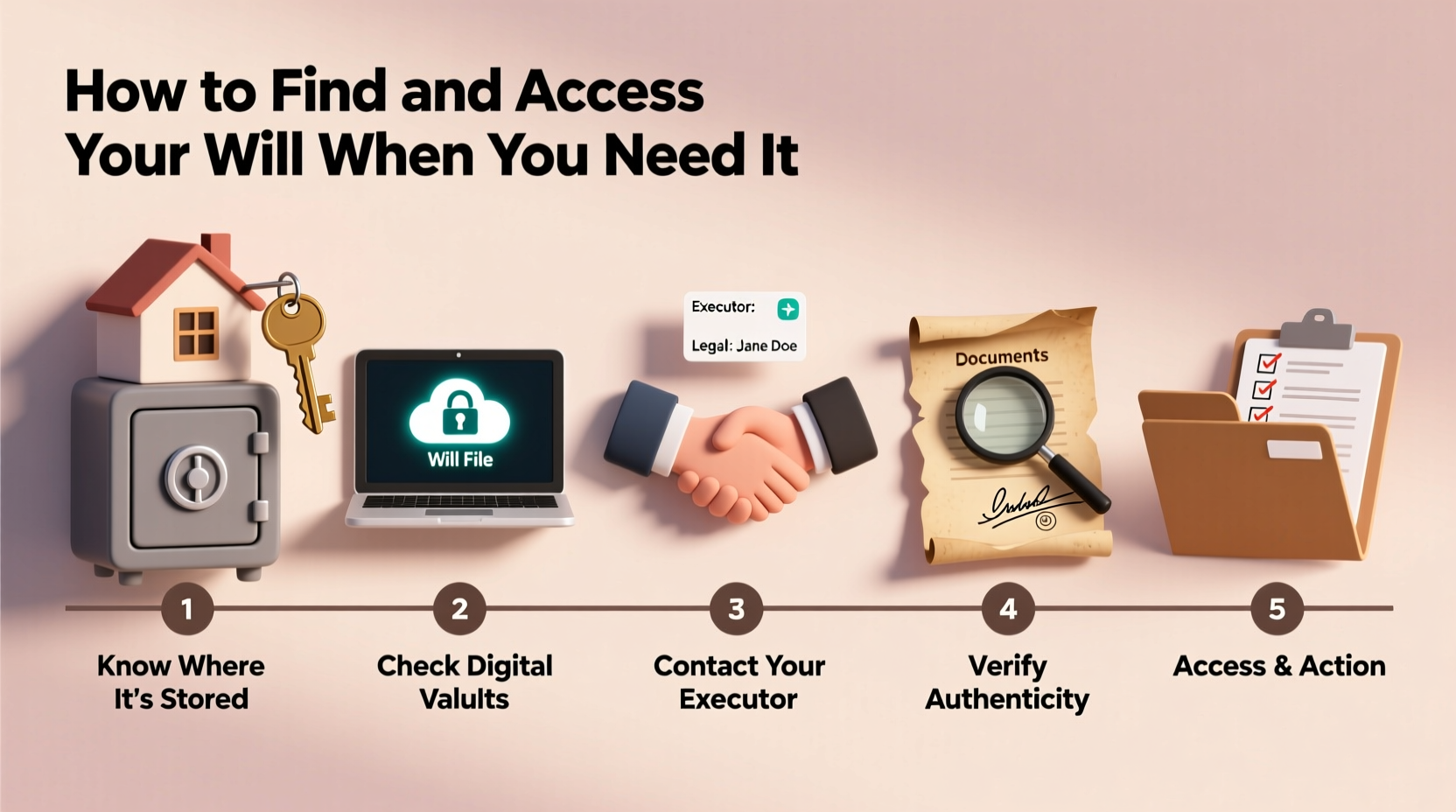
A last will and testament is a legal document that specifies how a person’s estate should be managed after death. It names an executor—the individual responsible for carrying out the instructions—and may designate beneficiaries, charitable donations, or specific bequests. Without a will, state laws determine asset distribution, often leading to outcomes that don’t reflect the deceased’s intentions.
Because a will only becomes active upon death, it must be stored securely during life but remain accessible when needed. Unfortunately, many individuals fail to communicate the location of their will, leaving families in uncertainty during an already difficult time.
“Over 60% of adults in the U.S. die without a will, and even among those who do create one, fewer than half inform their family of its location.” — National Estate Planning Attorneys Association
Step-by-Step: How to Locate a Will After Death
Finding a will requires methodical effort. Begin immediately after the person’s passing, as delays can complicate probate proceedings. Follow this sequence:
- Contact the Executor or Named Representative: If the deceased discussed their estate plans, the named executor may already possess the will or know its location.
- Search the Home Thoroughly: Look in safes, filing cabinets, desk drawers, or fireproof boxes. Common hiding spots include behind books, inside photo albums, or within important document folders.
- Check with the Attorney: Many people draft wills through legal professionals who retain the original document. Contact any known lawyers or law firms the person worked with.
- Inquire at Financial Institutions: Some banks offer safe deposit box services where clients store wills. Note: Access may require court authorization depending on local laws.
- Search Online Registries: In countries like the UK, Canada, and Australia, centralized will registries (e.g., Certainty Probate Registry) allow public searches. In the U.S., no national registry exists, but some states have local databases.
- File a Petition with Probate Court: If all else fails, file a formal request at the county probate court where the person lived. Courts often maintain records of filed wills or can initiate a search.
Legal Considerations When Accessing a Will
Accessing a will isn’t always straightforward due to privacy and legal restrictions. Here are key principles to follow:
- The original signed will holds the most legal weight. Photocopies may be accepted in court but can face challenges.
- Only certain individuals have the legal right to view or request a copy—typically the executor, surviving spouse, children, or named beneficiaries.
- In most jurisdictions, once a person dies, the will becomes a public document upon submission to probate court.
- If the will was stored in a safe deposit box, access rules vary by state. Some allow immediate access by the executor; others require a court order.
Attempting to open or remove documents without proper authority can result in legal penalties. Always verify your standing before taking action.
Do’s and Don’ts When Handling a Will
| Do | Don’t |
|---|---|
| Make a photocopy of the will for personal reference | Alter, fold, or write on the original document |
| Notify the executor or attorney promptly | Delay filing the will with probate court (usually required within 30 days) |
| Verify the will’s validity (witnesses, notarization, date) | Assume a newer will invalidates an older one without confirmation |
| Keep the original in a secure location until probate | Store it in a home safe vulnerable to fire or lockout |
Real Example: Finding a Hidden Will in a Family Home
Sarah Johnson, a widow from Portland, passed away unexpectedly at age 72. Her two sons, unaware of her estate plans, assumed she had no will. After searching her house for several days, they found nothing in the usual places. On the third day, the younger son remembered his mother mentioning “the red binder” during a conversation about taxes. He located a tax folder labeled “2020–2023” and discovered a sealed envelope inside marked “Last Will – Do Not Open Until My Passing.”
The document had been prepared by an estate lawyer five years earlier and properly witnessed. Though outdated, it named her older son as executor and clarified her intent to leave the family home to both siblings equally. Had they not revisited old conversations and examined seemingly unrelated materials, the will might have remained undiscovered for months, delaying probate and increasing family tension.
This case underscores the importance of looking beyond obvious storage spots and considering informal clues left by the deceased.
How to Secure Your Own Will for Future Access
While this guide focuses on locating someone else’s will, the best way to prevent future confusion is to plan ahead. If you’ve created a will, take these steps now:
- Tell your executor exactly where the original is stored.
- Leave written instructions in a secure but accessible place (e.g., with a trusted family member or attorney).
- Register your will with a national or regional will registry if available.
- Update your will every 3–5 years or after major life events (marriage, divorce, birth).
- Avoid storing the only copy in a locked safe without granting access.
Frequently Asked Questions
What if I can’t find the original will?
Courts generally require the original signed document to grant probate. If it’s lost or destroyed, a copy may be accepted, but you’ll need to prove the deceased didn’t intentionally revoke it. Witness testimony or drafts can support your case, though the process becomes more complex.
Can anyone request to see a will after death?
No. Only individuals with a legitimate interest—such as beneficiaries, spouses, children, or creditors—can request access. Once filed with probate court, the will becomes public record, and anyone can view it.
Is a handwritten will valid?
In many jurisdictions, yes—known as a “holographic will,” it must be entirely in the deceased’s handwriting and dated. Some states require witnesses; others accept it if proven authentic. However, courts scrutinize such wills more closely due to fraud risks.
Final Steps: Submitting the Will to Probate
Once located, the will must be submitted to the appropriate probate court. This typically involves:
- Filing the original will with the court clerk in the county of the deceased’s residence.
- Providing a certified death certificate.
- Filing a petition to open probate, usually initiated by the named executor.
- Notifying all heirs and beneficiaries as required by law.
The court then validates the will, officially appoints the executor, and authorizes the administration of the estate. Timeliness matters—delays can lead to disputes, asset depreciation, or legal complications.
Take Action Today—For Yourself and Others
Locating a will is often urgent, emotionally charged, and legally sensitive. Whether you’re helping a grieving family or planning your own legacy, clarity and preparation make all the difference. Don’t wait until a crisis to act. Talk to loved ones about where important documents are kept. Store your will responsibly. And if you’re searching now, use this guide to move forward with confidence and purpose.




 浙公网安备
33010002000092号
浙公网安备
33010002000092号 浙B2-20120091-4
Comments
No comments yet. Why don't you start the discussion?