
Choosing to buy a little house is more than a financial decision—it’s a lifestyle shift. Whether you’re downsizing, seeking affordability, or embracing minimalism, small homes offer charm, efficiency, and long-term value. But the journey from interest to ownership involves careful planning, research, and emotional readiness. This guide walks you through every phase of buying a little house, offering actionable insights, common pitfalls to avoid, and strategies that work in today’s competitive housing market.
Understanding What “Little” Really Means
The term “little house” can mean different things to different people. For some, it’s a home under 1,200 square feet. For others, it might refer to tiny homes on wheels, cabin-style retreats, or compact urban cottages. Before diving into listings, define your vision:
- Size range: Are you comfortable with 600–900 sq ft, or do you need up to 1,500?
- Mobility: Is a permanent foundation required, or are you open to movable structures?
- Location: Urban infill lots, rural acreage, or suburban neighborhoods?
- Lifestyle fit: Will this be a primary residence, vacation home, or rental property?
Clarity here streamlines your search and prevents emotional distractions during viewings.
Step-by-Step Guide to Buying Your Little House
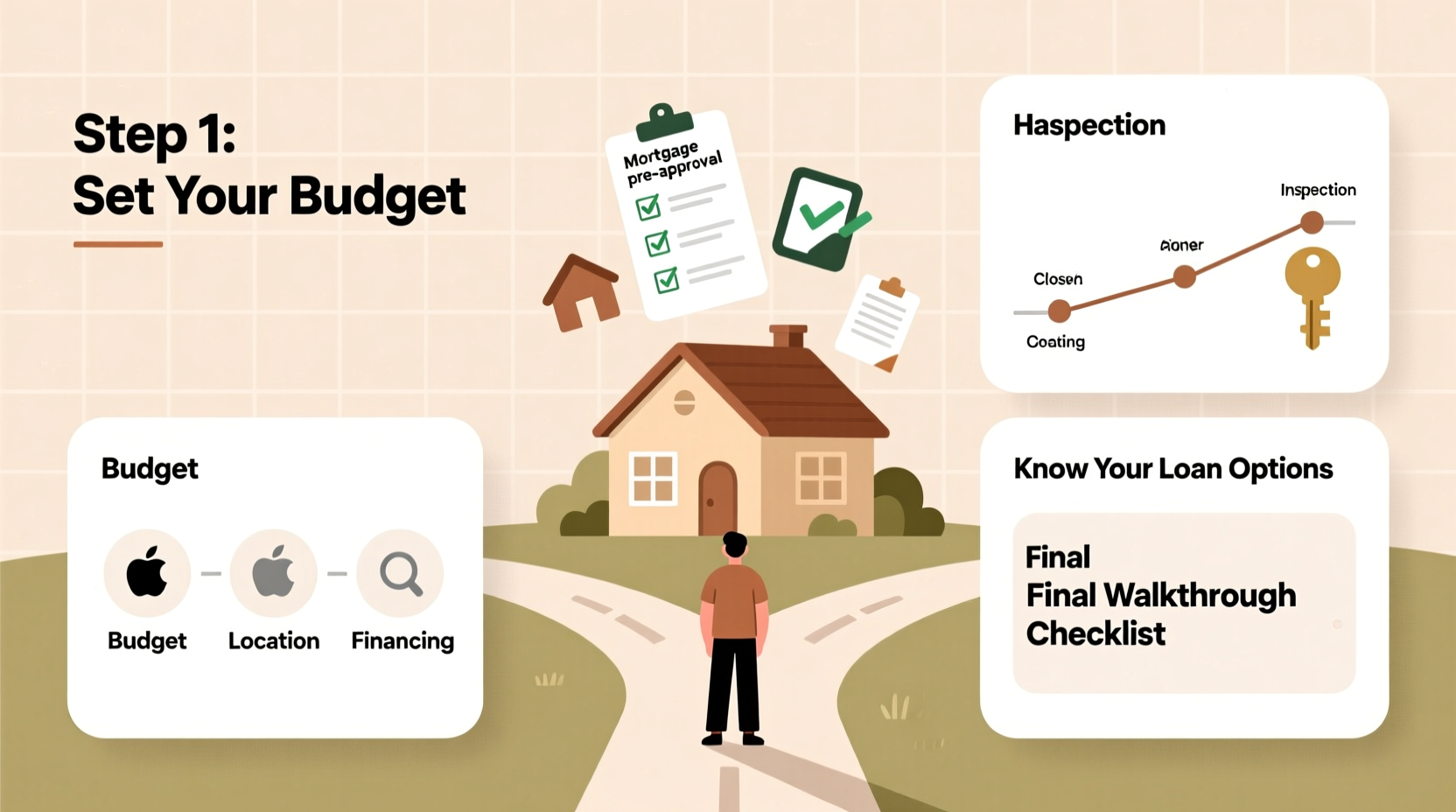
Purchasing any home requires structure, but small houses often come with unique considerations—from zoning laws to financing hurdles. Follow this timeline to stay on track:
- Assess your budget (Weeks 1–2): Determine how much you can afford after evaluating savings, debts, and income. Include down payment, closing costs, and moving expenses.
- Get pre-approved (Week 3): Secure a mortgage pre-approval letter. This strengthens your offer and shows sellers you’re serious.
- Define priorities (Ongoing): List must-haves (e.g., one-level living, off-street parking) and nice-to-haves (e.g., garden space, updated kitchen).
- Begin house hunting (Weeks 4–8): Work with a real estate agent familiar with smaller properties or niche markets like accessory dwelling units (ADUs).
- Make an offer (As opportunities arise): Price competitively, include contingencies (inspection, appraisal), and be ready to act fast.
- Conduct inspections (Within 10 days of acceptance): Hire specialists if needed—especially for older homes or alternative builds (e.g., steel frame, SIP panels).
- Finalize financing & close (30–45 days): Submit all documents promptly, schedule final walkthrough, and prepare for closing day.
Financing Challenges and How to Overcome Them
Small homes—especially those under 1,000 sq ft or non-traditional builds—can face financing resistance. Lenders often rely on appraisals comparing your target property to larger, conventional homes, which may undervalue compact or unique designs.
Consider these strategies:
- Work with lenders experienced in small-footprint or energy-efficient homes.
- Look into FHA loans, which can be more flexible for lower-valued properties.
- If building or buying a tiny home on a foundation, ensure it meets local IRC (International Residential Code) standards for easier loan approval.
- For non-permanent structures, explore personal loans or RV loans—though these typically carry higher interest rates.
“Many small homes are undervalued because appraisers lack comparable sales data. Buyers should bring their own comps to the table.” — Laura Chen, Real Estate Appraiser & Housing Analyst
Checklist: Key Steps Before Closing
Use this checklist in the final stretch to ensure nothing slips through the cracks:
- ✅ Confirm homeowner’s insurance quote is finalized
- ✅ Review title report for liens or easements
- ✅ Verify property taxes and utility costs
- ✅ Schedule final walk-through (check functionality of systems)
- ✅ Prepare funds for closing (certified check or wire transfer)
- ✅ Arrange movers or transportation plan
- ✅ Update address with post office, banks, and subscriptions
Common Pitfalls and How to Avoid Them
Buying a little house isn’t just about saving space or money—it’s about smart trade-offs. Here’s what trips up even seasoned buyers:
| Pitfall | Why It Happens | How to Avoid It |
|---|---|---|
| Overlooking storage needs | Small homes have limited closets and cabinets | Assess built-in storage; factor in potential for attic, loft, or shed use |
| Zoning restrictions | Tiny homes or ADUs may not be permitted in certain areas | Verify local codes before making an offer |
| Underestimating maintenance | Compact doesn’t mean low-effort | Review age of roof, HVAC, plumbing; ask for service records |
| Emotional overbidding | Charm can override logic in small, cozy homes | Stick to your budget and inspection findings |
Real Example: Sarah’s Search for a Cozy Cottage
Sarah, a freelance writer in Oregon, wanted a quiet retreat within commuting distance of Portland. Her budget: $300,000. After months of searching, she found a 950 sq ft craftsman bungalow listed at $295,000—charming porch, original hardwood floors, but outdated kitchen and no garage.
She didn’t rush. Instead, she:
- Hired a contractor to estimate renovation costs ($25,000 for kitchen and bathroom updates)
- Checked flood zone maps (the house was in Zone X—low risk)
- Negotiated the price down to $282,000 based on needed repairs
- Used a local credit union with experience in historic homes for her loan
Today, Sarah lives mortgage-free within five years thanks to refinancing and modest upgrades that boosted equity. Her lesson? “Fall in love with potential, not just pretty paint.”
Frequently Asked Questions
Can I finance a tiny house like a regular home?
It depends. If the tiny house is on a permanent foundation, meets local building codes, and has a valid address, some lenders may treat it as a traditional home. Otherwise, you may need to pursue alternative financing like personal loans or RV loans, especially if it’s mobile.
Are little houses harder to resell?
They can be, due to a smaller buyer pool. However, demand is rising for affordable, sustainable housing. Well-maintained small homes in good school districts or walkable neighborhoods tend to sell faster and at strong prices.
What’s the ideal lot size for a little house?
There’s no rule, but most buyers prefer at least 0.15 to 0.25 acres for privacy and outdoor usability. In cities, even a 30x60 ft lot can support a charming small home with smart landscaping.
Conclusion: Start Small, Think Big
Buying a little house is not a compromise—it’s a deliberate choice toward simplicity, sustainability, and financial freedom. With the right preparation, realistic expectations, and attention to detail, your small home can deliver outsized joy and long-term stability. The process doesn’t have to be overwhelming. Use this guide as your roadmap, trust your instincts, and remember: the smallest houses often hold the biggest possibilities.




 浙公网安备
33010002000092号
浙公网安备
33010002000092号 浙B2-20120091-4
Comments
No comments yet. Why don't you start the discussion?