
Obtaining a green card—the United States Permanent Resident Card—is a critical milestone for millions seeking long-term stability, work rights, and eventual citizenship in the U.S. While the process can seem complex, understanding the pathways, requirements, and procedural nuances significantly increases your chances of success. This guide breaks down the most common routes to a green card, outlines actionable steps, and offers proven strategies used by successful applicants.
Understanding Green Card Eligibility Categories
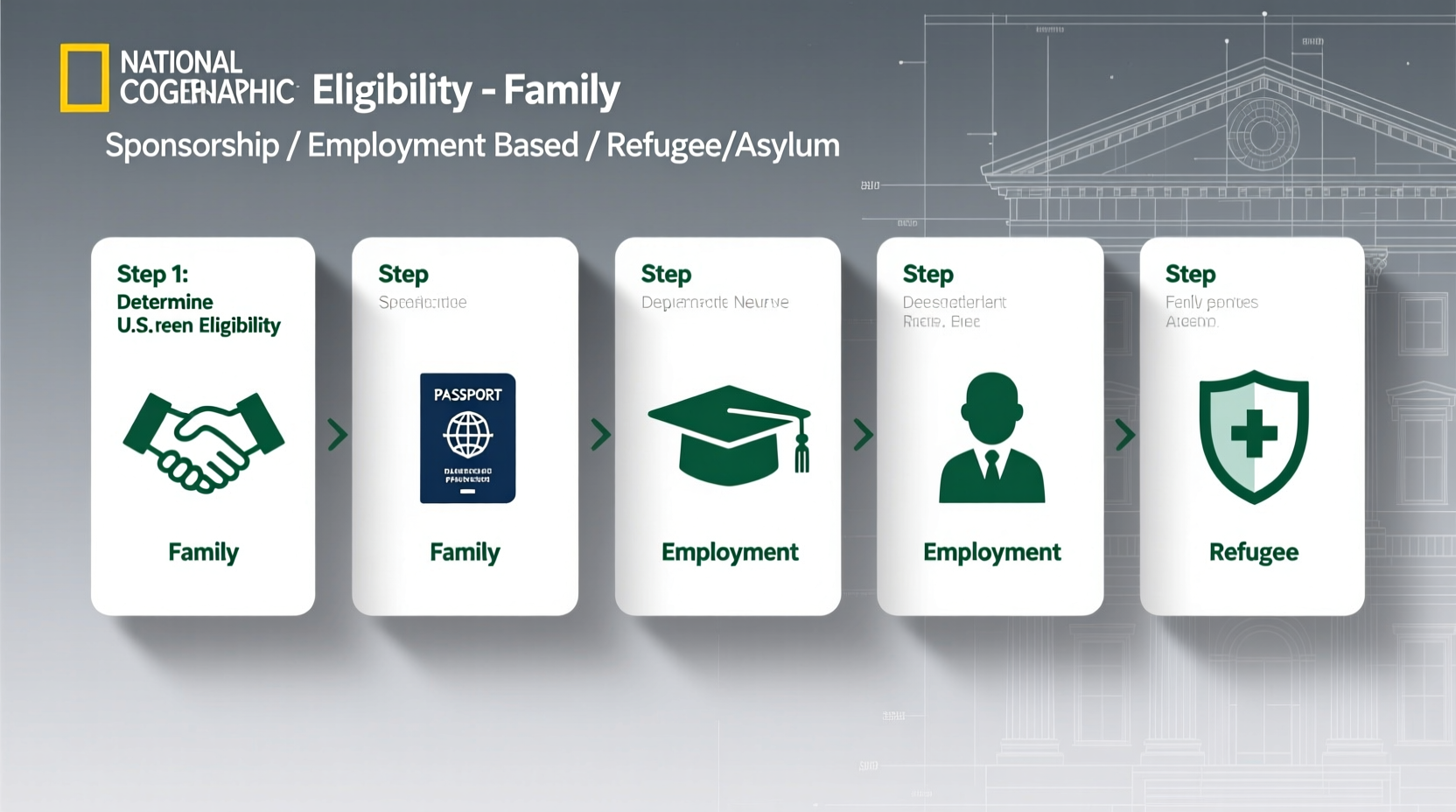
The U.S. Citizenship and Immigration Services (USCIS) recognizes several primary pathways to permanent residency. Each category has distinct requirements, processing times, and documentation needs. The main eligibility categories include:
- Family-based immigration: Sponsored by a qualifying U.S. citizen or lawful permanent resident relative.
- Employment-based immigration: Based on job offers, exceptional ability, or investment.
- Diversity Visa Lottery: A random selection from countries with low U.S. immigration rates.
- Refugee or Asylee Status: For individuals granted protection due to persecution or fear of persecution.
- Special Programs: Includes victims of crime (U visa), abuse (VAWA), or human trafficking (T visa).
Most applicants pursue family or employment-based routes. Knowing which category applies to your situation is the first step toward building a strong application.
Step-by-Step Process for Family-Based Green Cards
For those sponsored by a family member, the process typically follows this timeline:
- Petition Filing: The U.S. citizen or permanent resident relative files Form I-130, Petition for Alien Relative, with USCIS.
- Petition Approval: Once approved, the case moves to the National Visa Center (NVC) if the applicant is abroad, or becomes eligible to file for adjustment of status if already in the U.S.
- Application Submission: File Form I-485 (Adjustment of Status) if in the U.S., or proceed with consular processing if overseas.
- Biometrics Appointment: Attend fingerprinting and background checks.
- Interview: Attend an in-person interview at a USCIS office or U.S. embassy/consulate.
- Decision: If approved, the green card is mailed within a few weeks.
Processing times vary widely. Immediate relatives of U.S. citizens (spouses, parents, unmarried children under 21) often receive decisions within 10–14 months. Other family preference categories (like siblings or adult children) may face multi-year waits due to annual visa caps.
Employment-Based Green Cards: Key Pathways and Requirements
Employment-based green cards are divided into five preference categories (EB-1 through EB-5). The most commonly used are:
| Category | Eligibility Criteria | Approx. Processing Time |
|---|---|---|
| EB-1 | Extraordinary ability, outstanding professors/researchers, multinational executives | 8–14 months |
| EB-2 | Advanced degree holders or individuals with exceptional ability | 1.5–3 years (longer with labor certification) |
| EB-3 | Skilled workers, professionals, other workers | 2–5+ years |
| EB-5 | Investors who create jobs ($800,000–$1.05 million investment) | 3–5 years |
Most EB-2 and EB-3 applicants must go through PERM labor certification—a process where the employer proves no qualified U.S. workers are available for the role. This step alone can take 12–18 months.
“Timing and documentation precision are everything in employment-based cases. One missing form or outdated salary data can delay approval by months.” — Laura Mendez, Immigration Attorney, NY
Common Pitfalls and How to Avoid Them
Even well-prepared applications fail due to preventable errors. Below are frequent missteps and how to address them:
- Incomplete forms: Double-check every field. Missing information triggers Requests for Evidence (RFEs), delaying the process.
- Insufficient financial documentation: Sponsors must meet income thresholds (usually 125% of the federal poverty line).
- Criminal history nondisclosure: Even minor offenses can lead to inadmissibility. Consult an attorney before applying.
- Misunderstanding public charge rules: USCIS evaluates whether you’re likely to depend on government assistance. Strong ties to employment and family help mitigate concerns.
Mini Case Study: Success Through Preparation
Javier, a software engineer from Colombia, was offered a position at a tech firm in Austin. His employer sponsored him under the EB-2 category. They began with PERM certification, advertising the role for 30 days and documenting all recruitment efforts. After approval, they filed Form I-140 (Immigrant Petition for Alien Worker).
Javier compiled extensive evidence of his advanced degree, published research, and professional awards. When USCIS issued an RFE requesting additional proof of his \"exceptional ability,\" his attorney submitted letters from industry experts and project portfolios. The petition was approved within six months. He adjusted status while in the U.S. and received his green card nine months later.
His key advantage? Starting early and working with a specialized immigration attorney from day one.
Essential Checklist for Green Card Applicants
Use this checklist to ensure you cover all critical steps regardless of your pathway:
- ✅ Determine your eligibility category (family, employment, lottery, etc.)
- ✅ Confirm your sponsor’s eligibility (if applicable)
- ✅ Gather required documents (birth certificates, marriage certificates, passports, tax returns)
- ✅ Complete all forms accurately and in current versions
- ✅ Pay correct filing fees or request a fee waiver if eligible
- ✅ Submit biometrics as scheduled
- ✅ Prepare thoroughly for the interview (practice answers, bring originals)
- ✅ Monitor case status online and respond promptly to USCIS notices
Frequently Asked Questions
Can I work while my green card application is pending?
Yes, if you file Form I-765 (Application for Employment Authorization) along with your adjustment of status (Form I-485). Most applicants receive an Employment Authorization Document (EAD) within 3–5 months.
What happens if my green card expires?
Permanent resident status does not expire, but the physical card does (typically after 10 years). You must file Form I-90 to renew it. Conditional green cards (issued to spouses married less than two years) require removal of conditions using Form I-751 before the 2-year mark.
Can I travel outside the U.S. during the process?
If you’ve filed for adjustment of status and have an approved Advance Parole (Form I-131), you may re-enter the U.S. without abandoning your application. Traveling without parole can result in denial.
Final Steps and Moving Forward
Once your green card is approved, you gain the right to live and work permanently in the U.S. After maintaining residency for three to five years (depending on your path), you may apply for naturalization to become a U.S. citizen.
The journey to a green card demands patience, accuracy, and persistence. Whether you’re uniting with family or advancing your career, each completed form and attended appointment brings you closer to long-term security. Mistakes happen—but with careful planning and reliable resources, they don’t have to derail your goals.




 浙公网安备
33010002000092号
浙公网安备
33010002000092号 浙B2-20120091-4
Comments
No comments yet. Why don't you start the discussion?