
ABC soup is more than a comforting bowl of warmth—it’s a culinary tradition rooted in Chinese home kitchens and embraced globally for its simplicity, nourishment, and subtle healing properties. Often served during cooler months or as a restorative remedy during recovery, this soup relies on humble vegetables simmered slowly to extract deep flavor and nutritional value. Despite its name, ABC soup has nothing to do with the alphabet; instead, the acronym refers to three key ingredients—typically apple, beef (or bone), and carrot—though regional variations exist. For home cooks seeking a foundational, nutrient-dense broth that supports wellness without complexity, mastering ABC soup is essential. This guide provides a thorough understanding of its origins, components, preparation methods, and variations, empowering both novice and experienced cooks to create a balanced, flavorful version tailored to their needs.
Definition & Overview
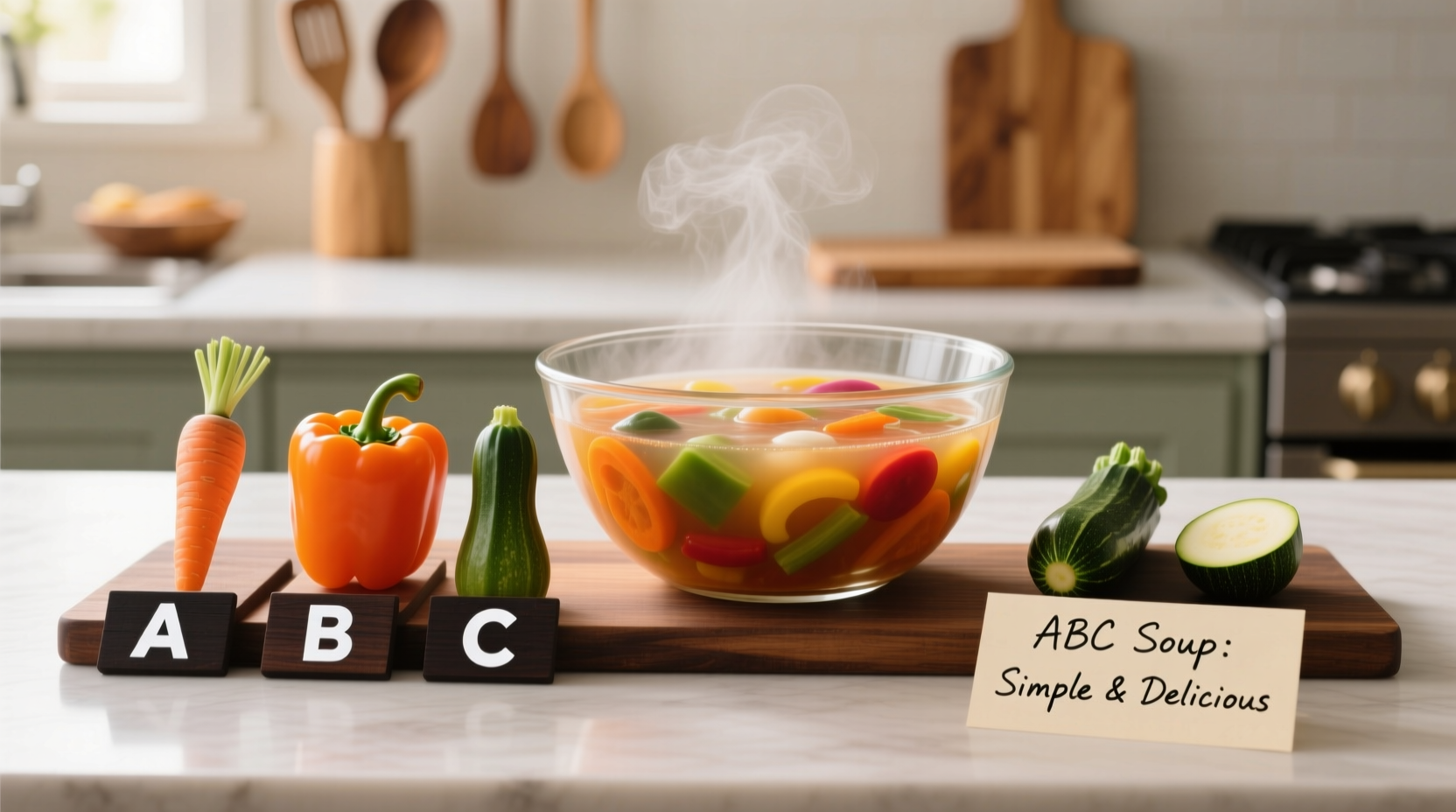
ABC soup is a clear, slow-simmered broth originating from Southern Chinese cuisine, particularly Cantonese culinary traditions. The term “ABC” does not denote an alphabetical sequence but rather functions as a shorthand for the core ingredients commonly used: A for apple (usually red-skinned), B for beef (often bones such as oxtail or short ribs), and C for carrot. However, interpretations vary across households and regions. Some versions substitute or supplement these with other vegetables like corn, lotus root, or dried figs, while others omit meat entirely for vegetarian adaptations.
The soup is prized not only for its mild sweetness and savory depth but also for its perceived health benefits in traditional Chinese medicine (TCM). It is believed to clear internal heat, support lung function, aid digestion, and strengthen the immune system—particularly valuable during seasonal transitions or respiratory discomfort. Unlike heavily spiced broths, ABC soup emphasizes balance, clarity, and gentle nourishment. Its preparation follows a time-honored method: ingredients are lightly blanched, then simmered gently for several hours to yield a clean, golden-tinted liquid rich in collagen, vitamins, and minerals.
Though traditionally consumed in East and Southeast Asia, ABC soup has gained popularity among Western audiences interested in functional foods, holistic wellness, and accessible ethnic recipes. Its appeal lies in its flexibility—minimalist yet deeply satisfying, plant-forward yet adaptable to omnivorous diets—and its alignment with modern preferences for clean-label, whole-food cooking.
Key Characteristics
| Characteristic | Description |
|---|---|
| Flavor Profile | Mildly sweet with earthy undertones; subtle umami when meat is included; no strong spices or pungency. |
| Aroma | Clean, slightly fruity from apples; faintly vegetal with hints of roasted bone if used. |
| Color/Form | Clear amber to light golden broth; occasionally cloudy if not strained properly. |
| Heat Level | None—completely non-spicy by design. |
| Culinary Function | Restorative tonic, digestive aid, base for rice porridge, or standalone healthful beverage. |
| Shelf Life | 3–4 days refrigerated; up to 3 months frozen in airtight containers. |
| Dietary Flexibility | Can be made gluten-free, dairy-free, halal, kosher, vegetarian, or vegan. |
Practical Usage: How to Make ABC Soup at Home
Creating authentic ABC soup requires attention to ingredient quality, preparation technique, and simmering duration. While the recipe varies by household, the following method represents a standard approach suitable for beginners and adaptable to dietary preferences.
- Gather Ingredients:
- 1 medium red-skinned apple (e.g., Fuji or Gala), cored and quartered (skin on)
- 1 large carrot, peeled and sliced into rounds
- 1 ear of corn, cut into 3–4 chunks
- 1 small onion, halved (skin on for color)
- 1–2 cm piece of fresh ginger, lightly smashed
- Optional: 1–2 dried figs, 1–2 goji berries, or a few red dates (jujubes) for added sweetness and TCM benefits
- 500g–750g beef bones (oxtail, marrow bones, or short ribs) – optional for vegetarian version
- 1.5–2 liters water
- Pinch of salt (added at end)
- Pre-Treat the Meat (if using): Place beef bones in a pot, cover with cold water, and bring to a boil. Simmer for 3–5 minutes to remove impurities. Drain and rinse under cold water. This step ensures a clearer broth and reduces greasiness.
- Combine All Ingredients: In a clean stockpot, add blanched bones (or skip if making vegetarian), apple, carrot, corn, onion, ginger, and any optional additions. Pour in fresh water until all ingredients are submerged by about 2 inches.
- Simmer Gently: Bring to a boil over high heat, then immediately reduce to the lowest possible simmer. Partially cover the pot with a lid to allow steam to escape while preventing rapid evaporation. Cook for 1.5 to 2.5 hours. Longer times (up to 3 hours) deepen flavor but risk cloudiness or bitterness if vegetables break down too much.
- Strain and Season: Line a fine-mesh sieve with cheesecloth or a coffee filter and strain the soup into a clean container. Discard solids unless serving as a stew. Taste and add a small pinch of sea salt only at the end to preserve natural flavors.
- Serve or Store: Serve warm in bowls, optionally with steamed rice, congee, or alongside dim sum. Refrigerate leftovers promptly.
Pro Tip: For a richer vegetarian version, use shiitake mushroom stems or kombu seaweed to enhance umami. Avoid overcooking delicate fruits like apple—they contribute sweetness early but disintegrate after prolonged heat, affecting texture and clarity.
Variants & Types
While the classic ABC soup centers around apple, beef, and carrot, numerous regional and cultural adaptations reflect local tastes, availability, and health philosophies. These variants maintain the soup’s essence—clarity, nourishment, and balance—while introducing new dimensions of flavor and function.
Traditional Cantonese ABC Soup
This version includes beef bones, red apple, carrot, corn, onion, and ginger. Dried figs or red dates may be added for sweetness and lung-nourishing properties according to TCM principles. Slow-simmered for 2+ hours, it yields a golden, mildly sweet broth ideal for family meals.
Vegetarian/Vegan ABC Soup
Omitting animal products entirely, this adaptation uses only vegetables and legumes to build body and flavor. Common additions include lotus root (for crunch and spleen support), pumpkin (for creaminess), and goji berries (for antioxidants). A strip of kombu adds mineral depth without overpowering the palate.
Poultry-Based ABC Soup
Substituting chicken bones or a whole chicken carcass for beef creates a lighter, more digestible broth. Particularly useful during convalescence or for children, this variant retains the ABC structure but delivers a more neutral taste profile.
Tropical ABC Variation
In Southeast Asian homes, especially among Malaysian and Singaporean Chinese communities, ABC soup sometimes incorporates tropical fruits like pear, papaya, or even tomato. These lend additional enzymes and acidity, aiding digestion and offering a refreshing twist in humid climates.
| Variation | Base Ingredient | Best Used For | Simmer Time |
|---|---|---|---|
| Classic Beef-Based | Beef bones + apple + carrot | Winter immunity, general wellness | 2–2.5 hours |
| Vegetarian | Apple, carrot, corn, lotus root | Detox, cooling during summer | 1.5 hours |
| Poultry | Chicken bones or carcass | Recovery from illness, light nourishment | 1.5–2 hours |
| Tropical Fruit | Apple, pear, tomato, corn | Digestive aid, hydration | 1–1.5 hours |
Comparison with Similar Ingredients/Broths
ABC soup is often mistaken for other clear soups due to its minimalist appearance and health claims. Understanding how it differs helps clarify its unique role in culinary and wellness contexts.
- Misconception: ABC Soup vs. Bone Broth While both use bones and long simmers, bone broth typically emphasizes gelatin extraction through 12–24 hour cooking and often includes vinegar to leach minerals. ABC soup prioritizes vegetable synergy and aromatic balance over collagen concentration and is never acidic.
- Misconception: ABC Soup vs. Herbal Decoctions (Yao Shang) Traditional Chinese herbal soups use specific medicinal herbs like astragalus, codonopsis, or cordyceps. ABC soup contains food-grade plants only and is safe for daily consumption without consultation. It supports wellness but isn’t prescribed for disease treatment.
- Misconception: ABC Soup vs. Western Vegetable Stock Western stocks frequently include celery, tomatoes, and herbs like thyme or bay leaf. ABC soup avoids pungent or bitter elements, focusing instead on sweet, cooling vegetables aligned with TCM energetics.
“ABC soup exemplifies the Cantonese philosophy of ‘yi shi tong yuan’—food and medicine sharing the same origin. It’s not about curing illness, but maintaining harmony within the body through everyday eating.” — Dr. Mei Ling Chan, Registered Dietitian & TCM Nutrition Researcher
Practical Tips & FAQs
Should I peel the apple?
No. The skin contains flavonoids and fiber that contribute to the soup’s health benefits and color. Use organic apples when possible to avoid pesticide residue.
Can I add meatballs or tofu?
Yes, but only at the final 10–15 minutes of cooking. Adding soft proteins earlier will cause them to disintegrate. Silken tofu or fish balls work well for texture contrast.
Why did my soup turn cloudy?
Cloudiness results from boiling too vigorously or failing to pre-blanch meat. Maintain a gentle simmer and skim foam early. If clarity matters (e.g., for presentation), strain through cheesecloth.
Is sugar ever added?
Rarely. Natural sweetness comes from apples, carrots, and corn. If needed, use a single red date or dried fig instead of refined sugar to stay true to the soup’s ethos.
How do I store ABC soup safely?
Cool quickly after cooking (within 2 hours), then transfer to glass or BPA-free plastic containers. Refrigerate for up to 4 days or freeze in portion-sized jars (leave headspace for expansion) for 3 months. Reheat only once to preserve quality.
Can I use a pressure cooker?
Yes. Using an electric pressure cooker reduces cook time significantly—about 45 minutes on high pressure yields excellent results. However, stovetop simmering allows better control over flavor development and clarity.
What dishes pair well with ABC soup?
It complements steamed white rice, congee, stir-fried greens (like gai lan), or simple noodle dishes. Avoid pairing with overly spicy or oily foods, which counteract its cooling purpose.
Storage Checklist:
- ✔ Cool soup within 2 hours of cooking
- ✔ Use airtight, labeled containers
- ✔ Keep refrigerated below 4°C (40°F)
- ✔ Freeze for longer storage (up to 3 months)
- ✔ Reheat only once; discard leftovers after reheating
Summary & Key Takeaways
ABC soup stands as a testament to the power of simplicity in culinary wellness. Rooted in Cantonese tradition and informed by principles of balance and prevention, it offers a practical way to incorporate nourishing, whole-food practices into daily life. Far from a trendy superfood, it is a time-tested, accessible broth built on common ingredients prepared with care.
The foundation of a successful ABC soup lies in selecting fresh produce, controlling heat during simmering, and respecting ingredient synergy. Whether made with beef bones for richness or adapted into a plant-based version, the result should be a clear, subtly sweet broth that soothes and sustains. Variations abound, allowing customization based on season, health goals, and dietary needs—yet the core principle remains unchanged: food as gentle medicine.
Understanding what ABC soup is—and what it is not—helps distinguish it from similar broths and prevents misuse. It is not a cure-all, nor should it replace medical treatment. But as part of a balanced diet, it serves as a meaningful ritual of self-care, connecting generations through shared pots and simmering aromas.




 浙公网安备
33010002000092号
浙公网安备
33010002000092号 浙B2-20120091-4
Comments
No comments yet. Why don't you start the discussion?