
Adobo sauce is one of the most misunderstood ingredients in the modern pantry. Found packed around canned chipotles, it’s often discarded or used haphazardly, despite being a powerhouse of smoky, tangy, and slightly sweet flavor. For spice lovers and home cooks seeking depth and complexity, mastering adobo sauce isn’t just useful—it’s transformative. This guide cuts through confusion, offering precise insight into its composition, culinary roles, storage techniques, and innovative uses that go far beyond chili paste. Whether you're building a marinade, spicing up a stew, or elevating roasted vegetables, understanding how to use and preserve adobo sauce unlocks new dimensions in everyday cooking.
Definition & Overview
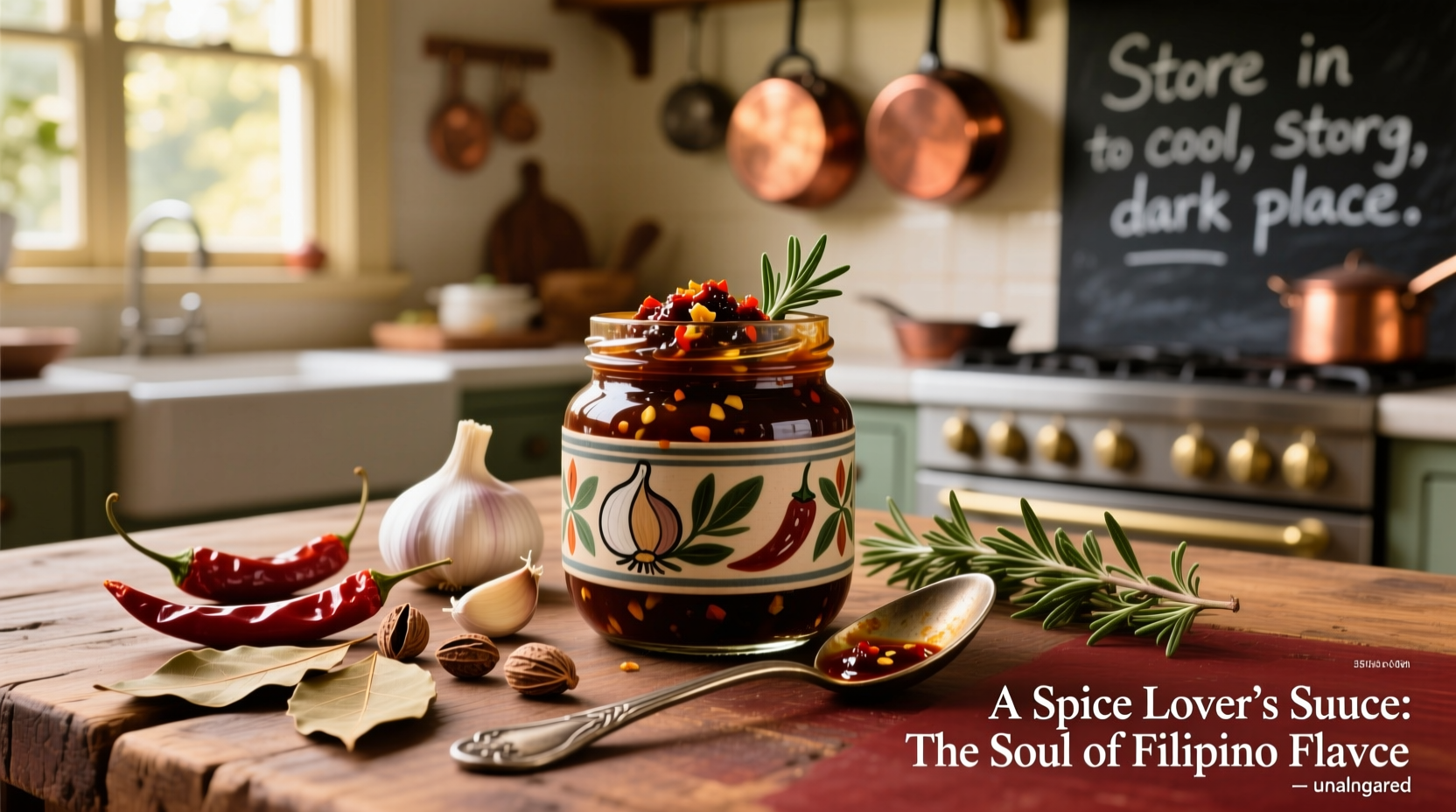
Adobo sauce is a rich, brick-red purée traditionally made from ground chilies (most commonly smoked jalapeños, or chipotles), vinegar, garlic, onions, oregano, cumin, and sometimes tomato. It originates from Mexican cuisine, where \"adobo\" refers not to a single ingredient but to a preservation method—foods marinated and stored in a seasoned vinegar-based liquid. While Filipino adobo shares the name, it's a completely different dish centered on soy sauce and vinegar; the Mexican version discussed here is purely chili-based and deeply aromatic.
The adobo sauce most widely available today comes canned with whole chipotle peppers, sold as “canned chipotles in adobo.” This pairing allows the peppers to retain moisture and absorb flavor during storage, making both components potent tools in savory cooking. The sauce itself is thick, oily, and intensely flavored—smoky from the dried, smoked jalapeños, tangy from vinegar, and subtly earthy from spices. Its heat level ranges from medium to hot, depending on the batch, but it rarely overwhelms; instead, it enhances rather than dominates.
Key Characteristics
| Attribute | Description |
|---|---|
| Flavor Profile | Smoky, tangy, mildly sweet, with earthy undertones from garlic, cumin, and oregano |
| Heat Level | Medium (3,000–5,000 SHU)—less fiery than fresh habaneros but more intense than paprika |
| Color & Texture | Deep brick red; thick, slightly oily purée with visible spice flecks |
| Culinary Function | Flavor base, marinade enhancer, colorant, umami booster, spice agent |
| Shelf Life (unopened) | Up to 3 years in a cool, dark pantry |
| Shelf Life (opened) | 4–6 weeks refrigerated; up to 6 months frozen |
This combination of acidity, smoke, and warmth makes adobo sauce uniquely versatile. Unlike pure chili powders or fresh peppers, it delivers layered seasoning in a single addition, functioning similarly to a concentrated sofrito or remoulade.
Practical Usage: How to Use Adobo Sauce in Cooking
Adobo sauce shines when used intentionally—not as an afterthought, but as a foundational flavor builder. Because it’s potent, small amounts deliver significant impact. A teaspoon can deepen a soup; a tablespoon transforms a braise.
Marinades & Rubs
Mix adobo sauce with oil, lime juice, and honey for a balanced marinade ideal for chicken thighs, pork shoulder, or flank steak. The vinegar in the sauce helps tenderize proteins while the smoke infuses them during grilling or roasting. For a quick rub, blend two tablespoons of adobo sauce with one teaspoon each of brown sugar and smoked paprika. Massage onto ribs or tofu slabs before searing.
Sauces & Dressings
Stir adobo sauce into mayonnaise or Greek yogurt for a spicy dipping sauce perfect for sweet potato fries, tacos, or grilled fish. Combine with sour cream and a splash of cider vinegar for a creamy chipotle crema. In salad dressings, whisk a teaspoon into vinaigrettes to add warmth without overpowering delicate greens.
Stews, Soups, and Braises
Add one to two teaspoons per quart of soup to enhance body and complexity. It works especially well in bean stews, lentil soups, and tomato-based sauces. Simmered slowly, the sharpness mellows into a rounded depth. When making chili, stir in a tablespoon along with ground meat for a smoky backbone. For vegetarian dishes, adobo sauce adds umami to mushroom ragùs or black bean casseroles.
Egg Dishes & Breakfast Applications
Whisk a small amount into scrambled eggs or fold into frittatas. It pairs exceptionally well with cheese, potatoes, and avocado. Try mixing half a teaspoon into mashed avocado for a spicy twist on toast or huevos rancheros.
Vegetable Enhancements
Toss roasted carrots, cauliflower, or Brussels sprouts with olive oil and a spoonful of adobo sauce before baking. The sugars in the vegetables caramelize against the smokiness, creating a dynamic contrast. For grilled corn, brush kernels with melted butter mixed with minced chipotle and adobo sauce, then sprinkle with cotija cheese.
Pro Tip: Always taste before adding salt—adobo sauce contains sodium from canned preparation. Start with less than you think you need; you can always add more, but you can’t remove excess heat or acidity once incorporated.
Variants & Types of Adobo Sauce
While most consumers encounter adobo sauce via canned chipotles, variations exist across brands and homemade preparations. Understanding these differences ensures better control over flavor outcomes.
- Canned Commercial Adobo (e.g., La Costeña, Embasa, San Marcos): The most accessible form. Varies by brand—some are sweeter, others spicier or more garlicky. Read labels: ingredients should list chili, vinegar, salt, garlic, oregano, cumin. Avoid versions with added preservatives like potassium sorbate if possible.
- Homemade Adobo Sauce: Made by rehydrating dried chipotles and blending with vinegar, garlic, onion, and spices. Offers cleaner flavor and adjustable heat. Ideal for chefs wanting full ingredient control.
- Bottled Adobo-Style Sauces: Some specialty brands sell standalone adobo condiments. These may include tomato paste or xanthan gum for texture. Check consistency—true adobo should be smooth but not gelatinous.
- Dry Adobo Seasoning Blends: Not the same as the wet sauce. These are powdered mixes meant to mimic flavor but lack moisture and depth. Use only when recreating dry rubs, not as substitutes in liquid-based recipes.
When choosing between types, prioritize the canned version with whole peppers for authenticity and potency. Reserve bottled or powdered forms for convenience-driven applications where exact replication isn’t critical.
Comparison with Similar Ingredients
Adobo sauce is frequently confused with other spicy, vinegary condiments. Clarifying distinctions prevents misuse and improves recipe accuracy.
| Ingredient | How It Differs from Adobo Sauce |
|---|---|
| Chipotle Powder | Dried, ground smoked jalapeño. Lacks vinegar and aromatics. More concentrated heat but no tang. Reconstitute with liquid to mimic adobo. |
| Sriracha | Garlic-chili sauce with sugar and thickener. Sweeter, brighter, less smoky. No cumin or oregano. Not interchangeable in traditional Mexican dishes. |
| Harissa | North African chili paste made with roasted red peppers, caraway, coriander. Earthier, fruitier profile. Contains no smoke unless smoked paprika is added. |
| Tabasco or Other Vinegar-Based Hot Sauces | Thinner, sharper, less complex. Designed for finishing, not slow-cooked integration. Missing the herbal and umami notes of adobo. |
| Tomato Paste + Smoked Paprika Mix | A common substitute. Combines color and smoke but lacks natural acidity and fermented depth. Can work in a pinch if enhanced with vinegar and garlic. |
No direct substitute fully replicates adobo sauce, but combining smoked paprika (1 tsp), tomato paste (1 tbsp), apple cider vinegar (1 tsp), garlic powder (¼ tsp), and oregano (a pinch) can approximate its function in emergencies.
Practical Tips & FAQs
How much adobo sauce should I use?
Start with ½ to 1 teaspoon per serving. Taste after incorporation and adjust. Overuse leads to excessive heat and acidity that can’t be reversed. Remove seeds and membranes from whole chipotles if milder flavor is desired.
Can I freeze adobo sauce?
Yes—and you should. Spoon leftover sauce and chopped chipotles into ice cube trays, cover with plastic wrap, and freeze. Once solid, transfer cubes to a labeled freezer bag. Each cube holds approximately one tablespoon. Thaw directly in pans or soups. Properly frozen, it lasts up to six months without flavor degradation.
Is adobo sauce gluten-free and vegan?
Typically yes. Most commercial versions contain only chili, vinegar, garlic, salt, and spices. However, always check labels for hidden additives like modified starches or flavor enhancers that may derive from non-vegan sources. Brands like Herdez and San José are reliably plant-based and gluten-free.
What are the best dishes to use adobo sauce in?
- Tacos al pastor
- Black bean soup
- Chicken tinga
- Grilled shrimp skewers
- Spicy mac and cheese
- Roasted vegetable grain bowls
- Barbecue glaze (mixed with ketchup and brown sugar)
How do I store opened adobo sauce?
Transfer unused sauce and peppers to an airtight glass container. Press plastic wrap directly onto the surface to minimize oxidation, then seal. Refrigerate for up to six weeks. Discard if mold appears, smell turns rancid, or color fades significantly.
Can I make my own adobo sauce?
Absolutely. Rehydrate 4–5 dried chipotle peppers in hot water for 20 minutes. Drain, reserving ¼ cup soaking liquid. Blend peppers with 2 cloves garlic, ½ small onion, 1 tsp cumin, ½ tsp dried oregano, 1 tbsp vinegar, and enough soaking liquid to reach purée consistency. Store in a jar for up to two weeks refrigerated or freeze for longer use.
“Adobo sauce is my secret weapon for adding depth without cluttering a dish with too many ingredients. One spoonful replaces what would otherwise take five separate seasonings.” — Carlos Méndez, Chef de Cuisine at Casa Solera, Oaxaca City
Does adobo sauce lose potency over time?
Yes, gradually. Heat and aroma diminish after prolonged storage, especially if exposed to air or light. Frozen cubes retain quality best. For maximum impact, use within three months of opening, even when refrigerated.
Are there health benefits to adobo sauce?
Smoked chilies contain capsaicin, which may support metabolism and reduce inflammation. Garlic contributes allicin, known for immune-boosting properties. The vinegar base aids digestion and helps regulate blood sugar spikes when paired with carbohydrates. However, due to sodium content, moderation is advised for those managing hypertension.
Storage Checklist:
✓ Transfer to glass container
✓ Press film on surface
✓ Label with date
✓ Refrigerate immediately
✓ Freeze extras in portioned cubes
Summary & Key Takeaways
Adobo sauce is more than a byproduct of canned chipotles—it’s a complete flavor system in a jar. With its balance of smoke, acid, spice, and earth, it elevates everything from weekday scrambles to weekend braises. Understanding its characteristics allows precise usage, preventing over-seasoning while maximizing impact. Whether sourced commercially or made from scratch, adobo sauce rewards thoughtful handling and proper storage.
To recap:
- Adobo sauce is a Mexican chili-vinegar blend, typically sold with chipotle peppers.
- It functions as a multi-purpose flavor enhancer—ideal for marinades, sauces, soups, and vegetables.
- Use sparingly: start with ½ teaspoon per serving and adjust to taste.
- Freeze leftovers in portioned cubes for long-term usability.
- It is not interchangeable with sriracha, harissa, or dry seasonings.
- No substitute perfectly replicates its complexity, though smoked paprika blends can approximate it.
Next time you open a can of chipotles in adobo, don’t pour out the sauce. Instead, treat it like liquid gold—measure it, label it, freeze it, and deploy it strategically. Your palate will notice the difference.




 浙公网安备
33010002000092号
浙公网安备
33010002000092号 浙B2-20120091-4
Comments
No comments yet. Why don't you start the discussion?