
Filing a report—whether it’s about workplace misconduct, a safety hazard, customer service failure, or academic misconduct—is only the first step. The real challenge lies in ensuring that your report is taken seriously and results in meaningful action. Too often, reports are dismissed, overlooked, or buried under bureaucratic processes because they lack clarity, evidence, or proper follow-up. This guide provides a structured approach to filing impactful reports that drive change.
Why Most Reports Fail to Generate Action
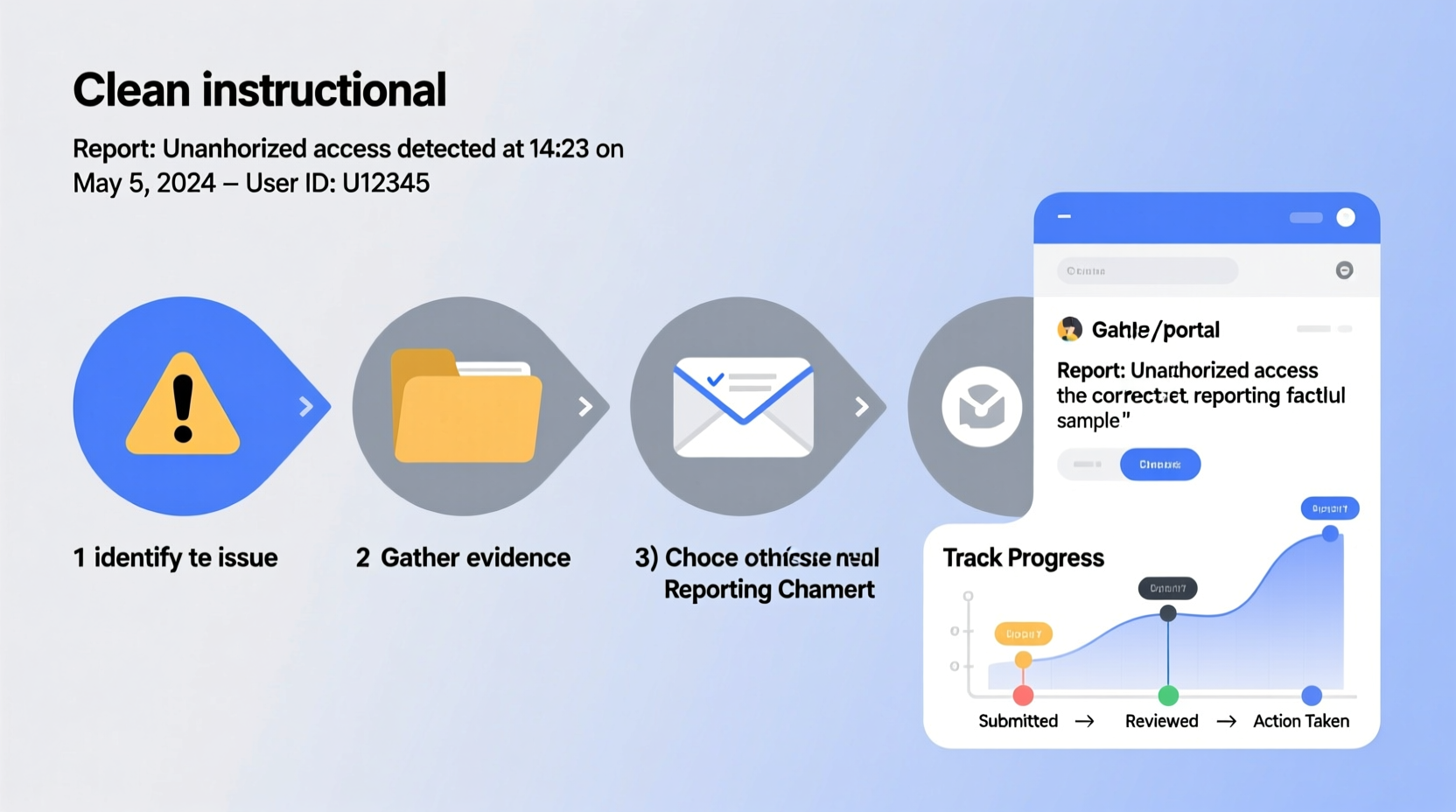
Many people assume that simply submitting a complaint or concern is enough. However, organizations receive hundreds of reports annually, and without strategic framing, yours may not stand out. Common reasons reports go unaddressed include:
- Vague or emotional language instead of factual details
- Lack of supporting evidence
- Incorrect submission channel or recipient
- No clear request for resolution or next steps
- Failure to follow up
To avoid these pitfalls, you need a methodical process that maximizes credibility and urgency.
The 6-Step Process to Filing an Effective Report
Follow this timeline-based framework to increase the likelihood of a response and resolution.
- Clarify the Purpose and Scope
Determine exactly what you’re reporting. Is it harassment? A safety violation? Fraud? Define the issue with precision. Avoid bundling unrelated complaints into one report, as this dilutes focus. - Gather Evidence
Collect documents, emails, photos, witness statements, timestamps, or recordings (where legally permitted). The stronger your evidence, the harder it is to dismiss your claim. - Identify the Correct Authority
Not all reports belong to HR, customer service, or public officials. Research who has jurisdiction. For example:- Workplace harassment → HR or designated ethics officer
- Public safety hazard → local regulatory body or city inspector
- Academic dishonesty → department chair or academic integrity office
- Structure Your Report Clearly
Use a logical format: summary, timeline, evidence, impact, and desired outcome. Keep language neutral and professional. - Submit Through Proper Channels
Use official forms, secure portals, or documented email. Always keep a copy and confirm receipt. - Follow Up Strategically
If no response within 7–10 business days, send a polite but firm follow-up. Escalate if necessary.
Structuring Your Report for Maximum Impact
An effective report isn’t just truthful—it’s persuasive. Use this structure to organize your message:
| Section | Purpose | What to Include |
|---|---|---|
| Executive Summary | Quick overview | One paragraph stating the core issue and urgency |
| Background | Context | Relevant history or policies violated |
| Incident Details | Chronology | Dates, times, locations, people involved, direct quotes |
| Evidence | Proof | Attachments, screenshots, affidavits |
| Impact | Consequences | How the issue affects individuals, operations, or compliance |
| Requested Action | Solution | Specific steps you want taken (e.g., investigation, policy change) |
This format ensures your report is easy to navigate and difficult to ignore.
Checklist: Before You Submit Your Report
Use this checklist to verify your report is complete and compelling:
- ✅ Defined the specific issue clearly
- ✅ Collected all relevant evidence
- ✅ Verified the correct reporting authority
- ✅ Used neutral, professional language
- ✅ Included dates, times, and names where applicable
- ✅ Outlined the impact of the issue
- ✅ Specified desired outcomes or actions
- ✅ Proofread for clarity and tone
- ✅ Saved a copy and confirmed delivery
Real Example: Resolving a Workplace Safety Hazard
In early 2023, Maria, a warehouse supervisor in Ohio, noticed frayed electrical wiring near loading docks—a serious fire risk. She reported it verbally to her manager, but nothing changed after two weeks. Concerned, she filed a formal report using the following steps:
- Photographed the damaged wires and labeled each image with date/time stamps.
- Reviewed OSHA guidelines to confirm the violation.
- Drafted a concise report citing the exact regulation breached (29 CFR 1910.303).
- Submitted it via the company’s internal compliance portal and emailed a copy to corporate safety officers.
- Followed up after five days with a call to the regional safety director.
Within 48 hours, maintenance crews repaired the wiring. OSHA later cited the company’s quick response during an audit. Maria’s structured approach turned a neglected risk into a resolved safety upgrade.
Expert Insight: What Authorities Look For
According to Dr. Lena Torres, a workplace compliance consultant with over 15 years of experience:
“Reports that lead to action share three traits: specificity, documentation, and a clear ask. Vague complaints get archived. Detailed ones get investigated.” — Dr. Lena Torres, Organizational Compliance Advisor
She emphasizes that decision-makers are more likely to act when a report reduces their workload—not increases it. By presenting organized facts and suggesting solutions, you make it easier for them to respond decisively.
Do’s and Don’ts When Filing a Report
| Do | Don't |
|---|---|
| Be factual and objective | Use emotional or accusatory language |
| Cite relevant rules or policies | Assume the reader knows the background |
| Request a timeline for response | Threaten legal action prematurely |
| Keep communication professional | Share the report publicly before official review |
| Follow up politely | Send multiple angry messages |
FAQ: Common Questions About Filing Reports
What if I fear retaliation after filing a report?
Many jurisdictions protect whistleblowers under laws like the Whistleblower Protection Act. File anonymously if possible, or use secure channels. Document everything and consider consulting a labor attorney if retaliation occurs.
How long should I wait for a response before following up?
Seven to ten business days is standard. If no acknowledgment arrives, send a brief follow-up: “I submitted a report on [date] regarding [issue]. Could you confirm receipt and provide an estimated timeline for review?”
Can I file a report without evidence?
You can, but your chances of action decrease significantly. Even anecdotal accounts from others or circumstantial details (e.g., unusual behavior patterns) strengthen your case. Always gather what you can.
Take Action with Confidence
Filing a report shouldn’t feel like shouting into the void. With preparation, clarity, and persistence, you can turn a concern into a catalyst for change. Whether you're addressing a personal grievance or a systemic flaw, your voice matters—but only if it's heard. Use this guide to craft reports that demand attention, withstand scrutiny, and inspire action.




 浙公网安备
33010002000092号
浙公网安备
33010002000092号 浙B2-20120091-4
Comments
No comments yet. Why don't you start the discussion?