
Receiving the right support at home can significantly improve quality of life for individuals managing aging, chronic conditions, recovery from surgery, or disability. Home help services provide practical assistance with daily tasks such as cleaning, meal preparation, personal care, and companionship. However, navigating the application process can feel overwhelming without proper guidance. This comprehensive guide walks you through each stage—from identifying needs to securing approved support—with clarity and actionable advice.
Step 1: Assess Your Care Needs
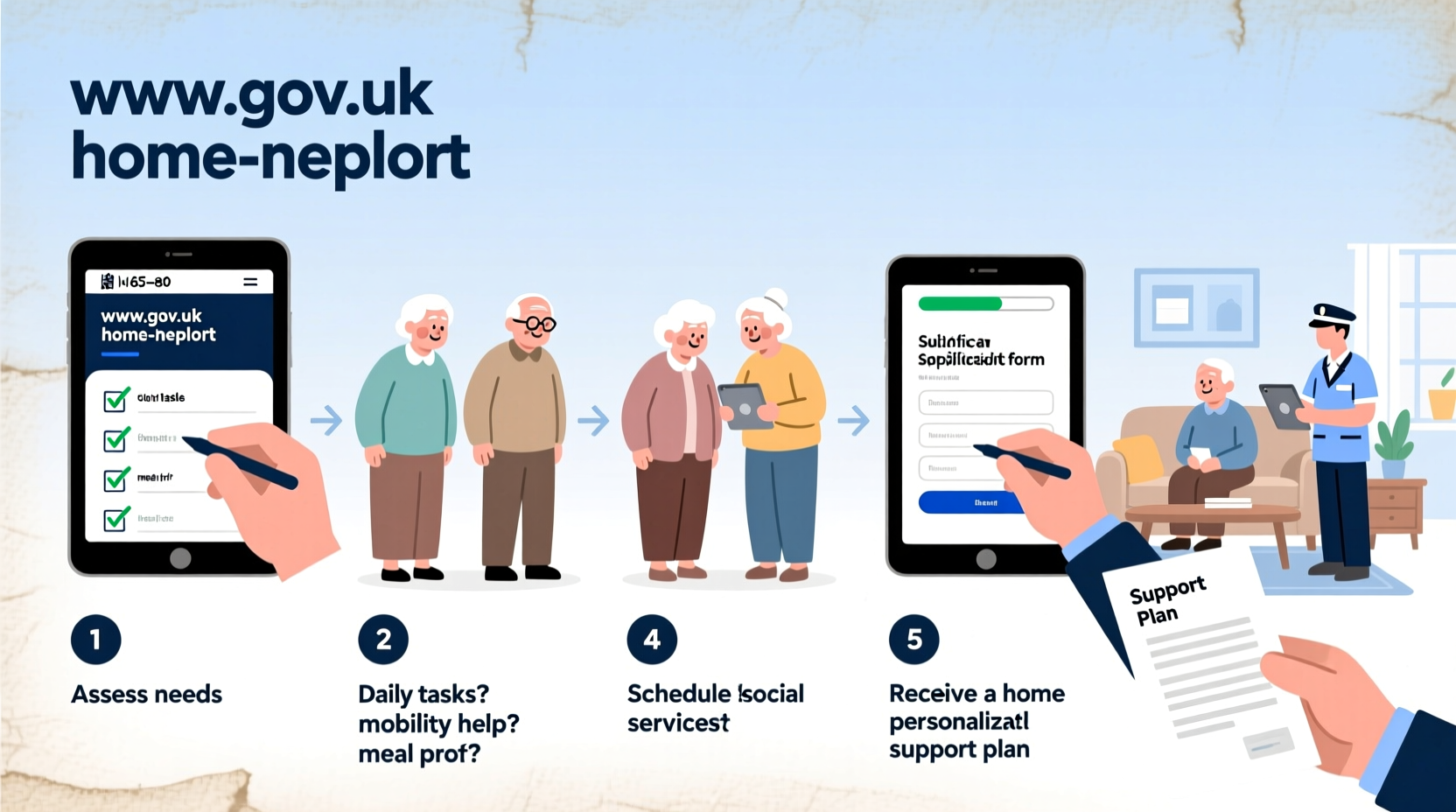
The first step in accessing home help is understanding what kind of support is required. This involves evaluating physical, emotional, and cognitive needs. Consider whether the individual struggles with mobility, personal hygiene, medication management, cooking, or social isolation.
A structured self-assessment helps clarify priorities. Ask questions like:
- Which daily activities are difficult or unsafe to perform alone?
- Is there a need for medical oversight, or is non-medical support sufficient?
- How often is help needed—daily, weekly, or only during specific hours?
- Are family members able or available to assist?
Step 2: Research Available Services and Funding Options
Home help comes in many forms and may be funded publicly, privately, or through insurance. Understanding your options ensures you apply for the most appropriate and affordable support.
In most countries, public programs offer subsidized home care for eligible individuals. These may include:
- Local government adult social services
- National health service (NHS) community care teams (UK)
- Medicaid Waiver programs (US)
- Veterans Affairs benefits (for eligible veterans)
- Long-term care insurance payouts
Private agencies also provide flexible, fee-based services but typically do not require eligibility screening.
| Funding Source | Coverage Type | Eligibility Criteria | Typical Wait Time |
|---|---|---|---|
| Public Social Services | Means-tested, subsidized | Income, health status, residency | 4–12 weeks |
| Medicaid / NHS | Medical necessity-based | Assessed by healthcare professional | 6–16 weeks |
| Private Pay | Full cost borne by user | No restrictions | Immediate to 1 week |
| Long-Term Care Insurance | Policy-dependent | Pre-existing conditions may apply | 2–6 weeks after claim |
Step 3: Contact Your Local Authority or Healthcare Provider
To access publicly funded services, initiate contact with your local council’s adult social services department or primary care provider. In the UK, this begins with calling the local council; in the US, it may involve speaking with a case manager through Medicaid or Area Agency on Aging.
During this call, request a “care needs assessment.” This evaluation determines eligibility and the level of support authorized. It is typically conducted in person or via video call by a social worker or occupational therapist.
“We don’t expect people to know exactly what they need—we’re here to assess and guide. No concern is too small if it affects independence at home.” — Sarah Linwood, Community Care Assessor, Manchester City Council
What to Expect During the Assessment
The assessor will observe living conditions, discuss medical history, and evaluate functional abilities. Be prepared to share:
- Current medications and diagnoses
- Mobility limitations (e.g., using stairs, walking unaided)
- Dietary requirements or swallowing difficulties
- Risk factors like falls or confusion
- Social engagement and mental well-being
The outcome includes a personalized care plan outlining recommended services, frequency, and funding approval.
Step 4: Choose a Reputable Service Provider
If approved for support, you’ll either receive direct funding (a personal budget) or be referred to an approved agency. You may have the option to choose your own provider.
When selecting an agency or independent carer:
- Verify registration with national bodies (e.g., CQC in England, state licensing boards in the US)
- Check online reviews and ask for references
- Confirm staff training in first aid, dementia care, or other relevant areas
- Ensure compatibility in personality and language
Mini Case Study: Maria’s Recovery at Home
Maria, 72, returned home after hip replacement surgery with limited mobility. Her daughter contacted the local council and requested a care assessment. Within 10 days, an occupational therapist visited, recommended twice-daily visits for personal care and light housekeeping, and approved six weeks of funded support through the NHS Continuing Health Care program. The family selected a CQC-rated “Outstanding” agency, and Maria transitioned smoothly into recovery—avoiding institutional rehab and regaining independence faster than expected.
Step 5: Complete the Application and Follow Up
Formal applications vary by region but generally require:
- Proof of identity and residence
- Medical documentation from a GP or specialist
- Financial statements (for means-tested programs)
- Completed assessment report
Submit all documents promptly and keep copies. After submission, follow up within 5–7 business days if no confirmation is received.
Checklist: Applying for Home Help Services
- ✔ Document daily challenges in a care journal
- ✔ Identify potential funding sources (public, private, insurance)
- ✔ Contact local social services or healthcare provider to request assessment
- ✔ Prepare medical and financial records
- ✔ Attend the care needs evaluation with key concerns listed
- ✔ Review the proposed care plan and ask questions
- ✔ Select a qualified, compatible service provider
- ✔ Submit application with all required attachments
- ✔ Schedule a review date (typically 6–12 weeks after start)
FAQ: Common Questions About Home Help Applications
Can I get home help if I own my home?
Yes. Homeownership does not disqualify you from most publicly funded programs. Eligibility is usually based on income, care needs, and assets excluding your primary residence in many cases.
What if my application is denied?
You have the right to appeal. Request a written explanation, gather additional medical evidence, and consider enlisting advocacy support from organizations like Age UK or the National Disability Rights Network.
Can I hire a family member as a caregiver?
In some programs—especially personal budgets or cash-for-care schemes—you can employ a relative as a paid caregiver, provided they meet training and compliance requirements. Check local rules carefully.
Final Steps and Ongoing Management
Once services begin, maintain open communication with the care provider and coordinating agency. Most programs schedule a review after 4–6 weeks to assess effectiveness and adjust the plan if needed.
Keep a notebook tracking visits, services rendered, and any concerns. Report changes in health promptly, as these may justify increased support.
“Early intervention with home help reduces hospital admissions by up to 30% in older adults.” — Dr. Alan Prescott, Gerontology Research Unit, University of Leeds
Take Action Today
Applying for home help doesn’t mean losing independence—it means reclaiming safety, comfort, and dignity in your own environment. Whether you're supporting a loved one or advocating for yourself, taking the first step toward formal assistance is an act of strength, not weakness. Use this guide to move forward with confidence, clarity, and control.




 浙公网安备
33010002000092号
浙公网安备
33010002000092号 浙B2-20120091-4
Comments
No comments yet. Why don't you start the discussion?