
Instagram has evolved from a photo-sharing app into one of the most powerful digital marketing platforms in the world. With over 2 billion monthly active users, it offers unparalleled access to audiences across demographics, industries, and geographies. For entrepreneurs, brands, and creators, a well-optimized Instagram business account is no longer optional—it’s essential. Yet, simply switching to a business profile isn’t enough. Real growth comes from strategic setup, consistent branding, data-driven content, and intentional engagement. This guide walks through every critical phase of building and refining an Instagram business presence that drives visibility, trust, and conversion.
Step 1: Convert to or Create an Instagram Business Account
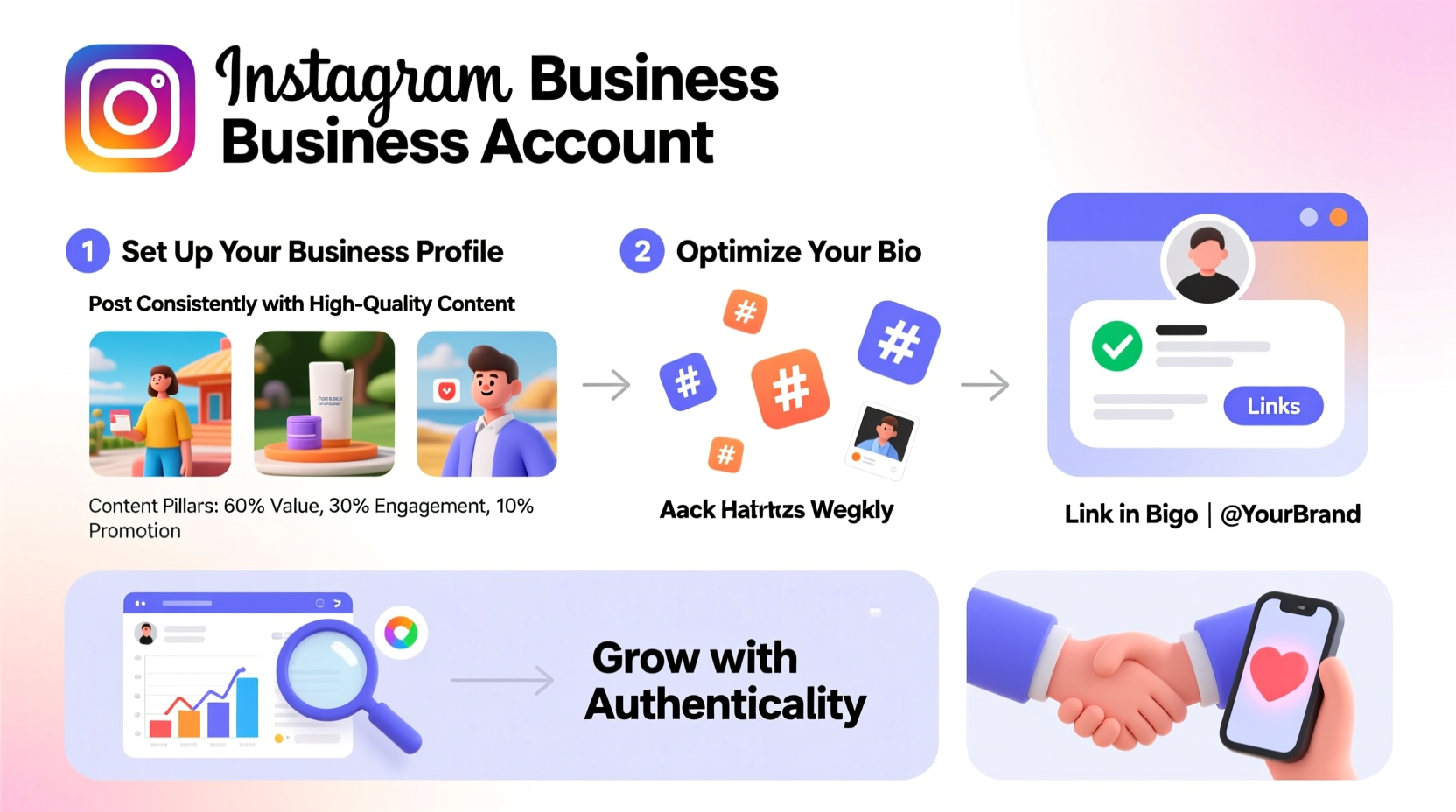
The foundation of any successful Instagram strategy begins with the right account type. Personal accounts lack analytics, advertising tools, and contact options—features vital for growth. A business account unlocks these capabilities while integrating seamlessly with Facebook Pages and Meta’s ad ecosystem.
- Download and set up Instagram: If you don’t already have an account, download the app and create a personal profile using your real name or brand name.
- Link to a Facebook Page: Navigate to Settings > Account > Switch to Professional Account. Choose “Business” and follow prompts to connect your Instagram profile to an existing Facebook Page (or create one).
- Verify your email and category: Enter a professional email address and select a relevant business category (e.g., “Marketing Agency,” “Fashion Designer”).
Once converted, you’ll gain access to Insights, contact buttons, and the ability to run ads—all crucial for scaling your presence.
Step 2: Optimize Your Profile for Maximum Impact
Your profile is your digital storefront. It should instantly communicate who you are, what you offer, and why someone should follow or engage with you. Every element must be intentional.
- Username (@handle): Keep it simple, memorable, and aligned with your brand name. Avoid numbers or underscores unless necessary.
- Profile photo: Use a high-resolution logo or professional headshot. Ensure it’s recognizable even at small sizes.
- Name field: Include keywords people might search for (e.g., “Sarah Kim | Digital Marketing Coach”).
- Biography: Craft a concise, compelling message in 150 characters or less. Clearly state your value proposition and include a call-to-action (e.g., “Helping coaches build online authority → Free guide in link”)
- Website link: Use a trackable URL. If you have multiple offerings, consider a landing page tool like Linktree or Shorby to host several links.
- Contact options: Enable email, phone, and address if applicable. These make your business appear more credible and accessible.
| Profile Element | Do | Avoid |
|---|---|---|
| Bio | Include value + CTA + emoji | Vague phrases like “living my truth” |
| Link | Use a branded short URL | Directing to homepage only |
| Username | Match brand name exactly | Using slang or inside jokes |
Step 3: Develop a Content Strategy That Builds Authority
Consistent, high-value content is the engine of organic growth. Random posting leads to inconsistent results. Instead, adopt a structured approach focused on audience needs and platform behavior.
Begin by identifying your core content pillars—3 to 5 thematic categories that reflect your expertise and audience interests. For example, a fitness coach might use: workout tips, nutrition advice, client transformations, mindset strategies, and behind-the-scenes.
Then, plan your mix of formats:
- Feed posts: High-quality images or carousels with educational or inspirational value.
- Stories: Daily updates, polls, Q&As, and time-sensitive announcements.
- Reels: Short-form video content optimized for discovery via hashtags and audio trends.
- Guides: Curated collections of products, tips, or resources (ideal for service-based businesses).
“Content that teaches, entertains, or inspires consistently outperforms promotional-only posts.” — Lena Torres, Social Media Strategist at BrandFlow Studio
Step 4: Grow Authentically Through Engagement & Analytics
Algorithmic favor on Instagram goes to accounts that foster genuine interaction. Posting great content isn’t enough—you must actively participate in the community.
Spend 10–15 minutes daily engaging with followers and peers: reply to comments, respond to DMs, like and comment on relevant posts in your niche, and share user-generated content when appropriate. This signals to Instagram that your account is active and trustworthy.
Leverage Instagram Insights to refine your strategy:
- Monitor which posts get the most reach and saves (a strong indicator of value).
- Check follower activity to identify optimal posting times.
- Track story completion rates to improve visual storytelling.
- Analyze audience demographics to tailor messaging.
If a particular Reel format generates 3x more shares than others, double down on that style. If carousel posts receive higher engagement than single images, adjust your content calendar accordingly.
Mini Case Study: From 500 to 10K in 5 Months
Jamal Patel, a freelance graphic designer, switched to a business account and implemented a disciplined content plan. He posted two Reels per week showcasing design tips using trending audio, shared client work every Tuesday, and used Stories to answer common questions. He engaged with every comment and followed 10 relevant creatives daily. Within five months, his following grew from 487 to over 10,200. More importantly, he booked eight new clients directly through Instagram DMs, attributing his success to consistency and responsiveness.
Step 5: Run Targeted Ads and Collaborate Strategically
Organic growth is powerful, but paid promotion accelerates visibility. Even modest ad budgets ($5–$10 per day) can yield significant returns when targeted correctly.
Use Instagram Ads Manager to promote high-performing posts to specific audiences based on location, interests, behaviors, or lookalike profiles. Focus on objectives like website traffic, lead generation, or message interactions—not just likes.
Additionally, explore collaborations:
- Shoutouts: Partner with complementary accounts in your niche.
- Takeovers: Let industry peers temporarily manage your Stories.
- UGC campaigns: Encourage customers to tag you in their posts with a branded hashtag.
These tactics expand your reach beyond your current network and introduce your brand to warm, interested audiences.
Essential Optimization Checklist
- ✅ Switched to Business Account
- ✅ Connected to Facebook Page
- ✅ Set professional profile photo and bio
- ✅ Added contact info and clickable website link
- ✅ Defined 3–5 content pillars
- ✅ Created a 2-week content calendar
- ✅ Enabled Insights and reviewed first report
- ✅ Engaged with 10+ niche-related posts daily
- ✅ Identified first Reel idea using trending audio
- ✅ Planned first collaboration or giveaway
Frequently Asked Questions
Can I switch back to a personal account later?
Yes, you can revert to a personal account at any time. However, you’ll lose access to Insights, contact buttons, and ad tools. Most professionals find the business features too valuable to give up.
Do hashtags still matter in 2024?
Yes, but relevance matters more than quantity. Use 5–10 targeted hashtags per post instead of maxing out at 30. Mix niche-specific tags (e.g., #SmallBusinessTips) with moderately popular ones (#DigitalMarketingTips) to improve discoverability.
How often should I post?
There’s no universal rule, but consistency trumps frequency. Aim for at least 3–4 feed posts per week and daily Stories. Prioritize quality and engagement over overposting.
Final Thoughts: Turn Your Profile Into a Growth Engine
Creating an Instagram business account takes minutes. Optimizing it for sustainable growth takes strategy, discipline, and authenticity. From setting up your profile correctly to analyzing performance and engaging meaningfully, each step compounds over time. The most successful accounts aren’t those with the flashiest visuals—they’re the ones that solve problems, build trust, and show up consistently.




 浙公网安备
33010002000092号
浙公网安备
33010002000092号 浙B2-20120091-4
Comments
No comments yet. Why don't you start the discussion?