
Facebook remains one of the most powerful tools for promoting events—whether it’s a community fundraiser, a product launch, or a private birthday celebration. But simply creating an event and sending invites isn’t enough. To drive real engagement and increase attendance, your invitation must capture attention, communicate value, and inspire action. With over 2.9 billion monthly active users, Facebook offers unmatched reach—but only if you use it strategically.
The difference between a poorly attended event and a packed venue often comes down to how effectively the invitation was crafted and shared. This guide walks through a proven, actionable process to create Facebook invitations that convert interest into RSVPs and maximize turnout.
Step 1: Optimize Your Event Setup for Visibility and Clarity
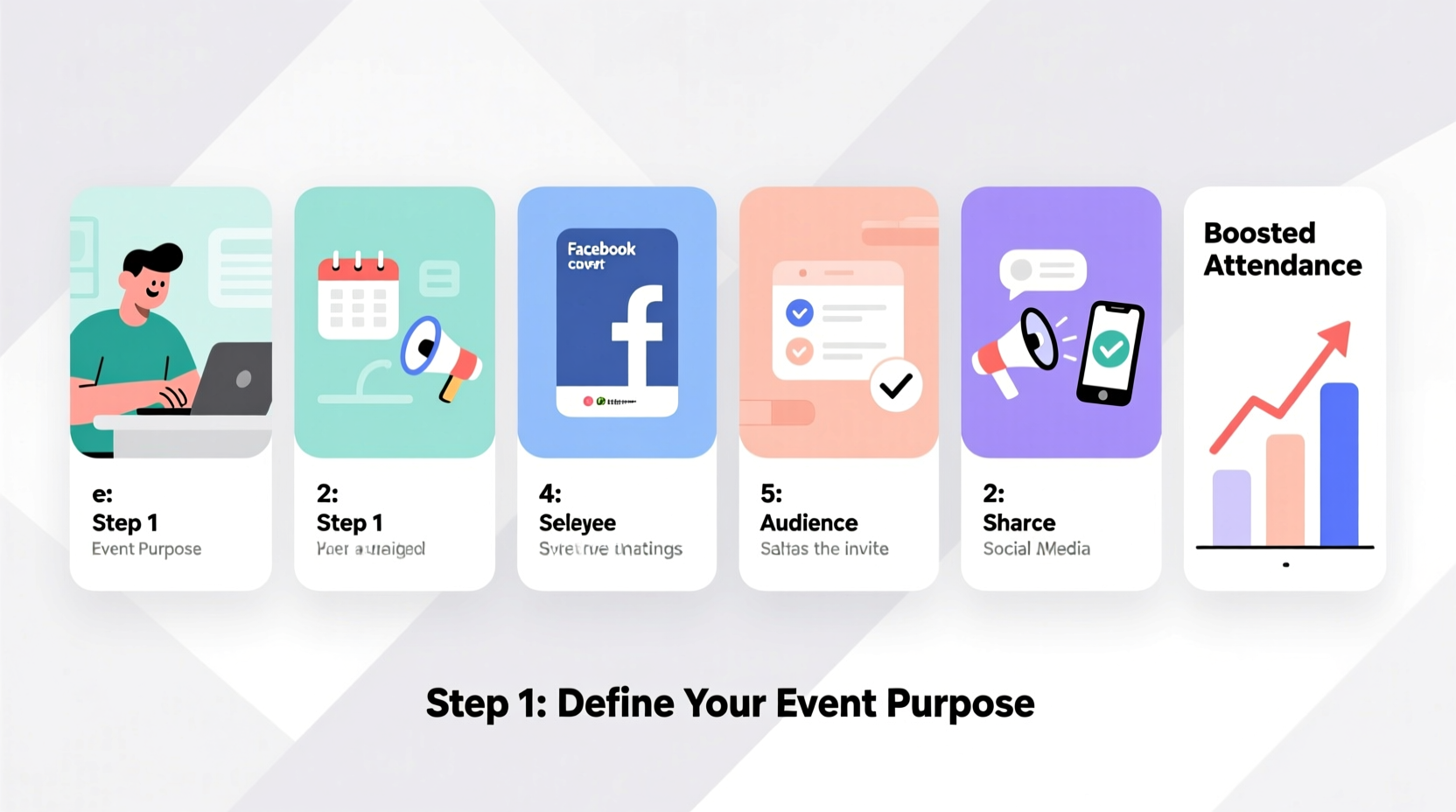
Before designing visuals or writing copy, ensure your event is structured correctly on Facebook. The platform's algorithm favors complete, well-organized events with clear details.
- Name your event clearly. Avoid vague titles like “Fun Night Out.” Instead, use descriptive names such as “Summer Jazz Night at Riverside Park – July 12” to instantly communicate what the event is about.
- Set accurate time, date, and location. Double-check time zones and include both address and link to Google Maps. For virtual events, add the video conferencing link directly in the description.
- Select the right privacy setting. Public events are discoverable in search and can be shared widely. Private events should only be used when exclusivity is necessary, but they limit organic reach.
- Add a cover photo that stands out. Use high-resolution images (recommended size: 1920x1005 pixels) that reflect the mood and theme of your event.
Step 2: Craft Compelling Invitation Copy That Converts
Your event description is where you sell the experience. Most people spend less than 10 seconds deciding whether to engage, so every word must count.
- Start with a strong hook: “Join us for an exclusive rooftop tasting of locally crafted wines.”
- Highlight benefits, not just features: Instead of “We’ll have music,” say “Unwind to live acoustic sets under the stars.”
- Include logistics clearly: Entry fee, parking info, age restrictions, dress code.
- Add social proof: “Last year’s event sold out with 300 attendees—get your spot early!”
- End with a call to action: “Click ‘Going’ now to secure your seat and receive updates.”
“People don’t attend events—they attend experiences. Your invitation should make them feel the energy before they even arrive.” — Dana Reyes, Digital Marketing Strategist for Event Brands
Step 3: Design a Visually Engaging Cover Image
Visuals are the first thing users notice. A cluttered or low-quality image can deter interest, no matter how good the event is.
| Do | Don’t |
|---|---|
| Use bold, readable fonts with high contrast against background | Cram too much text into the image |
| Show faces or action shots that evoke emotion | Use blurry or pixelated photos |
| Include key details: date, time, location, hashtag | Rely solely on text in the image—always repeat in description |
| Brand consistently with colors and logos (for businesses) | Ignore mobile preview—most users view on phones |
Step 4: Strategically Invite and Promote Your Audience
Even the best-designed event won’t succeed without the right audience. Thoughtful promotion increases visibility and encourages shares.
- Invite core supporters first. Start with friends, team members, or past attendees. When others see familiar names marked “Going,” they’re more likely to join.
- Leverage groups. Share your event in relevant Facebook Groups (where allowed). Focus on communities related to your event’s theme—e.g., local foodies, fitness enthusiasts, parenting networks.
- Encourage co-hosts. Assign trusted individuals as co-hosts so they can invite their own networks and respond to questions.
- Post updates regularly. Share behind-the-scenes prep, speaker highlights, or menu sneak peeks to maintain momentum.
- Promote with paid ads (optional). For business events, consider a small ad budget ($20–$50) targeting specific demographics within 10–15 miles of the venue.
Mini Case Study: Community Yoga in the Park
A local wellness coach created a free outdoor yoga session with low initial traction—only five people marked “Going” after three days. She revised her strategy: updated the cover image with a vibrant photo of people stretching at sunrise, rewrote the description to emphasize stress relief and beginner-friendliness, and invited members from three neighborhood Facebook groups. Within 48 hours, RSVPs jumped to 78, and the event drew over 60 attendees—many of whom shared photos and tagged the organizer.
Step 5: Maintain Engagement Before and After the Event
The invitation is just the beginning. Ongoing communication keeps excitement alive and improves turnout rates.
- Post in the event feed 3–5 days before: “Only 3 days left to grab your free swag bag—RSVP now!”
- Answer questions promptly in the comments. Common queries include parking, accessibility, and weather plans for outdoor events.
- Tag attendees in posts: “So excited to see @Sarah and @James joining us this weekend!”
- After the event, post thank-you messages with photos and testimonials. This builds goodwill and increases likelihood of future attendance.
Essential Checklist for High-Converting Facebook Invitations
Use this checklist before publishing your event to ensure nothing is overlooked:
- ✅ Clear, compelling event title with date and location
- ✅ Accurate time, timezone, and venue details (with map link)
- ✅ High-quality cover image optimized for mobile
- ✅ Engaging description with benefits, not just logistics
- ✅ At least 5 initial “Going” responses from trusted contacts
- ✅ Posted in relevant Facebook Groups or shared with influencers
- ✅ Scheduled reminders and follow-up posts planned
- ✅ Contact information included for questions
Frequently Asked Questions
How many people should I invite to get 50 attendees?
There’s no fixed ratio, but a common benchmark is that 20–30% of those invited will mark “Going,” and 50–70% of those will actually attend. To get 50 attendees, aim for 200–300 initial invites with strong engagement.
Can I edit my event after it’s published?
Yes. You can update the time, location, description, and cover photo at any time. Facebook notifies all invited guests of major changes, so use edits wisely.
What’s the best time to launch a Facebook event?
Tuesdays or Wednesdays are ideal for launching, giving people time to plan before weekends. Post promotional updates on Thursday and Friday to catch last-minute decisions.
Final Thoughts: Turn Clicks Into Attendance
A successful Facebook invitation isn’t just about formality—it’s about connection. It’s the first touchpoint between your event and potential attendees, and when done right, it builds anticipation, trust, and excitement. By combining strategic setup, persuasive copy, visual appeal, and smart outreach, you transform a simple digital invite into a powerful driver of real-world participation.
Every element—from the font on your cover photo to the tone of your description—shapes perception. Treat your Facebook event page like a mini-website dedicated to selling the experience. Then nurture it with consistent, human-centered communication.




 浙公网安备
33010002000092号
浙公网安备
33010002000092号 浙B2-20120091-4
Comments
No comments yet. Why don't you start the discussion?