
Becoming a certified dog trainer is more than just a passion for animals—it’s a commitment to understanding behavior, communication, and the science of learning. With pet ownership on the rise and demand for skilled trainers growing, now is an ideal time to enter the field. Unlike many careers that require years of formal education, dog training offers a faster path into a fulfilling profession—if you approach it with dedication, strategy, and proper credentials.
Certification isn’t legally required in most regions, but it builds trust with clients, enhances credibility, and often opens doors to insurance, partnerships, and employment opportunities. This guide walks through each phase of becoming a certified dog trainer and turning that expertise into a sustainable career.
Step 1: Understand the Role and Choose Your Path
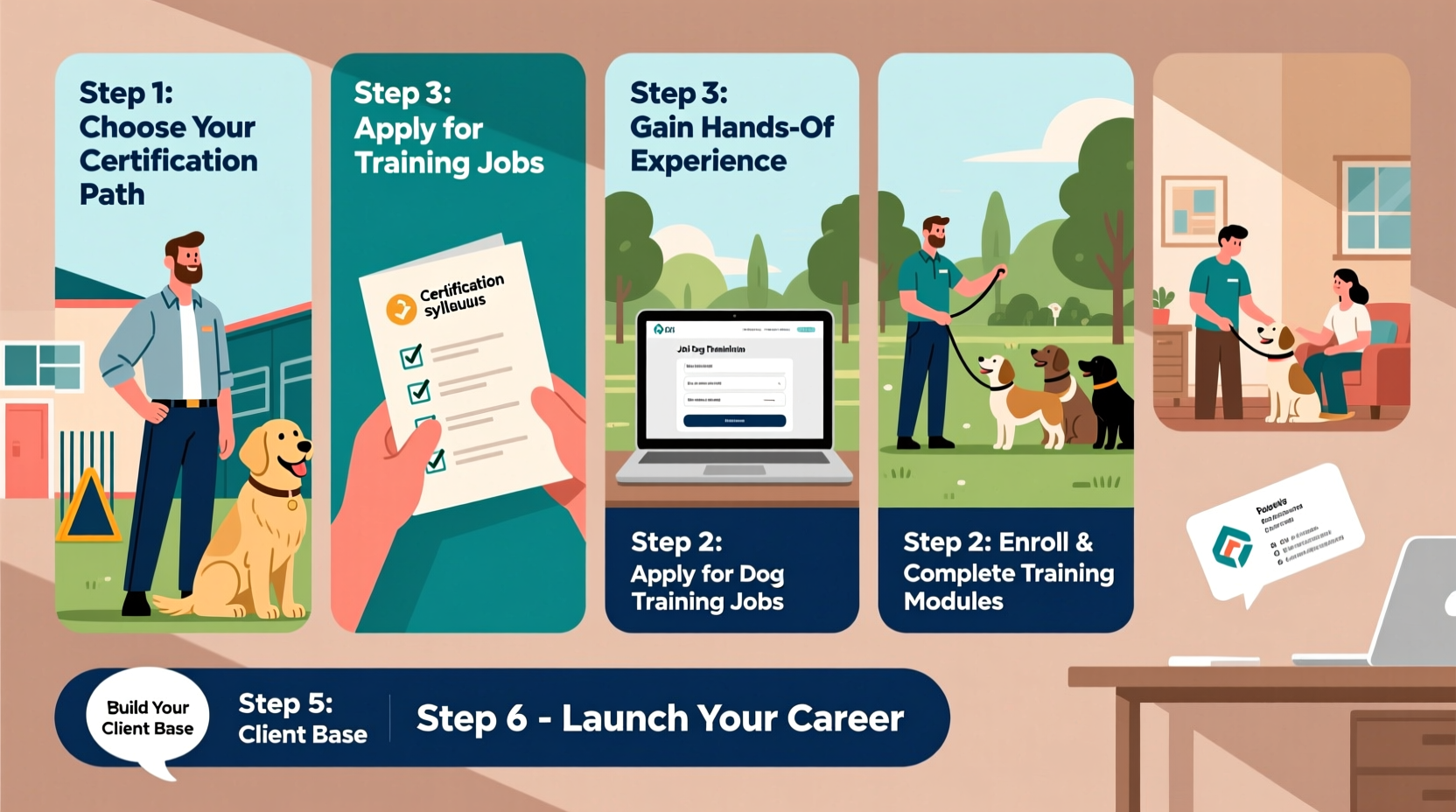
Dog training encompasses various specialties—basic obedience, behavioral modification (like aggression or anxiety), service dog preparation, agility, and puppy socialization. Before investing time and money, define your niche. Are you drawn to helping families manage unruly puppies? Or do you want to rehabilitate dogs with trauma-based behaviors?
Two primary paths exist: self-directed learning paired with mentorship, or enrolling in a structured program. While hands-on experience is invaluable, formal programs offer curriculum consistency, access to experts, and recognized credentials upon completion.
Step 2: Select a Reputable Certification Program
Not all certifications carry equal weight. Look for programs accredited by independent bodies such as the Certification Council for Professional Dog Trainers (CCPDT) or those endorsed by the Association of Professional Dog Trainers (APDT). These organizations emphasize force-free, science-based methods rooted in operant conditioning.
Popular certification options include:
- Karen Pryor Academy (KPA): Focuses on positive reinforcement and clicker training; includes mentorship and rigorous evaluation.
- Animal Behavior College (ABC): Offers hands-on externships and flexible pacing; ideal for career-changers.
- Dogs Today Academy / The Dogsmith: Emphasizes real-world application and business development alongside training skills.
- International Association of Animal Behavior Consultants (IAABC): Best for those interested in complex behavioral cases.
“Certification should reflect not only technical skill but also ethical standards. We look for trainers who prioritize animal welfare over quick fixes.” — Dr. Susan Friedman, Psychologist and Pioneer in Humane Animal Training
Step 3: Complete Required Education and Practical Hours
Most reputable programs require between 150 and 300 hours of hands-on training. This includes observing sessions, assisting certified trainers, conducting mock lessons, and working directly with dogs under supervision. Programs typically combine online coursework with in-person practicums.
Core topics covered include:
- Canine ethology (natural behavior patterns)
- Learning theory (positive/negative reinforcement, punishment)
- Lifecycle development (puppy vs. adult vs. senior needs)
- Body language interpretation
- Safety protocols around aggressive or fearful dogs
- Client communication and goal setting
Upon finishing coursework and logged hours, candidates must pass written exams and practical assessments. For example, KPA requires submitting video demonstrations of training sessions, evaluated by certified instructors.
Step 4: Obtain Certification and Build Professional Credibility
After passing your exam, you’ll receive a credential such as:
- CPDT-KA (Certified Professional Dog Trainer – Knowledge Assessed)
- KPA-CTP (Karen Pryor Academy Certified Training Partner)
- ABCDT (Associate Certified Dog Trainer) from IAABC
These designations can be listed on marketing materials, websites, and business licenses. Maintain your certification through continuing education—most require 10–20 hours every two years.
| Certification | Practical Hours Required | Exam Format | Renewal Cycle |
|---|---|---|---|
| CPDT-KA | 300 | Written + case studies | 2 years |
| KPA-CTP | 220+ | Video submission + written test | 2 years |
| IAABC ABCDT | 300 | Multiple choice + scenario-based | 3 years |
Step 5: Launch Your Dog Training Business
Earning your certification is just the beginning. To build a career, you need visibility, systems, and client trust. Start by defining your services:
- In-home private lessons ($75–$125/hour)
- Group obedience classes ($150–$300 per 6-week course)
- Puppy socialization workshops
- Behavioral consultation packages
Create a simple website highlighting your certification, philosophy, service area, and testimonials. Use platforms like Wix or Squarespace if you're not tech-savvy. Include clear contact information and a booking system via Calendly or Acuity.
Insurance is non-negotiable. Companies like Trupanion Pet Professionals or ASPCA Pro offer liability coverage specifically for trainers. Most public venues and referral partners will require proof of insurance before collaborating.
Real Example: From Shelter Volunteer to Successful Trainer
Marissa began volunteering at her local animal shelter after retiring from teaching. She noticed many dogs were overlooked due to minor behavioral issues. Inspired, she enrolled in the Animal Behavior College program, completing her 250-hour externship at the shelter itself. After earning her CPDT-KA, she launched “Second Chance Canines,” offering low-cost reactivity training for adopted dogs. Within 18 months, she grew to three part-time employees and partnered with two rescue organizations for subsidized programs. Her background in education helped her communicate clearly with clients, making her stand out in a crowded market.
Essential Launch Checklist
- ✅ Choose a specialization (e.g., obedience, fear recovery)
- ✅ Enroll in a respected certification program
- ✅ Complete required education and hands-on hours
- ✅ Pass certification exam and obtain official designation
- ✅ Purchase liability insurance
- ✅ Set up basic business infrastructure (website, booking, invoicing)
- ✅ Network with veterinarians, groomers, and shelters
- ✅ Offer introductory workshops or free community seminars
Frequently Asked Questions
How long does it take to become a certified dog trainer?
Most programs take 6 to 12 months to complete, depending on your pace and availability for hands-on hours. Fast-track options exist, but thorough training ensures better outcomes for both you and the dogs you work with.
Is online certification valid?
Yes—if the program includes verified practical components and is recognized by industry bodies like CCPDT or APDT. Avoid “instant” certifications with no hands-on requirement, as they lack credibility.
Can I make a living as a dog trainer?
Absolutely. Full-time trainers in urban areas often earn $50,000–$90,000 annually. Success depends on location, niche, marketing, and client retention. Adding group classes or online courses can significantly boost income.
Conclusion: Turn Passion Into Profession
Becoming a certified dog trainer blends compassion with science, patience with persistence. The journey begins with education, continues through practice, and evolves into a career built on trust and transformation—not just for dogs, but for their humans too. Whether you dream of running a bustling training center or offering personalized home visits, the path starts with one deliberate step: committing to excellence.




 浙公网安备
33010002000092号
浙公网安备
33010002000092号 浙B2-20120091-4
Comments
No comments yet. Why don't you start the discussion?