
High-end fashion accessories like crocodile pattern tote bags combine luxury with durability—when properly cared for. The textured surface mimics genuine exotic leather but still demands specialized attention to maintain its luster, shape, and finish. Unlike smooth leathers or canvas materials, embossed patterns trap dust and are more susceptible to cracking if cleaned incorrectly. This comprehensive guide walks you through every stage of care: from daily upkeep to seasonal preservation, ensuring your investment remains pristine for years.
Understanding the Material: Real vs. Synthetic Crocodile Finish
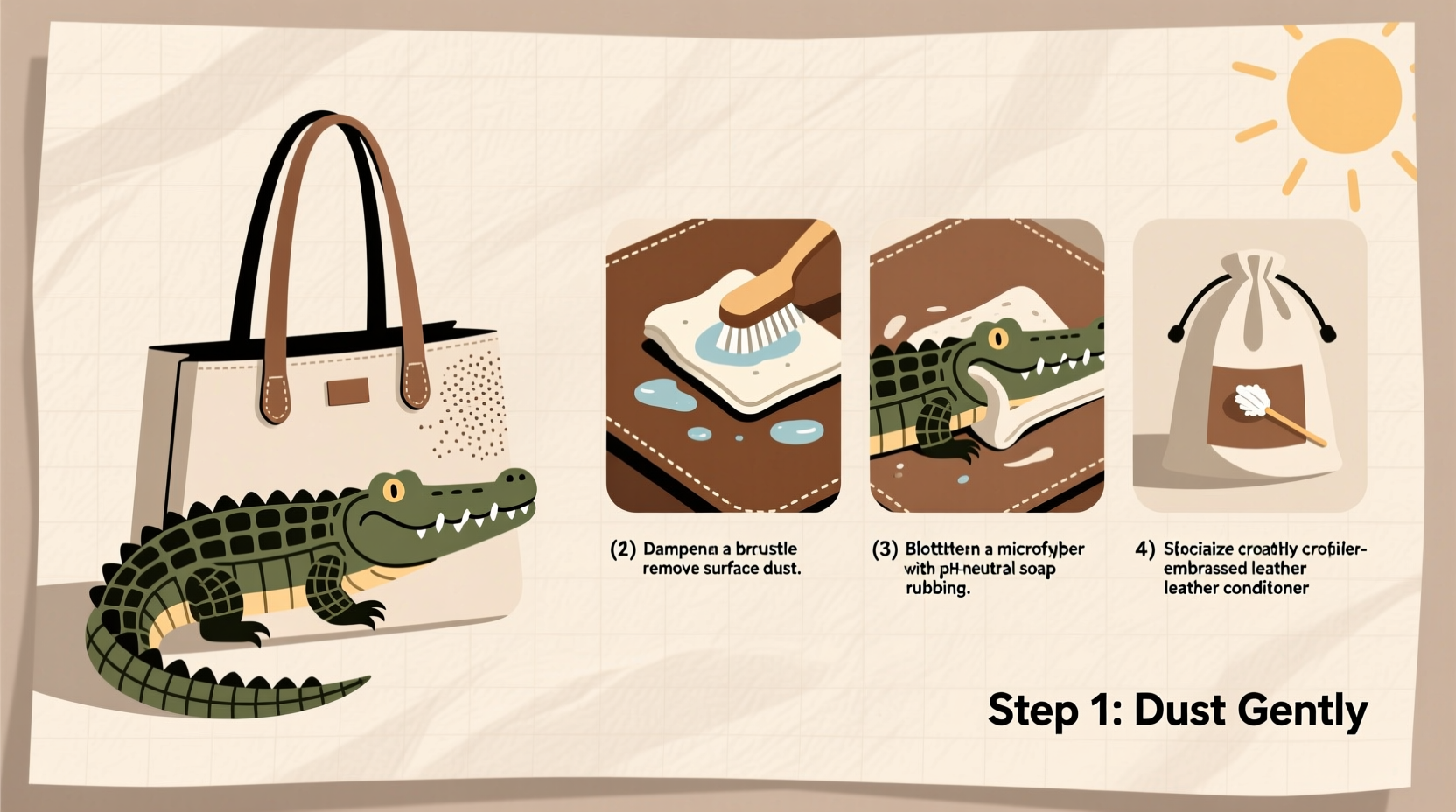
Crocodile pattern tote bags are typically made from either genuine leather embossed with a reptile texture or high-quality synthetic materials designed to replicate the look. While both offer visual appeal, their cleaning requirements differ slightly.
Genuine leather totes with crocodile patterning require conditioning to prevent drying and fissures in the raised grain. On the other hand, synthetic versions (often PU or PVC-based) resist moisture better but can degrade under heat or harsh solvents. Identifying your bag’s material is the first critical step before any cleaning begins.
Step-by-Step Cleaning Process
Maintaining a crocodile pattern tote requires a methodical approach. Follow this six-phase routine to deep clean without damaging the delicate embossing.
- Dry Dusting (Weekly): Use a soft-bristled brush or microfiber cloth to gently remove surface dust, focusing on the grooves of the pattern where debris accumulates.
- Vacuum Seams and Corners: With a handheld vacuum on low suction, lightly go over edges and stitching lines. Avoid pressing too hard to prevent warping the texture.
- Prepare Gentle Cleanser: For genuine leather, use a pH-balanced leather cleaner. For synthetic finishes, mix a few drops of mild dish soap with distilled water.
- Spot Test First: Apply a small amount of solution to a hidden area (like the interior base). Wait 10 minutes. If no discoloration or swelling occurs, proceed.
- Clean Surface Gently: Dampen a microfiber cloth (never soaking wet), wring thoroughly, and wipe in circular motions following the direction of the pattern. Do not scrub.
- Dry Naturally: Lay the bag flat in a well-ventilated room away from direct sunlight or heaters. Allow at least 6–8 hours to air dry completely.
After drying, assess whether conditioning is needed—especially for real leather variants.
Conditioning for Longevity
Leather loses natural oils over time, leading to stiffness and micro-cracks in textured surfaces. Conditioning replenishes moisture while protecting against future wear.
- Choose a non-greasy, color-safe leather conditioner.
- Apply sparingly with a lint-free cloth, massaging into the embossed surface in gentle strokes.
- Allow absorption for 20–30 minutes, then buff lightly with a dry cloth.
Frequency depends on usage: monthly for frequently used bags, quarterly for occasional ones.
Do’s and Don’ts: Best Practices Table
| Do’s | Don’ts |
|---|---|
| Store in a breathable cotton dust bag | Use plastic covers that trap moisture |
| Keep away from direct sunlight and heat sources | Leave the bag near radiators or car dashboards |
| Stuff with acid-free tissue paper to retain shape | Overstuff with heavy items regularly |
| Clean spills immediately with a dry cloth | Rub aggressively when removing stains |
| Rotate usage between multiple bags | Expose to rain or snow without protection |
“Consistent care and proper storage can double a bag’s lifespan.” — Emma Clarke, Fashion Care Expert
Real-Life Example: Reviving a Neglected Heirloom Bag
Sophia inherited her mother’s vintage crocodile-patterned tote from the early 2000s. Though stylish, it had been stored in a plastic bin for over a decade. Upon retrieval, the bag was stiff, discolored, and emitted a faint musty odor.
She began by airing it out for 48 hours in a shaded room. Using a soft brush, she removed surface grime. After confirming it was genuine embossed leather via a professional appraisal, she applied a specialized reptile leather cleaner followed by a nourishing balm. Over three weeks of bi-weekly light conditioning, the texture regained flexibility, and the shine returned. Today, it’s her signature accessory—proof that even neglected pieces can be restored with patience and correct technique.
Preservation Strategies for Seasonal Storage
When not in regular rotation, proper storage prevents deterioration. Follow this checklist before tucking your tote away:
- ✅ Clean and condition the bag thoroughly before storing.
- ✅ Line the interior with acid-free tissue to absorb residual moisture and support structure.
- ✅ Place inside a breathable cotton dust bag—never plastic.
- ✅ Store upright in a cool, dry closet with stable humidity (ideally 45–55%).
- ✅ Avoid stacking other items on top to prevent permanent creasing.
- ✅ Re-check every 6–8 weeks for mold, pests, or warping.
Humidity is a silent enemy. In damp climates, include silica gel packets (placed beside—not touching—the bag) to inhibit mold growth. In overly dry environments, a nearby humidifier helps prevent excessive leather dehydration.
Frequently Asked Questions
Can I use household wipes to clean my crocodile tote?
No. Most disinfectant or baby wipes contain alcohol, bleach, or citric compounds that strip protective coatings and cause discoloration. Stick to products specifically formulated for leather or synthetic luxury finishes.
What should I do if my bag gets wet?
Act quickly. Blot excess moisture with a dry, absorbent cloth. Never use a hairdryer or heater. Let it air dry at room temperature, reshaping gently as it dries. Once fully dry, assess whether conditioning is needed to restore suppleness.
How often should I professionally service my bag?
For frequently used luxury totes, consider professional cleaning and conditioning once a year. Experts can address internal lining wear, hardware polishing, and structural reinforcement that home care cannot manage.
Final Thoughts: Elevate Your Accessory Care Routine
A crocodile pattern tote bag isn’t just an accessory—it’s a statement of taste and craftsmanship. Its longevity hinges not on luck, but on deliberate, informed care. By integrating gentle cleaning, mindful storage, and preventive habits into your routine, you protect both aesthetic value and functional integrity. These steps may seem meticulous at first, but they quickly become second nature.




 浙公网安备
33010002000092号
浙公网安备
33010002000092号 浙B2-20120091-4
Comments
No comments yet. Why don't you start the discussion?