
Writing a check may seem like a straightforward task, but when transferring it to someone else—commonly known as \"writing a check over\"—the process requires extra care. Done incorrectly, the check could be rejected by the bank or even become a target for fraud. Whether you're reimbursing a friend, paying a contractor, or redirecting funds due to an error, understanding how to legally and securely endorse a check is essential. This guide walks you through each stage with clarity, practical advice, and expert-backed insights.
Understanding Check Endorsement: What It Means to Write a Check Over
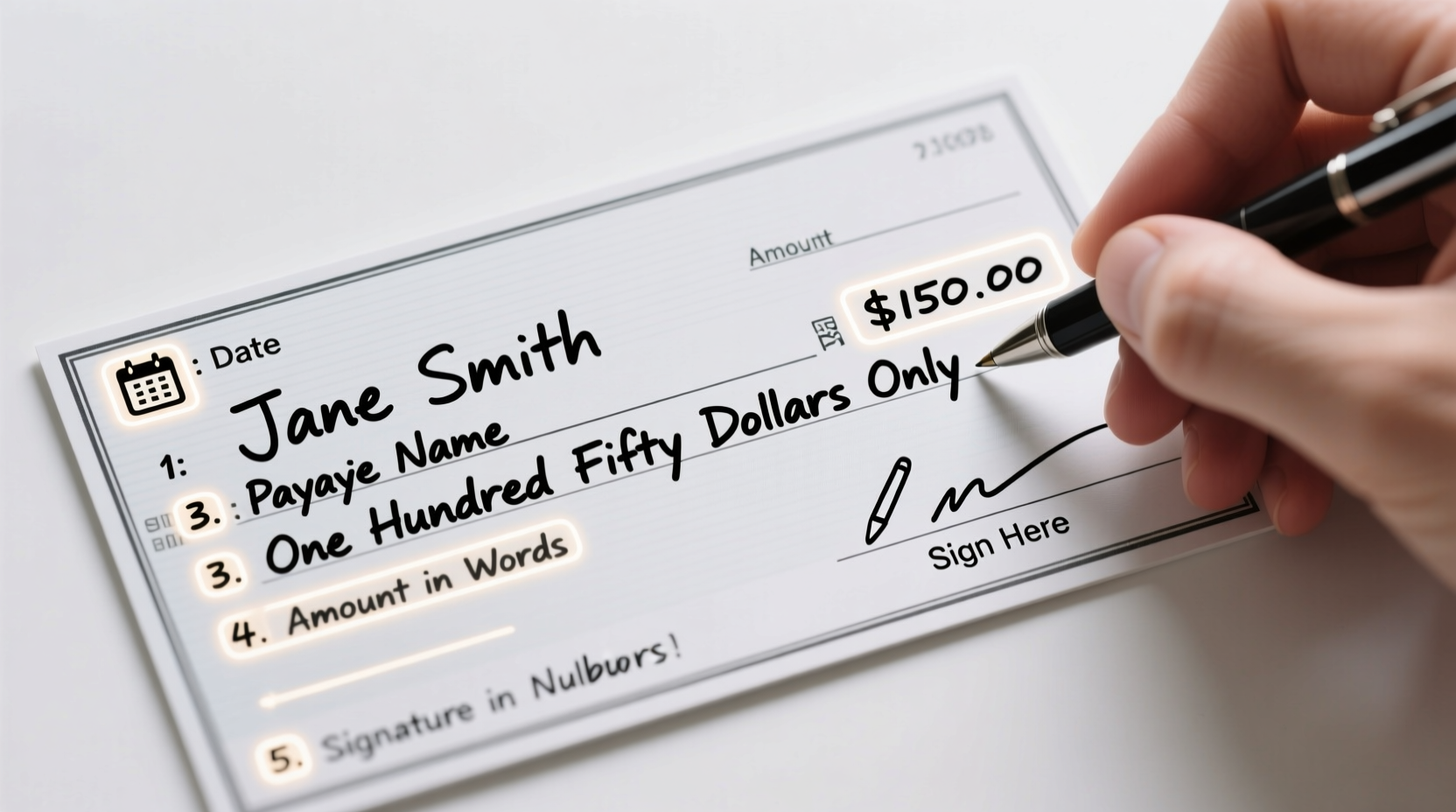
Writing a check over involves endorsing a check you’ve received so that another individual or entity can deposit or cash it. This is not the same as writing a new check from your account. Instead, it’s a transfer of rights to the funds described on the original check.
The key term here is endorsement. According to the Uniform Commercial Code (UCC), which governs negotiable instruments in the U.S., an endorsement transfers ownership of the check to another party. However, not all endorsements are equal. The type you use determines how secure the transaction is and whether banks will accept it.
Step-by-Step Process to Safely Transfer a Check
Follow these steps carefully to ensure the check is transferred correctly and securely:
- Verify the Original Check Details: Confirm the payee name, amount, date, and signature. If the check is made out to you, you’re eligible to endorse it.
- Flip the Check Over: Turn the check to the back where endorsement lines are located. Most checks have designated areas marked “Endorse Here.”
- Write “Pay to the Order of [Recipient’s Full Name]”: Below your signature line, clearly print the full legal name of the person receiving the check.
- Sign Your Name Exactly as It Appears on the Front: Use the same name format used by the original issuer. Avoid nicknames or abbreviations.
- Deliver the Check Securely: Hand it directly to the recipient or send it via tracked mail. Do not leave it unattended.
- Inform the Recipient: Let them know the check has been endorsed and provide any necessary context (e.g., purpose of payment).
This method, known as a full endorsement or special endorsement, gives the recipient the right to deposit or cash the check while minimizing risk of unauthorized use.
Types of Endorsements: Which One Should You Use?
Not all endorsements serve the same purpose. Choosing the right one affects security and usability.
| Type of Endorsement | Description | Best For | Risk Level |
|---|---|---|---|
| Blank Endorsement | Just your signature – turns the check into bearer paper | Depositing into your own account | High – easily stolen and cashed by anyone |
| Restrictive Endorsement | “For Deposit Only” + signature | Preventing third-party access | Low – limits use to your account |
| Special Endorsement | “Pay to the order of [Name]” + your signature | Transferring to a specific person | Medium – secure if done correctly |
| Conditional Endorsement | Includes terms like “Payment in full for services rendered” | Legal disputes or settlements | Variable – enforceability depends on bank policy |
For transferring a check to another person, a special endorsement is the most appropriate choice. It maintains control over who can cash the check while complying with banking standards.
Real-Life Example: How a Contractor Was Paid via Check Transfer
Mark received a $1,200 insurance reimbursement check made out to him for roof repairs. His contractor, Lisa, had already completed the work but didn’t accept electronic payments. Mark needed to transfer the check without visiting the bank himself.
He followed the special endorsement process: on the back of the check, he wrote “Pay to the order of Lisa Thompson” and signed his name below. He then called Lisa, informed her of the endorsement, and handed her the check in person. Lisa deposited it at her local credit union the next day. The transaction cleared within 48 hours, and both parties confirmed completion.
Had Mark simply signed the back without naming Lisa, the check could have been cashed by anyone who found it. By using a full special endorsement, he ensured only Lisa could claim the funds.
“Proper endorsement isn’t just about convenience—it’s a legal safeguard. A correctly written-over check reduces fraud risk and supports smoother financial transactions.” — James R. Holloway, Certified Financial Planner and Banking Consultant
Common Mistakes to Avoid When Writing a Check Over
- Signing Without Naming the New Payee: This creates a blank-check scenario, inviting misuse.
- Using Pencil or Erasable Ink: Banks may reject endorsements not made in permanent ink.
- Endorsing Multiple Checks Ahead of Time: Increases exposure if lost or stolen.
- Ignoring Bank Policies: Some institutions don’t accept third-party checks or place holds on them.
- Failing to Record the Transaction: Always log the transfer for your records, including date, amount, and recipient.
Checklist: Ensuring a Smooth and Secure Transfer
Use this checklist before finalizing the transfer:
- ✅ Confirm the original check is payable to you
- ✅ Verify the recipient’s full legal name
- ✅ Flip the check and locate the endorsement area
- ✅ Print “Pay to the order of [Full Name]” clearly
- ✅ Sign exactly as your name appears on the front
- ✅ Use black or blue permanent ink
- ✅ Deliver the check securely to the recipient
- ✅ Keep a record of the transaction (date, amount, purpose)
- ✅ Follow up to confirm deposit or cashing
Frequently Asked Questions
Can I write a check over to someone if it’s already endorsed?
Yes, but only if the first endorsement is a blank one (just a signature). If it says “For Deposit Only,” it cannot be transferred. Each subsequent transfer weakens the check’s validity, and many banks refuse multiple endorsements.
Will banks accept a check written over to another person?
It depends on the institution. Major banks like Chase or Bank of America often accept third-party checks with proper special endorsement, but they may place a hold on funds for up to 10 business days. Credit unions and smaller banks are more likely to reject them outright. Always check with the recipient’s bank first.
Is it safe to mail a check that’s been written over?
Mailing is acceptable if done securely. Use USPS Registered Mail or a tracked courier service. Include no identifying information in the envelope, and consider notifying the recipient once sent. Avoid standard untracked mail due to loss or theft risks.
Final Thoughts: Responsibility Meets Practicality
Transferring a check to another person is a practical solution in many personal and small business scenarios. However, it comes with responsibility. A properly endorsed check protects both parties—ensuring the rightful recipient accesses the funds while minimizing opportunities for fraud.
By following the correct procedure, using special endorsement, avoiding common pitfalls, and maintaining clear records, you uphold financial integrity and trust. In an age of digital payments, checks still play a role, especially in situations where electronic options aren’t available or preferred.




 浙公网安备
33010002000092号
浙公网安备
33010002000092号 浙B2-20120091-4
Comments
No comments yet. Why don't you start the discussion?