
Replacing a scratched or cracked watch crystal doesn’t require a trip to the jeweler or a hefty repair bill. With the right tools and a steady hand, you can replace your watch glass at home and restore your timepiece to pristine condition. This comprehensive guide walks you through every stage—from identifying your watch type to reassembling it with confidence. Whether you own a vintage heirloom or a modern automatic, mastering this skill preserves both function and value.
Understanding Watch Glass Types and Compatibility
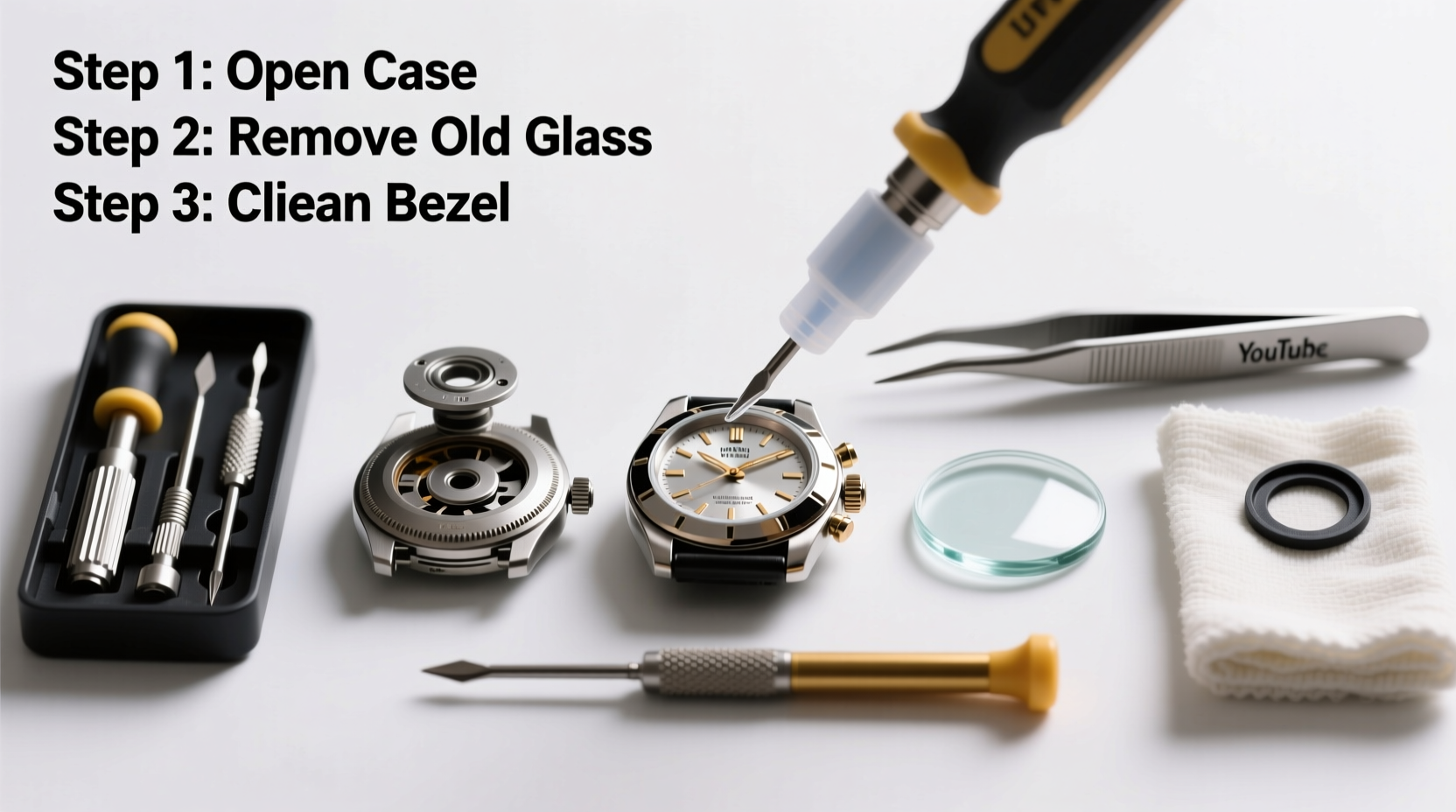
Not all watch crystals are created equal. The type of glass used affects how you remove and install it. The three most common types are acrylic, mineral, and sapphire. Each has distinct characteristics that influence durability, clarity, and replacement method.
| Type | Pros | Cons | Best For |
|---|---|---|---|
| Acrylic | Scratch-resistant coating available, affordable, easy to shape | Scratches easily, prone to fogging | Vintage watches, budget models |
| Mineral | Better scratch resistance than acrylic, cost-effective | Can shatter under impact, moderate clarity | Everyday wear watches |
| Sapphire | Highly scratch-resistant, crystal-clear finish | Expensive, brittle under sharp impact | Luxury and dive watches |
Before ordering a replacement, verify the exact model number of your watch and consult the manufacturer’s specifications. Using an incompatible crystal can compromise water resistance and aesthetics. Some watches use flat crystals, while others require domed or curved variants. Measure thickness and diameter carefully, ideally with digital calipers.
Essential Tools and Materials
Success depends on preparation. A proper toolkit ensures precision and prevents damage to delicate components. Here’s what you’ll need:
- Case back opener (depending on your case type: snap-off, screw-down, or tool-free)
- Crystal lift tool or plastic pry tool
- Watch press (for compression-fit crystals) or crystal removal tool
- Digital calipers (to measure crystal dimensions)
- Cleaning brushes and lint-free cloths
- Tweezers (non-magnetic)
- Pressure tester (optional but recommended for water-resistant models)
- New gasket (if applicable)
- Replacement crystal (exact match in size, shape, and material)
Investing in a basic watchmaker’s toolkit pays off over time. Avoid using metal tools directly on the case or bezel—plastic or nylon tools prevent scratches.
“Precision is everything in watch maintenance. Rushing without the right tools often leads to costly mistakes.” — Daniel Reyes, Master Watchmaker at Timecraft Horology
Step-by-Step Replacement Process
Follow these steps carefully to replace your watch glass safely and effectively.
- Power Down the Watch: If your watch is quartz, remove the battery first to avoid accidental short circuits. For mechanical watches, ensure it’s not fully wound to reduce tension.
- Remove the Case Back: Use the appropriate tool to open the case back. Snap-back cases require a gentle prying motion; screw-backs need a case wrench. Work over a soft surface to catch small parts.
- Evaluate the Crystal Type: Determine if the crystal is press-fit, screwed-in, or seated with a bezel. Press-fit crystals are common in older or mid-range watches and require a watch press for installation.
- Remove the Old Crystal: For press-fit models, use a crystal lift tool to gently separate the glass from the case. Apply even pressure to avoid cracking the case. If a bezel holds the crystal, unscrew it carefully using a bezel remover tool.
- Clean the Case Seat: Once the old crystal is out, inspect the seating area. Remove any debris, old adhesive, or damaged gasket using a wooden or plastic pick. Wipe with a lightly dampened lint-free cloth and let dry completely.
- Install the New Gasket (if needed): Replace the old gasket with a new one of identical size. Lubricate slightly with silicone grease to ensure a watertight seal.
- Position the New Crystal: Align the replacement crystal precisely over the case opening. Ensure it sits flush and centered before applying pressure.
- Press the Crystal Into Place: Use a watch press with the correct adapter to apply even force. Do not hammer or improvise—uneven pressure can crack the crystal or distort the case. For bezel-mounted crystals, tighten the bezel evenly in a star pattern to avoid warping.
- Reassemble the Watch: Replace the case back, ensuring the gasket is properly seated. For screw-down backs, tighten securely but do not over-torque. Reinsert the battery if removed.
- Test for Functionality and Sealing: Check that the hands move freely and the crown operates normally. If possible, test water resistance with a pressure tester before wearing the watch near water.
Common Mistakes to Avoid
Even experienced hobbyists make errors when replacing watch crystals. Steering clear of these pitfalls ensures a smooth process:
- Using excessive force: Never use pliers or screwdrivers to pry out a crystal. You risk damaging the case or scratching the dial.
- Skipping the gasket replacement: Old or compressed gaskets compromise water resistance. Always replace them during reassembly.
- Misaligning the crystal: An off-center fit looks unprofessional and may affect sealing. Double-check alignment before pressing.
- Ignoring dust control: Work in a clean, low-dust environment. Tiny particles trapped under the crystal become visible and distracting.
Real-World Example: Restoring a Vintage Timex
Mark, a watch enthusiast from Portland, inherited his grandfather’s 1965 Timex Marlin. The acrylic crystal was deeply scratched, making the dial hard to read. After researching online, he ordered a $12 replacement crystal matching the 32mm domed specification. Using a case knife and plastic tweezers, he gently pried out the old glass, cleaned the seat, and pressed in the new crystal using a DIY press made from a socket wrench and wood block. He replaced the aging case gasket and resealed the watch. The result? A fully restored vintage piece that now runs flawlessly and looks decades younger.
This example shows that with patience and attention to detail, even non-professionals can achieve professional-level results.
Frequently Asked Questions
Can I replace a sapphire crystal at home?
Yes, but it requires extra care. Sapphire is brittle and expensive. Use a proper watch press and avoid lateral pressure. Due to cost and precision needs, some opt to have sapphire crystals installed by professionals.
How long does it take to replace a watch crystal?
For beginners, allow 45–60 minutes. Experienced users can complete the process in 20–30 minutes. Time varies based on case complexity and tool familiarity.
Will replacing the crystal void my warranty?
Opening the case usually voids manufacturer warranties. If your watch is under warranty, contact the brand first. Otherwise, home replacement is a cost-effective alternative.
Final Checklist Before You Begin
- Identify your watch model and crystal type
- Purchase the correct replacement crystal and gasket
- Gather all necessary tools
- Work in a clean, well-lit area
- Take photos during disassembly for reference
- Handle internal components with non-magnetic tweezers
- Double-check alignment before pressing
- Test functionality and sealing after reassembly
Master the Craft, Save the Timepiece
Replacing a watch crystal at home is more than a fix—it’s a step toward understanding and respecting the craftsmanship behind your timepiece. With the right knowledge and tools, you preserve not just the function of your watch, but its legacy. Whether you’re restoring a family heirloom or upgrading a daily wearer, this skill empowers you to maintain your collection with confidence. Don’t let a scratched crystal diminish your watch’s charm. Take control, follow these steps, and wear your timepiece with pride.




 浙公网安备
33010002000092号
浙公网安备
33010002000092号 浙B2-20120091-4
Comments
No comments yet. Why don't you start the discussion?