
Buying a credit card online isn’t about purchasing plastic—it’s about securing access to financial tools that can enhance your spending power, build credit, and deliver valuable rewards. The right credit card, chosen wisely and used responsibly, can save you hundreds of dollars annually through cashback, travel points, and low introductory rates. But with scams, data breaches, and misleading offers rampant, the process must be approached with caution and strategy.
This guide walks you through every phase: from identifying legitimate issuers to activating fraud protection, choosing optimal rewards, and avoiding costly pitfalls. Whether you're building credit or optimizing travel perks, this is how to do it securely and profitably.
Step 1: Understand What “Buying” a Credit Card Really Means
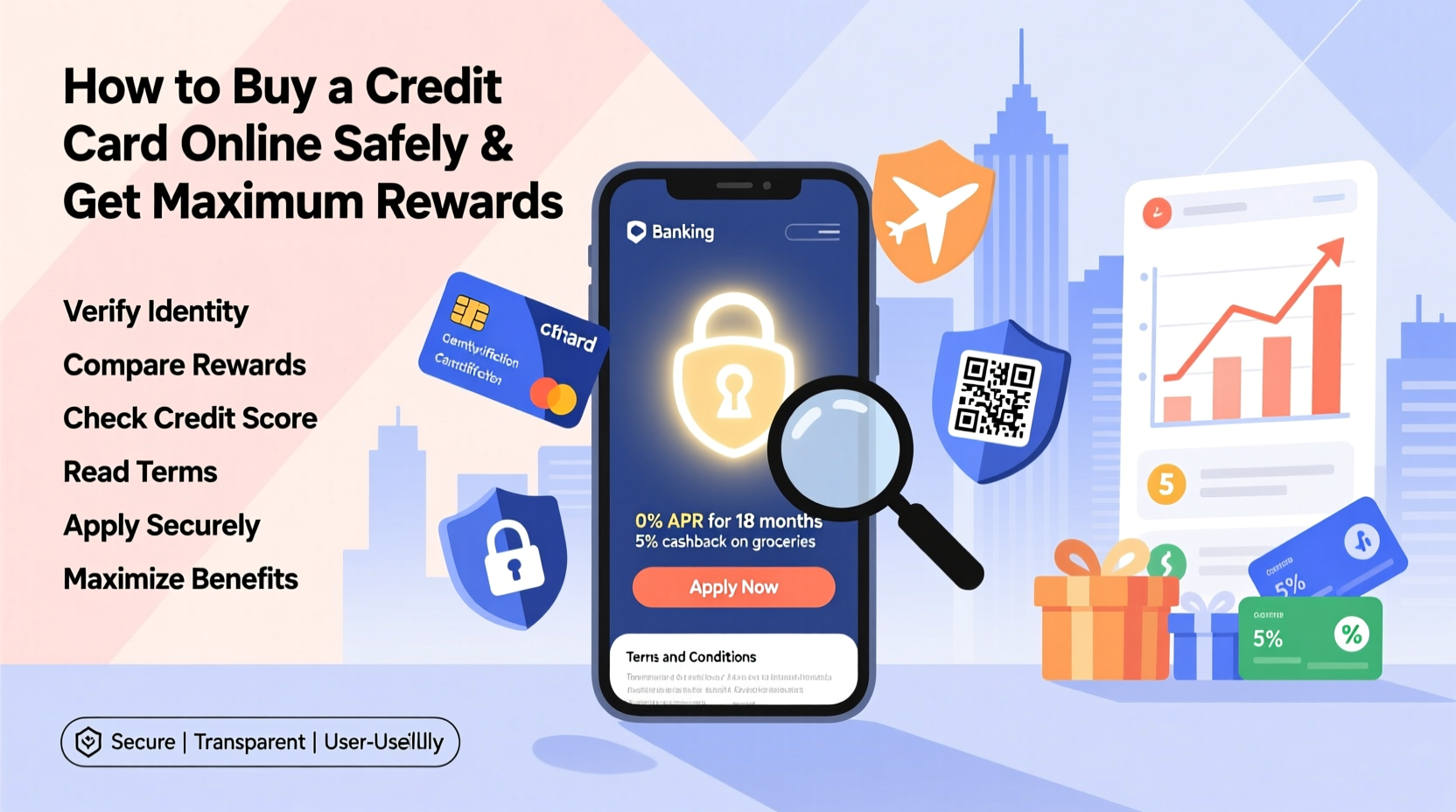
The term \"buying a credit card\" is often misunderstood. You don't purchase the card itself—you apply for a line of credit issued by a bank or financial institution. When approved, you gain access to borrowing power, subject to interest and repayment terms. What you *can* buy—safely and legally—are premium cards with enhanced benefits, sometimes via third-party marketplaces or transfer platforms (e.g., balance transfer cards or business cards with signup bonuses).
However, never pay anyone directly for a credit card application. Legitimate banks never charge upfront fees for issuing credit cards. If a site demands payment just to apply, it’s a scam.
Step 2: Research and Compare Cards Securely
Not all credit cards are created equal. Some offer 0% intro APR, others boast high cashback on groceries, and premium travel cards come with airport lounge access. Choosing the wrong one wastes opportunities—and risks debt if terms don’t align with your habits.
Start by assessing your financial goals:
- Do you carry balances? Look for low-interest cards.
- Do you travel frequently? Prioritize airline miles or hotel points.
- Are you building credit? Consider secured cards with reporting features.
“Choosing a card based solely on signup bonuses without considering annual fees or ongoing rewards is like buying a luxury car without checking fuel costs.” — Laura Simmons, Certified Financial Planner
Comparison Table: Top Card Types and Key Features
| Card Type | Rewards Structure | Best For | Annual Fee | Security Tip |
|---|---|---|---|---|
| Cashback | 1–5% on purchases | Daily spending | $0–$95 | Use only on cards with no foreign transaction fees if traveling |
| Travel Rewards | Miles/points per dollar | Frequent flyers | $95–$550 | Check airline alliance compatibility before applying |
| Balance Transfer | 0% intro APR (12–21 months) | Debt consolidation | $0–$100 | Pay off balance before intro period ends |
| Secured | None or minimal | Credit building | $25–$50 | Ensure issuer reports to all three credit bureaus |
Step 3: Apply Safely Using Secure Channels
When applying online, your personal information—including Social Security number, income, and employment details—is highly sensitive. Use only encrypted connections and verified domains.
Secure Application Checklist
- Confirm the URL begins with
https://and displays a padlock icon. - Apply only on the official website of the issuer (e.g., discover.com, not discover-card-offer.net).
- Use a private device—avoid public Wi-Fi or shared computers.
- Enable two-factor authentication (2FA) if available during account setup.
- Never share your application link or pre-approval code with others.
Pre-qualified offers from issuers are helpful because they use soft credit checks, which don’t impact your score. These appear via mail, email, or on sites like Credit Karma. But even then, finalize applications only on the issuer’s secure portal.
Step 4: Activate Fraud Protection and Monitor Activity
Once approved, activate your card immediately. Most issuers allow activation via mobile app, website, or phone call. Delayed activation increases the risk of unauthorized use.
After activation, take these steps:
- Set up transaction alerts for purchases over $1.
- Download the issuer’s app to lock/unlock the card instantly.
- Review monthly statements manually—even small charges could indicate testing fraud.
- Enroll in free credit monitoring services like Experian or IdentityForce.
Consider using virtual card numbers for online subscriptions. Services like Capital One Eno or Citi Virtual Account Numbers generate one-time-use card details, shielding your real account.
Step 5: Maximize Benefits Without Overspending
Benefits are only valuable if they outweigh costs. A $550 annual fee card isn’t worth it unless you redeem at least $700 in travel perks. Here’s how to extract maximum value:
Strategies to Maximize Rewards
- Leverage bonus categories: Use a card offering 5x points at grocery stores only for those purchases.
- Meet minimum spend smartly: Many cards require $3,000 spent in 3 months for a 60,000-point bonus. Plan large but necessary expenses (car maintenance, insurance) during this window.
- Stack with shopping portals: American Express Offers or Chase Ultimate Rewards portals add extra points when you click through before buying.
- Redeem strategically: Transfer points to airline partners instead of using them for gift cards—they’re often worth 2–3x more.
“People earn tens of thousands of miles a year just by redirecting existing spending. No lifestyle change needed—just smarter allocation.” — Mark Delgado, Travel Hacker & Author of *The Points Guy*
Mini Case Study: Sarah’s Smart Card Strategy
Sarah, a freelance designer, wanted to travel more without increasing her budget. She applied for a travel rewards card offering 60,000 bonus miles after $4,000 spent in 90 days. Instead of overspending, she shifted her regular expenses: web hosting, software subscriptions, and client lunches went onto the new card. She hit the threshold in 10 weeks and earned a round-trip flight to Europe. By paying the balance in full each month, she avoided interest and built her credit score from 680 to 740 in a year.
Common Mistakes to Avoid
Even savvy users fall into traps. Watch out for:
- Paying annual fees without using perks: Airport lounge access is useless if you fly twice a year.
- Ignoring foreign transaction fees: A 3% fee on a $2,000 trip adds $60—easily wiping out a year’s cashback.
- Carrying balances on reward cards: High APRs (often 20%+) erase any benefit from 2% cashback.
- Applying too frequently: Multiple hard inquiries in a short span can lower your credit score.
FAQ
Can I really get a credit card entirely online?
Yes. Most major issuers issue virtual cards instantly upon approval, with physical cards mailed within 7–10 business days. The entire process—from application to activation—can be completed online securely.
Are no-credit-check credit cards safe to buy online?
Be cautious. True credit cards always involve some form of credit check. “No-credit-check” offers are often prepaid debit cards, which don’t help build credit. Stick to secured cards if you have limited credit history.
What should I do if my card application is denied?
You’re entitled to a free reason from the issuer. Common causes include low credit score, high debt-to-income ratio, or recent inquiries. Wait 3–6 months, improve your credit, and reapply. Avoid submitting multiple applications at once.
Conclusion
Selecting and activating a credit card online can be fast, secure, and highly rewarding—if done with knowledge and discipline. From verifying issuer legitimacy to aligning rewards with your spending patterns, each step protects your finances while unlocking real value. The best card isn’t the one with the flashiest bonus—it’s the one you use wisely, pay on time, and leverage without exceeding your means.




 浙公网安备
33010002000092号
浙公网安备
33010002000092号 浙B2-20120091-4
Comments
No comments yet. Why don't you start the discussion?