
Constipation affects millions of people worldwide, often leading to discomfort, bloating, and difficulty passing stool. While dietary changes, hydration, and exercise are first-line solutions, some individuals require additional relief. A Fleet enema—a saline-based rectal solution—can provide fast-acting results when used correctly. Administering one at home is safe and effective if done with care, hygiene, and awareness of contraindications.
This guide walks you through the entire process—from preparation to post-use care—with expert-backed recommendations to ensure safety and comfort.
Understanding How a Fleet Enema Works
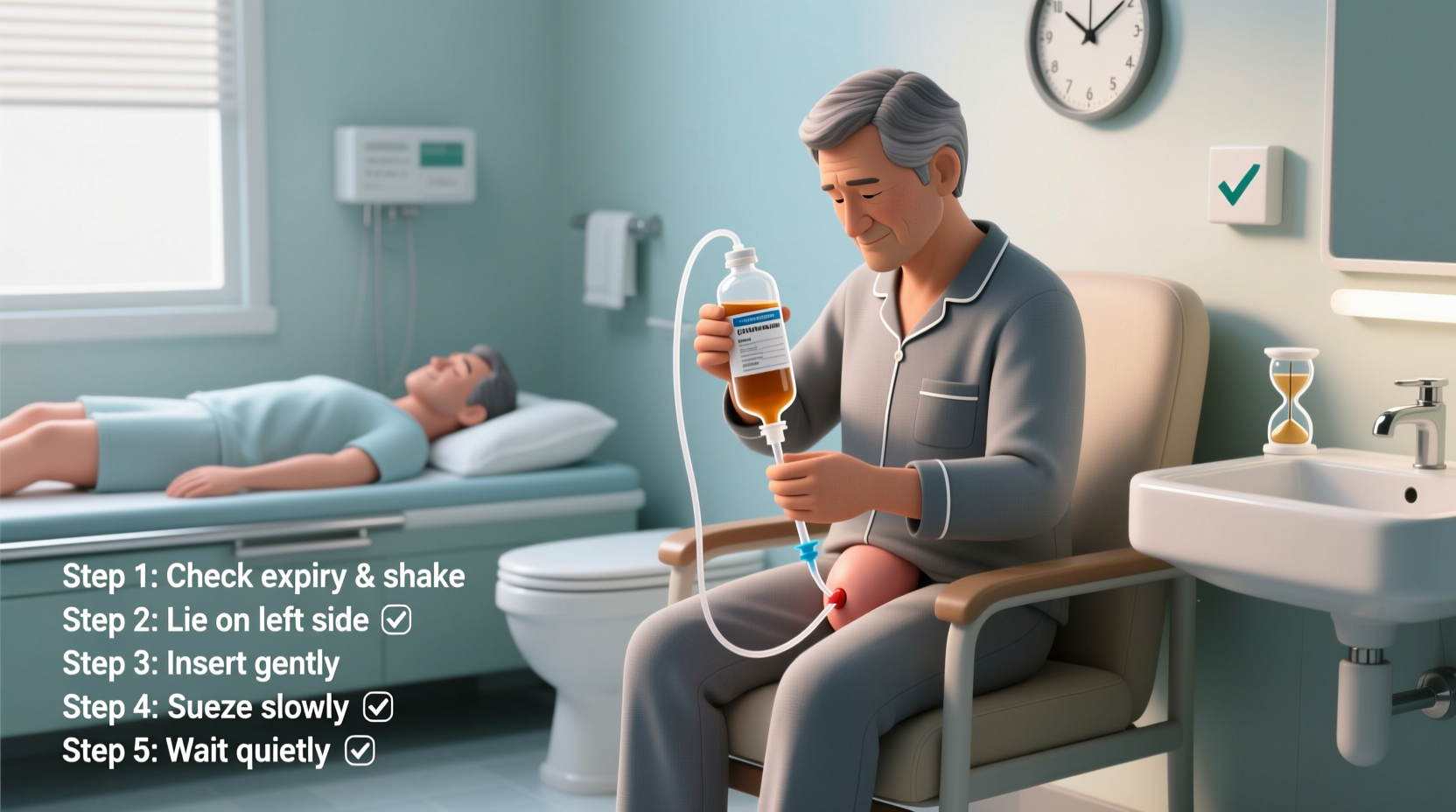
Fleet enemas contain sodium phosphate, a hyperosmotic agent that draws water into the colon from surrounding tissues. This influx softens hardened stool and stimulates bowel contractions, typically resulting in evacuation within 1–5 minutes after administration.
They are designed for occasional use only—generally no more than once every three days—and are not intended for long-term management of constipation. Overuse can disrupt electrolyte balance, particularly in older adults or those with kidney conditions.
“Enemas are effective for immediate relief but should never replace evaluation for chronic constipation.” — Dr. Lena Torres, Gastroenterology Specialist
When to Use a Fleet Enema: Indications and Warnings
Using an enema is appropriate when experiencing:
- Infrequent bowel movements (fewer than three per week)
- Hard, dry stools that are difficult to pass
- Bloating and abdominal pressure due to retained stool
- Preparation for certain medical procedures (as advised by a physician)
However, avoid using a Fleet enema if you have:
- Severe abdominal pain of unknown origin
- Nausea or vomiting
- Rectal bleeding or recent surgery
- Kidney disease or heart failure
- Allergy to any ingredient in the solution
Step-by-Step Guide to Safe Self-Administration
Follow these steps carefully to administer a Fleet enema safely and comfortably at home.
- Gather Supplies: One Fleet enema bottle, disposable gloves, lubricant (water-soluble), clean towel, and access to a bathroom.
- Choose a Quiet Time: Allow at least 30 minutes without interruptions. The effect usually begins within minutes.
- Wash Hands Thoroughly: Use soap and warm water to prevent introducing bacteria.
- Position Yourself: Lie on your left side with knees bent toward your chest (fetal position). This aligns the rectum with the sigmoid colon, easing insertion.
- Prepare the Enema Bottle: Remove the cap from the nozzle. Do not squeeze the bottle yet.
- Apply Lubricant: Generously coat the tip of the nozzle with lubricant to reduce friction and discomfort.
- Insert Gently: With one hand holding your buttocks apart, slowly insert the tip about 1–2 inches into the rectum. Do not force it.
- Squeeze Slowly: Compress the bottle steadily, allowing the liquid to flow in. If cramping occurs, pause briefly before continuing.
- Remove and Retain: Once empty, withdraw the nozzle and remain lying down. Try to hold the solution for 1–5 minutes, if possible.
- Use the Toilet: When the urge becomes strong, move to the toilet. Expect evacuation shortly after standing.
“Taking slow, deep breaths during insertion helps relax the anal sphincter and reduces discomfort.” — Nurse Practitioner Marcus Lee, Digestive Health Clinic
Do’s and Don’ts: Best Practices Summary
| Do’s | Don’ts |
|---|---|
| Use only as directed—once every 24 hours maximum | Use more than one enema in 24 hours unless directed by a doctor |
| Lie still and retain the solution as long as comfortable | Administer while standing or sitting upright |
| Use water-based lubricant to ease insertion | Force the nozzle if resistance is felt |
| Wash hands and maintain cleanliness | Reuse enema bottles or share them with others |
| Stay hydrated afterward to support recovery | Ignore signs like dizziness, rectal pain, or bleeding |
Realistic Example: Maria’s Experience
Maria, a 58-year-old office worker, had been struggling with constipation for over a week despite increasing her fiber intake and drinking more water. She felt bloated and uncomfortable, and laxatives hadn’t provided full relief. After consulting her pharmacist, she decided to try a Fleet enema at home.
She followed the instructions precisely: prepared her bathroom space, used gloves and lubricant, and positioned herself on her left side. Insertion was slightly uncomfortable at first, but breathing deeply helped. She held the solution for about three minutes before moving to the toilet. Within moments, she experienced complete evacuation and immediate relief.
She noted that preparation and mental readiness made a big difference. “I thought it would be messy or painful,” she said later. “But going slow and staying calm made it manageable.”
Post-Use Care and Monitoring
After using a Fleet enema, monitor your body’s response. Mild cramping during and immediately after administration is normal. However, persistent pain, rectal bleeding, dizziness, or nausea should prompt immediate medical attention.
Rehydrate with clear fluids like water or broth. Avoid caffeine and alcohol, which can dehydrate. Resume normal activities only when you feel stable.
If bowel movement does not occur within 10–15 minutes of administration, do not repeat the dose. Instead, contact a healthcare provider. Repeated dosing increases the risk of electrolyte imbalances, including elevated phosphate levels and low calcium, especially in older adults.
Frequently Asked Questions
Can I use a Fleet enema every day?
No. Daily use is unsafe and can lead to dependency, dehydration, or electrolyte disturbances. Limit use to once every 24 hours and no more than three times consecutively without medical advice.
Is it normal to feel cramping?
Yes. Mild to moderate cramping is common as the colon contracts in response to the fluid. It usually subsides quickly after evacuation. Severe or worsening pain is not normal and requires evaluation.
What should I do if nothing happens after using the enema?
If you don’t have a bowel movement within 10–15 minutes, do not administer another. Instead, drink water and try gentle movement like walking. If there’s still no result or you experience bloating and pain, seek medical guidance.
Final Checklist Before Use
- ☑ Read the label and check expiration date
- ☑ Confirm no contraindications apply (e.g., abdominal pain, kidney issues)
- ☑ Have gloves, lubricant, and towels ready
- ☑ Choose a private, accessible bathroom location
- ☑ Plan for 30 minutes of uninterrupted time
- ☑ Know when to stop and seek help
Conclusion: Take Control with Confidence and Caution
Using a Fleet enema at home can offer quick, effective relief from constipation when done correctly. By understanding the mechanism, respecting usage limits, and following proper procedure, you minimize risks and maximize comfort. Preparation, patience, and self-awareness are key.
Remember, while enemas are helpful occasionally, they are not a substitute for addressing root causes of constipation. Long-term solutions include balanced diet, regular physical activity, adequate hydration, and timely medical consultation when symptoms persist.




 浙公网安备
33010002000092号
浙公网安备
33010002000092号 浙B2-20120091-4
Comments
No comments yet. Why don't you start the discussion?