
Selling books on Amazon has become one of the most accessible ways for individuals to launch an online business with minimal upfront investment. Whether you're clearing out old books or building a side hustle, Amazon’s vast marketplace offers unparalleled reach. However, success doesn’t come from simply listing books—it requires strategy, research, and consistent optimization. This guide walks through every essential step, from account setup to profit maximization, so you can start earning confidently.
Step 1: Set Up Your Amazon Seller Account
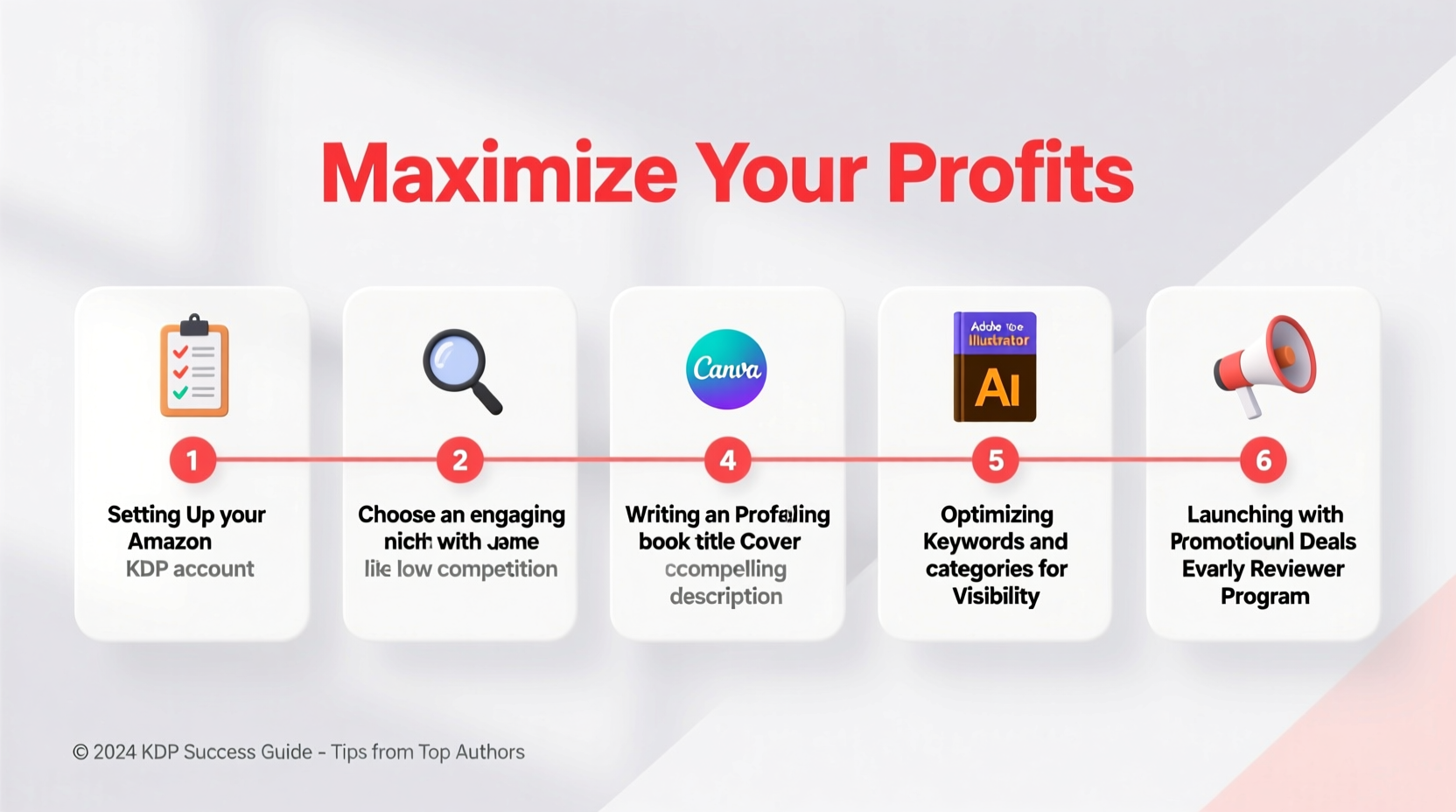
The foundation of selling on Amazon begins with choosing the right seller plan. Amazon offers two options: Individual and Professional. The Individual plan costs $0.99 per sale but lacks bulk tools and reporting features. The Professional plan costs $39.99 per month, regardless of sales volume, and unlocks access to inventory management, API integration, and advanced analytics—essential for scaling.
For beginners planning to list more than 40 books per month, the Professional plan is cost-effective. To sign up:
- Visit sellercentral.amazon.com.
- Select “Individual” or “Professional” based on your expected volume.
- Provide personal or business information, including tax details.
- Verify your identity and payment method.
Step 2: Source Books Strategically
Profitability hinges on sourcing books at a discount. The key is finding undervalued inventory that sells well on Amazon. Common sourcing channels include:
- Thrift stores – Often priced under $1, ideal for textbooks, rare editions, or collectibles.
- Estate sales – Large collections may be sold in bulk at low prices.
- Library sales – Libraries frequently sell withdrawn books to raise funds.
- Online arbitrage – Resell books from retail sites like Walmart or Target if they’re priced below Amazon’s market value.
Focus on categories with high demand: academic textbooks, self-help, business, cookbooks, and niche fiction (e.g., signed first editions). Avoid mass-market paperbacks unless they’re bestsellers in good condition.
“Sourcing isn’t about buying any book—it’s about identifying hidden value others overlook.” — James Reed, Amazon FBA Consultant
Step 3: Research Profitability Before Listing
Not all books sell. Before purchasing or listing, use Amazon’s search bar or third-party tools to analyze demand and competition. Key metrics to check:
- Sales Rank – Found under “Product Information,” lower numbers mean higher sales velocity. Books ranked under 500,000 typically sell within weeks.
- Buy Box Price – The current lowest price for new or used copies. Aim for at least a 30% markup after fees.
- Fulfillment Method – Decide whether to fulfill orders yourself (FBM) or use Amazon’s fulfillment (FBA).
| Metric | Target for Profitability | Tool to Check |
|---|---|---|
| Sales Rank | Below 500,000 | Amazon Product Page |
| Used Price (Good Condition) | Above $10 | Keepa or CamelCamelCamel |
| New Price | At least 3x your cost | Amazon Search |
| Number of Sellers | Under 10 (for used) | Seller Dashboard |
Step 4: List Books Accurately and Optimize Visibility
An accurate listing increases buyer trust and reduces returns. When creating a listing, ensure:
- The ISBN, title, author, edition, and publication date match exactly.
- You select the correct condition (Acceptable, Good, Very Good, Like New).
- You upload clear photos if required (especially for collectible editions).
- You include relevant keywords in the notes section (e.g., “instructor’s edition,” “with CD,” “no writing”).
If the book already exists on Amazon, search by ISBN to avoid creating duplicates. If it doesn’t exist, create a new listing—but only if you’re certain it’s not listed under a different format (e.g., paperback vs. hardcover).
Fulfillment: FBA vs. FBM
Fulfillment by Amazon (FBA) means shipping your books to Amazon warehouses. They handle storage, packing, shipping, and customer service. Benefits include Prime eligibility and higher conversion rates. However, fees are higher, especially for lightweight items like books.
Fulfillment by Merchant (FBM) means you store and ship books yourself. You save on storage and long-term fees, but must process orders within 24 hours and provide tracking.
For beginners, FBM is often better for testing demand. Once volume grows, consider FBA for faster scaling.
Step 5: Maximize Profits with Smart Pricing and Reinvestment
Profit isn’t just about sales—it’s about margins. After each sale, calculate net profit by subtracting Amazon fees, shipping, and sourcing costs. Typical deductions include:
- Referral fee: 15% of sale price
- Fixed closing fee: $1.80 per book (used)
- Shipping and handling (if FBM)
- Storage and weight-based fees (if FBA)
To increase profitability:
- Reprice dynamically – Use tools like Amazon’s Automated Pricing or third-party software to stay competitive without sacrificing margin.
- Bundle related books – Sell study guides with textbooks or cookbooks as themed sets.
- Reinvest in high-turnover titles – Focus capital on books that sell within 30 days.
- Minimize shipping costs – Use flat-rate boxes and pre-printed labels for FBM.
Mini Case Study: From Garage to $2,000/month
Lisa, a college graduate from Ohio, started selling her old textbooks on Amazon after graduation. She began with 15 books sourced from friends and local library sales. Using Keepa, she identified 5 titles with strong resale value. By pricing competitively and using FBM, she earned $320 in her first month.
She reinvested profits into bulk purchases at estate sales and added textbook rentals via Amazon’s rental program. Within six months, her monthly revenue reached $2,000. Today, she manages a catalog of over 500 active listings, primarily using FBA for efficiency.
Essential Checklist for New Amazon Book Sellers
Follow this checklist to launch successfully:
- ✅ Choose between Individual and Professional seller plan
- ✅ Obtain an ISBN scanner app (like Amazon Seller App)
- ✅ Source 20–30 test books from thrift stores or garage sales
- ✅ Research each book’s sales rank and buy box price
- ✅ List books with accurate condition and clean descriptions
- ✅ Start with FBM to minimize risk
- ✅ Track expenses and profits weekly
- ✅ Reinvest in top-performing categories
Frequently Asked Questions
Can I sell used books without knowing their value?
No. Always scan or search the ISBN before buying. Many used books have little to no resale value due to oversupply. Tools like the Amazon Seller App provide instant price checks and help avoid losses.
Do I need to pay taxes on my Amazon book sales?
Yes. All income from Amazon sales is reportable. In the U.S., Amazon sends a 1099-K form if you process over 200 transactions and $20,000 in gross sales annually. Even below that threshold, keep records and consult a tax professional.
How long does it take to get paid by Amazon?
Amazon deposits funds to your bank account every 14 days. The first payout may take up to 21 days after your first sale. Ensure your bank details are verified to avoid delays.
Final Thoughts: Build Momentum, Not Just Listings
Selling books on Amazon isn’t a get-rich-quick scheme—it’s a scalable business built on consistency and smart decisions. Start small, learn the platform, and refine your sourcing and pricing strategies over time. Every book sold teaches you something new about supply, demand, and customer expectations.




 浙公网安备
33010002000092号
浙公网安备
33010002000092号 浙B2-20120091-4
Comments
No comments yet. Why don't you start the discussion?